Quick answer
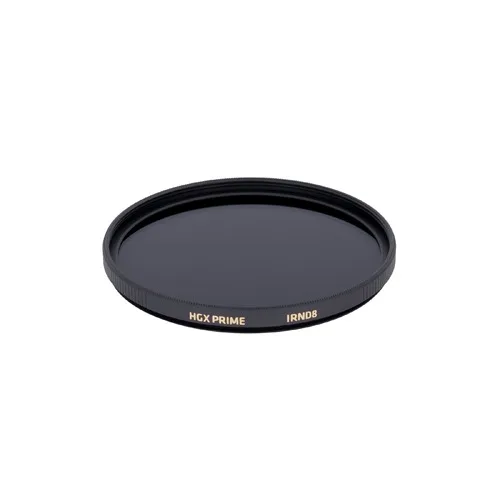
Buy a 62mm IRND8X if you shoot long exposures in daylight, especially with foliage, black fabric, or dark synthetic materials that can shift toward red or magenta when a standard ND filter is used. The 8X rating equals a 3-stop reduction, which is enough for silky water and motion blur at moderate shutter speeds while keeping infrared pollution in check. If your lenses use a different thread size, budget for a stepping ring; if you only shoot short exposures in shade, a plain ND may be sufficient.
What an IRND filter actually fixes
Standard neutral density filters reduce visible light, but they do not always block infrared light. Digital sensors remain sensitive to IR, so in bright sun and long exposures the extra IR can create a color cast that is hard to correct, often showing up as reddish foliage or muddy blacks. An infrared neutral density filter, or IRND, adds IR suppression so the color you record stays closer to what you saw. The 8X marking is a density label, not a magnification: it equals a 3-stop reduction. That means a 1/60s exposure becomes roughly 1/8s, and a 1/250s exposure becomes about 1/30s. Knowing the stops helps you predict whether the filter will get you to the shutter speed you need for the effect you want.
When a 3-stop IRND is the right call
A 3-stop filter is a practical middle ground. It is strong enough to blur moving water, clouds, and crowds in daylight, but it does not force you into extremely long exposures that demand a heavy tripod and perfect timing. For a 62mm IRND8X, the most common use cases are landscape and travel photography where you want motion in the frame without losing color fidelity. If you routinely shoot at f/11 in full sun and want a 1/4s to 1s exposure, 3 stops gets you there with a normal ISO. If you need 10-stop or 15-stop territory for minutes-long exposures, this is not the filter for that job.
Fit and thread decisions before you buy
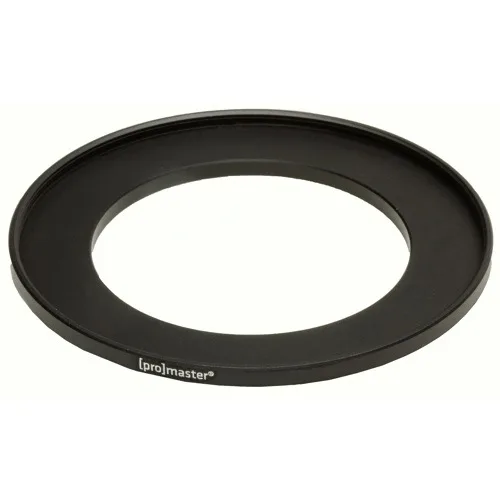
The filter thread must match your lens, or you need a stepping ring to bridge the difference. Measure your lens cap or look for the diameter symbol on the front ring. If you own several lenses with different thread sizes, buy the filter for your largest common thread and use stepping rings to adapt it to smaller lenses. A stepping ring is a precision-machined adapter that converts one thread size to another; for example, a 55mm-to-52mm ring lets you use 55mm accessories on a 52mm mount. Keep in mind that stacking a stepping ring and a filter can cause vignetting on wide-angle lenses, so test at your widest focal length before committing. Also note that this IRND8X is a screw-in filter, so it will not work with a square filter holder system without an adapter.
How to judge an IRND filter before you commit
Look for construction details that affect image quality and cleaning. Individually ground, polished, and coated glass helps maintain contrast and reduces reflections; a coating that repels dirt makes the filter easier to keep clean in the field. IR suppression is the core feature, so confirm the filter is explicitly designed for it rather than assuming all ND filters handle IR. If you frequently change lenses or shoot in dusty environments, a pouch or case for the filter is a small but useful add-on. Finally, consider your longest exposure needs: a 3-stop filter is a workhorse, but if you often want 30-second exposures in daylight, you will need a stronger ND in addition to this one.
Decision rules for buying a 62mm IRND8X
- You shoot long exposures in bright daylight: Choose the 62mm IRND8X if you want 3 stops of light reduction and IR suppression for color fidelity in sunlit scenes with foliage or dark fabrics. This is the core use case; buy it if this matches your shooting.
- Your lens thread is not 62mm: Use a stepping ring to adapt the filter to your lens. For example, a 55mm-to-52mm ring converts between those sizes, but check for vignetting on wide-angle lenses. Buy the stepping ring that matches your lens thread; avoid stacking multiple rings if possible.
- You need more than 3 stops of reduction: A 3-stop filter is not enough for multi-minute exposures in daylight. You will need a stronger ND filter in addition to this one, or a variable ND that reaches higher densities. Do not expect this filter to replace a 10-stop ND for extremely long exposures.
- You only shoot in shade or at short shutter speeds: If you rarely encounter IR pollution or need only slight exposure reduction, a standard ND filter may be sufficient and less expensive. Skip the IRND premium if your shooting conditions do not create IR color casts.
Product facts
- Promaster 62mm IRND8X (.9) HGX Prime: Crafted for fine lenses, HGX Prime IRND filters are individually ground, polished, and coated. They repel dirt and suppress infrared light to achieve the best possible image. The IR suppression directly addresses color casts in long exposures, while the coating and finishing support contrast and easier cleaning.
- Promaster Stepping Ring - 55mm-52mm: The Promaster Stepping Ring (55 mm → 52 mm) provides a reliable, precision-machined solution for adapting filters or lenses between these common thread sizes. If your lens thread is 52mm and you want to use a 55mm filter, this ring lets you adapt without buying a second filter, though it can add vignetting risk on wide lenses.
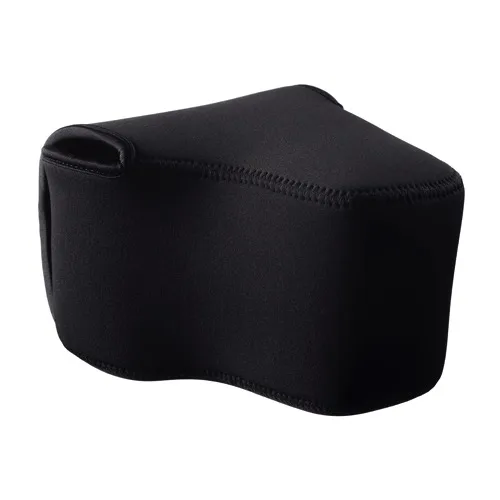
- Promaster Neoprene DSLR Camera Pouch - Small: The ProMaster NEOPRENE DSLR CAMERA POUCH offers lightweight protection for your DSLR camera along with fast access. The soft, elastic neoprene protects your camera from scratches and scrapes without adding the bulk of a traditional camera case. A zippered compartment holds extra camera accessories. And a built-in tether (with quick release buckle) connects the pouch to your camera's neck strap so it can hang out of the way. A filter is easy to misplace or scratch when it is not on the lens; a pouch with a zippered compartment keeps it protected and accessible during a shoot.
Who should buy this filter
Best for
- Landscape and travel photographers who want motion blur in daylight with accurate color
- Shooters who already own 62mm-thread lenses and want a dedicated 3-stop IRND
- Photographers who notice reddish or magenta casts in long exposures with standard ND filters
Not for
- Photographers who need 10-stop or stronger reduction for very long exposures
- Users with non-62mm lenses who are unwilling to use a stepping ring
- Shooters who only work in low light or at fast shutter speeds where IR pollution is rarely visible