Quick answer
Choose the Yellow Iron Ore pigment when you want an earth tone pigment with visible texture and larger particles for statement finishes. Choose Cornflowers when you want a sheer pigment that builds gradually and suits customers who prefer a softer, layered look. Both are part of the Dust to Dust collection, so expect batch-to-batch color variation and particles that settle in the bottle.
Texture and opacity: the real difference
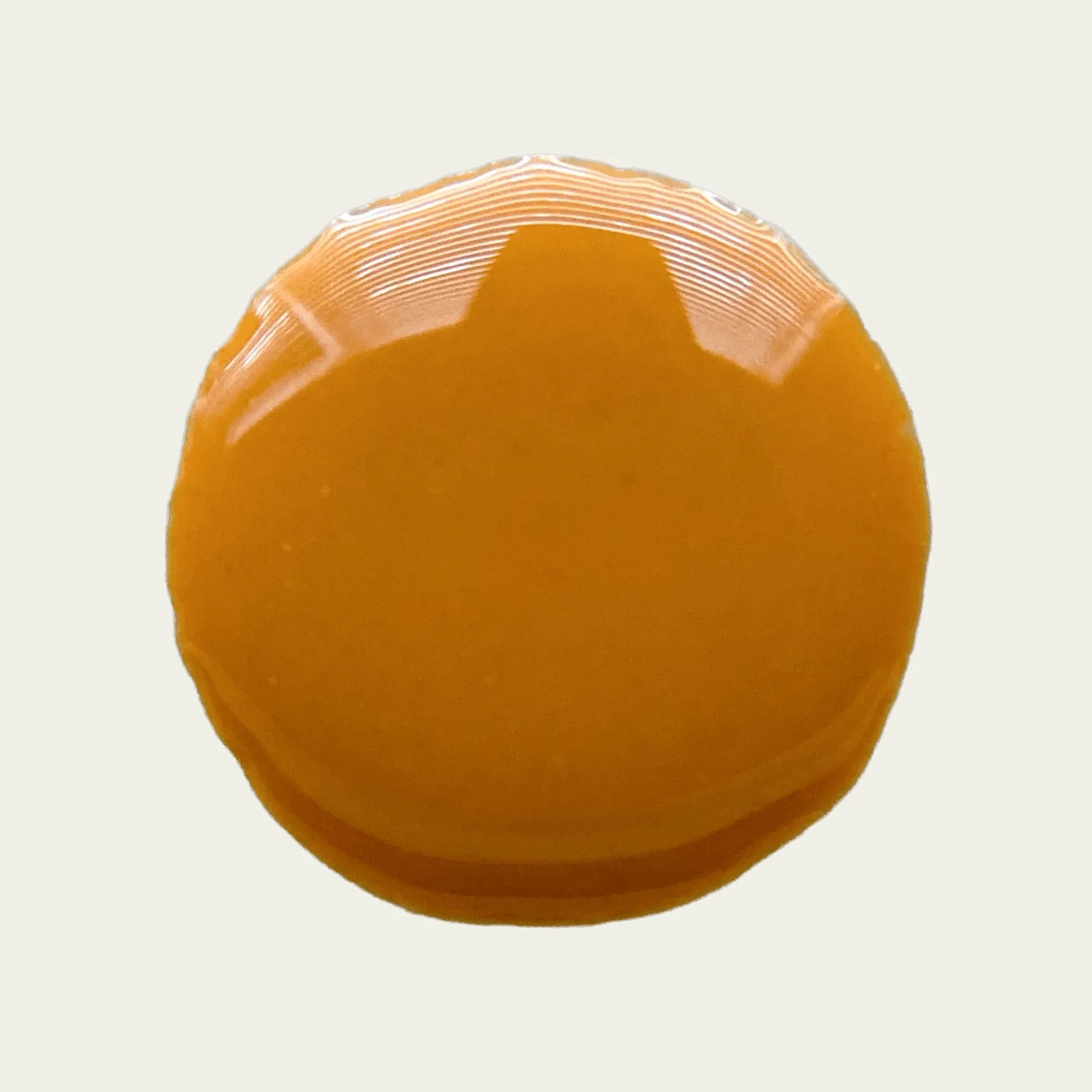
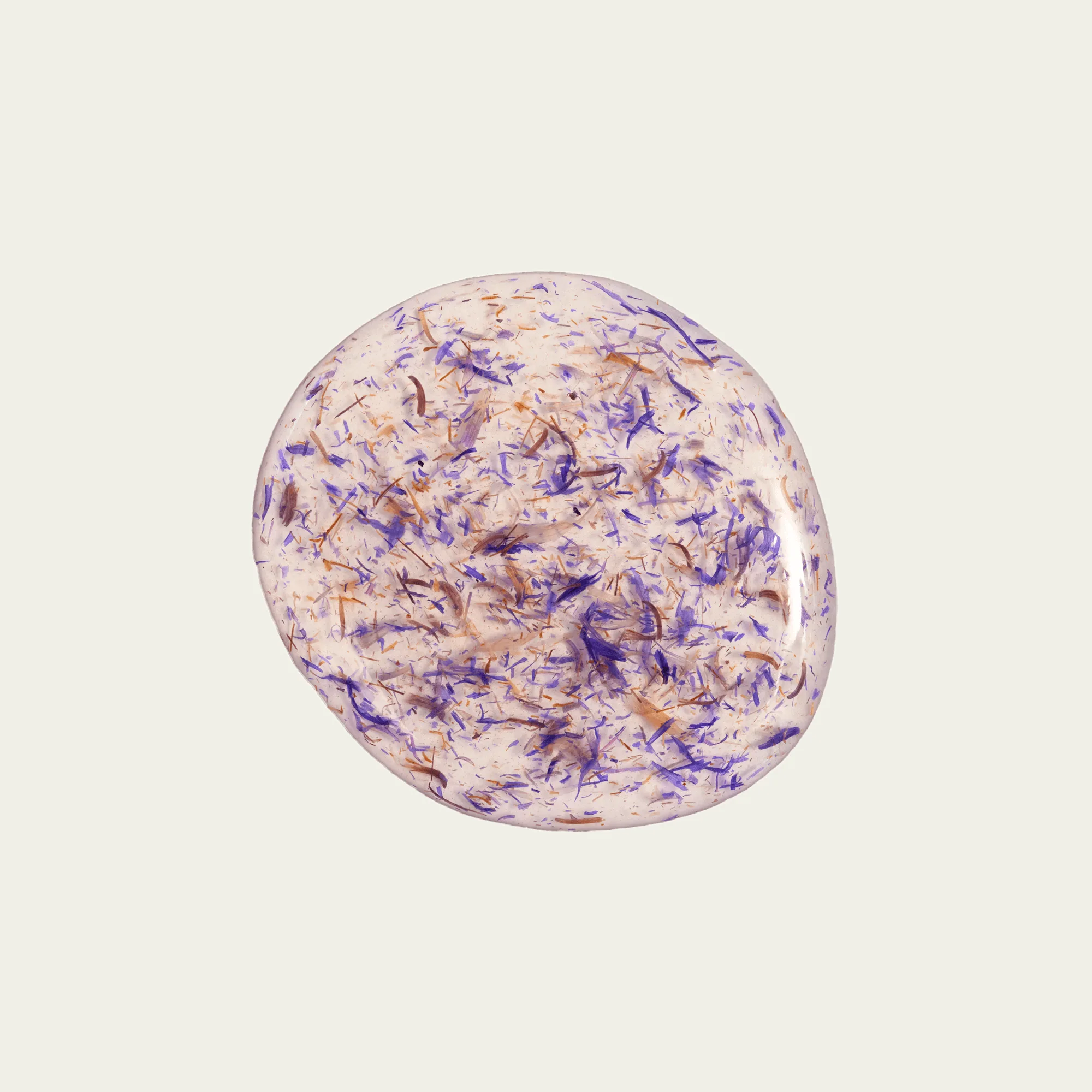
The two pigments behave differently in the bottle and on the nail. Yellow Iron Ore is described as naturally colored from broken-down pigment and will have texture as well as larger pieces of pigment in the finish. Cornflowers is described as sheer but builds up beautifully, with texture and larger pieces of pigment present as well. In practice, iron ore reads as a denser earth tone pigment, while cornflower reads as a sheer, buildable pigment. Neither is a smooth, uniform gel; both carry visible texture by design.
Batch variation is part of the product
Both pigments come from source material that is broken down by hand, and each batch will have slight color variations as different parts of the rock or plant are used. For retail, that means you cannot promise an exact repeat of the previous bottle. Instead, describe the variation honestly on shelf cards and online listings so customers know what to expect. If your customers expect identical color every time, these are not the right pigments for that shelf.
Settling and bottle behavior
Larger particles will naturally stick to the bottom and sides of the bottle and not suspend in the polish. This is normal for both pigments, not a defect. For wholesale buyers, plan for a short shake-or-roll instruction on the label or display card. Staff should know that the first use may need more agitation than a standard polish. If your store cannot add that guidance, choose a pigment with a smoother suspension instead.
Retail positioning and price context
The Yellow Iron Ore wholesale listing is priced at USD 6.12 against a catalog comparison price of USD 8.50. Cornflowers is priced at USD 9.38 against a comparison price of USD 14.00. Those gaps give you room to position the pigments as accessible specialty items rather than premium limited editions. Use the earth tone pigment angle for iron ore and the sheer, buildable angle for cornflowers when writing shelf talkers. Do not invent claims about wear time, coverage, or finish beyond what the catalog states.
What to confirm before ordering
The catalog does not list option types for either pigment, so confirm bottle size and any pack configuration with the store before you commit to a wholesale order. The Citrine pigment from Franklin, North Carolina, is also part of the Dust to Dust collection and is described as sheer but buildable with texture and larger pieces of pigment, so it can serve as a third option if you want a broader sheer range. Ask for current batch photos if your customers are sensitive to color shifts.
Decision rules for wholesale buyers
- If you want an earth tone pigment with visible texture: Stock Yellow Iron Ore. The catalog describes it as naturally colored with texture and larger pieces of pigment in the finish. Choose this for statement finishes, not for smooth uniform color.
- If you want a sheer pigment that builds: Stock Cornflowers. The catalog describes it as sheer but builds up beautifully, with texture and larger particles. Choose this for customers who layer color gradually.
- If your customers expect identical color every batch: Do not stock either pigment without a clear variation notice. Both have slight batch-to-batch color differences because different parts of the source material are used. Set expectations on the shelf card or choose a different product.
- If you cannot add shake-or-roll guidance: Reconsider these pigments. Larger particles will naturally stick to the bottom and sides of the bottle and not suspend in the polish. Plan staff training or choose a smoother-suspension product.
Product facts
- YELLOW IRON ORE: Wasatch Mountains, UT (Dust to Dust) (Wholesale): Yellow Iron Ore from the Wasatch Mountains in Utah is part of the Dust to Dust collection and is broken down with a mortar and pestle. The polish is naturally colored from the pigment and will have texture as well as larger pieces of pigment in the finish. Best suited to buyers who want a visibly textured earth tone pigment and can explain natural color variation to customers.
- CORNFLOWERS (Dust to Dust): Cornflowers from the home garden are part of the Dust to Dust collection. The polish is sheer but builds up beautifully, with texture and larger pieces of pigment present, and each batch will have slight color variations. A better fit for customers who prefer a sheer, layered finish and for stores that can set expectations about batch variation.
- CITRINE: Franklin, NC (Dust to Dust) (Wholesale): Citrine from Franklin, North Carolina, is part of the Dust to Dust collection, broken down by hand with a mortar and pestle. It is sheer but builds up beautifully, with texture and larger pieces of pigment present. Useful as a third sheer option if you want a broader range alongside Cornflowers.
Who should buy which pigment
Best for
- Retailers whose customers want an earth tone pigment with visible texture and larger particles
- Stores that can explain batch variation and settling honestly on shelf cards
- Buyers looking for a sheer, buildable pigment alongside a denser earth tone option
Not for
- Stores that need identical color in every bottle
- Buyers who cannot add shake-or-roll instructions for settling particles
- Customers who expect a smooth, uniform finish without texture