Quick Answer
To tell if your loose leaf tea is fresh, check its aroma, color, and taste. Fresh tea should have a vibrant scent and lively flavor; stale tea smells flat or musty and tastes dull. Store tea in an airtight container away from light, heat, and moisture to extend its shelf life.
You finally opened that beautiful tin of loose leaf tea you’ve been saving, but the brew tastes flat and lifeless. Or maybe you’ve had a pouch in the back of your cupboard for months and wonder if it’s still good. Tea freshness matters more than you might think—unlike wine, tea doesn’t improve with age.
In this guide, we’ll help you diagnose whether your tea is still fresh, show you how to store loose leaf tea to maximize its shelf life, and explain when you can revive a slightly stale tea and when it’s time to let it go.
How to Tell if Your Tea is Fresh
The quickest way to assess tea freshness is to engage your senses. Start with the dry leaves: fresh loose leaf tea should have a strong, pleasant aroma. If you open the container and smell nothing, or if the scent is musty, dusty, or like old cardboard, the tea has likely lost its vitality.
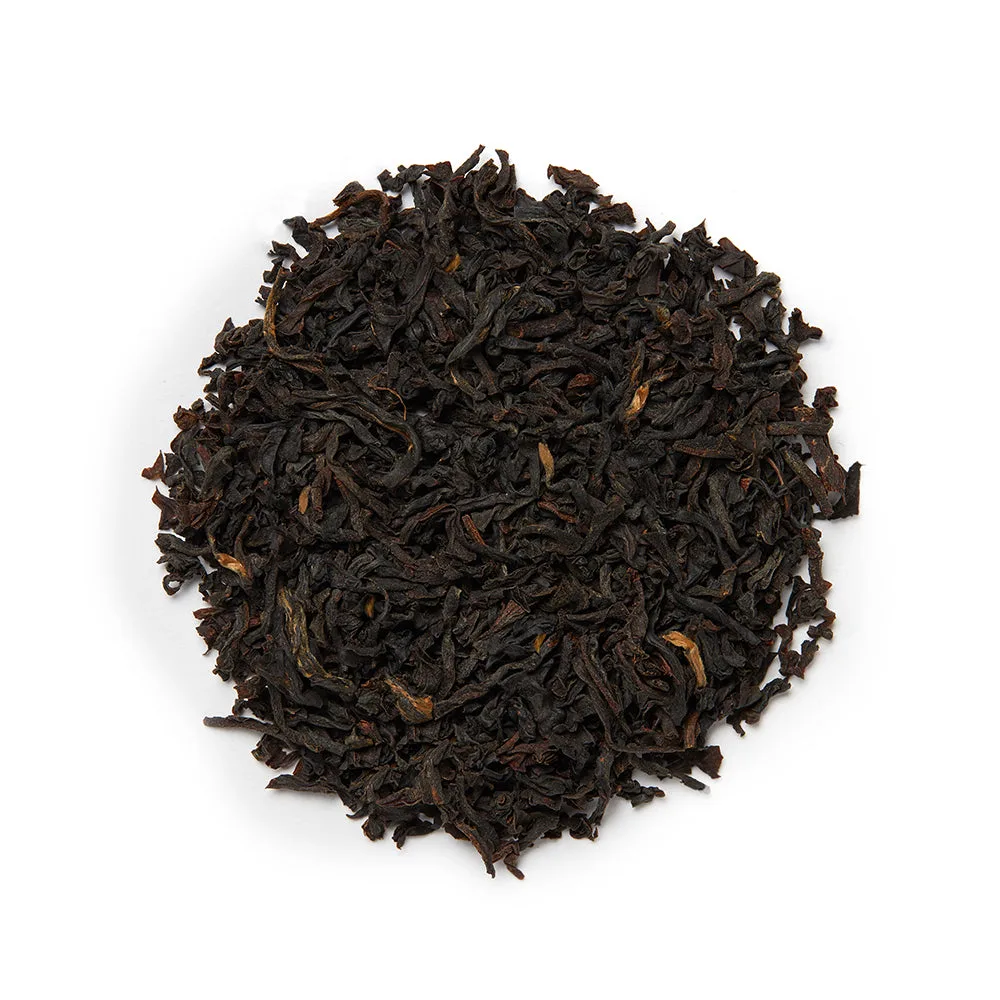
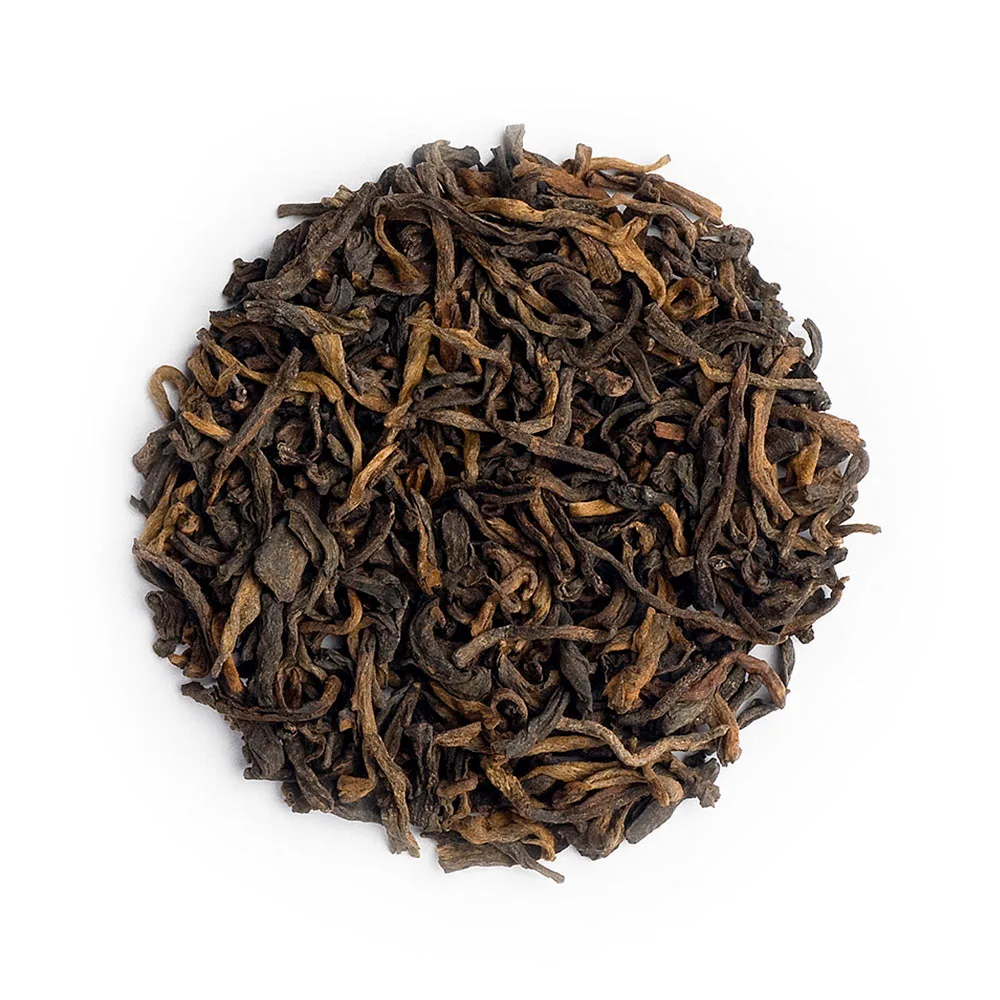
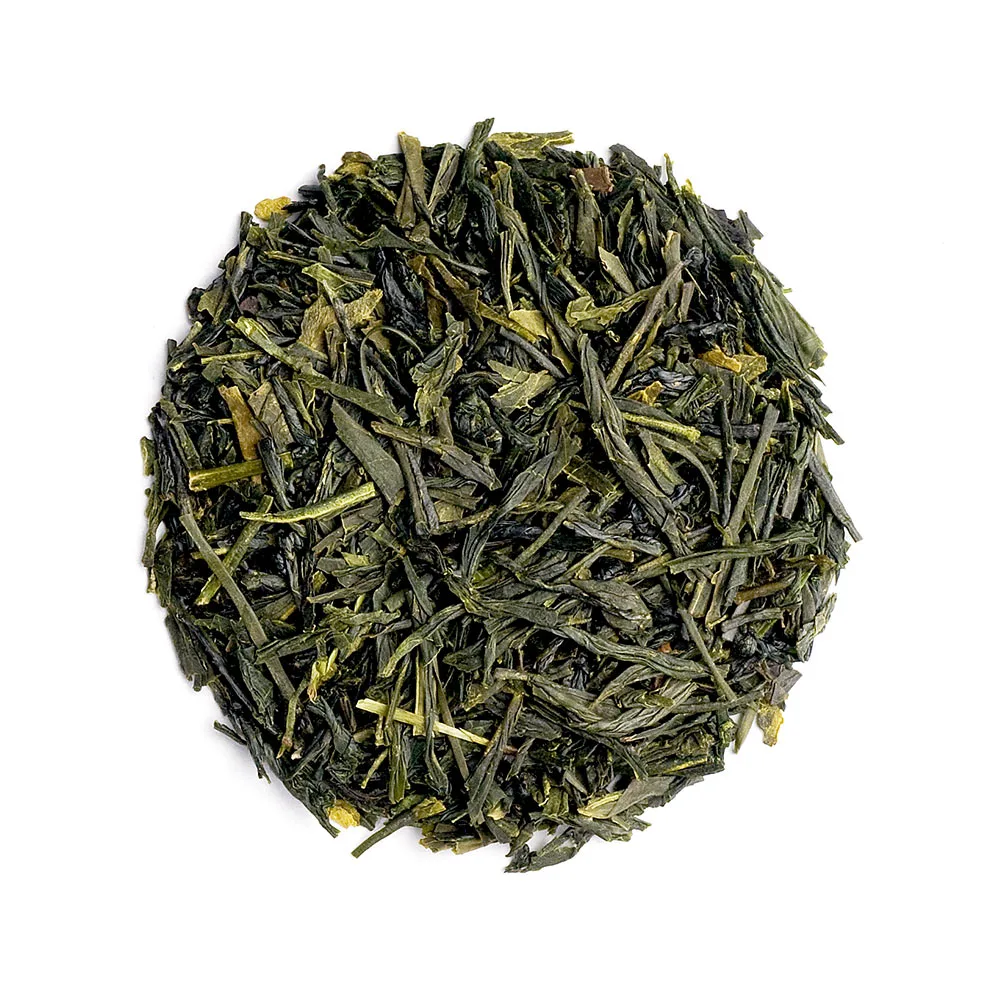
Next, look at the leaves. Fresh tea often has a vibrant color—bright greens, deep blacks, or rich oolongs. If the leaves look faded, dull, or have an uneven, brittle texture, they may be past their prime. Finally, brew a cup and taste it. Fresh tea should be lively, with distinct flavor notes; stale tea tastes flat, bitter, or simply 'nothing'.
- Sniff the dry leaves: fresh tea has a pronounced aroma; stale tea smells flat or musty.
- Look at the leaves: fresh tea has vibrant color and intact structure; stale tea looks faded and brittle.
- Brew and taste: fresh tea has a lively, complex flavor; stale tea tastes dull or bitter.
How Long Does Loose Leaf Tea Last?
Tea shelf life varies by type. Green teas are the most delicate and are best consumed within 6-12 months of harvest. Black teas and oolongs can last 1-2 years if stored properly. Herbal tisanes, like rooibos or fruit blends, often have a longer shelf life, but they too will eventually lose their potency.
These timelines are guidelines, not hard expiration dates. Proper storage is the key to extending freshness. The enemies of tea are oxygen, light, heat, and moisture. Exposure to any of these accelerates degradation, causing loss of flavor and aroma.
- Green tea: 6-12 months for optimal freshness.
- Black and oolong tea: 1-2 years when stored well.
- Herbal tisanes: up to 2 years, but flavor fades over time.
Best Practices for Storing Loose Leaf Tea
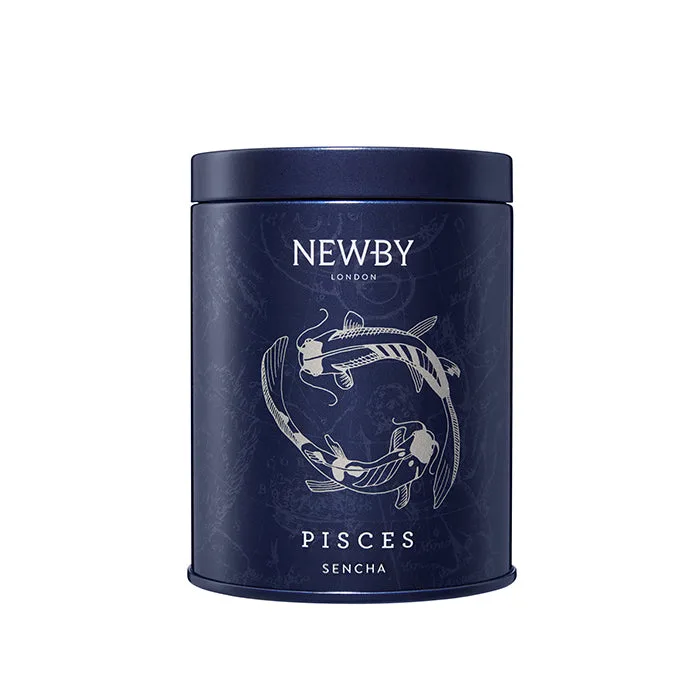
To extend the shelf life of your tea, transfer it to an airtight container made of opaque material, such as a tin or dark glass jar. Keep the container in a cool, dark place, like a pantry or cupboard away from the stove or dishwasher. Avoid storing tea near spices or strong-smelling foods, as tea can absorb odors.
If you buy tea in bulk, consider dividing it into smaller portions. This way, you only open one container at a time, limiting the tea’s exposure to air. Remember to always use a dry spoon when scooping tea to avoid introducing moisture.
- Use opaque, airtight containers.
- Store in a cool, dark place away from heat sources.
- Keep tea away from strong odors and moisture.
Can You Revive Stale Tea?
Sometimes tea that has lost its freshness can be partially revived. If your tea is just a little flat, you might try brewing it slightly hotter or longer to extract more flavor. However, if the tea has a musty smell or tastes noticeably off, it’s best to discard it—brewing won’t fix that.
Another trick is to use stale tea for cooking or baking, where its subtle flavors can still add depth. But for drinking, if the tea doesn’t taste good after a proper brew, it’s time to replace it.
- Try adjusting brewing time or temperature for slightly stale tea.
- Use very stale tea in recipes like tea-smoked dishes or baked goods.
- If tea tastes musty or off, do not drink it—replace it.
Diagnosing Your Tea's Freshness
- Symptom: Faint or no aroma when you open the container: If the tea smells flat, it has likely lost its essential oils. Try brewing a cup; if flavor is also weak, the tea is stale.
- Symptom: Dull, faded leaf color or brittle texture: Exposure to light and air can cause leaves to lose color and become fragile. If leaves crumble easily and look washed out, they are past their prime.
- Symptom: Musty or off smell: This indicates moisture or contamination, which can be harmful. Do not drink; discard the tea.
- Symptom: Flat taste despite proper brewing: The tea's flavor compounds have degraded. If adjusting brewing doesn't help, replace the tea.
Tea Freshness in Practice: Newby Teas Examples
- https://sunbiteai.shop/products/ceylon-heritage-loose-leaf-136081Ceylon Heritage Loose Leaf: A distinctive black blend from the ‘Land of the Lions’, noted for its subtle aroma of citrus fruit. Black teas like this have a longer shelf life, but to enjoy that citrusy aroma, store it properly and consume within a year or two.
- Gyokuro Loose Leaf Pouch 250g: A slightly sweet green tea with a mild finish, Gyokuro is a prized tea in Japan where it is known as 'jade dew'. Green teas are delicate; Gyokuro’s sweetness is best enjoyed fresh, so buy smaller quantities and store in an airtight container.
- Persian Rose Loose Leaf Pouch 100g: This unique, floral tisane is made purely from whole rosebuds, offering a perfectly balanced and subtle rose petal aroma. Herbal tisanes like this can last longer, but the delicate rose aroma will fade if exposed to air—keep it sealed.
Tea freshness is all about storage and timing. By learning to recognize the signs of stale tea and following proper storage practices, you can enjoy every cup at its best. When in doubt, trust your senses—and don't be afraid to treat yourself to a fresh batch.