Quick answer
Most K-Cup pods are not recyclable in curbside bins because the plastic cup, foil lid, and coffee grounds are fused together. If you want to recycle K-Cup pods, you usually need a dedicated drop-off or mail-back program, or you need to separate the components yourself where your local facility accepts them. If no program is available near you, the practical move is to reduce the number of pods you use rather than stockpile them for a recycling option that does not exist.
Why your curbside bin rejects K-Cup pods
A K-Cup pod is a small package, not a single material. The cup is plastic, the lid is foil, and the grounds sit inside. Curbside sorting systems are built to separate paper, metal, glass, and a few common plastics, and they cannot easily split a pod into those streams. Many facilities also reject items smaller than a few inches because they fall through the sorting equipment. That combination is why a pod can look recyclable and still end up as trash.
The practical test is simple: check your local program's accepted-materials list before you collect pods. If plastic tubs and foil are both accepted, you may still need to separate the pod yourself. If the list says no small plastics or no mixed-material packaging, treat the pod as trash in your area and look for a dedicated program instead.
How to recycle K-Cup pods through a drop-off or mail-back program
Dedicated pod programs exist, but they are not the same as curbside recycling. Some accept pods at a participating retail location, and some provide a mail-back option. Before you collect a large bag, confirm three things: whether the program is currently accepting pods, whether it takes the brand you drink, and whether it wants the grounds emptied or the pod left intact. Program rules change, so a quick check on the program's own page is worth more than an old blog post.
If the program asks you to empty the grounds first, do that over a compost bin or trash can, not the sink. Coffee grounds can clog drains when they build up. Keep the foil lid with the pod unless the program says otherwise, and store filled bags somewhere dry so the foil does not corrode before you drop them off.
What to do when no K-Cup recycling program is near you
For many households, the honest answer is that no convenient pod recycling option exists. In that case, the useful action is to reduce the number of pods you throw away. Buy the largest compatible pack for the flavors you actually drink so you are not ordering small boxes repeatedly, and match the pod to the cup size you brew so you are not using two pods for one mug.
You can also compost the grounds if your compost accepts coffee and you are willing to open the pod. The plastic cup and foil lid still go to trash in most areas, so this reduces what you send to landfill but does not make the pod itself recyclable. If composting the grounds is not realistic, focus on buying habits instead.
How pack size and flavor choice affect coffee pod waste
Waste is not only about the pod material. It is also about how many pods you buy, store, and eventually toss because they went stale or you did not like the flavor. Larger packs lower the cost per pod, but they only reduce waste if you finish them. If you are trying a new flavor, a smaller box is the lower-risk choice even if the per-pod price is higher.
Folgers K-Cup pods come in different pack configurations, and the catalog facts for each product list the total pod count. Reading that number before you buy is the easiest way to avoid a cabinet full of pods you will not drink. It also helps you plan how often you need to restock, which matters if you are collecting pods for a drop-off program.
Diagnosis: what to do with the pods in front of you
- Symptom: your curbside bin leaves the pods behind: Your local program does not accept small mixed-material packaging, which describes most K-Cup pods. Check the accepted-materials list for your address before you collect more pods. If the list excludes small plastics or foil-lined items, stop putting pods in the curbside bin.
- Likely cause: the pod is plastic, foil, and grounds at once: Sorting equipment cannot separate those materials at curbside speed. This is why a pod can be made of recyclable materials and still not be recyclable in your bin. Look for a dedicated drop-off or mail-back program instead of relying on curbside.
- Corrective action: use a program that actually takes pods: Confirm the program is accepting pods, takes your brand, and tells you whether to empty the grounds. Follow those rules rather than guessing. If no program is available, switch to reducing pod count rather than storing pods indefinitely.
- Stop point: when recycling is not realistic: If the nearest drop-off is far, the mail-back cost is high, or the program has paused, do not keep a rotting bag of pods in the garage. Throw them out and change your buying instead. Choose a larger pack of a flavor you already drink, or brew fewer pods per day, to cut coffee pod waste at the source.
Folgers K-Cup options and what they mean for pod waste
- Folgers Buttery Caramel Flavored Coffee, 72 Keurig K-Cup Pods: Folgers Buttery Caramel Flavored Coffee comes as 72 Keurig K-Cup Pods, with 12 pods per pack across 6 packs. A 72-pod format suits a daily flavored-coffee drinker who will finish the supply, but it is a poor first purchase if you are still testing whether you like buttery caramel.
- Folgers Colombian Coffee, Medium Roast, Keurig K-Cup Pods, 10 Count Box (Pack of 6): Folgers Colombian Coffee, Medium Roast, is sold as a 10-count box in a pack of 6, for 60 K-Cup pods total. A medium roast in a 60-pod total pack is a practical everyday option when you want one flavor you will actually drink before it goes stale.
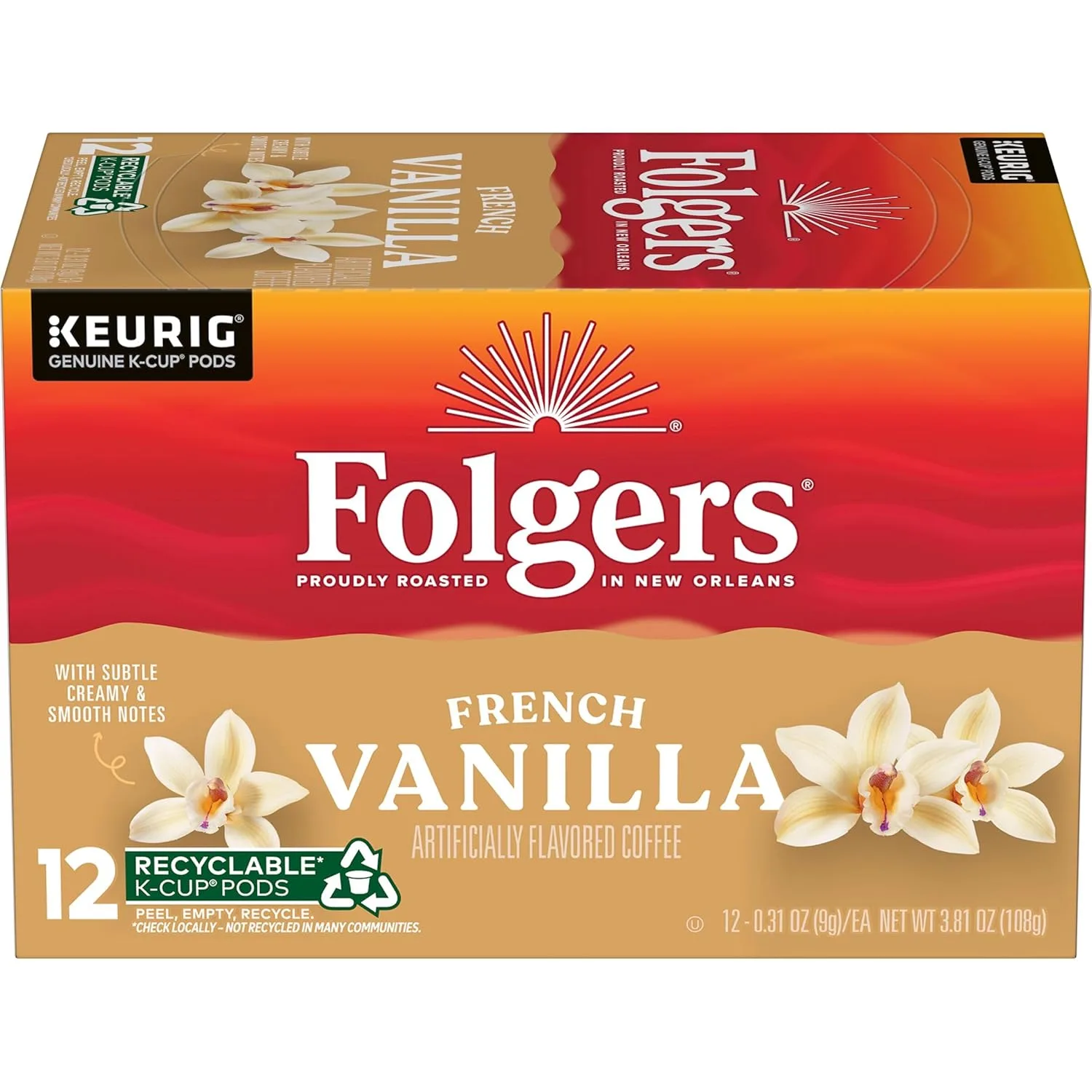
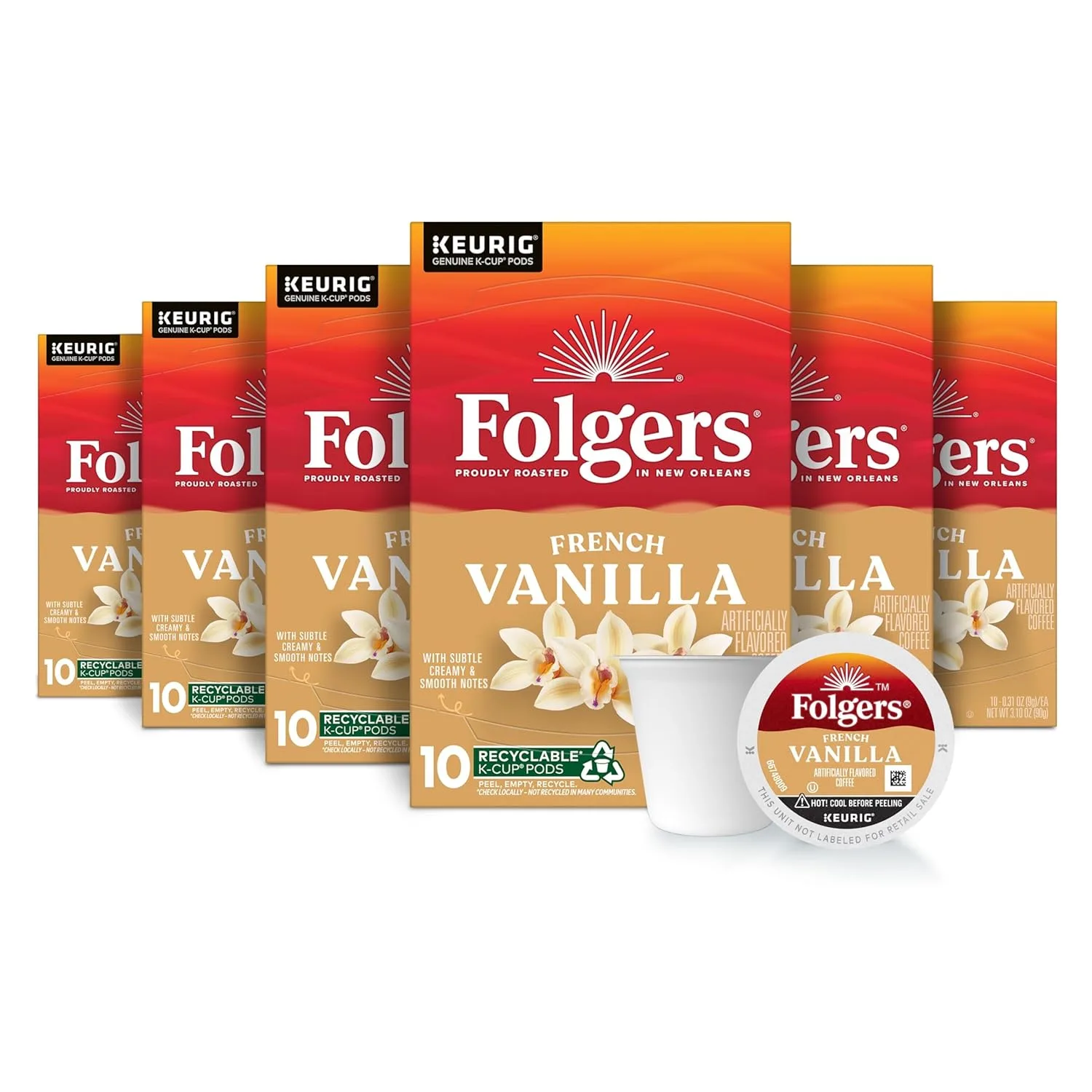
- Folgers French Vanilla Artificially Flavored Coffee, Keurig K-Cup pods, 10 Count Box (Pack of 6): Folgers French Vanilla Artificially Flavored Coffee comes in Keurig K-Cup pods as 6 boxes of 10 pods, for 60 pods total. The 60-pod total is useful for a household that already knows it likes French vanilla, and it keeps you from reordering small boxes that add packaging and shipping.