Quick Answer
A complete K9 tracking kit should include a durable leather harness, a matching collar, and at least one tracking line—ideally a long line for open terrain and a shorter lead for close-quarters control. Prioritize gear that balances comfort for the dog with strength for the handler, and always check fit before field use.
What to Look for in a Tracking Harness
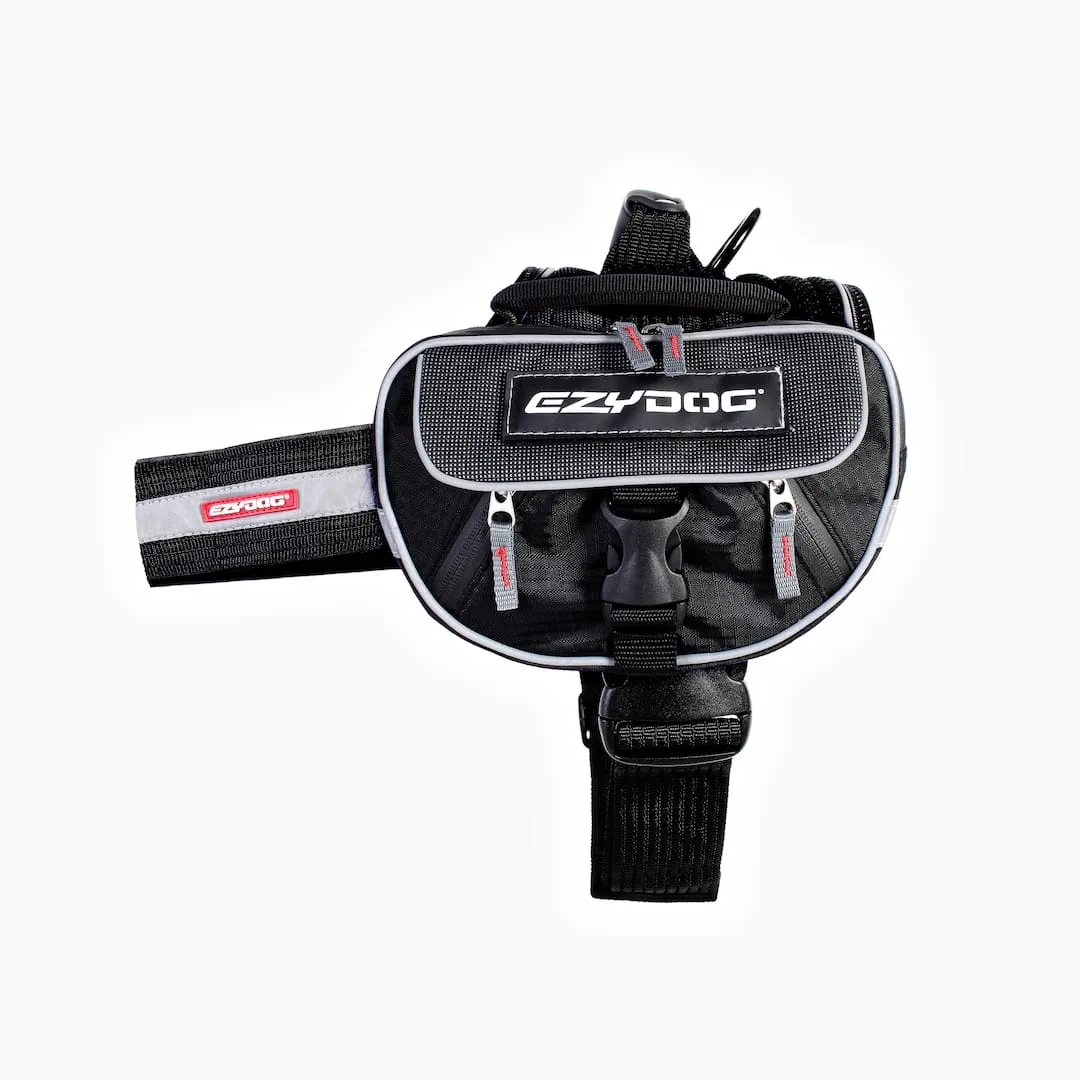
The harness is the core of any tracking kit. It should distribute pressure evenly across the dog's chest and shoulders, not the neck, to allow the dog to follow a scent without discomfort. Look for adjustable straps to fine-tune the fit, and heavy-duty webbing or leather that resists abrasion from brush and rough terrain. A harness that twists or tangles during movement can distract the dog and slow down the search.
For most working dogs, a lightweight, low-profile harness works well because it doesn't restrict movement or overheat the dog during long tracks. However, if your dog frequently pulls hard or works in dense cover, a slightly heavier harness with reinforced stitching may last longer. The trade-off is added weight, which can tire a dog faster on extended missions.
Choosing the Right Tracking Line
Tracking lines come in different lengths and materials. A 15- to 30-foot line gives the dog freedom to work a scent while keeping the handler connected. Leather lines offer durability and a good grip even when wet, but they require regular conditioning to stay supple. Nylon or synthetic lines are lighter and easier to clean but can cause friction burns if the dog pulls suddenly.
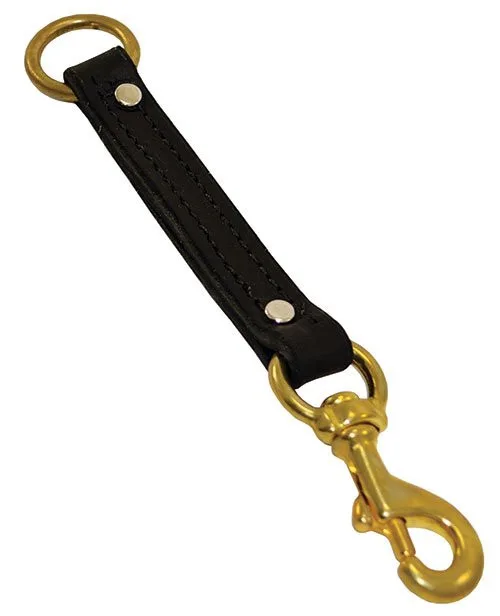
For close-quarters work—like searching a building or vehicle—a shorter lead around 5 feet gives you more control. Some handlers carry both lengths and swap based on the environment. A bolt snap at the end should be stainless steel to resist rust and rated for the dog's weight plus pulling force.
Collars: Backup and Identification
A leather tracking collar serves as both a backup attachment point and a place for ID tags or GPS trackers. It should be wide enough (1.5 to 2 inches) to distribute pressure if you need to clip a line to it, but not so wide that it interferes with the harness. A rolled or padded collar can reduce chafing on dogs with short coats.
Avoid collars with heavy hardware that could snag on brush. A simple buckle or quick-release closure is usually sufficient. If the dog wears a harness most of the time, the collar is mainly for backup—so don't overspend on features you won't use.
Decision Rules for Building Your Kit
- Match the line to the environment: Use a 30-foot line for open fields and woods; switch to a 5-foot lead for tight spaces like rubble or vehicles. Carry two lines if your team works varied terrain.
- Prioritize fit over features: A harness that fits poorly—even with all the bells and whistles—will cause chafing and slow the dog down. Adjust straps and check for rubbing after the first 15 minutes of use. If the harness moves more than an inch when the dog pulls, it's too loose.
- Leather vs. synthetic: know the trade-off: Leather lasts longer but needs conditioning. Synthetic gear is lighter and easier to clean but may wear faster in abrasive conditions. Choose leather for daily use in rough terrain; choose synthetic for occasional or wet-weather work.
Gear That Meets the Standards
- K9 Essentials Tracking Kit: The K9 Essentials Tracking Kit includes a leather harness and collar, along with RAM-Tech Leather Alternative tracking lines. It offers kit savings of over $125 compared to buying items separately. This kit bundles the three core components—harness, collar, and lines—so you know they work together. The leather alternative lines are lighter than traditional leather but still durable, which can be a good middle ground for handlers who want less maintenance.
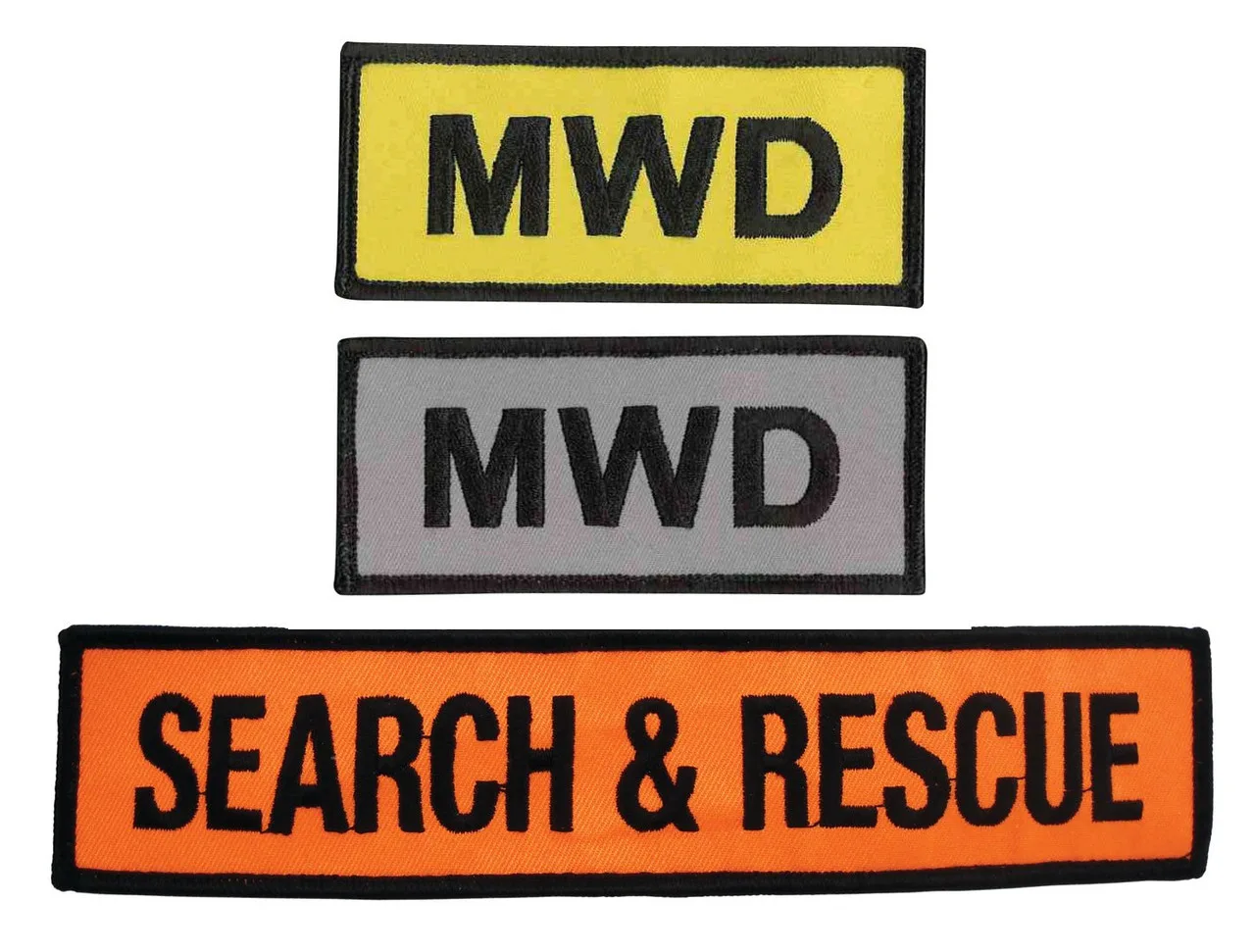
- Kinetic Duty Harness: The Kinetic Duty Harness is a lightweight, adjustable harness designed for search and rescue, detection, and service dog work. It does not twist or tangle with the dog’s movement and features heavy-duty webbing with high-strength, quick-release buckles. If you prefer to build your own kit rather than buy a bundle, this harness offers a streamlined fit that won't interfere with the dog's natural gait. The quick-release buckles make it easy to remove after a long track, and the VELCRO® patches can hold identification or unit insignia.
Who This Kit Works Best For
Best for
- Professional K9 handlers in search and rescue or detection roles who need a complete, ready-to-deploy setup
- Teams that train regularly and want gear that balances comfort with durability for long tracking sessions
Not for
- Handlers who prefer ultralight synthetic gear for hot climates or water-based operations—leather components may retain moisture and add weight