Quick answer
Choose the Katana Women's if you want a flat-lasted, moderately stiff shoe for all-day comfort on vertical and slab routes, and choose the Skwama if you need an aggressive, soft shoe for steep overhangs and precise toe hooks. The Katana Women's is the more versatile, forgiving option for most climbers; the Skwama rewards strong, technical footwork on hard terrain.
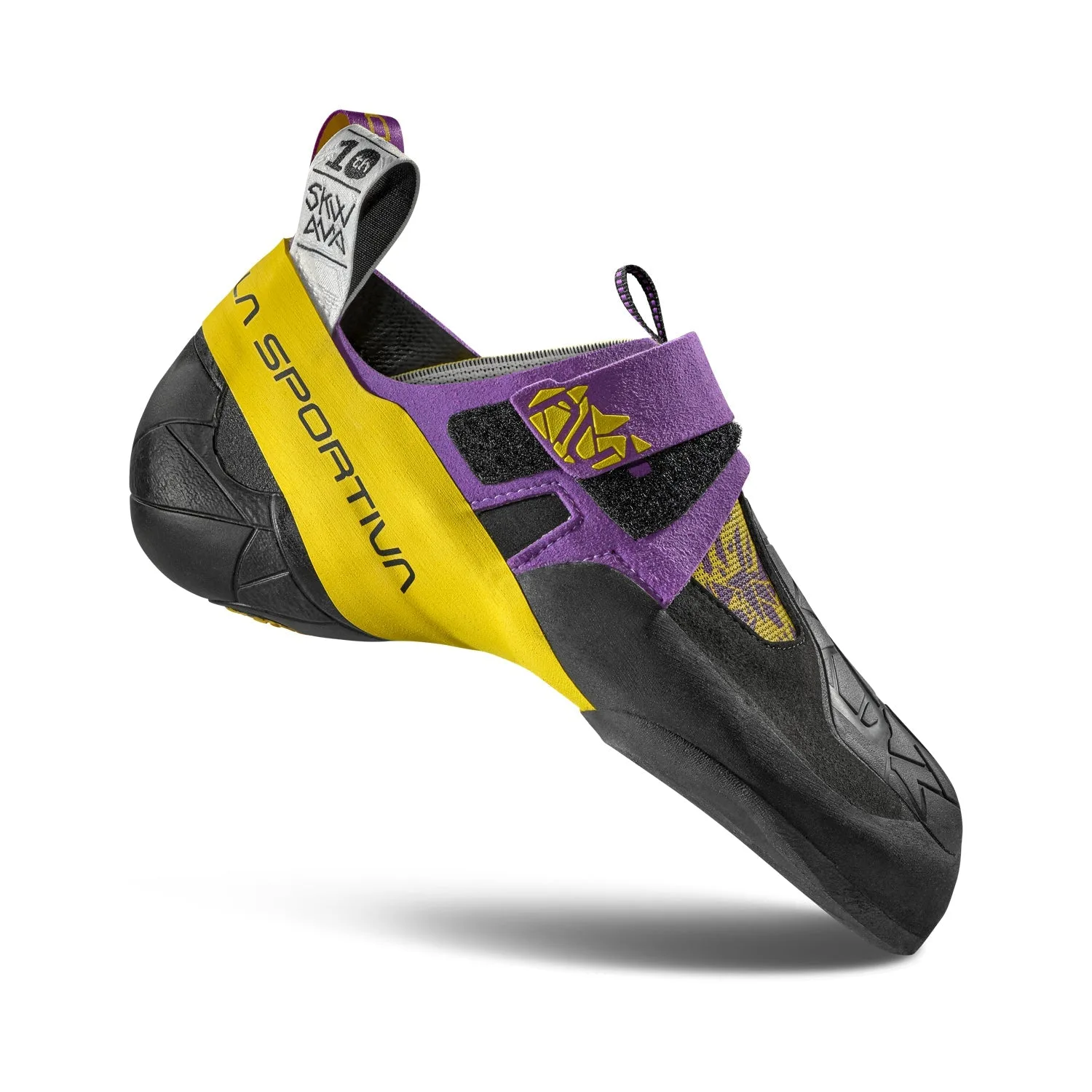
Skwama
Why the Katana Women's and Skwama Feel So Different
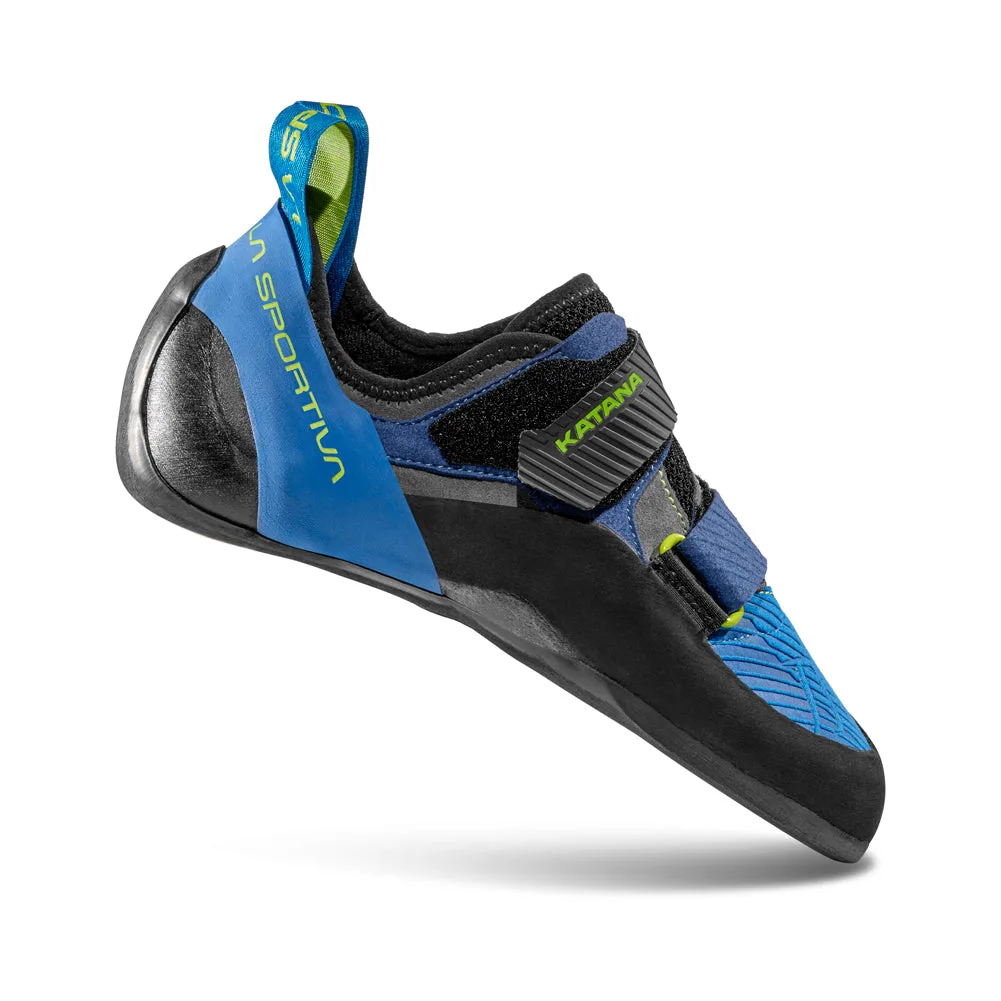
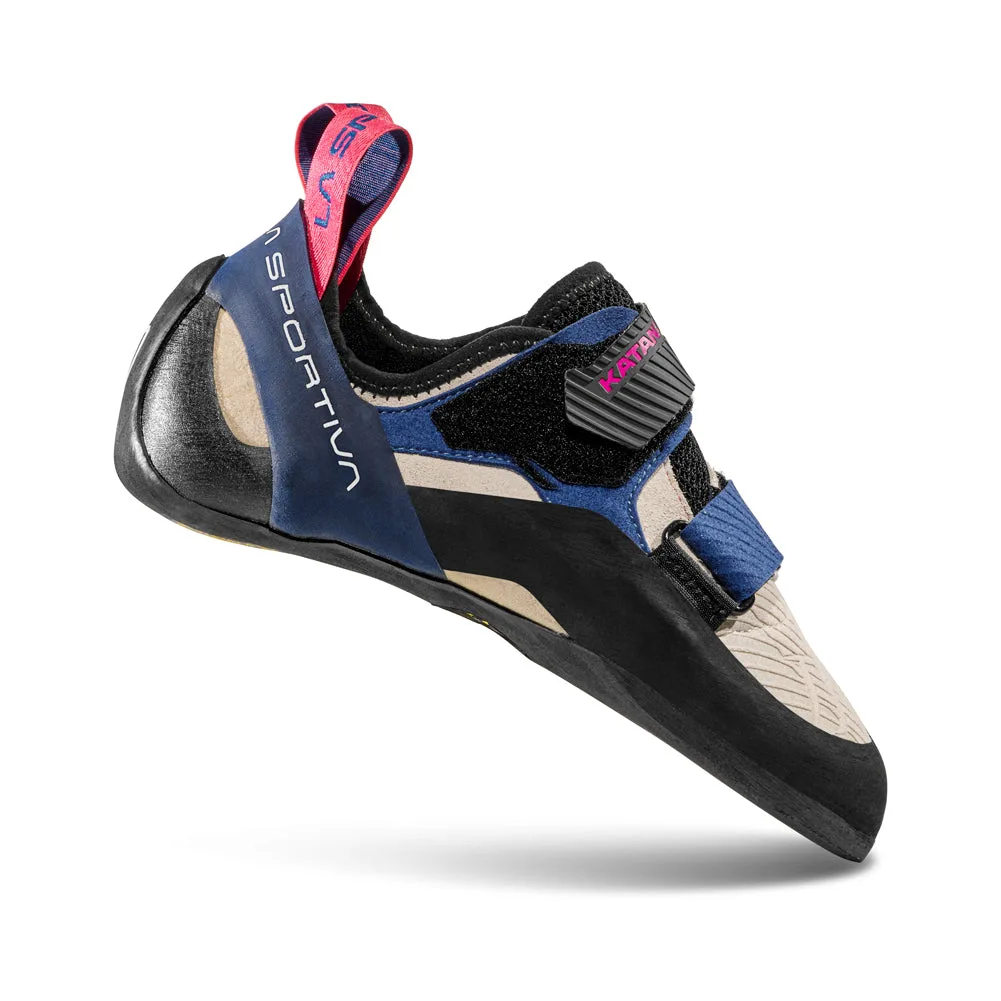
The Katana Women's is built on a flat last with a pointed toe and a dual-strap closure. That flat profile keeps your foot in a natural position, which reduces fatigue on long routes and makes the shoe easy to break in. The Skwama uses a downturned, asymmetric last that curls your toes downward, concentrating power on small edges and steep rock. Neither shape is better; they simply solve different problems.
The Katana Women's also includes the P3® patented system, which helps maintain the shoe's midsole shape further into its lifespan. That matters if you want a shoe that stays supportive after months of use. The Skwama is designed to stay softer and more sensitive, so it flexes with your foot rather than holding a rigid platform.
Fit and Sizing: How to Choose Your Size
Fit is the deciding factor. The Katana Women's is a flat-lasted shoe, so most climbers can wear it close to their street shoe size or half a size down for a snug but comfortable fit. The Skwama's downturned shape and soft rubber mean you may need to size down more aggressively to get a performance fit, but going too small can cause pain on long routes.
If you have wide feet or a high instep, the Katana Women's dual-strap closure gives you more adjustability across the top of the foot. The Skwama's slipper-like design relies on the elastic and the last shape for tension, so it suits narrower, lower-volume feet better. Always try both if you can, and prioritize a fit that lets you stand on small edges without your toes curling painfully.
Which Shoe for Which Terrain
For vertical walls, slabs, and multi-pitch routes where you need to stand on your feet for hours, the Katana Women's is the clear pick. Its flat last and midsole support keep your feet fresh, and the pointed toe still lets you place precisely on small holds. For steep caves, overhangs, and bouldering problems that demand toe hooks and heel hooks, the Skwama's aggressive downturn and soft rubber give you the sensitivity and grip to pull with your feet.
If you climb a mix of terrain and want one shoe, the Katana Women's covers more ground. If you already own a comfortable flat shoe and want a second pair for projecting hard routes, the Skwama is the specialist to add.
Trade-Offs at a Glance
- Comfort vs. Performance: The Katana Women's flat last prioritizes all-day comfort and easy break-in; the Skwama's downturned shape prioritizes power on steep terrain but can feel painful on long routes. Choose based on whether you climb for hours or for hard, short bursts.
- Stiffness vs. Sensitivity: The Katana Women's maintains its midsole shape with the P3 system, giving a supportive platform; the Skwama is softer and more sensitive for feeling small holds. Stiffer shoes edge better on vertical walls; softer shoes smear and hook better on overhangs.
- Versatility vs. Specialization: The Katana Women's handles slabs, vertical, and moderate overhangs well; the Skwama excels on steep, technical routes but is less comfortable for general climbing. If you want one shoe for everything, start with the Katana Women's.
Product Facts
- Katana Women's: The Katana Women's is a dual strap, flat lasted climbing shoe with a pointed toe and P3® patented system that helps maintain its midsole shape further into the shoe's lifespan. The flat last and midsole support make it comfortable for long routes and vertical terrain, while the P3 system helps the shoe keep its performance shape over time.
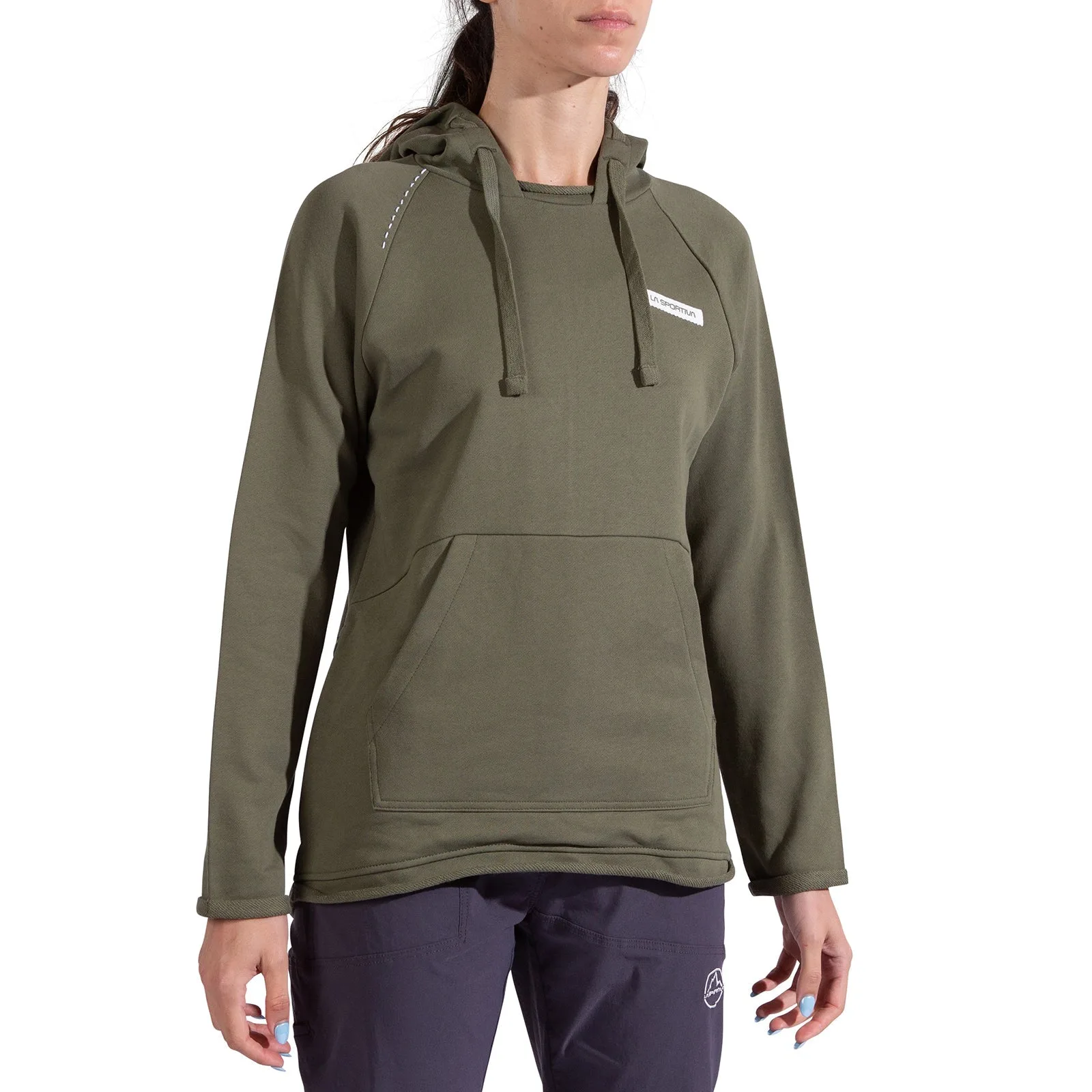
- Telendos Hoody Women's: The Telendos Hoody Women's is made from organic cotton and features a side zippered pocket to keep climbing shoes warm between attempts, plus a hood and kangaroo pocket. A warm layer with a dedicated shoe pocket is useful for cold-weather bouldering or between burns, though it is not a performance climbing shoe.
Who Should Buy Which
Best for
- Climbers who want a flat-lasted, comfortable shoe for vertical routes, slabs, and all-day use
- Those with wider feet or a high instep who need adjustable dual-strap closure
- Climbers looking for a versatile first performance shoe
Not for
- Climbers who primarily project steep overhangs and need maximum downturn and sensitivity
- Those who prefer a soft, slipper-style shoe for toe hooks and heel hooks