Quick Answer
To keep your baby warm at night without overheating, dress them in one more layer than you'd wear, use a sleep sack or wearable blanket instead of loose bedding, and keep the room between 68-72°F (20-22°C). Always check for signs of overheating like sweating or a hot chest.
As a parent, you want your baby to be cozy and safe through the night. Striking the right balance between warmth and overheating is crucial for safe sleep. Too many layers can increase the risk of Sudden Infant Death Syndrome (SIDS), while too few can lead to restless sleep.
This guide walks you through practical steps to dress your baby for sleep, choose the right sleepwear, and monitor their comfort. We'll also highlight organic options that help regulate temperature naturally.
Understanding Baby Sleep Temperature
Babies are not as efficient at regulating their body temperature as adults. Their tiny bodies heat up quickly, and they can't tell you when they're too warm. Overheating is a known risk factor for SIDS, so it's essential to keep the nursery at a comfortable temperature and dress your baby appropriately.
A good rule of thumb is to keep the room at a temperature that's comfortable for a lightly clothed adult. If you're comfortable in a t-shirt, your baby is likely fine in a sleep sack or one more layer. Avoid using heavy blankets, quilts, or pillows in the crib, as they can cause suffocation and overheating.
- Ideal room temperature: 68-72°F (20-22°C)
- Check your baby's neck or chest to see if they are too warm or cold
- Avoid hats or hoods during sleep
Layering Strategies for Warmth
Layering is the most effective way to adjust your baby's warmth throughout the night. Start with a base layer like a long-sleeve onesie or pajamas, then add a sleep sack or wearable blanket. You can add or remove layers based on the room temperature and your baby's comfort.
Choose breathable fabrics like organic cotton, which naturally wicks moisture and regulates temperature. Avoid synthetic materials that can trap heat and cause sweating. Remember, a baby who is too warm will feel hot to the touch and may have flushed cheeks or damp hair.
- Use one more layer than you would wear yourself
- Opt for a sleep sack instead of loose blankets
- Check your baby's temperature by feeling their chest or back
Choosing the Right Sleepwear
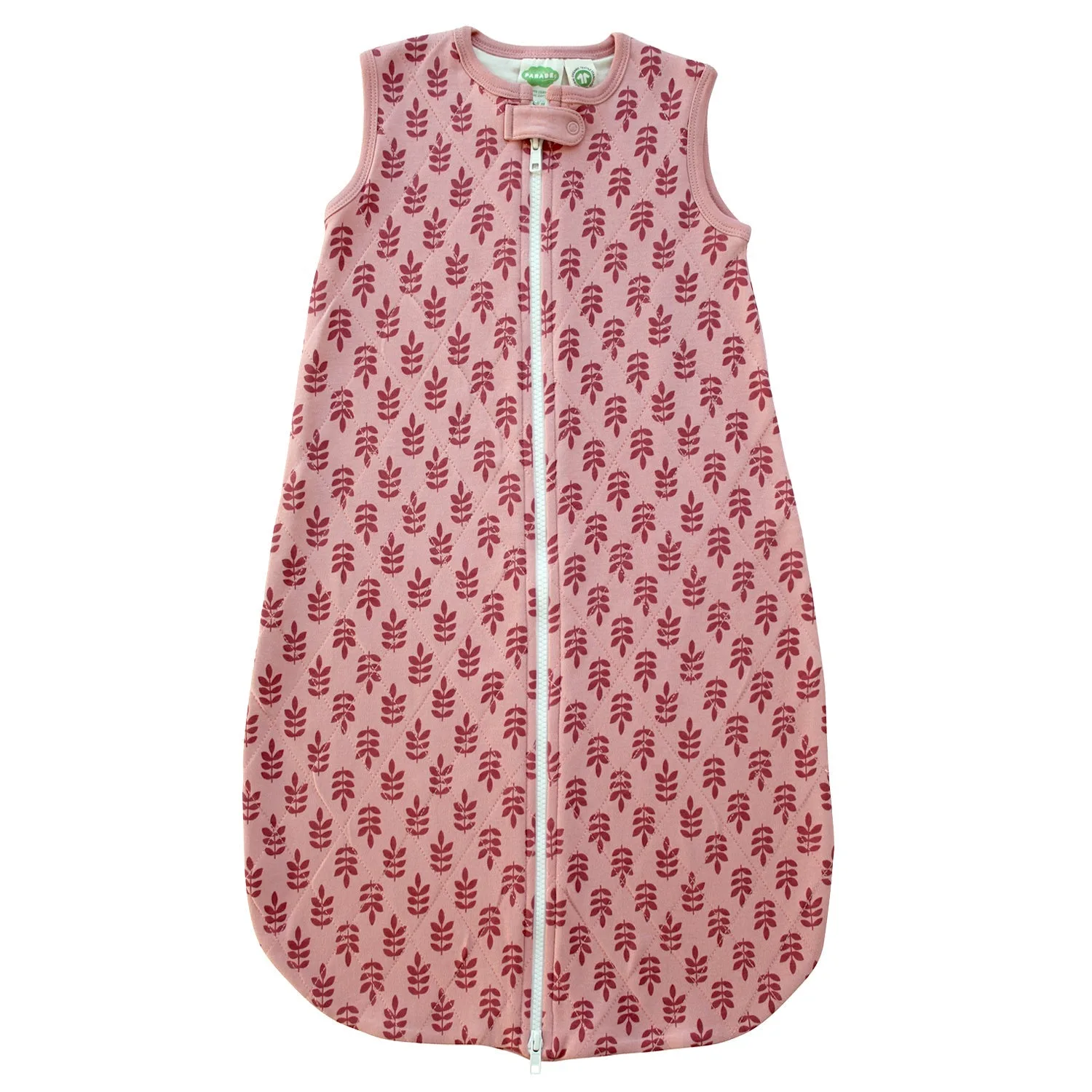
The right sleepwear makes all the difference. For cooler nights, consider a quilted sleep sack designed for warmth. These are safe alternatives to blankets and keep your baby cozy without the risk of covering their face. Look for features like a 2-way zipper for easy diaper changes.
Organic cotton is an excellent choice for baby sleepwear. It's soft, breathable, and free from harsh chemicals. Parade's organic sleepwear is GOTS certified, ensuring high standards for both your baby's skin and the environment.
- Choose sleep sacks with a TOG rating appropriate for the season
- Ensure the sleep sack fits properly – not too loose or tight
- Avoid overdressing: if the room is warm, a lighter layer is enough
Monitoring Your Baby's Comfort
Even with the best preparations, it's important to monitor your baby throughout the night. Feel their chest or back – if it's sweaty or hot, remove a layer. If it's cool, add one. Your baby's hands and feet may feel cool, but that's normal and not a reliable indicator of their core temperature.
Trust your instincts. Every baby is different, and you'll quickly learn what works best for your little one. Remember, it's safer for a baby to be slightly cool than too warm.
- Check your baby's temperature regularly, especially during the first few nights
- Look for signs of overheating: rapid breathing, flushed skin, restlessness
- Use a room thermometer to keep track of the nursery temperature
Step-by-Step Guide to Dressing Your Baby for Sleep
- Check the room temperature: Keep the nursery between 68-72°F (20-22°C). Use a room thermometer to ensure a consistent temperature. Avoid overdressing if the room is already warm.
- Choose a base layer: Dress your baby in a comfortable, breathable layer like a cotton onesie or pajamas. Avoid hats or hoods. Ensure the layer is not too tight or too loose.
- Add a sleep sack or wearable blanket: For cooler nights, use a sleep sack with an appropriate TOG rating. Ensure it fits properly and allows for hip movement. Never use loose blankets in the crib.
- Monitor your baby's temperature: Feel your baby's chest or back. If they feel hot or sweaty, remove a layer. If they feel cool, add one. Trust your instincts – it's safer to be slightly cool than too warm.
Organic Sleepwear Options from Parade
- Organic Winter Sleep Sac - Signature prints: Winter Sleep Sacs, made for cooler nights. Discover the perfect sleep solution with our 100% organic cotton sleep sacs. Designed exactly how parents want them: three layers of pure organic cotton, and a chunky 2-way zipper for easy changes. This sleep sack provides an extra layer of warmth for cold nights while keeping your baby safe without loose blankets. The 2-way zipper makes middle-of-the-night changes quick and easy.
- "My Jammies" Organic Kids' Pajamas: Our "My Jammies" collection is made of incredibly soft GOTS certified organic cotton, featuring exclusive hand printed Parade designs. Match with printed rompers and women's pajamas & sleepshirts. These pajamas are made from breathable, organic cotton, helping to regulate your baby's temperature and keep them comfortable all night. GOTS certification ensures no harmful chemicals touch their skin.
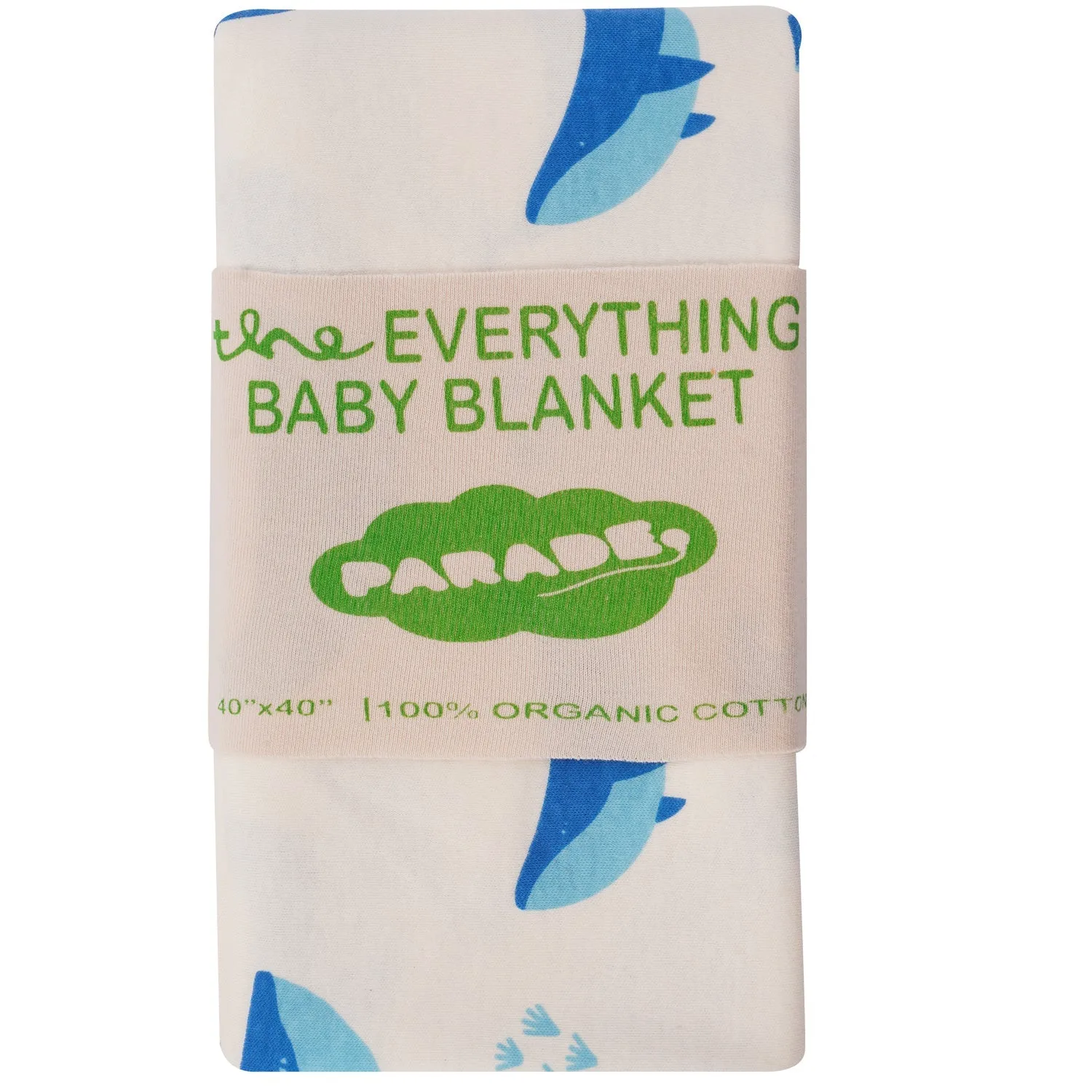
- Everything Organic Baby Blanket: The "Everything" Baby Blanket — soft, stylish, and ready for every adventure. Made from 100% organic cotton, this 40" x 40" blanket features a playful print on one side and a coordinating solid on the other. Lightweight and easy to toss in your bag or the stroller, it's perfect for snuggles at home, naps on the go, travel and tummy time. While not for sleep, this versatile blanket is great for keeping your baby warm during stroller rides or playtime. Its lightweight cotton is breathable, reducing the risk of overheating during awake time.
Keeping your baby warm at night without overheating is all about balance. By understanding safe sleep temperatures, choosing breathable organic sleepwear, and monitoring your baby's comfort, you can ensure a safe and restful night. Remember, a comfortable baby is a happy baby – and a happy parent too.