Quick answer
Keep your camping mattress pad dry by blocking moisture from below, managing condensation inside the tent, and drying the pad fully before you pack it. A waterproof base layer under the pad and a breathable top layer over it solve most wet-weather problems. If the pad still feels damp after those steps, the issue is likely airflow or an already-saturated foam core, not the setup.
A damp mattress pad turns a good night's sleep into a cold, soggy mess. Whether you're dealing with a wet tent floor, heavy condensation, or a pad that never fully dried from the last trip, the fix starts with finding where the moisture is coming from.
This guide walks through the most common causes of a wet camping mattress pad, what to do about each one, and the point where you should stop troubleshooting and switch to a different sleep setup.
Why memory foam pads get wet so easily
Memory foam is designed to contour and cushion, not to shed water. Its open-cell structure can absorb and hold moisture, which is why a damp tent mattress can stay damp long after the tent floor has dried. Once the foam core takes on water, surface wiping won't fix it.
That doesn't mean memory foam is a bad choice for wet camping conditions. It means the pad needs a moisture barrier underneath and a breathable layer on top. Without those, ground moisture and condensation have a direct path into the foam.
- Ground moisture rises through tent floors, especially on cold or rainy nights.
- Condensation forms when warm, humid air inside the tent meets a cooler surface.
- Packing a damp pad traps moisture and can lead to mildew over time.
Symptom check: where is the wetness coming from?
Before you change your whole setup, figure out whether the pad is wet on the bottom, the top, or both. Bottom-only wetness usually points to ground moisture or a compromised tent floor. Top-only wetness is almost always condensation from your breath and body heat.
If the pad is wet through and the foam feels heavy, the core is already saturated. At that point, no surface treatment will help until the pad is dried completely.
- Bottom wet: add a waterproof barrier between the tent floor and the pad.
- Top wet: improve ventilation and use a breathable cover.
- Both wet: dry the pad fully, then rebuild the layering system.
Corrective actions that actually work
Start with a waterproof base layer. A simple ground tarp or a waterproof pad liner under your mattress pad stops ground moisture from wicking into the foam. Make sure the barrier extends slightly beyond the pad edges so water doesn't run underneath.
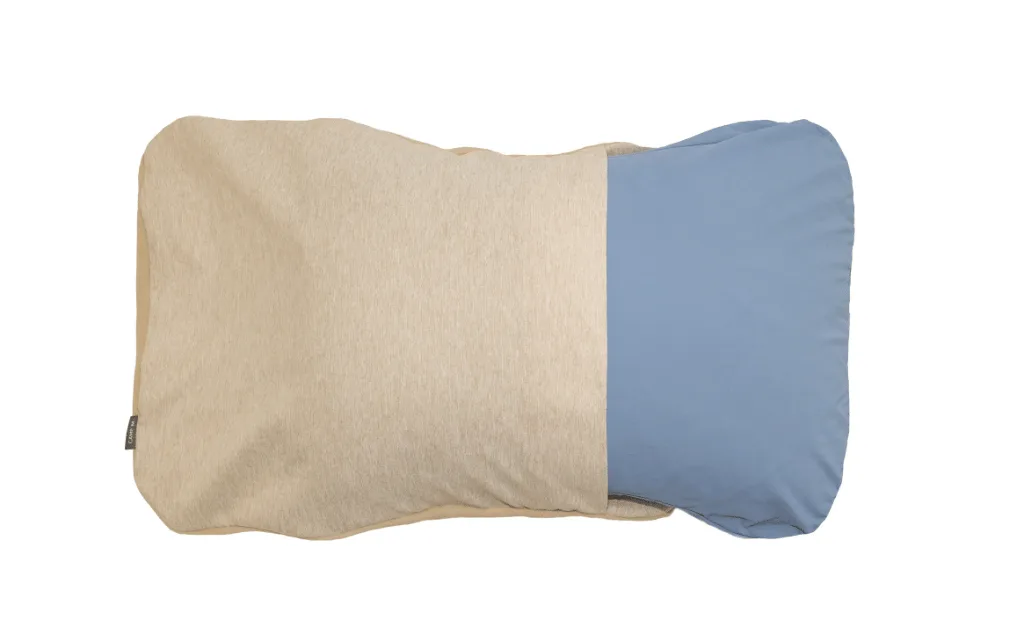
Next, manage condensation. Crack a vent, leave a door flap slightly open, or use a small fan to keep air moving. A breathable sheet or pillowcase over the pad can help absorb surface moisture without trapping it. Avoid non-breathable covers directly against the foam.
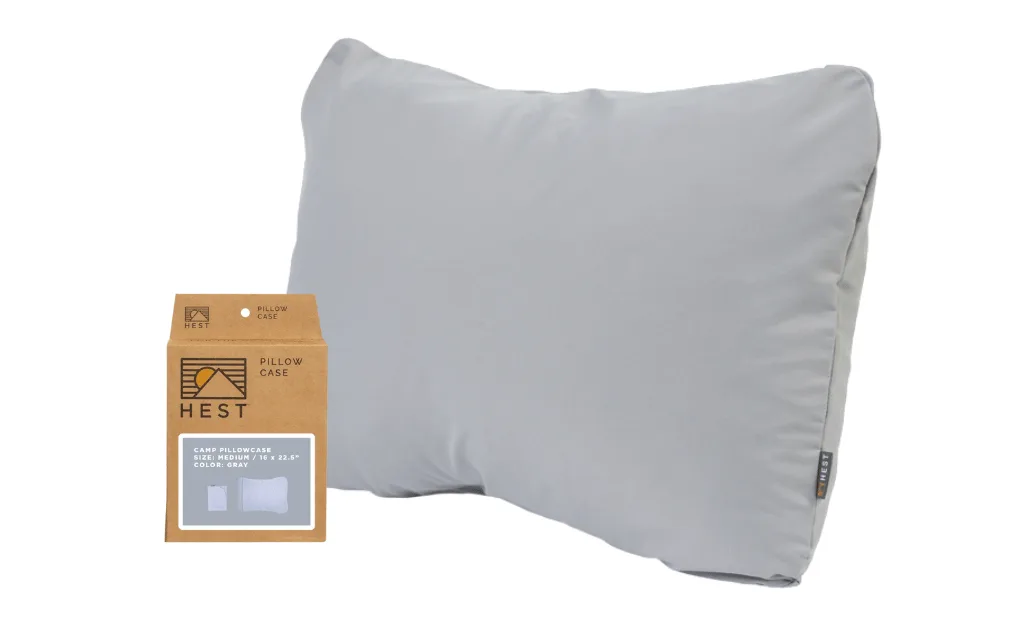
pillowcase
Finally, dry the pad completely after every trip. Set it out in the sun or a well-ventilated room until the foam feels light and dry all the way through. Never pack it damp.
- Use a waterproof barrier under the pad, not over it.
- Ventilate the tent to reduce condensation.
- Dry the pad fully before storage.
When to stop troubleshooting and choose another option
If you've added a waterproof base, improved ventilation, and dried the pad thoroughly, but it still gets damp on every trip, the problem may be your tent's floor or the pad's condition. A tent floor with a hidden leak or a pad with a compromised core won't be fixed by layering alone.
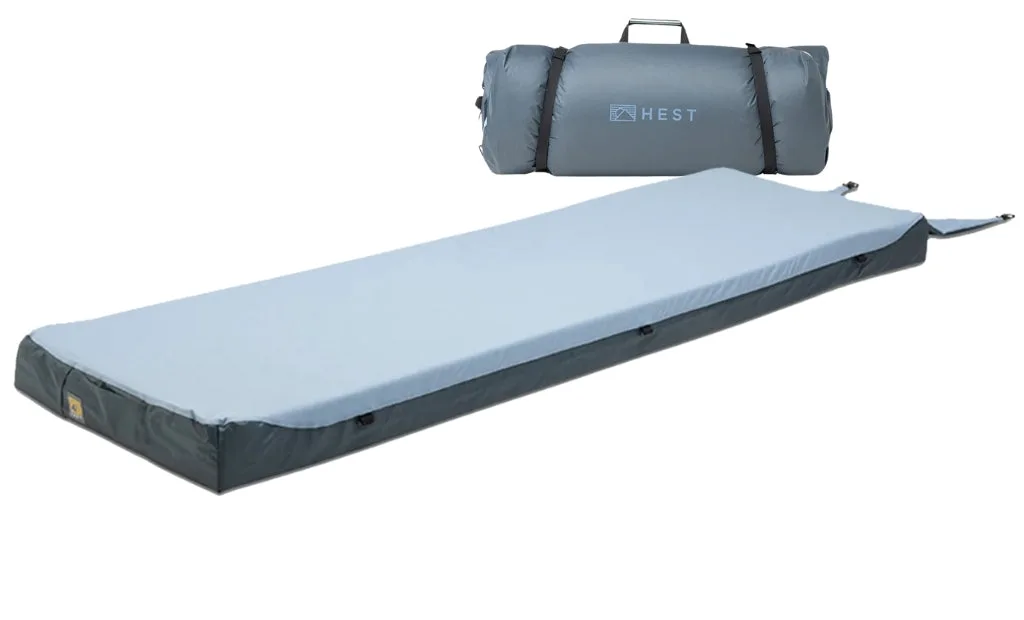
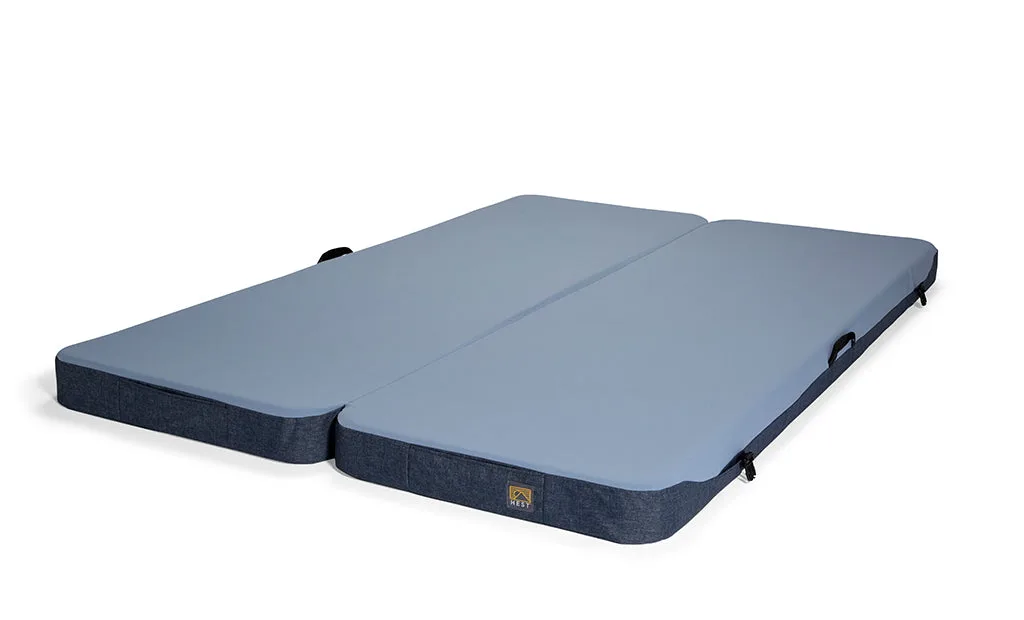
In that case, consider a different sleep system for wet conditions. For example, the foamy-for-r2-478dbb14600a33c419f17eb2-1913178">Foamy For R2 is designed specifically for the Rivian R2 and features a durable waterproof base, which addresses ground moisture directly. If you're camping in persistently wet environments, a pad with an integrated waterproof base may be a better fit than trying to retrofit your current setup.
- Check your tent floor for leaks or worn spots.
- Replace the pad if the foam core stays damp after proper drying.
- Choose a pad with a waterproof base for consistently wet conditions.
Diagnosis: why your pad is wet and what to do
- Bottom of pad is wet: Ground moisture is wicking through the tent floor. Add a waterproof barrier under the pad. If the tent floor is compromised, repair or replace it before your next trip.
- Top of pad is wet: Condensation from your breath and body heat is settling on the surface. Improve ventilation and use a breathable cover. If condensation persists, consider a tent with better airflow.
- Pad is wet through and heavy: The foam core is saturated. Dry the pad completely in a ventilated area before using it again. If the core stays damp after drying, the pad may need to be replaced.
- Pad gets damp on every trip despite fixes: Your current pad or tent may not be suited to wet conditions. A pad with a waterproof base, like the Foamy For R2, addresses ground moisture directly. Stop troubleshooting and switch to a setup designed for wet environments.
HEST gear that helps with moisture
- Foamy For R2: Built with temperature-resilient memory foam and a durable waterproof base, it rolls compact for storage in the frunk and deploys quickly. The waterproof base directly blocks ground moisture, making it a strong choice for wet camping conditions.
- Pillowcase: Made from performance stretch nylon designed to contour and move with your memory foam pillow. A breathable pillowcase can help manage surface moisture on your pillow, though it is not a waterproof barrier.
- Pillowcase Fleece: Features a two-sided design with plush fleece on one side and a smooth, breathable fabric on the other; machine washable. The breathable side can help reduce condensation buildup against your pillow, and it's easy to wash and dry after a damp trip.
A dry pad comes down to blocking moisture from below, managing condensation above, and drying thoroughly between trips. If those steps don't solve it, choose a pad with a waterproof base instead of fighting a losing battle.