If you've invested in quality playing cards, how you store them matters. The right storage keeps cards flat, protected from spills, and easy to grab for game night. But with options like the KEM Collector's Card Tin and standard card boxes, it's not always clear which one fits your needs.
In this comparison, we'll break down the key differences between a collector's tin and a standard card box. We'll look at protection, portability, style, and value so you can decide which storage solution deserves a spot on your shelf.
Why Card Storage Matters
Playing cards are more than just paper—they're tools for entertainment, competition, and social connection. High-quality plastic cards, like those from KEM, are designed to last for years, but they still need proper care. Storing them loosely in a drawer or on a shelf can lead to bent corners, warped edges, or dust buildup.
A dedicated card storage solution protects your investment. It also keeps your game table organized and makes it easy to transport cards to a friend's house or a bridge club meeting. Whether you choose a tin or a box, the goal is the same: keep your cards in pristine condition.
- Bent cards are harder to shuffle and deal, ruining the game experience.
- Proper storage extends the life of your cards, saving you money in the long run.
KEM Collector's Card Tin: A Premium Choice
The KEM Collector's Card Tin is designed for players who want something special. This sturdy metal tin offers a rigid structure that provides excellent protection against crushing and bending. Unlike flimsy paper boxes, a tin can withstand accidental drops and being stacked under other items.
The tin's classic design also adds a touch of elegance to your game collection. It's a great way to store a deck you're proud of, like a KEM Arrow or a KEM Canasta deck. The secure closure keeps dust and moisture out, so your cards stay clean and dry.
- Metal construction offers superior protection against physical damage.
- A stylish option for displaying your favorite decks on a shelf.
Standard Card Box: Practical and Lightweight
Standard card boxes are the traditional choice. They're lightweight, inexpensive, and easy to replace. Many players use them because they're simple and functional. A standard card box fits easily into a bag or drawer, and it takes up minimal space.
However, paperboard boxes offer less protection. They can bend, tear, or get crushed if not handled carefully. They also don't seal tightly, so cards are more exposed to dust and humidity. For casual players who store cards at home, a standard box may be enough. But for frequent travelers or serious collectors, a sturdier option might be worth the extra cost.
- Lightweight and portable, ideal for casual use.
- Less expensive, but offers minimal protection against crushing and moisture.
Protection: Tin vs Box
When it comes to protection, the KEM Collector's Card Tin clearly outperforms a standard card box. The metal shell resists impact, so your cards are safe even if the tin is dropped or knocked off a table. The tight-fitting lid also prevents dust and spills from reaching your cards.
A standard card box, on the other hand, is vulnerable. A single drop can crush a corner, and a spilled drink can ruin the box and the cards inside. If you play in environments where accidents happen, a tin is a safer bet. For example, if you're using a high-end deck like the Kem Arrow Playing Cards: Green/Brown, Bridge Size, Regular Index 2-Deck Set, you'll want the extra protection a tin provides.
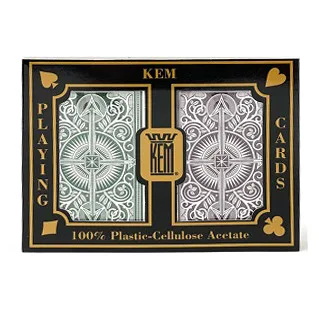
Kem Arrow Playing Cards: Green/Brown, Bridge Size, Regular Index 2-Deck Set
- Tins are more resistant to crushing and bending.
- Boxes are more susceptible to damage from moisture and impact.
Portability and Convenience
Both options are portable, but they differ in convenience. A standard card box is lighter and more compact, making it easy to slip into a pocket or a small purse. It's a no-fuss option for carrying a single deck to a friend's house.
A collector's tin, while slightly heavier, offers a more secure way to carry cards. The sturdy construction means you can toss it into a backpack without worrying about crushing. It also holds the cards more snugly, reducing the chance of them sliding around and getting damaged. For players who carry multiple decks, a tin can also be used to stack decks neatly.
- Boxes are more discreet and easier to carry in a pocket.
- Tins provide better protection during transport in bags or backpacks.
Style and Display
For collectors and enthusiasts, the look of your storage matters. The KEM Collector's Card Tin has a vintage, premium aesthetic that stands out on a shelf. It's a conversation piece and a way to show off your love for the game. Many players enjoy displaying their tins alongside other game accessories.
Standard card boxes are more utilitarian. They often feature the brand's logo and a simple design. While they're not ugly, they don't add much to your game room decor. If you take pride in your collection, a tin is the more attractive option.
- Tins are visually appealing and can be displayed.
- Boxes are functional but less decorative.
Price and Value
Price is a significant factor for many players. Standard card boxes are usually included with the purchase of a deck, so they're essentially free. If you need an extra box, they're inexpensive to buy.
The KEM Collector's Card Tin is a separate purchase, so it costs more upfront. However, it's a durable item that can last for years, protecting multiple decks over time. If you consider the cost of replacing damaged cards, a tin can be a smart investment. For example, if you own a premium deck like the Kem Canasta - Brown, you'll want to protect it well.
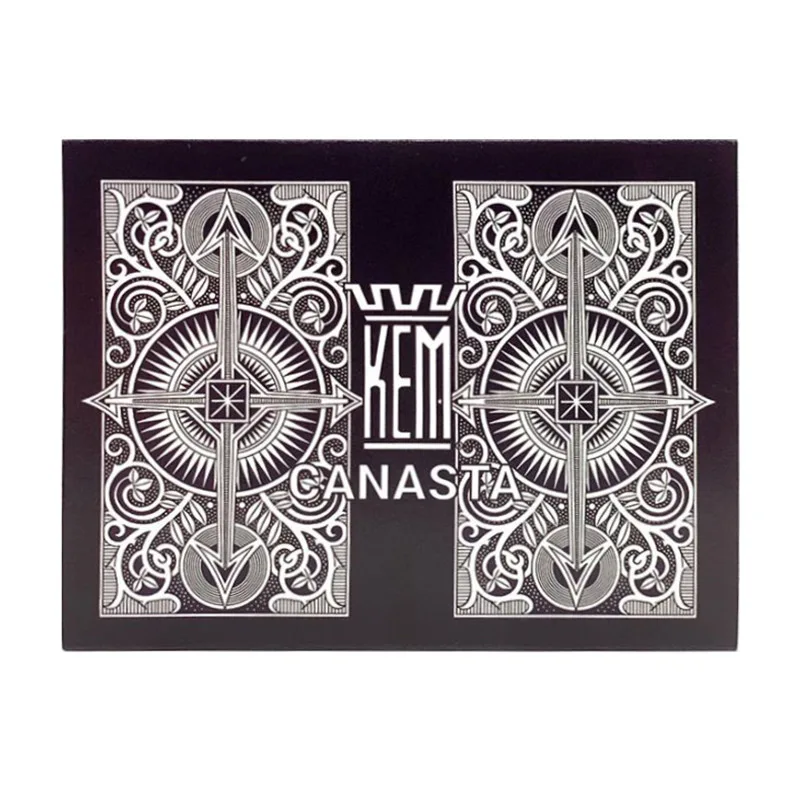
Kem Canasta - Brown
- Boxes are low-cost or free with deck purchases.
- Tins are a one-time investment that can save money in the long run.
In the battle of KEM Collector's Card Tin vs standard card box, the winner depends on your priorities. If you value maximum protection, style, and durability, the collector's tin is the clear choice. If you prefer a lightweight, budget-friendly option for casual play, a standard box works fine. For most serious card players, we recommend upgrading to a tin—it's a small price to pay for peace of mind. Check out the KEM Collector's Card Tin to give your cards the protection they deserve.