Quick answer
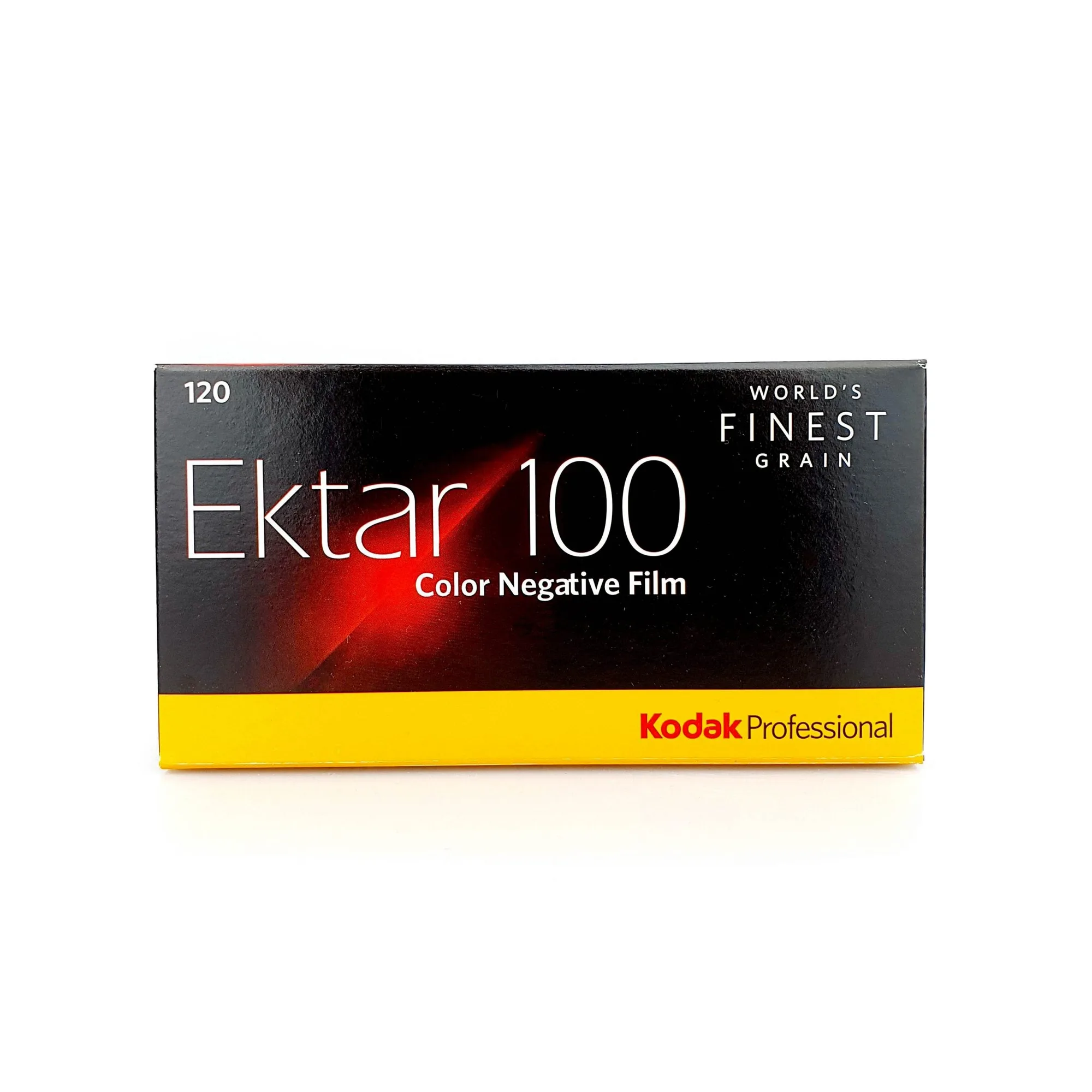
Kodak Ektar 100 in 120 is the colour negative to choose when you want super fine grain, high saturation and accurate rendering of water, nature and big blue skies. It is a 100 ISO daylight-balanced film, so it rewards bright, sunny conditions and steady metering. If you shoot mostly portraits, mixed indoor light or need maximum exposure latitude, a Portra-type film will usually serve you better.
What 100 ISO actually changes in medium format
Ektar 100 is rated at 100 ISO and daylight-balanced, which means it wants light. In 120 format that slow speed is an advantage: the larger negative already suppresses grain, and a slow, fine-grain emulsion pushes detail further. On a bright day you can hold depth of field and still keep shutter speeds workable. In flat or dim light you will be trading shutter speed or aperture, so plan around the sun rather than fighting it.
The payoff is colour that stays clean in large areas of sky, water and foliage. The trade-off is that underexposure punishes saturated colour more than it punishes a forgiving portrait film, so meter for the shadows you care about and let highlights sit where they fall.
Ektar 100 versus Portra for scenery
The comparison photographers reach for most is Ektar against the Portra range. Ektar is the less popular of the two, but it has its own character: finer grain and stronger saturation, with a reputation for reproducing water, nature and big blue skies accurately. Portra films are the usual choice when skin tones and latitude matter more than punch.
For landscape work the decision is usually about light, not loyalty. If your scene is sunlit and you want colour that holds up in a scan, Ektar is the stronger fit. If your scene is overcast, backlit or full of people, Portra-type films give you more room to recover a thin exposure. Neither is wrong; they simply fail in different conditions.
Scan quality and how to get the most from a 120 negative
Ektar's fine grain and saturation are exactly what scanners like, but the film only scans well if the negative is well exposed and cleanly processed. Ask your lab for a flat, neutral scan if you plan to grade yourself, and keep the negative dust-free before it goes in the holder. Saturated colour leaves less headroom for heavy correction, so a slightly conservative exposure usually scans better than a pushed one.
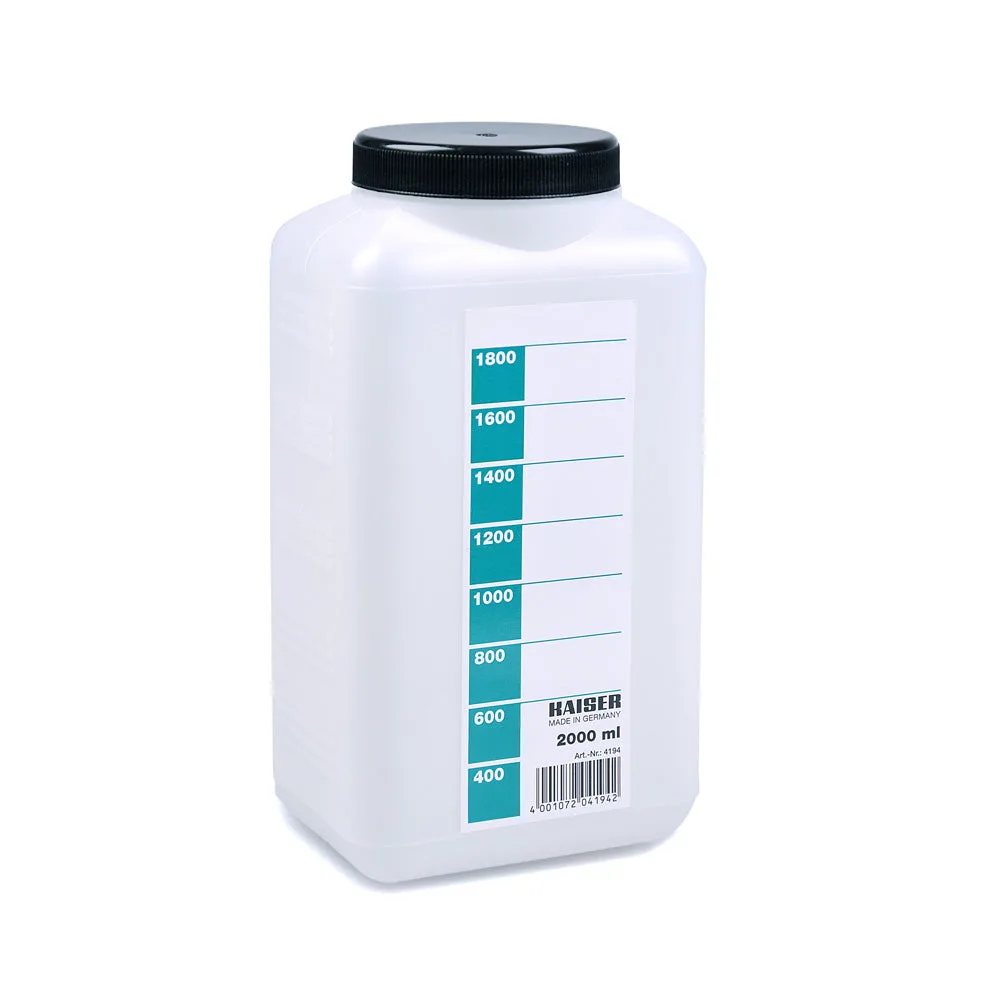
If you develop at home, store mixed chemistry properly between sessions. A dedicated container such as the Kaiser Fototechnik 419 Chemical Storage Bottle, a 2-litre unbreakable polyethylene bottle with a screw cap and blank label, keeps working solutions organised and protected from light and air.
Buying the Pro-Pack without overcommitting
Ektar 100 in 120 is sold as a 5-roll Pro-Pack, which is a sensible way to buy if you already know you like the look or you have a trip coming up. Five rolls is enough to build a consistent body of work across a few bright days, and it keeps your emulsion batch consistent. If you are still deciding between Ektar and a Portra-type film, buy a smaller quantity first and compare scans of the same scene before committing to a pack.
Availability and pricing move around, so check the current listing rather than relying on an old figure. The catalog comparison price is a reference point, not a guarantee.
Decision rules for choosing Ektar 100 in 120
- Bright, sunlit landscapes: Choose Ektar 100 when the forecast is clear and you want saturated colour, fine grain and accurate water, nature and sky rendering. If the light is reliable, Ektar is the sharper colour choice.
- Overcast, mixed or indoor light: Choose a Portra-type film instead when you need exposure latitude and gentler skin tones more than punch. Slow film plus weak light is a compromise, not a style.
- Scanning and grading: Ask for a flat scan and expose conservatively; saturated colour leaves less room for correction than a portrait film. Protect the highlights and grade gently.
- Committing to quantity: Buy the 5-roll Pro-Pack once you know the look suits your work; test with fewer rolls first if you are still comparing. Match the pack size to a real shooting plan.
Product facts
- Kodak Ektar 100 120 Film - 5 rolls Pro-Pack: Kodak Ektar 100 120 Film is supplied as a 5-roll Pro-Pack, rated 100 ISO and daylight-balanced, with super fine grain and beautiful saturation. The 5-roll pack suits a trip or a season of bright-day shooting, while the 100 ISO rating tells you to plan around good light rather than rely on it in dim conditions.
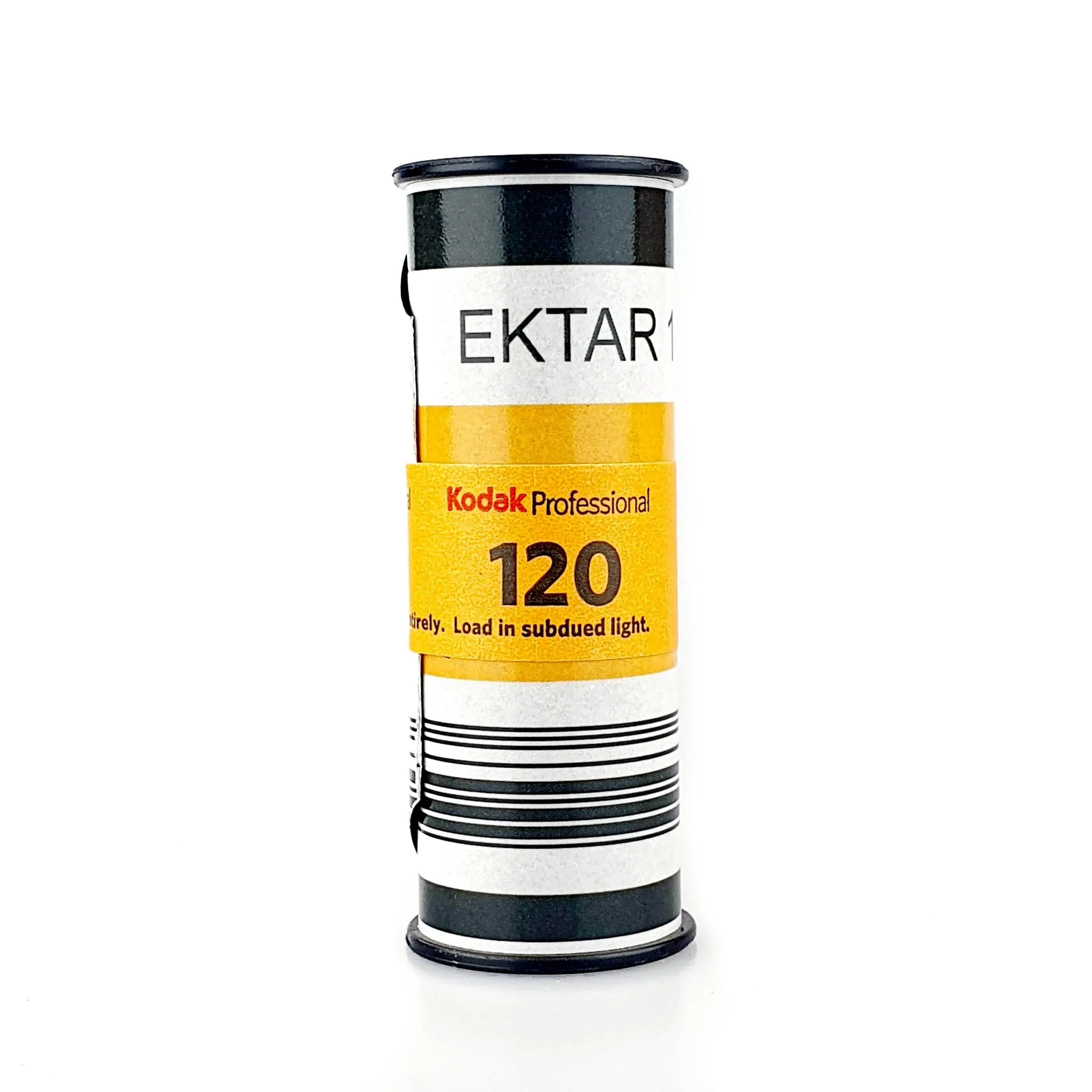
Kodak Ektar 100 120 Film
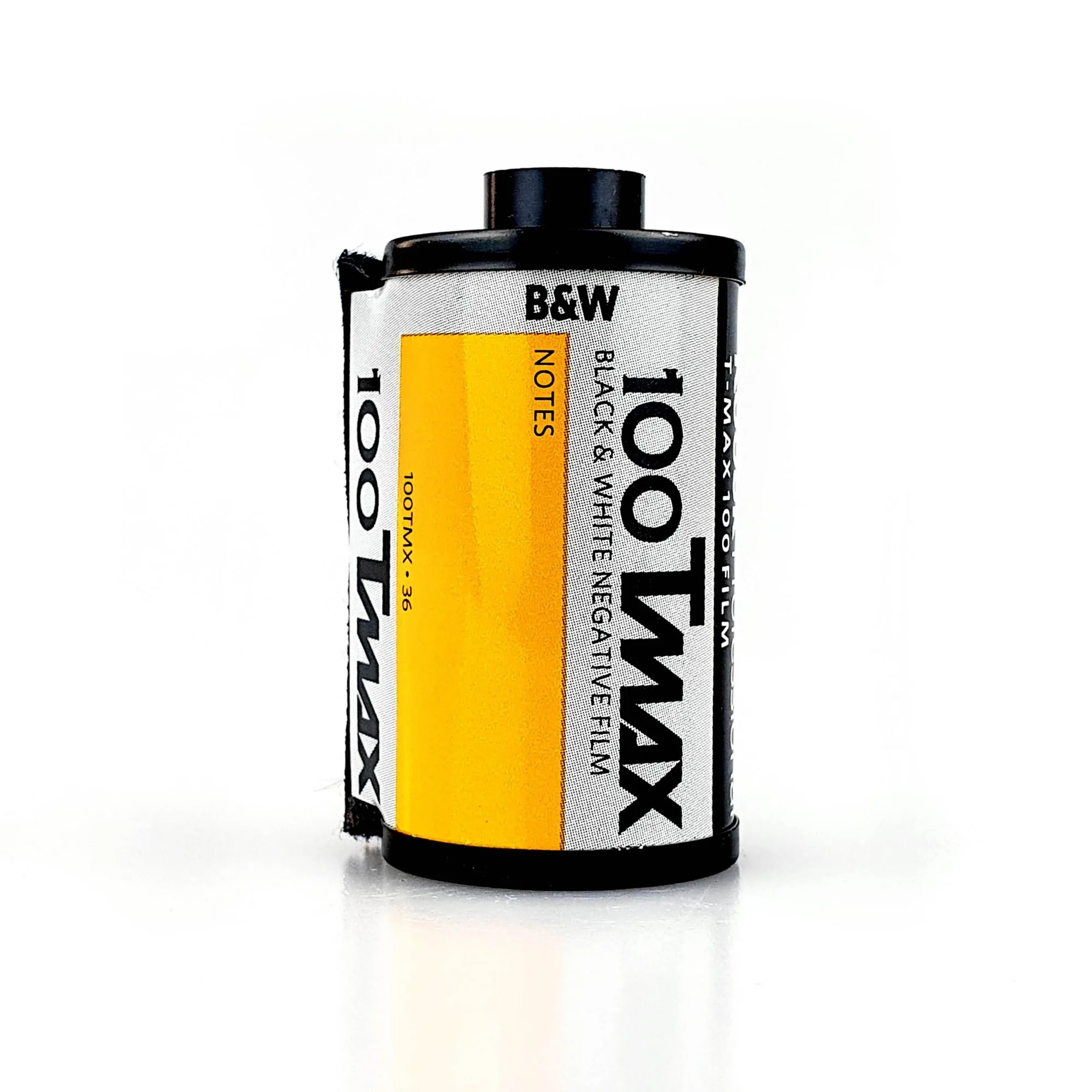
- Kodak T-Max 100 35mm: Kodak T-Max 100 35mm is a panchromatic black and white negative film with a T-GRAIN emulsion, 36 exposures per roll, wide exposure latitude and high sharpness. If you want to test the same scene in black and white alongside your colour work, T-Max 100 gives you a fine-grain, wide-latitude option in a familiar 35mm workflow.
- Kaiser Fototechnik 419 Chemical Storage Bottle - 2 Litre, White: Kaiser Fototechnik 419 Chemical Storage Bottle is a 2-litre, acid-proof polyethylene container with a screw cap and blank label, made in Germany. A labelled, acid-proof bottle keeps your Ektar chemistry organised and safe between sessions, which matters when you are processing several rolls at once.
Who Ektar 100 120 is for
Best for
- Landscape and nature photographers working in bright daylight
- Travellers and street shooters who want fine grain and saturated colour in medium format
- Anyone scanning their own negatives and wanting clean, detailed colour files
Not for
- Portrait photographers who need forgiving skin tones and wide latitude
- Shooters working mainly in overcast, indoor or low light
- Anyone who wants to push film and rely on heavy exposure recovery