Quick answer
Choose Kodak Tri-X 400 for classic grain and exceptional push-processing; pick Kodak EKTAPAN 400 for ultrafine grain and higher sharpness in standard development.
Grain and sharpness: classic vs modern
Tri-X 400 is known for its classic, visible grain that adds texture and character to images. It is a traditional cubic-grain film, which gives it a distinctive look that many street and documentary photographers love.
EKTAPAN 400 uses a T-grain emulsion with tabular silver halide crystals, resulting in ultrafine grain and increased sharpness with more distinct edges. This makes it a cleaner, more modern-looking film, ideal for subjects where detail and smoothness are priorities.
Push processing: flexibility vs consistency
Tri-X 400 is renowned for its wide exposure latitude and responds well to push processing. You can rate it at ISO 800, 1600, or even 3200 with predictable results, making it a go-to for low-light or high-speed shooting.
EKTAPAN 400 is not marketed for push processing and is best exposed at its box speed of ISO 400 for optimal grain and sharpness. Pushing may introduce contrast and grain, but it is not the film's intended strength.
Trade-offs at a glance
- Grain character: Tri-X: classic, visible grain adds texture. EKTAPAN: ultrafine, smooth grain for cleaner images. If grain is part of your style, choose Tri-X. For clean scans, choose EKTAPAN.
- Sharpness: EKTAPAN offers increased sharpness and more distinct edges due to its T-grain emulsion. Tri-X is sharp but with a softer edge. For maximum detail and edge definition, EKTAPAN is the winner.
- Push processing: Tri-X responds well to push processing up to ISO 3200. EKTAPAN is best at ISO 400 and not optimized for pushing. If you shoot in low light or need high speed, Tri-X is the flexible choice.
At a glance: key specs
-
Kodak Tri-X 400 Black and White Negative Film - 35mm Roll Film, 36 Exposures (ISO 400): Kodak's Professional Tri-X 400 is a classic high-speed panchromatic film with fine grain, high sharpness, and wide exposure latitude that responds well to push processing. You can confidently shoot Tri-X in variable lighting and push it to higher ISOs without losing too much quality.
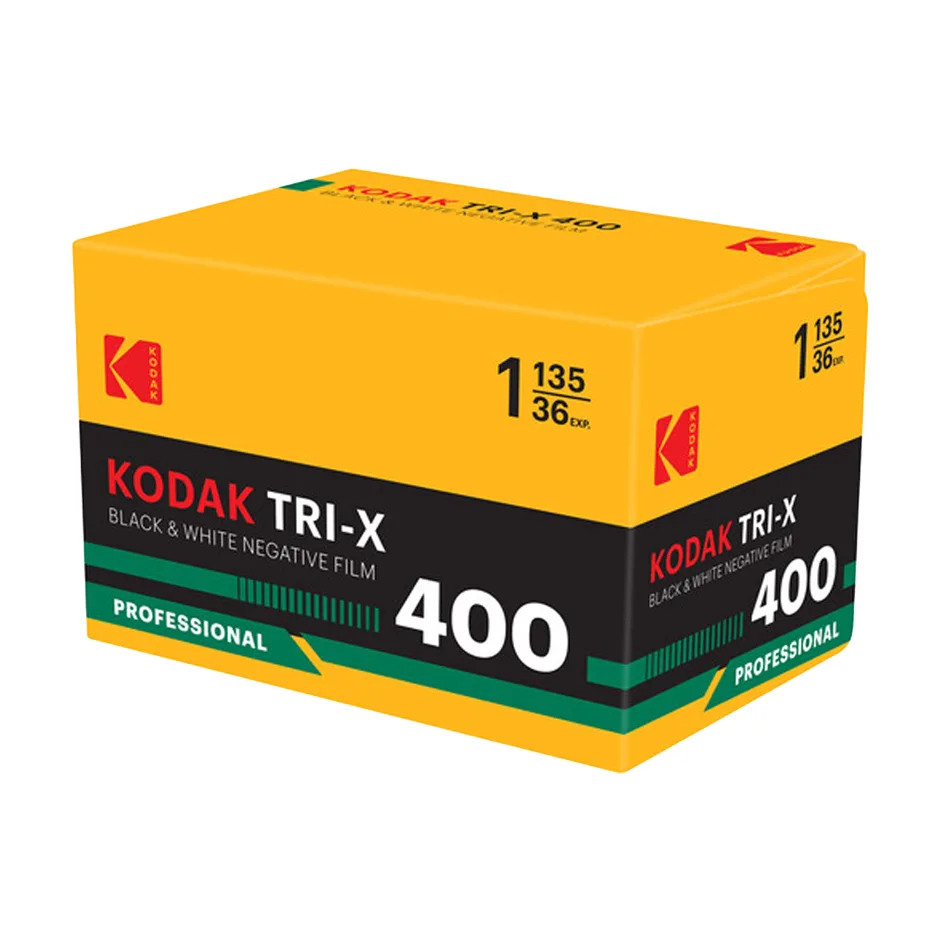
Kodak Tri-X 400 Black and White Negative Film - 35mm Roll Film, 36 Exposures (ISO 400)
-
Kodak EKTAPAN 400 Black and White Negative Film - 120 Roll Film, Single Roll (ISO 400): Kodak Eastman Ektapan 400 exhibits a clean, low-grain appearance with increased sharpness and more distinct edges using T-grain emulsion with tabular silver halide crystals. EKTAPAN delivers a crisp, modern look with minimal grain, perfect for scanning or large prints where detail matters.
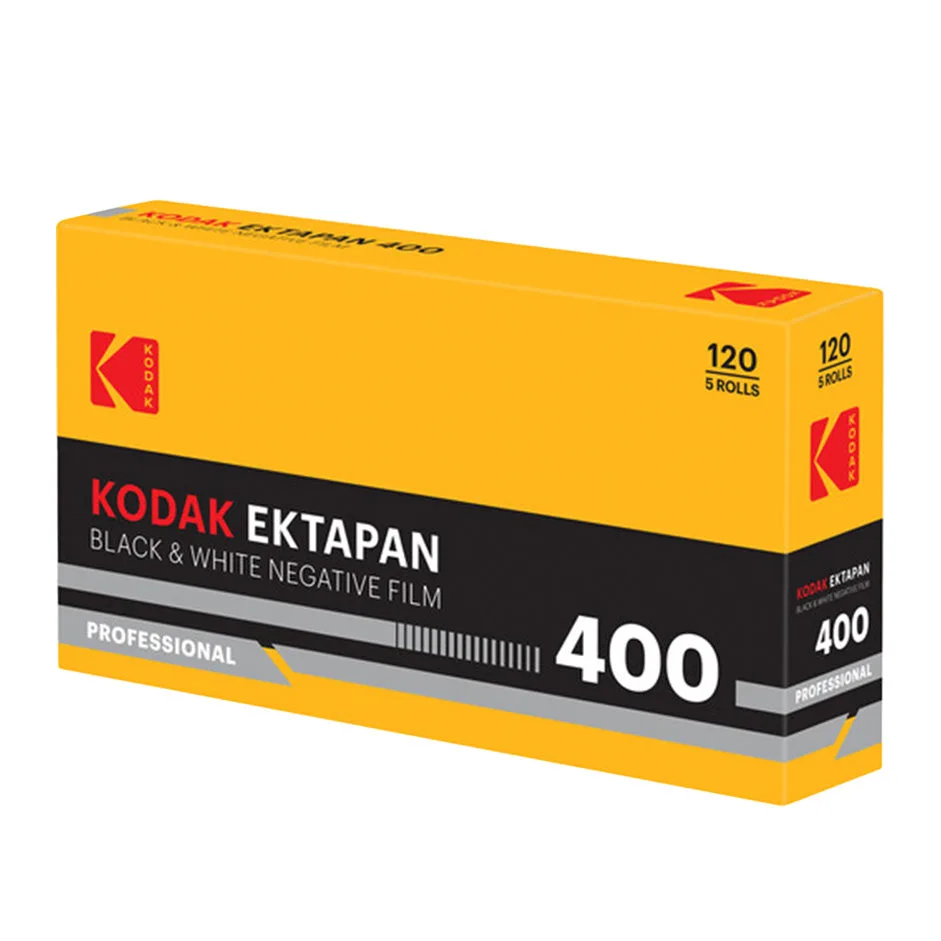
Kodak EKTAPAN 400 Black and White Negative Film - 120 Roll Film, Single Roll (ISO 400)
Which film is for you?
Best for
- Street photographers who want classic grain and push-processing flexibility
- Low-light or high-speed shooting where you need to push film
Not for
- Photographers who want the smoothest, finest grain possible; consider EKTAPAN 400 instead