Quick Answer
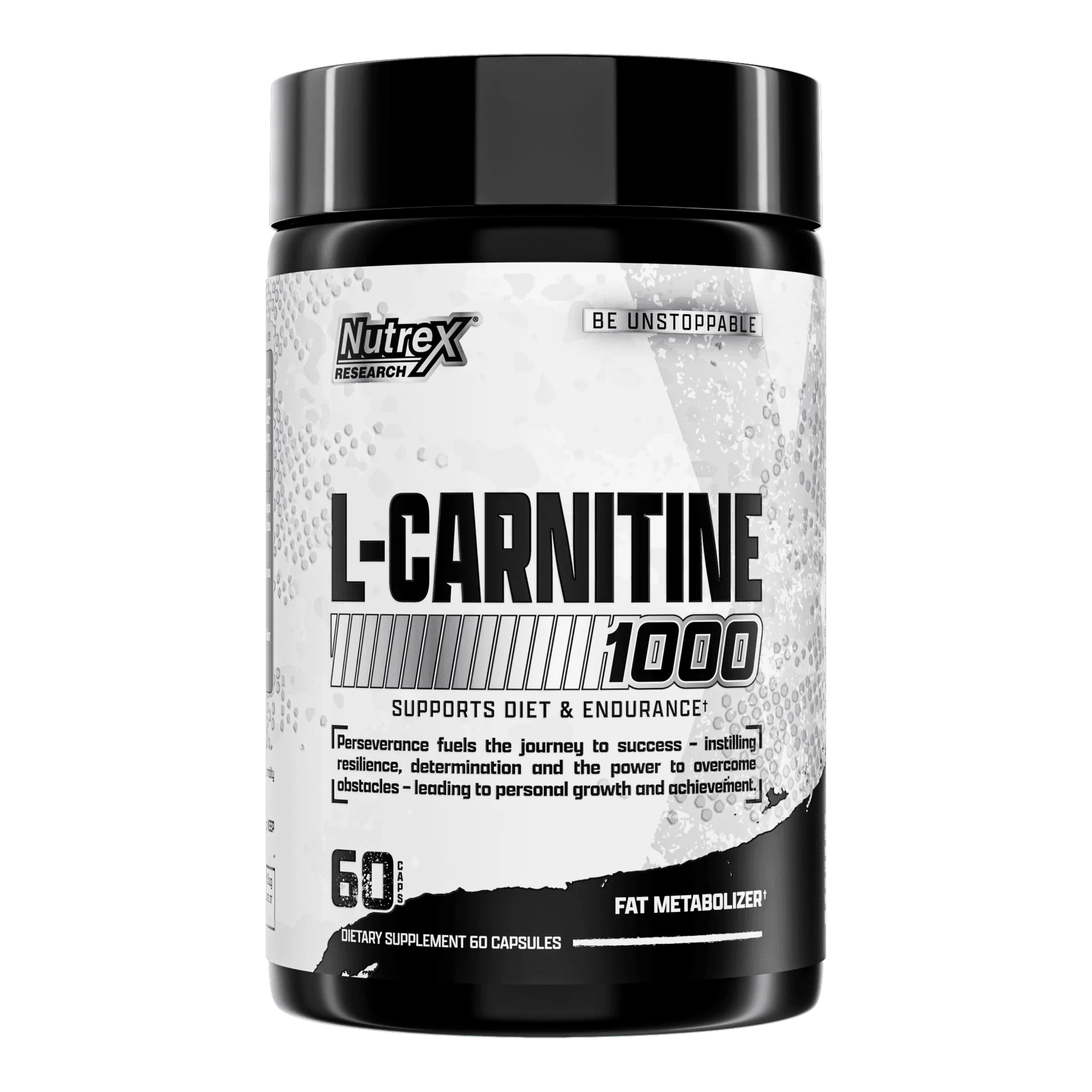
L-Carnitine 1000 helps transport fatty acids into your cells to be burned for energy, making it a practical tool for fat loss when combined with a caloric deficit and regular training. For most people, a single 1000 mg dose taken 30–60 minutes before cardio or a workout is the sweet spot.
Why L-Carnitine Matters for Fat Loss
L-Carnitine is not a stimulant or a thermogenic—it works by shuttling stored fatty acids into the mitochondria of your cells, where they are oxidized for energy. This process, called fat oxidation, becomes especially important during a caloric deficit, when your body is already looking for alternative fuel sources. By boosting the efficiency of this shuttle, L-Carnitine 1000 helps you tap into fat stores more readily during exercise.
One common mistake is expecting L-Carnitine to work like a fat burner that raises your metabolic rate. It doesn’t. Instead, it supports the metabolic machinery that burns fat. If you are not in a caloric deficit or not exercising, the fat-transport effect is largely wasted. Pair it with consistent training and a modest calorie reduction for best results.
How to Take L-Carnitine 1000: Dosage and Timing
The standard dose is one 1000 mg capsule per day. Because L-Carnitine is water-soluble and has a relatively short half-life, timing matters. Take it 30–60 minutes before a cardio session or weight training. This aligns the peak blood level with the period when your muscles are most active and demanding energy, maximizing the fat-burning window.
A frequent checkpoint: do not take L-Carnitine late in the evening unless you are training then. It can be mildly stimulating for some people, and taking it too close to bed might interfere with sleep. If you are doing fasted cardio, take it on an empty stomach—fat oxidation tends to be higher in a fasted state, and L-Carnitine amplifies that effect.
Stacking L-Carnitine 1000 with Other Supplements
L-Carnitine pairs well with a pre-workout that contains L-Arginine, because both support different aspects of performance and recovery. L-Arginine boosts nitric oxide for better blood flow and nutrient delivery, while L-Carnitine focuses on fat utilization. Together they can help you train harder and longer while encouraging fat loss.
If your goal is muscle preservation during a cut, consider adding HMB. HMB is an anti-catabolic compound that reduces muscle protein breakdown, which is especially valuable when you are in a caloric deficit. The combination of L-Carnitine for fat burning and HMB for muscle retention covers both sides of a body recomposition goal.
How to Use L-Carnitine 1000 for Fat Loss: Step-by-Step
- Step 1: Determine Your Daily Dose: Start with one 1000 mg capsule per day. This is the standard effective dose for most adults. If you are new to L-Carnitine, this allows your body to adjust. Common mistake: taking two capsules at once thinking more is better. Excess L-Carnitine is excreted, so stick to 1000 mg unless a healthcare provider advises otherwise.
- Step 2: Time Your Dose Around Training: Take the capsule 30–60 minutes before your workout or cardio session. If you train fasted, take it on an empty stomach for enhanced fat oxidation. Checkpoint: avoid taking it late at night if you are sensitive to mild stimulation. If you train in the evening, take it right before your session.
- Step 3: Pair with a Caloric Deficit and Exercise: L-Carnitine works best when your body is already in a fat-burning state. Combine it with a moderate caloric deficit (300–500 calories below maintenance) and consistent training. Common mistake: expecting L-Carnitine to cause fat loss without diet or exercise. It supports the process but does not replace the need for a calorie deficit.
- Step 4: Monitor and Adjust as Needed: After 2–4 weeks, assess your energy levels during workouts and any changes in body composition. If you feel the effects are diminishing, you can cycle off for a week or two. Checkpoint: if you experience digestive discomfort, try taking the capsule with a small meal rather than on an empty stomach.
Product Facts
- L-Carnitine 1000: L-Carnitine helps transport fatty acids into cells, where they are burned for energy, leading to increased fat oxidation. This process promotes the use of stored fat as fuel, allowing for more efficient calorie burning, especially during training. This means that taking L-Carnitine 1000 before exercise can directly support your fat loss efforts by making stored fat more available as an energy source, rather than relying solely on muscle glycogen.
- L-Carnitine 1000: L-Carnitine’s ability to move fatty acids into cells for energy supports weight loss during a caloric deficit. When you are eating fewer calories, your body naturally turns to fat stores for energy. L-Carnitine ensures that process is as efficient as possible, helping you preserve lean mass while shedding body fat.