Choosing the right collar is one of the most important decisions you'll make for your dog. It's not just about looks—the material affects your dog's comfort, safety, and even training effectiveness. Two of the most popular choices are leather and nylon, each with its own set of advantages and drawbacks. In this guide, we'll compare leather vs nylon dog collars to help you decide which is right for your furry friend.
We'll examine key factors like durability, comfort, maintenance, and style, plus how each material performs in different situations—from everyday walks to rigorous training sessions. By the end, you'll have a clear understanding of what each collar type offers, so you can make an informed choice that suits both you and your dog.
Durability: Which Material Lasts Longer?
When it comes to longevity, leather collars often take the lead. High-quality leather is incredibly strong and can withstand years of daily wear. It also develops a beautiful patina over time, making it look even better as it ages. However, leather requires proper care—it can dry out, crack, or become stiff if not conditioned regularly. Nylon collars, on the other hand, are also durable but in a different way. They are resistant to moisture, mildew, and UV rays, making them ideal for dogs that love water or spend a lot of time outdoors. Yet, nylon can fray, and the edges may wear down over time, especially if your dog pulls a lot.
For active dogs that roughhouse, swim, or play in the mud, a nylon collar might be more practical because it's easy to rinse off and dries quickly. For a more classic, long-lasting look that ages gracefully, leather is hard to beat. Remember, the quality of the material matters more than the type—a well-made nylon collar can outlast a cheap leather one, and vice versa.
- Leather: strong, develops patina, but needs conditioning to prevent cracking.
- Nylon: water-resistant, quick-drying, but can fray over time.
Comfort: What Does Your Dog Prefer?
Comfort is crucial because your dog wears the collar every day. Leather collars are often praised for their softness and flexibility once broken in. They conform to your dog's neck shape, distributing pressure evenly, which is especially beneficial for dogs with sensitive skin or those prone to chafing. However, a new leather collar can be stiff and may require a break-in period. Nylon collars are lightweight and flexible right out of the box, making them a comfortable choice for many dogs. They also come in various widths and padding options, like the Padded Cordura Clip-on Bridge Handle, which adds extra cushioning for dogs that pull or have tracheal issues.
If your dog has allergies or sensitive skin, hypoallergenic nylon might be a safer bet than leather, which can sometimes cause reactions. On the other hand, some dogs find the smooth feel of leather more comfortable than the rough texture of nylon webbing. Ultimately, it's a matter of trial and error—observe your dog's behavior. If they scratch at the collar or try to rub it off, it might not be the right material.
- Leather: softens and molds to the neck, but may need breaking in.
- Nylon: lightweight and flexible, with padded options available.
Style and Versatility: From Everyday to Special Occasions
Leather collars exude a classic, timeless elegance that looks great on any breed. They are perfect for formal occasions, photos, or dogs that serve in professional roles like service or therapy work. Many leather collars also feature handcrafted stitching and hardware that add to their aesthetic appeal. Nylon collars, in contrast, offer a rainbow of colors, patterns, and designs, making them a fun and expressive choice. You can easily swap them to match your dog's mood or your outfit. They're also more versatile for activities like hiking or swimming, where you might not want to subject a premium leather collar to dirt and grime.
For training purposes, some handlers prefer leather because it provides a more traditional feel and a distinct 'snap' when corrected. However, nylon collars are often used in sport training due to their durability and ease of cleaning. If you're looking for a collar that can handle the rigors of protection work or agility, a sturdy nylon collar might be your best bet. For a polished look that transitions seamlessly from a walk in the park to a visit to the vet, leather is a standout choice.
- Leather: classic, professional, ideal for service dogs or formal settings.
- Nylon: colorful, casual, and great for outdoor adventures.
Maintenance and Care: Keeping Your Collar in Top Shape
Maintenance is a practical consideration that can influence your decision. Leather collars require regular care to keep them supple and prevent cracking. You'll need to clean them with a damp cloth and apply leather conditioner every few months. They should also be kept away from excessive moisture and heat, as these can damage the material. Nylon collars are much easier to care for—they can be thrown in the washing machine or hand-washed with mild soap and water. They dry quickly and are generally more resistant to odors and stains, making them ideal for active dogs that get dirty often.
If you're someone who prefers low-maintenance gear, a nylon collar is the clear winner. But if you enjoy the ritual of caring for a quality leather product and appreciate its longevity, leather might be worth the extra effort. Consider your lifestyle and how much time you're willing to spend on upkeep.
- Leather: needs conditioning and protection from water.
- Nylon: machine-washable and quick-drying.
Training and Specialized Needs
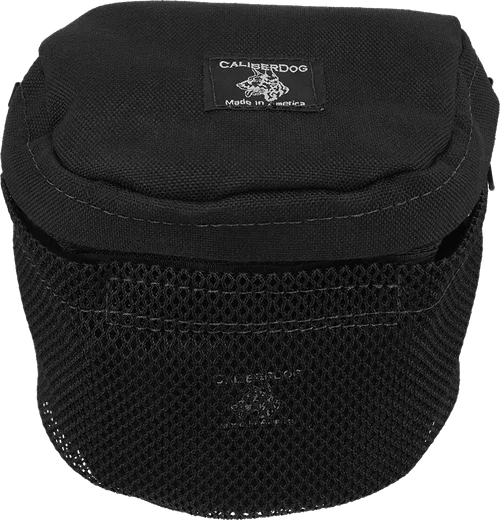
Your dog's training level and specific needs can also guide your choice. For puppies or dogs still learning leash manners, a lightweight nylon collar is often recommended because it's less intimidating and easier to adjust. As your dog matures, you might switch to a more robust leather collar for everyday wear. For working dogs, such as those in search and rescue or police K9 units, specialized collars are essential. The CaliberDog MOLLE Large Utility Pouch Bag is a great example of gear that attaches to a collar or harness, providing extra storage for training tools. Similarly, a sturdy nylon collar with a handle, like the Neoprene Clip-on Bridge Handle, offers additional control during training.
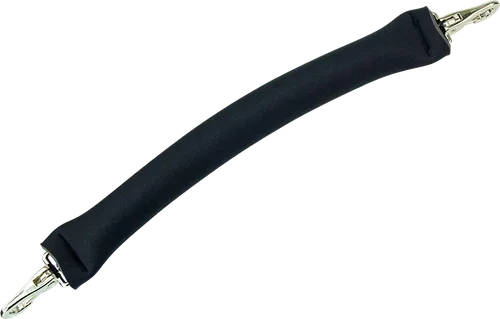
Neoprene Clip-on Bridge Handle
If your dog has a tendency to slip out of collars, a martingale or harness might be more appropriate, but the material still matters. Leather martingale collars are popular for their durability, while nylon ones are lighter and more adjustable. Always consider the specific requirements of your dog's job or activities. For instance, a dog that does agility might benefit from a collar that doesn't snag, and nylon's smoothness could be advantageous.
- Nylon is often preferred for puppies and basic training.
- Leather is favored for professional working dogs due to its durability.
Price and Value: What's in Your Budget?
Price is often a deciding factor. Leather collars are generally more expensive than nylon ones, especially if they're made from high-quality hides and feature premium hardware. However, a well-made leather collar can last for many years, arguably making it a better long-term investment. Nylon collars are more budget-friendly and come in a wide price range, from basic to high-end with added features. You can often find a durable nylon collar at a fraction of the cost of a leather one, which is great if you're on a tight budget or like to change collars frequently.
When comparing costs, think about the value you're getting. A $50 leather collar that lasts five years might be more economical than a $15 nylon collar that needs replacing every year. But if your dog is still growing or tends to chew on things, a cheaper nylon collar might be the smarter choice until they outgrow the habit.
- Leather: higher upfront cost but longer lifespan.
- Nylon: affordable and disposable.
Ultimately, the choice between leather and nylon dog collars comes down to your dog's lifestyle, your preferences, and your budget. Leather offers timeless style and durability, while nylon provides versatility and easy care. Consider your dog's comfort, your maintenance routine, and how the collar will be used. Whichever you choose, make sure it fits properly and is comfortable for your dog. If you're looking for a high-quality option that combines durability with functionality, check out our selection of collars and training gear, like the Padded Cordura Clip-on Bridge Handle, to find the perfect match for your canine companion.