Quick answer
Clean your leather wallet with a barely damp microfiber cloth and mild leather soap, let it dry away from heat, then apply a thin layer of leather conditioner and buff off the excess. Do this every three to six months, and spot-treat scuffs or loose stitching early. The goal is to keep full-grain leather supple without soaking it, because excess moisture and heat are what cause cracking and stretched card slots.
Gather the right supplies before you start
You do not need a full cobbler kit. A soft microfiber cloth, a second dry cloth, a mild leather cleaner or saddle soap, a quality leather conditioner, and a soft horsehair brush cover almost every wallet. Avoid paper towels, which leave lint in stitching, and avoid all-purpose household cleaners, alcohol, and acetone because they strip the oils that keep full-grain leather flexible.
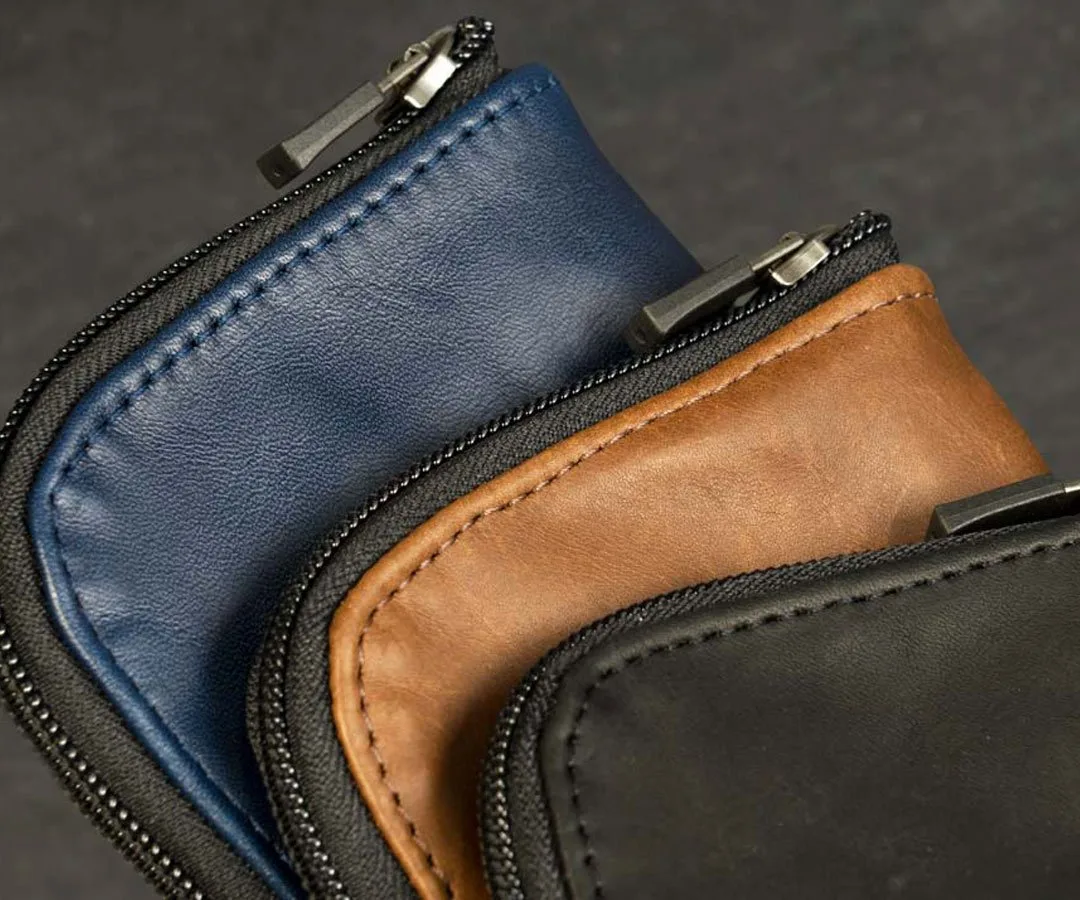
Work over a clean, well-lit surface. Empty every card slot, the bill compartment, and any zippered pocket first. If your wallet has a zipper, like the Finn Wallet, open it fully so the tape and teeth are accessible and no debris stays trapped in the corners.
Clean without soaking the leather
Dampen, do not wet, the microfiber cloth. Wipe the exterior in small circles, then run the cloth along the seams and edges where hand oils and grit collect. For embedded dirt in textured full-grain leather, work a soft brush in light strokes, then wipe again with the damp cloth. Clean the interior card slots with a dry cloth so you do not push moisture into the lining.
If you use a foaming leather cleaner, apply it to the cloth rather than directly to the wallet. Foam sprayed onto the surface can pool in stitching and darken the leather unevenly. Wipe away residue completely before conditioning, because leftover cleaner blocks the conditioner from absorbing.
Dry at room temperature, never with heat
Set the wallet on a dry cloth in a shaded, ventilated spot and let it air-dry. Keep it away from radiators, hair dryers, direct sun, and car dashboards. Heat pulls moisture out too fast and is a leading cause of leather cracking, especially along the fold and the card slot edges where the leather flexes most.
If the wallet feels stiff after drying, that is normal for full-grain leather that has lost surface oils. Move to conditioning rather than adding more water. Never stuff a damp wallet with cards to reshape it; wet leather stretches and will not return to its original slot dimensions.
Condition thinly and let it absorb
Put a pea-sized amount of conditioner on a clean cloth and work it into the leather in thin layers. Pay attention to the fold, the edges, and the card slot openings, which dry out first. Let the wallet sit for 15 to 30 minutes, then buff off any remaining conditioner with a dry cloth. If the surface still feels tacky, you used too much; buff again and wait a few hours before carrying it.
Conditioner is not a protectant against overstuffing. A wallet packed with too many cards will stretch its slots regardless of how well you condition it. Rotate cards seasonally and remove receipts and loyalty cards you do not use daily.
Handle small repairs before they grow
Loose stitching at a corner or a peeling edge is a warning sign. Do not pull the thread; that can unravel more of the seam. Take the wallet to a leather repair shop or cobbler for restitching, and ask them to match the original thread color. For minor scuffs on full-grain leather, a small amount of conditioner and gentle rubbing with a fingertip often blends the mark, because the oils in the leather redistribute.
Deep cracks, torn lining, and broken zippers are not DIY fixes. A zipper replacement on a wallet requires opening the seam, and a home repair with glue or tape usually fails within weeks and can make a professional repair harder. If the wallet is under warranty, contact the maker before attempting anything.
Store it so it keeps its shape
When you are not carrying the wallet, keep it empty or lightly loaded in a dust bag or a drawer away from sunlight. Do not store it compressed under heavy items, and do not wrap it in plastic, which traps moisture and encourages mold. If you live in a humid climate, add a silica gel packet to the drawer and check it monthly.
For daily carry, a slim wallet that is not overfilled will hold its shape far longer than a thick one that is always at capacity. Match the wallet size to what you actually carry, and treat the card slots as a limit rather than a target.
Your leather wallet care routine, step by step
- Empty and dry-brush the wallet: Remove all cards, cash, and receipts. Use a soft horsehair brush or dry microfiber cloth to lift loose grit from seams, card slot edges, and the fold. Checkpoint: if the cloth comes away gritty, brush again before adding any moisture.
- Wipe with a barely damp cloth: Dampen a microfiber cloth with water or a diluted mild leather cleaner, wring it out, and wipe the exterior and interior in small circles. Do not soak the leather or spray cleaner directly onto it. Mistake to avoid: using alcohol, acetone, or household all-purpose cleaner, which strips oils and dulls the finish.
- Air-dry away from heat: Lay the wallet flat on a dry cloth in a shaded, ventilated spot. Keep it off radiators, out of direct sun, and away from hair dryers. Checkpoint: leather should feel dry to the touch but still flexible; if it feels stiff, go to conditioning rather than adding water.
- Apply conditioner in thin layers: Put a pea-sized amount of leather conditioner on a clean cloth and work it into the fold, edges, and card slot openings. Let it absorb for 15 to 30 minutes, then buff off the excess with a dry cloth. Mistake to avoid: over-applying conditioner, which leaves a tacky surface that attracts dirt and can transfer to cards.
- Spot-treat scuffs and loose stitching: Rub minor scuffs with a fingertip and a trace of conditioner to redistribute oils. For loose stitching or a peeling edge, stop pulling the thread and take the wallet to a leather repair shop. Checkpoint: deep cracks, torn lining, or a broken zipper need a professional, not glue or tape.
- Store empty and uncompressed: Keep the wallet in a dust bag or drawer away from sunlight, not under heavy items and not wrapped in plastic. In humid climates, add a silica gel packet and check monthly. Next step: repeat the full clean-and-condition routine every three to six months, or sooner if the leather feels dry.
Full-grain leather care in practice
- Finn Wallet: The Finn Wallet is available in full-grain leather or lightweight Italian textiles, with sizes based on whether you carry cash, credit, a passport, or foreign currency, and options for an iPhone 17 or iPhone 17 Pro naked or in an Apple MagSafe Case. Material choice changes the care routine: full-grain leather needs periodic conditioning, while Italian textile versions generally need spot cleaning only, so pick based on how much maintenance you want.
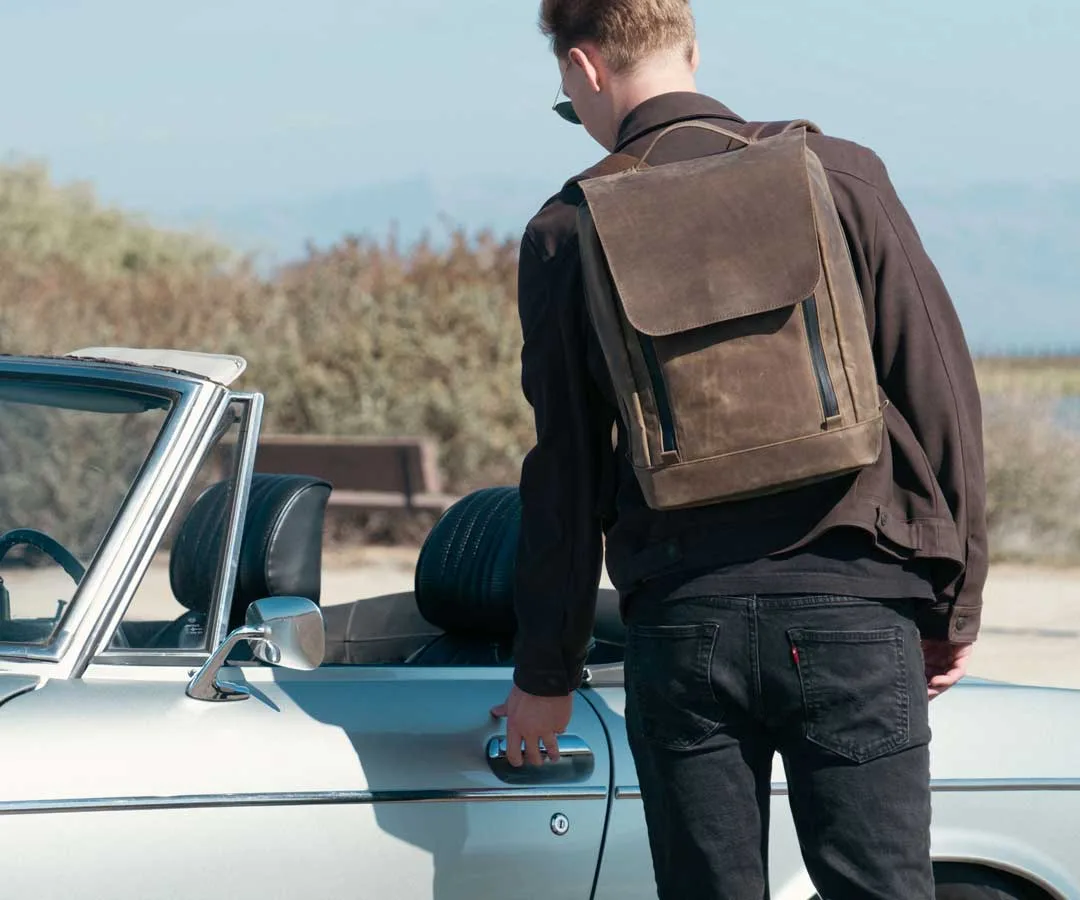
- Bowery Leather Backpack: The Bowery Leather Backpack is made from full-grain leather that develops a patina as it ages, part of an all-leather collection. The same conditioning and drying rules that protect a leather wallet apply to a full-grain leather bag, so you can keep one care kit for both.
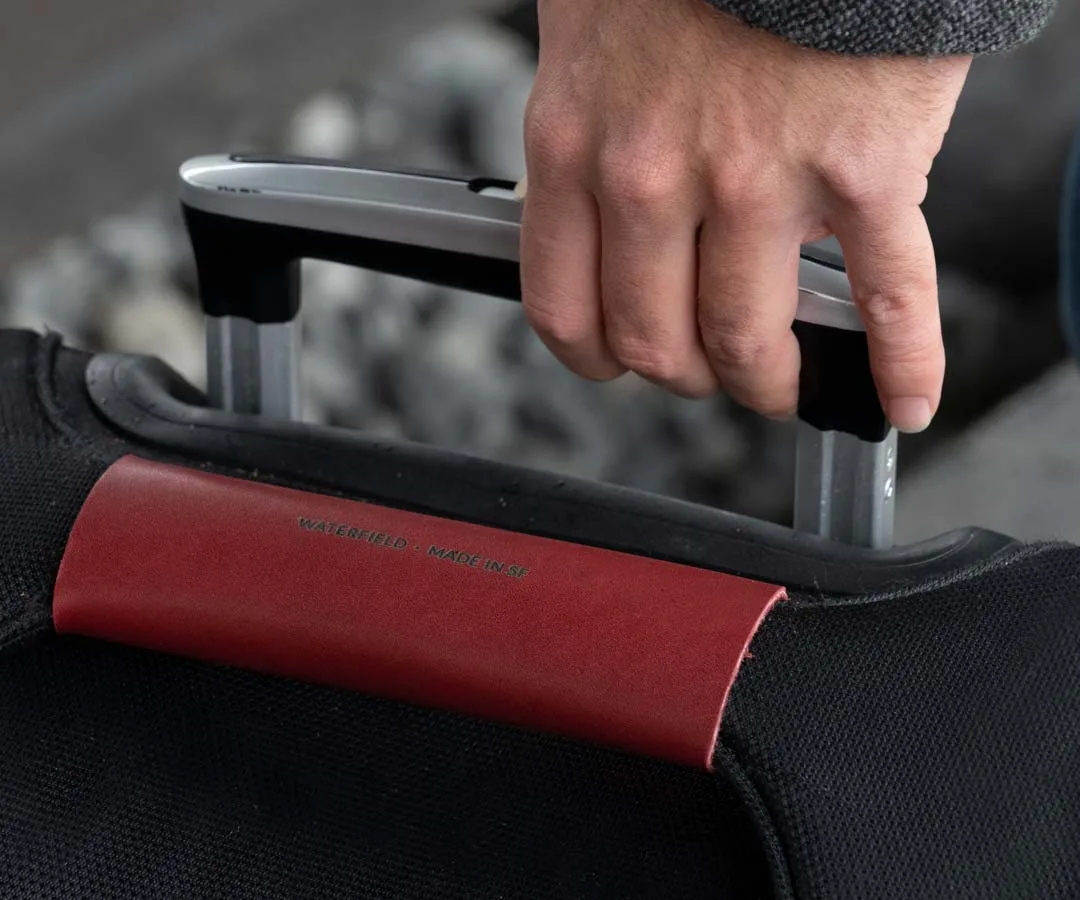
- Leather Luggage Handle Wrap: The Leather Luggage Handle Wrap is made from long-lasting full-grain leather and comes in multiple colors; it folds over a suitcase handle and can also wrap around other bag handles. It is a small, inexpensive way to test how full-grain leather ages and patinas before committing to a larger leather piece, and it benefits from the same occasional conditioning.