Start with the label, then taste
Lemongrass & Ginger Tea is a simple two-ingredient blend, so the brewing variables are few: water temperature, steep time, and how much leaf you use. The catalog directions give you a clear starting point—one teabag per cup, boiling water, and a 3–5 minute steep. From there, your own taste should guide adjustments.
This is a caffeine-free herbal infusion, which makes it a flexible choice for an afternoon or evening cup. The blend contains lemongrass and ginger with no artificial preservatives or colouring, according to the product record.
What the catalog confirms
-
Lemongrass & Ginger Tea: Use 1 teabag per cup in an infuser or teapot. Pour boiling water over tea and steep for 3–5 minutes. Enjoy hot or cold. These are the manufacturer's baseline directions; start here before adjusting strength or serving size.
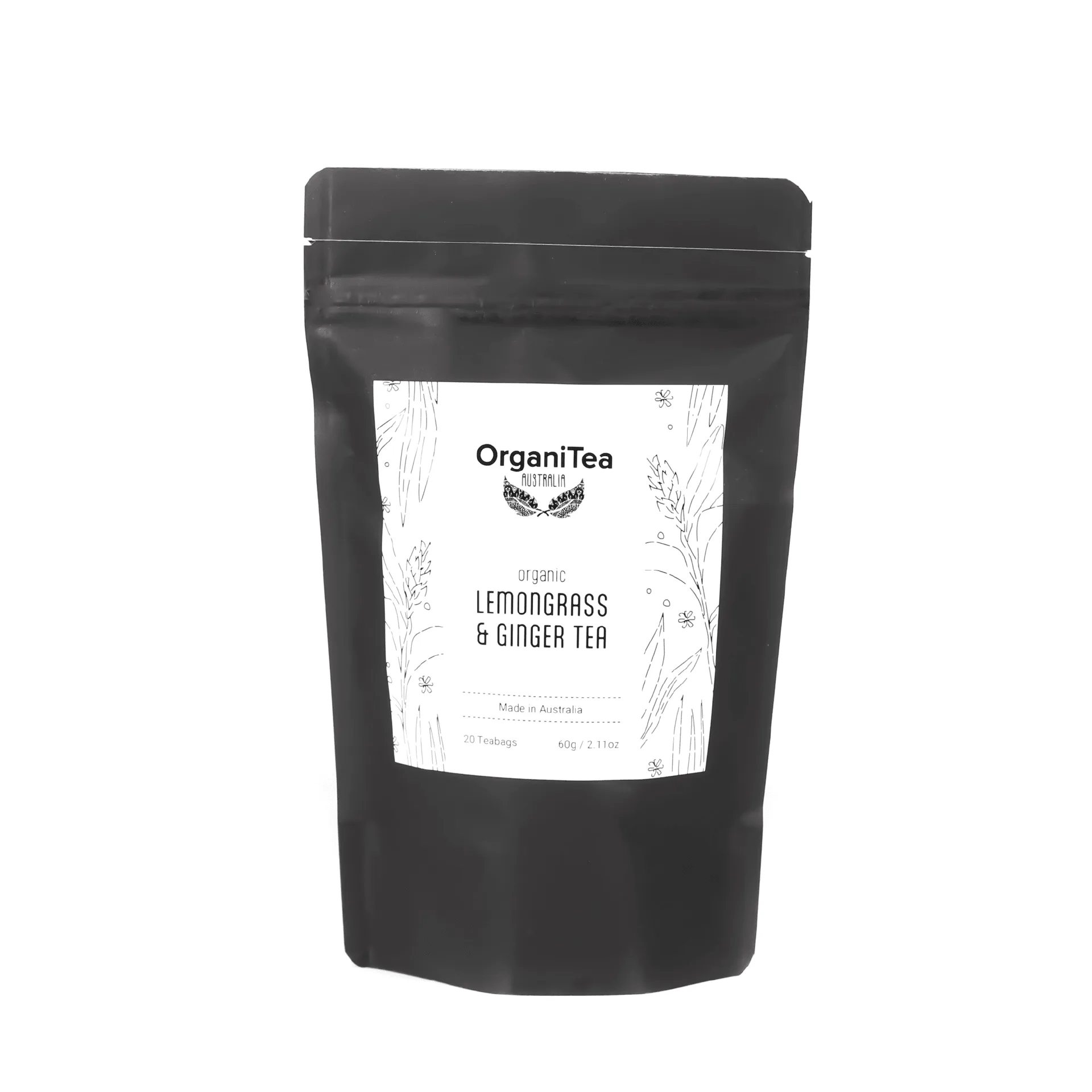
Lemongrass & Ginger Tea
-
Lemongrass & Ginger Tea: Ingredients: Lemongrass, Ginger. NO Artificial Preservatives or Colouring. Knowing the full ingredient list helps you decide whether this blend fits your preferences; the record does not list other ingredients.
How to brew a hot cup
Follow these steps for a reliable cup, then use the strength guidance below to fine-tune.
- Heat fresh water to a boil: The catalog directions specify boiling water, so bring water to a full boil before pouring.
- Place one teabag in your cup or infuser: Use one teabag per cup as directed. If you are brewing in a teapot, scale up one bag per cup.
- Pour and steep for 3–5 minutes: Start your timer when the water hits the tea. Three minutes gives a lighter cup; five minutes gives a fuller extraction.
- Remove the teabag and enjoy: The catalog does not specify removing the bag, but leaving it in will continue to strengthen the cup. Taste as you go.
Adjusting strength without guessing
The 3–5 minute window is your main lever. Here is how to use it deliberately.
- For a lighter, brighter cup: Steep closer to 3 minutes. Lemongrass tends to come forward with shorter steeping, while ginger stays in the background.
- For a punchier ginger note: Steep closer to 5 minutes. Longer contact draws more from the ginger, but the catalog does not specify a maximum steep time, so taste before going further.
- If you want more tea, make more cups: The directions are written per cup. Increasing the number of teabags in the same amount of water is not covered by the label; if you try it, treat it as an experiment and adjust from there.
Cold brewing and iced tea
The product directions say you can enjoy the tea hot or cold, but they do not give a cold-brew method. That means cold brewing is a reasonable interpretation rather than a manufacturer instruction. A practical approach is to start with the same one-bag-per-cup ratio, use cold water, and refrigerate for several hours, then taste. If the flavor is too soft, add a second bag or steep longer. Because the catalog does not specify food-safety limits for cold brewing, keep the tea refrigerated and discard it if it develops an off smell or cloudiness.
Storing herbal tea for fresher cups
The catalog does not provide storage instructions for Lemongrass & Ginger Tea, so there is no official shelf life or best-before guidance to quote. What you can do is protect the dry tea from the usual enemies of flavor: moisture, heat, light, and strong odors. Keep the teabags in an airtight container in a cool, dark cupboard, away from the stove and kettle. If the product arrives in a resealable pouch, press out excess air before closing it. Avoid storing tea above the fridge or in a sunlit shelf.
Because the record does not confirm a shelf life, use your senses as a checkpoint. If the tea smells flat or dusty rather than lemony and spicy, it is past its best. Buy in a quantity you will drink within a reasonable time rather than stockpiling.
Everyday serving notes
- Caffeine-free by ingredient: Lemongrass and ginger are not caffeine-containing ingredients, so this is a caffeine-free lemongrass tea by composition. The catalog does not make a specific caffeine claim, but the ingredient list supports the general point.
- No artificial preservatives or colouring: The record states the blend contains neither, which may matter if you prefer a shorter ingredient list.
- Allergen information is not supplied: The catalog does not list allergen advice or a may-contain statement. If you have a food allergy, check the retail packaging or contact the seller before buying; do not assume the blend is allergen-free.
- Serving size beyond one cup is not specified: The directions are per cup. The record does not give a daily maximum or a recommended number of cups, so treat any limit as a personal decision rather than a label rule.