The Myth: Every Lens Needs a Hood
A common belief among photographers is that a lens hood is a mandatory accessory for every lens you own. The reality is more practical. While a hood can improve image quality and offer physical protection, its necessity depends on your lens design, shooting environment, and personal tolerance for flare and ghosting.
Dedicated lens hoods, like those designed for specific Nikon lenses, are engineered to match the exact angle of view of the lens. This means they block stray light without vignetting. But if you rarely shoot in bright, contrasty conditions or always use a lens with excellent built-in flare resistance, you may not need one on every lens.
When a Hood Makes a Real Difference
The primary purpose of a lens hood is to prevent unwanted stray light from entering the lens. This reduces flare and ghosting, which can wash out contrast and introduce artifacts. The Nikon HB-31, designed for the 17-55mm f/2.8G lens, features a non-glare matte finish on its interior surface to further limit flare. Its petal shape maximizes coverage while minimizing weight and bulk.
A hood also adds a layer of physical protection. Since the end of the lens is extended, you get added protection from accidental impact and the elements. This is especially valuable in crowded events or outdoor shoots where bumps are more likely.
Dedicated Hoods at a Glance
-
Nikon HB-31 Bayonet Lens Hood for 17-55mm Lens: The Nikon HB-31 is specifically designed for the 17-55mm f/2.8G lens. Its petal shape maximizes coverage for minimum weight and area. A dedicated hood ensures no vignetting at any focal length and provides optimal flare protection for that specific lens.
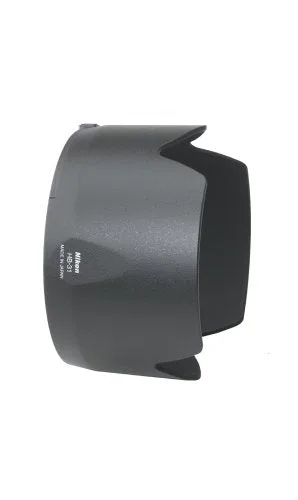
Nikon HB-31 Bayonet Lens Hood for 17-55mm Lens
-
Nikon HN-22 Lens Hood: The Nikon HN-22 is a dedicated lens hood designed to match the specific focal length of its intended lens. Like the HB-31, it prevents stray light and adds impact protection, but its shape and size are tailored to a different lens design.

Nikon HN-22 Lens Hood
When You Can Skip the Hood
If you shoot primarily in controlled lighting—studio strobes, overcast skies, or indoor events with diffused light—flare is less of a concern. Lenses with deep built-in lens barrels or modern multi-coatings also resist flare well. In these cases, a hood adds bulk without a visible benefit.
Another trade-off: a hood can make your camera setup larger and harder to store. The HB-31's bayonet mount allows it to be reversed over the lens for compact storage, but that adds a step when you want to shoot quickly. If you value a compact kit above marginal flare reduction, leaving the hood off is reasonable.
The Verdict: Evaluate Your Lens and Lighting
A lens hood is a tool, not a rule. For lenses you use in bright, contrasty conditions or those with shallow lens barrels, a dedicated hood like the Nikon HB-31 or HN-22 is a worthwhile investment. For lenses with excellent built-in flare resistance or for shooting in controlled light, you can confidently leave it off.
The key is to test your lens with and without the hood in your typical shooting environment. If you see a visible difference in contrast or flare, the hood earns its place in your bag. If not, save the space and weight.