Quick answer
A lens hood and a lens cap protect different things: the hood shades the front element from stray light to reduce glare and flare, while the cap covers the lens when it is not in use to keep off scratches, fingerprints, and dust. You need both, and neither replaces the other.
Why the hood is not a substitute for the cap
A lens hood adds an extra layer of protection to your front lens element, but it does not seal the glass. When the camera hangs at your side or sits in a bag, a cap is what keeps scratches, fingerprints, and the elements off the lens. The hood stays on the lens while you shoot; the cap goes on when you stop.
When a hood matters most
A hood earns its place when your subject is backlit or you are shooting into or near strong light sources. In those situations, stray light can enter the lens and cause glare or flare. A hood acts as a shade (visor) to block that light before it reaches the glass. If you mostly shoot with the light behind you, the hood still helps, but the difference is less obvious.
The trade-off: size and convenience
A hood makes the camera bigger and can block part of the view through an optical viewfinder or cast a shadow with the built-in flash. A cap is small and protects only when the lens is idle. Neither is a burden if you treat them as two tools with two jobs: hood for shooting, cap for storage and transport.
Verdicts on common lens care claims
- A lens hood protects the lens from scratches and dust.: Myth. A hood shades the front element from stray light and adds an extra layer of protection, but it does not cover the glass. Only a lens cap keeps scratches, fingerprints, and dust off when the lens is idle. Keep a cap on the lens whenever you are not actively shooting.
- You only need a lens cap; a hood is optional.: Myth. A cap does nothing for image quality while you shoot. A hood reduces glare and flare by blocking stray light, which matters most when your subject is backlit or you are near strong light sources. Use a hood when shooting toward or near bright light, even if you usually rely on a cap.
- A hood and a cap do the same job, so one is enough.: Myth. They protect different things: the hood manages light and adds a physical buffer while shooting; the cap seals the lens when it is not in use. Using both covers light control and physical protection. Treat them as a pair: hood for shooting, cap for storage and transport.
- A spare lens cap is unnecessary.: Myth. Caps get lost or left in bags. A spare 49mm lens cap in your camera bag means you can keep protecting the lens even if the original goes missing. Add a spare cap in the size your lens uses to your bag.
Products that match these jobs
-
Lens hood 58mm brand new: 58mm tulip flower lens hood that fits Canon, Nikon, Sony, and other mounts. A hood like this reduces glare and flare when you shoot toward strong light, and it adds a layer of protection to the front element while the lens is in use.
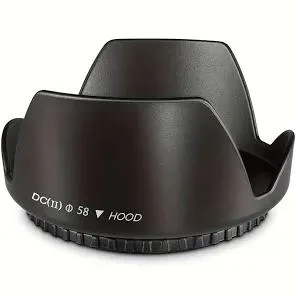
Lens hood 58mm brand new
-
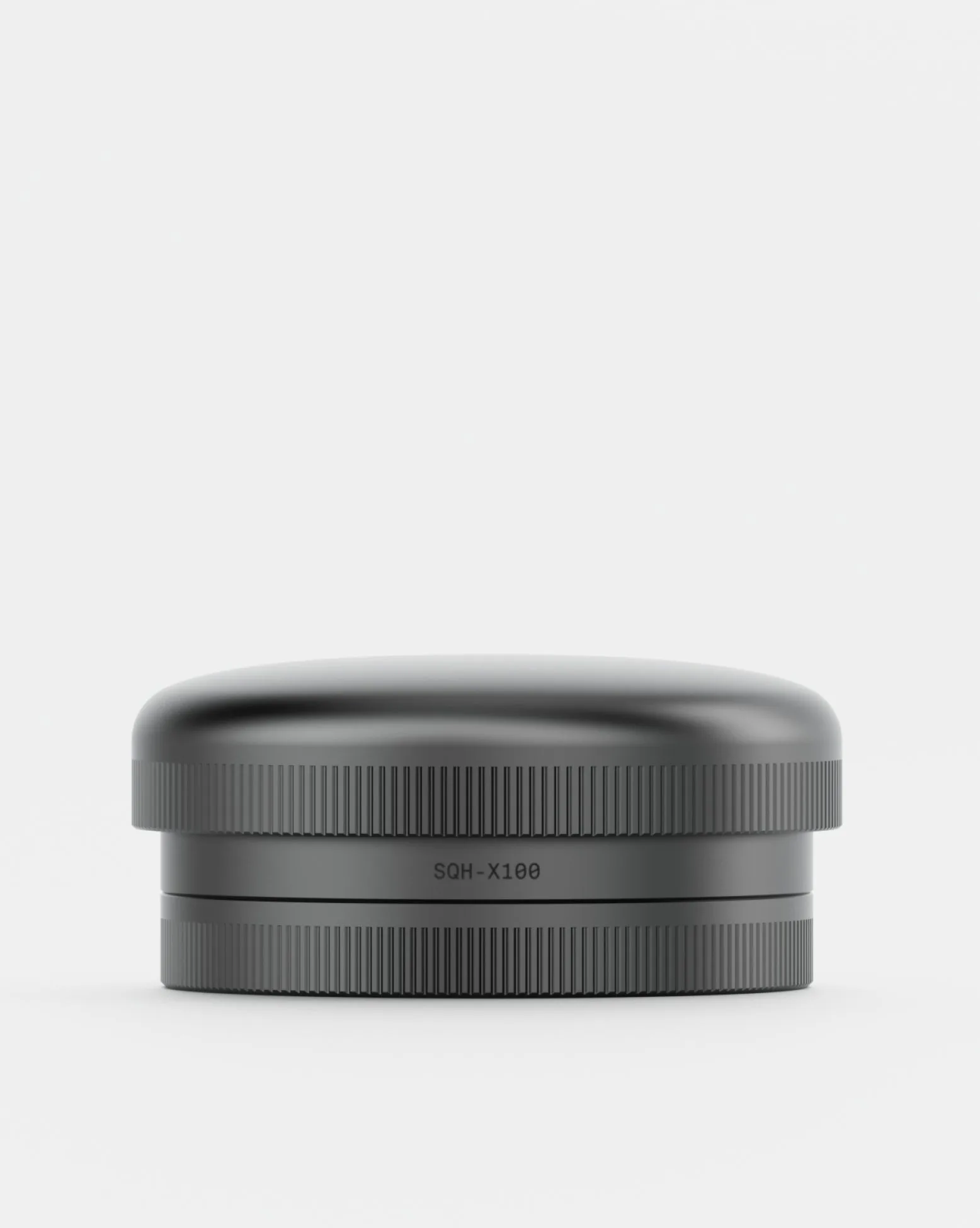
Lens covers 49mm brand new: 49mm lens cap for Canon, Nikon, Fujifilm, Sony, Sigma, Tamron, and others. A cap protects the lens from scratches, fingerprints, and the elements when the lens is not in use, and a spare in your bag means you are never caught without one.
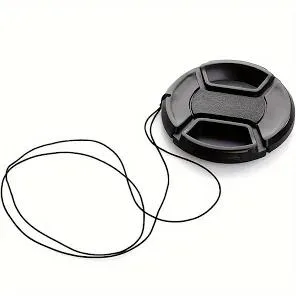
Lens covers 49mm brand new