Quick answer
A mount adapter changes the physical mount so a lens can attach to a different camera body; an optical converter changes the image itself by multiplying or reducing focal length. Buy the adapter when you want your existing lens to behave normally on a new body, and buy a converter only when you need a wider or longer view than the lens gives you. Check the mount, the crop factor, and whether the adapter supports the lens's electronics before you spend.
How a mount adapter differs from an optical converter
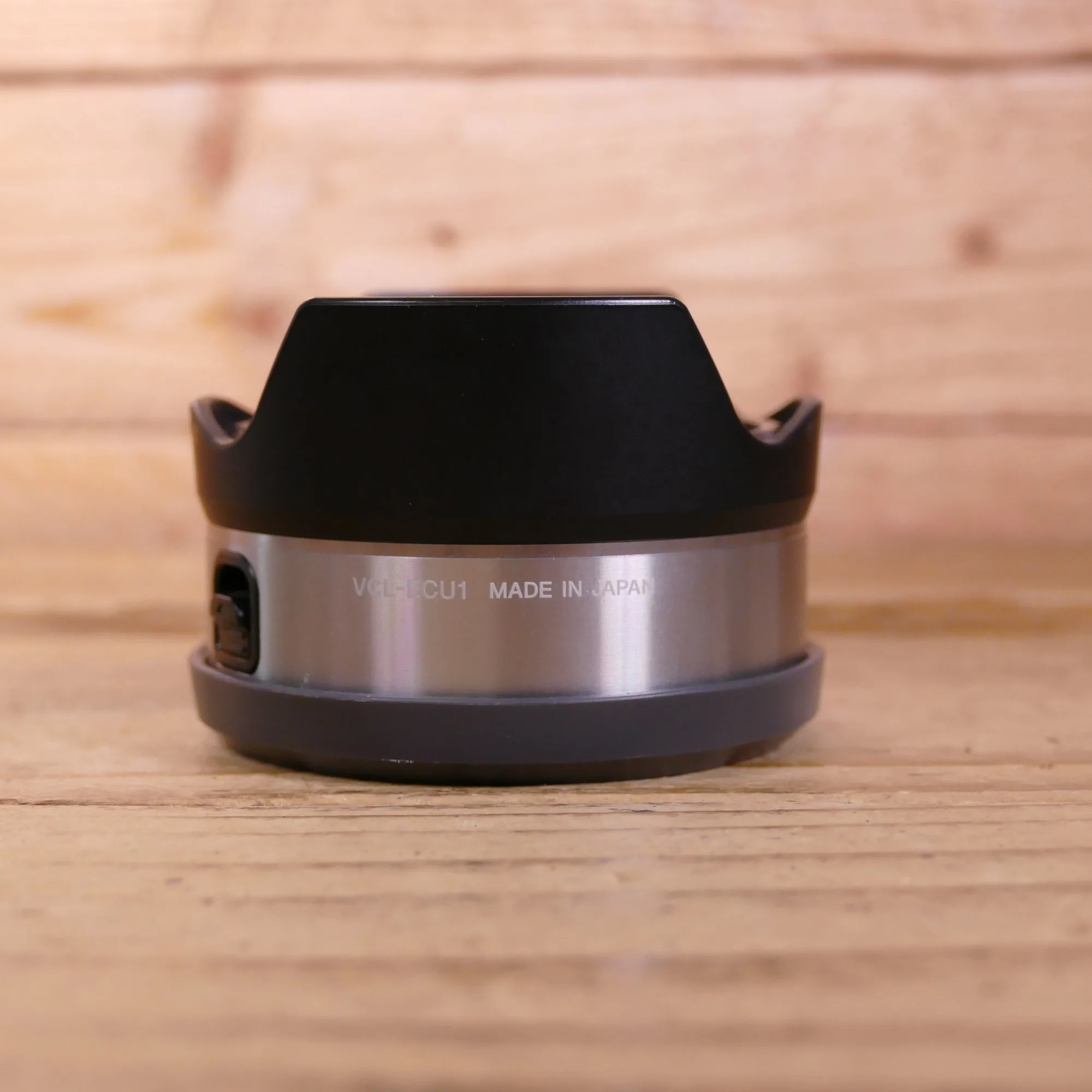
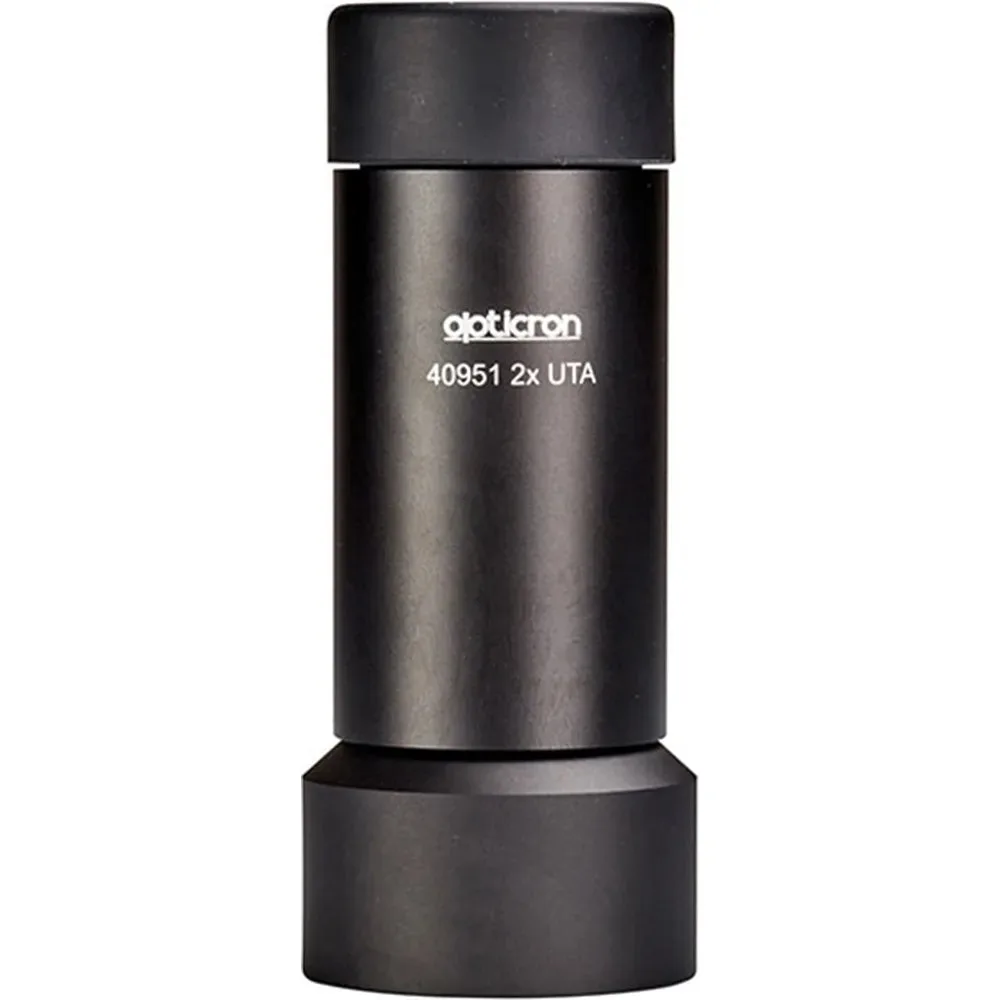
A mount adapter is a mechanical (and sometimes electronic) spacer that matches one lens mount to another camera mount. It does not change the focal length or aperture; it just lets the lens sit at the correct distance from the sensor. An optical converter contains glass elements and does change the image. The Sony VCL-ECU1 Ultra Wide Converter x0.75 is a converter: it reduces the focal length of compatible lenses by 0.75x for a wider field of view. The Opticron Universal Tele-Adapter UTA 2x is also a converter, but it increases magnification by a factor of 2 on an Opticron DBA VHD+ monocular, turning an 8x42 into a 16x42 or a 10x42 into a 20x42. Neither of those is a mount adapter, and neither will let a random lens fit a random body.
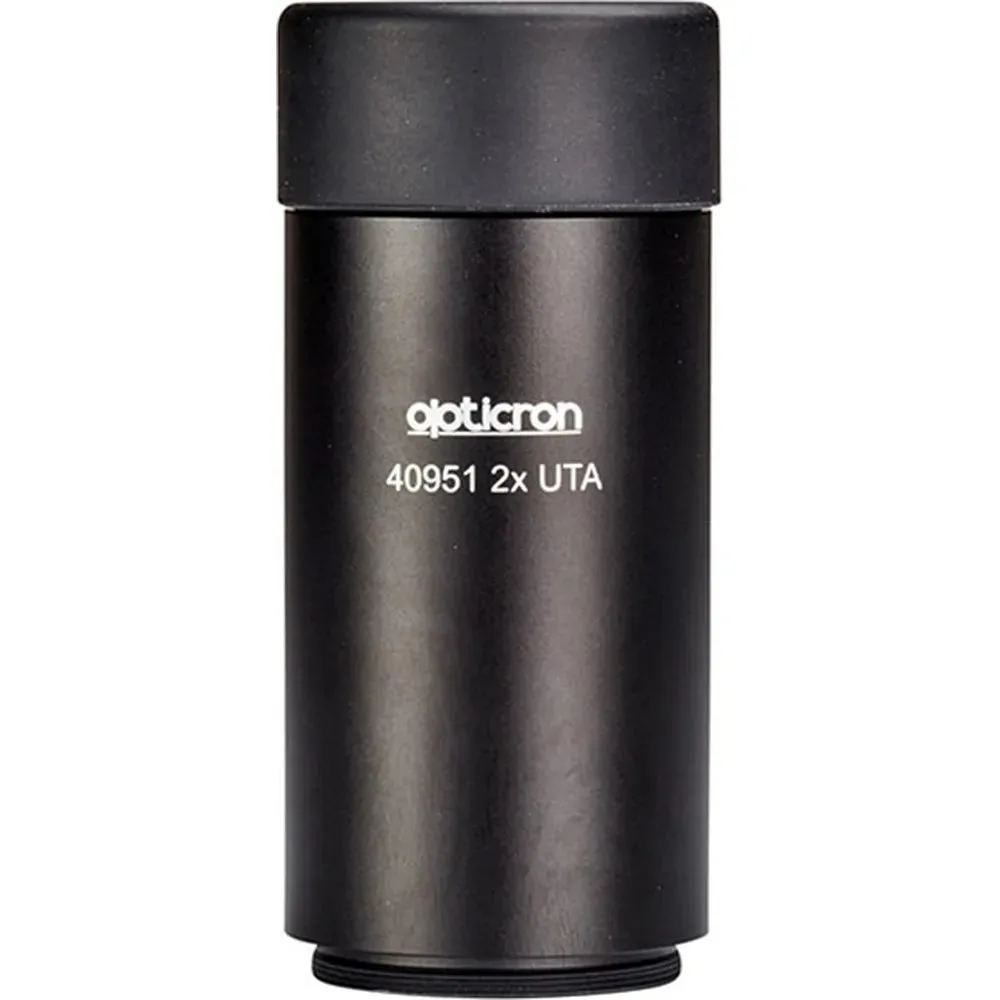
Opticron Universal Tele-Adapter UTA 2x
What to check before buying any adapter
Start with the two mount names: the lens mount and the camera mount. If they match, you do not need an adapter at all. If they differ, you need an adapter made for that specific pair, not a generic one. Next, decide whether you need electronic contacts. A plain metal adapter passes no autofocus, no aperture control, and no image stabilization commands, so you will focus manually and set aperture on the lens if it has a ring. An electronic adapter can pass some or all of those signals, but compatibility varies by brand and firmware, and the product listing should state exactly what is supported.
Crop factor is the second decision. A full-frame lens on an APS-C body gives a narrower angle of view than the lens was designed for, while a medium-format lens on a smaller sensor uses only the center of the image circle. That is not a fault, but it changes how wide your widest lens really is. Finally, check whether the adapter has a tripod foot or is small enough to leave on the lens. A heavy adapted lens hanging off a small body puts stress on the mount, and a support foot removes that stress.
Where adapted glass makes sense in a real kit
Adapting is most useful when you already own a lens you like and want to keep using it on a newer body, or when you want a specific look or focal length that is expensive in the native mount. The Used Fujifilm GF 35-70mm F4.5-5.6 WR Lens is a medium-format zoom with a compact, weather-sealed design, and its 35-70mm range covers useful landscape and general focal lengths. If you are building a GFX kit, that lens is a native option rather than an adapted one, which means no adapter spacing issues and full communication with the body. The Used Nikon Z 40mm F2 Lens is a native Z-mount lens with a fast f/2 aperture and a compact, lightweight design, so it is the simpler choice when you want autofocus and low-light capability without adding an adapter. The adapter conversation is for the lenses you already have, not for these native lenses.
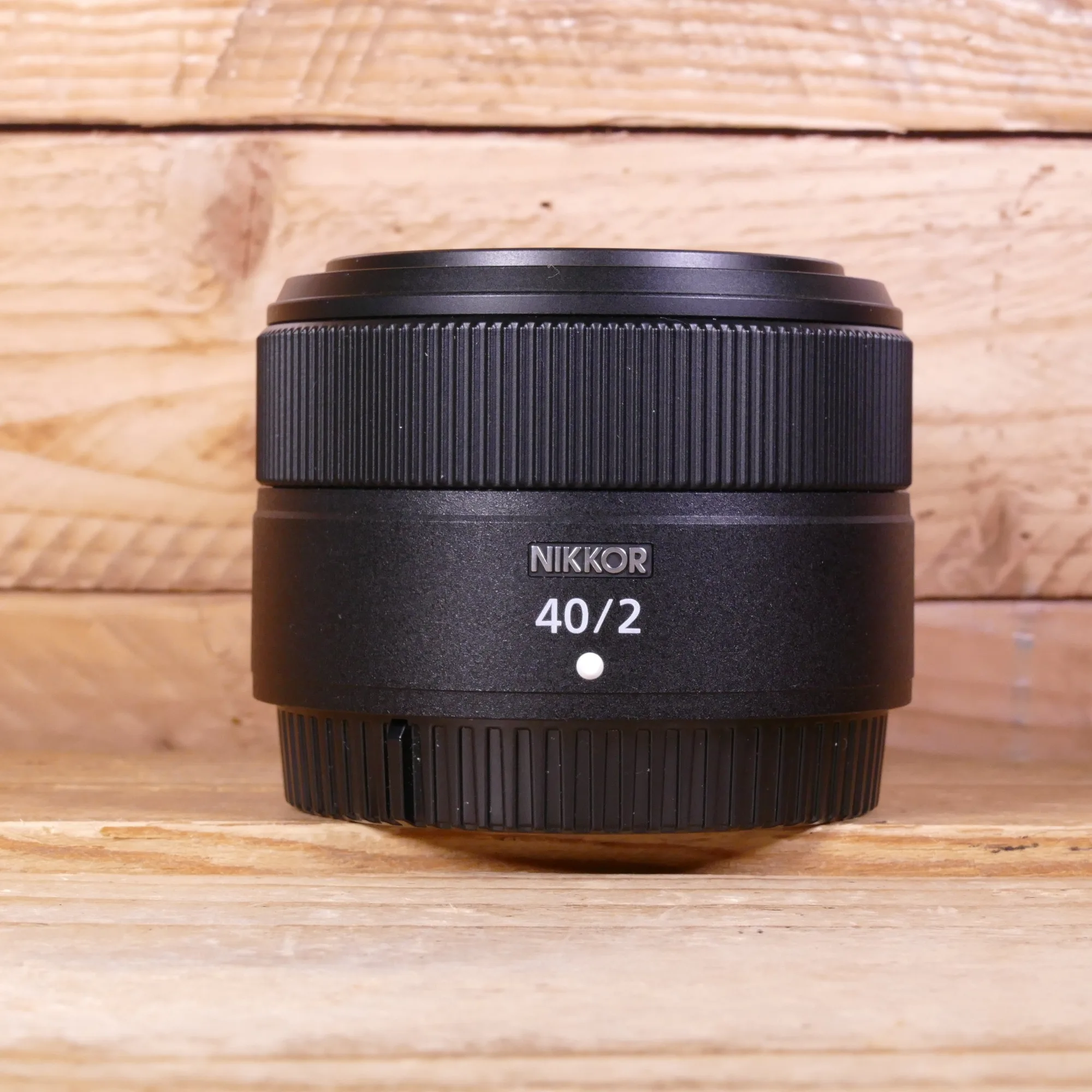
Used Nikon Z 40mm F2 Lens
Trade-offs to weigh before you buy
- Mount adapter vs optical converter: An adapter changes the mount and leaves the optics alone; a converter contains glass and changes focal length or magnification. The Sony VCL-ECU1 widens by 0.75x, and the Opticron UTA 2x doubles magnification on a DBA VHD+ monocular. Choose by what you need to change: the fit, or the view.
- Electronic control vs manual operation: Plain adapters pass no autofocus or aperture signals, so you focus manually and set aperture on the lens. Electronic adapters can pass more, but support depends on the exact lens and body combination. Confirm the supported functions before buying, not after.
- Native lens vs adapted lens: A native lens such as the Used Nikon Z 40mm F2 or the Used Fujifilm GF 35-70mm F4.5-5.6 WR keeps full communication and weather sealing without an adapter. An adapted lens adds a joint, possible crop-factor changes, and possible sealing gaps. Adapt when you already own the lens; buy native when you are starting fresh.
Products that illustrate the choice
- Used Fujifilm GF 35-70mm F4.5-5.6 WR Lens: The Used Fujifilm GF 35-70mm F4.5-5.6 WR Lens offers versatile focal lengths for medium format photography with a compact, weather-sealed construction. If you shoot a GFX body, a native weather-sealed zoom avoids the spacing and sealing compromises of adapting a non-native lens.
- Used Nikon Z 40mm F2 Lens: The used Nikon Z 40mm F2 lens is a compact, lightweight Z-mount lens with a fast f/2 aperture and precise autofocus. A native Z-mount lens keeps autofocus and low-light performance without an adapter, which is the simpler route if you do not already own legacy glass.
- Used Sony VCL-ECU1 Ultra Wide Converter x0.75 Lens: The Sony VCL-ECU1 Ultra Wide Converter reduces the focal length of compatible lenses by 0.75x for a wider field of view. This is an optical converter, not a mount adapter: it changes the image and only works with compatible lenses, so it cannot solve a mount mismatch.
- Opticron Universal Tele-Adapter UTA 2x for DBA VHD+ Monocular: The Opticron Universal Tele-Adapter UTA 2x increases the magnification of an Opticron DBA VHD+ monocular by a factor of 2, converting 8x42 to 16x42 or 10x42 to 20x42. It shows the other kind of converter: magnification changes, not mount changes, and it is specific to the DBA VHD+ monocular.
Who should adapt, and who should not
Best for
- Photographers who already own lenses in another mount and want to keep using them
- Buyers who want a specific focal length or look that is costly in the native mount
- Users willing to focus manually and check compatibility before buying
Not for
- Buyers who need reliable autofocus and full electronic control without research
- Anyone starting fresh who can buy a native lens instead
- Users who need weather sealing at every joint in the chain