Quick answer
Buy limited edition merchandise when you genuinely want the item itself, not when you're betting on resale value. Check three things before checkout: whether the run is actually capped, whether the item fits how you already display or use merch, and whether the price makes sense against comparable open-stock pieces. If any answer is fuzzy, wait.
Limited edition merchandise sells on a simple promise: this run ends, and yours is one of the few. That promise is real for some releases and mostly marketing for others. The difference usually comes down to whether the manufacturer states a number, whether the design is tied to a specific moment, and whether the item is something you'd still want if it were restocked tomorrow.
This guide walks through the decision rules that separate a good limited edition purchase from an impulse buy. The same logic applies whether you're eyeing a plush, a pin, or a tote, and it works even when the only signal you get is a product page and a price.
What "limited edition" actually means in merchandise
In practice, the label covers at least three different situations. First, a numbered run: the maker states a quantity, and when it sells out, it's gone. Second, a timed release: the item is available during a window, and the quantity is whatever sells. Third, a soft-limited item: production stops when demand cools, but nobody promised a number. Only the first two create real merchandise scarcity you can plan around.
That matters because scarcity drives most of the resale premium people imagine. If a run is timed rather than numbered, a restock is possible and the premium usually evaporates. If the product page never states a quantity or an end date, treat the item as open stock with better branding.
- Look for a stated quantity or a hard end date on the product page before assuming scarcity.
- A numbered run with a certificate or edition marker holds value better than a vague 'limited' tag.
- If the listing says nothing about the run size, assume it can be reprinted.
Judge the item first, the label second
The most reliable filter is to ignore the word 'limited' and ask whether you'd buy the item at full price if it were a normal release. A collector's plush that fits your shelf and matches a character you already love passes that test. A pin you'd never wear or display fails it, no matter how short the run.
This is where collectible merchandise gets expensive. Buyers who collect by category, such as enamel pins or plush, tend to be happier than buyers who chase whatever is currently scarce. A defined collection has a natural stopping point; a scarcity-driven one never does.
- Name where the item will live in your space before you buy it.
- Prefer designs tied to a specific character, scene, or event over generic limited branding.
- If you can't describe why you want it beyond 'it might sell out,' skip it.
Price, comparison pricing, and what a discount tells you
A limited edition guide would be incomplete without talking about price. Comparison pricing is useful, but only when you know what the comparison refers to. A catalog comparison price is a reference point, not proof that the item was ever sold at that number. Judge the asking price against similar items you can actually buy today.
Small accessories often carry the widest gap between list price and sale price, which makes them easy to overpay for during a hype moment. Larger items like plush or bags usually have a narrower gap because material costs set a floor. When a limited pin and a limited plush are both discounted, the plush is usually the better value per dollar of shelf presence.
- Compare against currently available items, not against a crossed-out number alone.
- Accessories have the most volatile pricing; treat deep discounts as a signal the run wasn't as scarce as advertised.
- If the price only makes sense because you expect to resell, it's a speculation, not a purchase.
How to store and display limited pieces without regret
Limited items are only worth keeping if they survive. Pins scratch when they rub against each other, plush collects dust and loses shape when squashed, and paper goods fade in direct sun. A little planning protects both the item and your ability to enjoy it now rather than keeping it boxed forever.
The practical rule: display what you love, store the duplicate. If you bought two of something hoping one appreciates, keep the spare in its original packaging, flat and out of sunlight, and accept that you may never sell it. Most limited merchandise does not appreciate, and that's fine.
- Keep pins on a backing board or in a binder page rather than loose in a drawer.
- Rotate plush on a shelf instead of stacking them, so they hold their shape.
- Store spares flat, dry, and away from direct sun.
Decision rules for limited edition buys
- Rule 1: Confirm the run is actually capped: Check whether the listing states a quantity or an end date. If neither appears, treat it as open stock and buy on the item's merits alone. No stated cap means no scarcity premium. Pay accordingly.
- Rule 2: Buy the item, not the label: Ask whether you'd want it at full price as a normal release. If the answer is no, the limited tag is doing all the work. A yes here is the strongest signal you'll get.
- Rule 3: Match the piece to an existing collection: Limited merchandise is easiest to justify when it fills a specific gap, such as a character you already collect or a category you already display. If it starts a new collection, budget for the next five purchases too.
- Rule 4: Compare price against what's buyable today: Use catalog comparison prices as context, not proof. Check similar in-stock items before deciding the limited price is fair. A discount on a large item usually beats a discount on a small one.
- Rule 5: Plan storage before checkout: Decide where the item goes and how it will be protected from scratches, dust, or sunlight. If you have no answer, you're buying to store, not to enjoy. Displayable and storable are different purchases.
Product facts worth knowing
- Doki Doki Literature Club - Yuri Collector's Plush: Official Doki Doki Literature Club Yuri Collector's Plush, catalog priced at USD 20.00 with a catalog comparison price of USD 39.99. The gap between the catalog price and comparison price makes this a low-risk entry point if you already collect DDLC plush, since you're paying closer to accessory money for a larger display piece.
- Persona 5 Royal - Ryuji Sakamoto Collector's Plush: Official Persona 5 Ryuji Sakamoto Collector's Plush, licensed by ATLUS and SEGA, catalog priced at USD 20.00 with a catalog comparison price of USD 39.99. Licensed plush from a major franchise tends to hold its place in a collection longer than unlicensed novelty items, and the same price structure applies here.
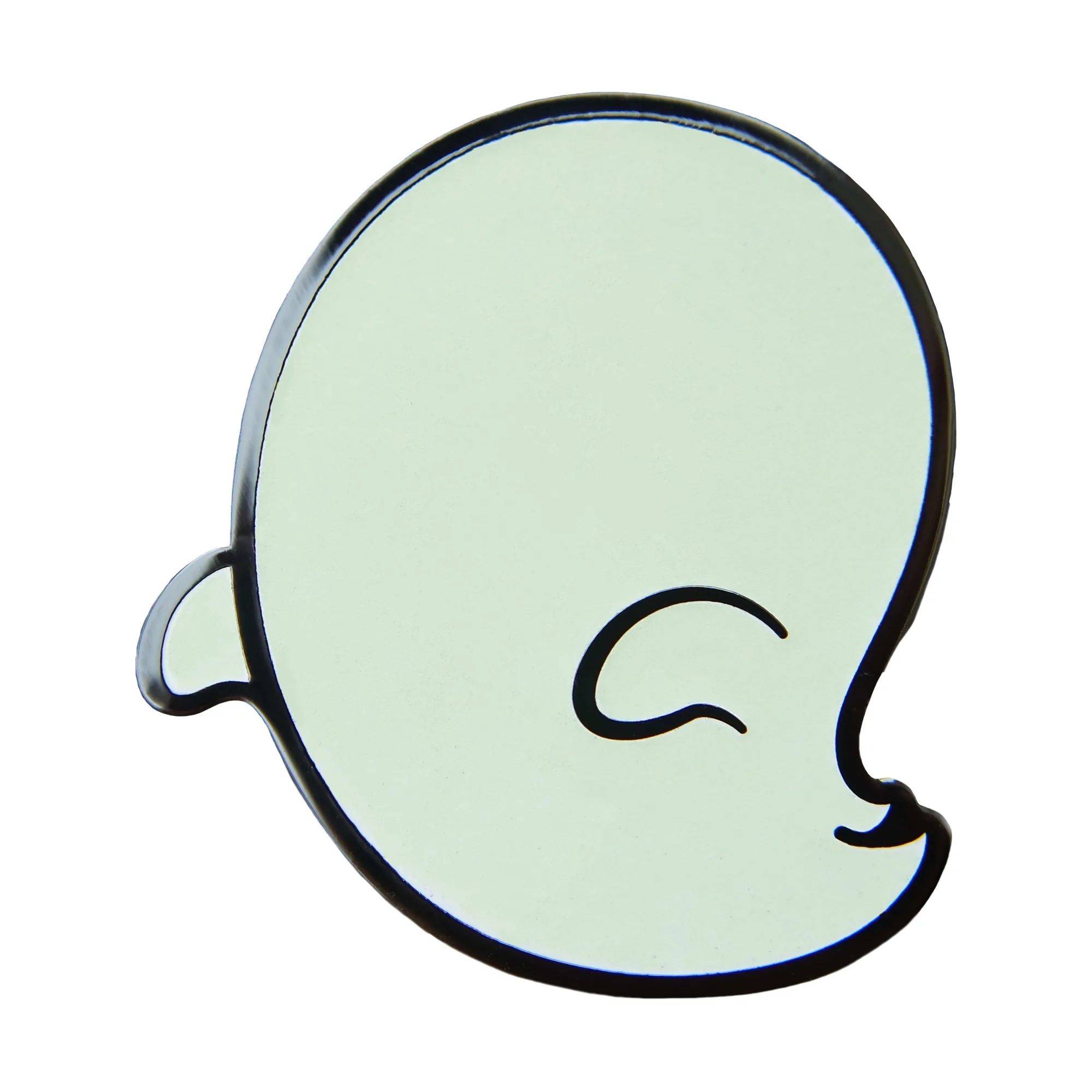
- Sanshee - Personalizable Poltergeist Glow-in-the-Dark Pin: Approximately 1.5 inches by 1.38 inches, dry and wet erase marker friendly, and glows in the dark. The personalizable face makes each pin effectively one of a kind, which is a different kind of scarcity than a numbered run, and it's a reason to keep the pin out on display rather than stored.
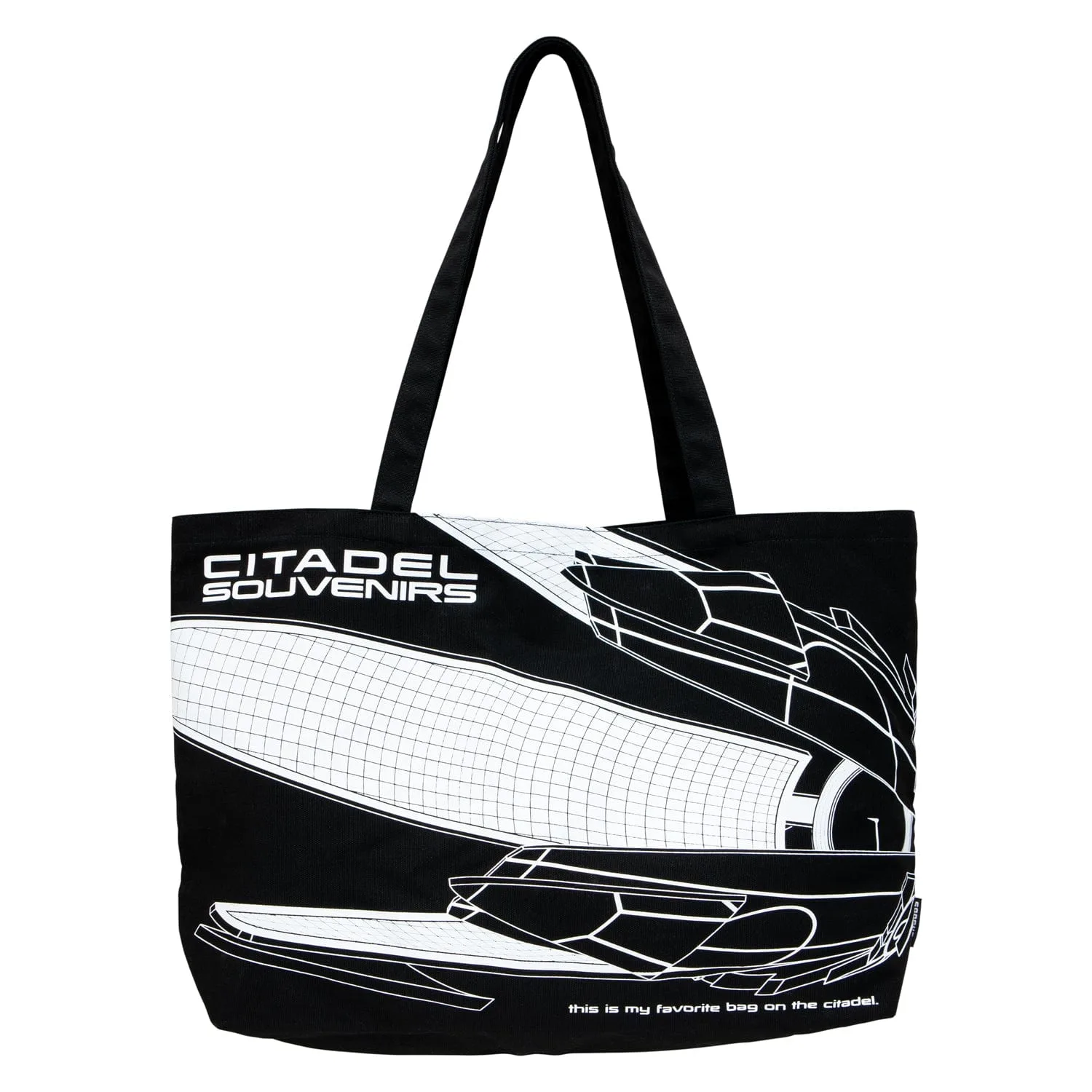
- Mass Effect - Citadel Souvenirs Canvas Tote: Official Mass Effect Citadel Souvenirs tote described as sturdy and heavyweight, catalog priced at USD 17.50 with a catalog comparison price of USD 34.99. A usable bag earns its keep in a way a display-only collectible cannot, so it's a safer buy if you're unsure whether you'll keep collecting.
Who should buy limited edition merchandise
Best for
- Collectors who already display plush, pins, or bags and have a defined category they stick to
- Fans who want an official licensed piece from a franchise they follow and would keep it regardless of resale
- Buyers who want a usable item, such as a tote, where the limited label is a bonus rather than the reason
Not for
- Buyers hoping to flip the item quickly for a profit, since most limited merchandise does not appreciate
- Shoppers who have no display or storage plan and would leave the item boxed indefinitely
- Anyone buying only because a page says limited, with no interest in the character or design itself
Limited edition merchandise rewards a short checklist, not speed. Confirm the run is capped, confirm you'd want the item anyway, and confirm you have somewhere to put it. Do those three things and the purchase stays a source of joy rather than a shelf of regrets.