Quick answer
An edition of 10 means the photographer authorizes only ten prints of that image, each numbered and usually signed, and then stops. That fixed cap makes the print scarcer and can support a higher price than an open edition, but it also means you cannot replace it later if it sells out. Buy an edition of 10 when you want a defined collectible and accept that the image may disappear from the market; choose an open edition when you care more about the picture than the count.
How numbering and the edition cap work
A limited edition print is sold with two numbers: the print's place in the run and the total size of the run. A print marked 3/10 is the third impression of ten. The photographer commits to that ceiling, so once ten are sold, no more are made from that image in that edition. That promise is the whole value proposition: the scarcity is deliberate, not accidental.
The cap applies to the edition, not to every possible use of the photograph. The photographer may still license the image, publish it in a book, or sell it in a different format or size as a separate edition. If you want to know exactly what you are buying, ask what the edition covers: the image, the size, or the paper type.
What an edition of 10 does to price and resale
Small editions cost more per print because the photographer spreads the same creative work across fewer sales. That is a pricing fact, not a quality claim. A ten-print run also tends to hold value better than an open edition, because supply is fixed and known. But scarcity alone does not create demand: resale depends on the photographer's reputation, the image's appeal, and whether buyers can find the work.
Do not treat an edition of 10 as an investment guarantee. Treat it as a defined, finite object with a documented count. If the image is one you want to live with, the smaller edition is a reasonable premium. If you are buying purely to flip it, the count is only one variable among several you cannot control.
Limited vs open edition: which fits your wall
An open edition has no fixed cap, so it can be reprinted and is usually cheaper and easier to replace. That makes it the better choice for a hallway, a rental, or a room where the print may get moved, reframed, or damaged. A limited edition suits a spot where the print will stay put and where you want the object itself to feel chosen rather than stocked.
One practical trade-off: limited prints are harder to buy in matching pairs or sets later. If you want two of the same image for two rooms, buy both at once or accept that the second may not be available. Open editions remove that timing problem.
Questions to ask before you buy a numbered print
Ask for the edition size in writing, the numbering on your specific print, and whether a certificate or signature accompanies it. Confirm the paper and ink type, since those affect how the print ages. Confirm the dimensions and whether the price covers framing. If a seller cannot state the edition size clearly, the print is effectively an open edition regardless of the label.
- Edition size and your print's number, stated on the invoice
- Signature or certificate of authenticity included
- Paper and ink type, and whether framing is included
- Whether the same image is sold in other sizes or formats
Decision rules for buying an edition of 10
- Rule 1: Buy the image first, the count second: If you would not want the photograph on your wall without the edition number, do not buy it for the number. Scarcity adds a premium, not a reason to live with an image you are lukewarm about. Checkpoint: can you name the exact spot where it will hang?
- Rule 2: Match the edition to the room's permanence: Put a limited edition in a room where the print will stay and be protected. Put an open edition in high-traffic, high-change spaces where replacement matters more than rarity. Checkpoint: if this print is damaged in two years, do you need an identical replacement?
- Rule 3: Get the count in writing before you pay: Ask for the edition size, your print's number, and whether a signature or certificate is included. A verbal edition size is not a documented one. Checkpoint: does the invoice state the edition size and number?
- Rule 4: Decide before the run sells out: Ten prints can move quickly for a popular image. If you want a specific number or a matching pair, buy early rather than assuming a reprint will appear. Checkpoint: is the number you want still available today?
Examples in the current catalog
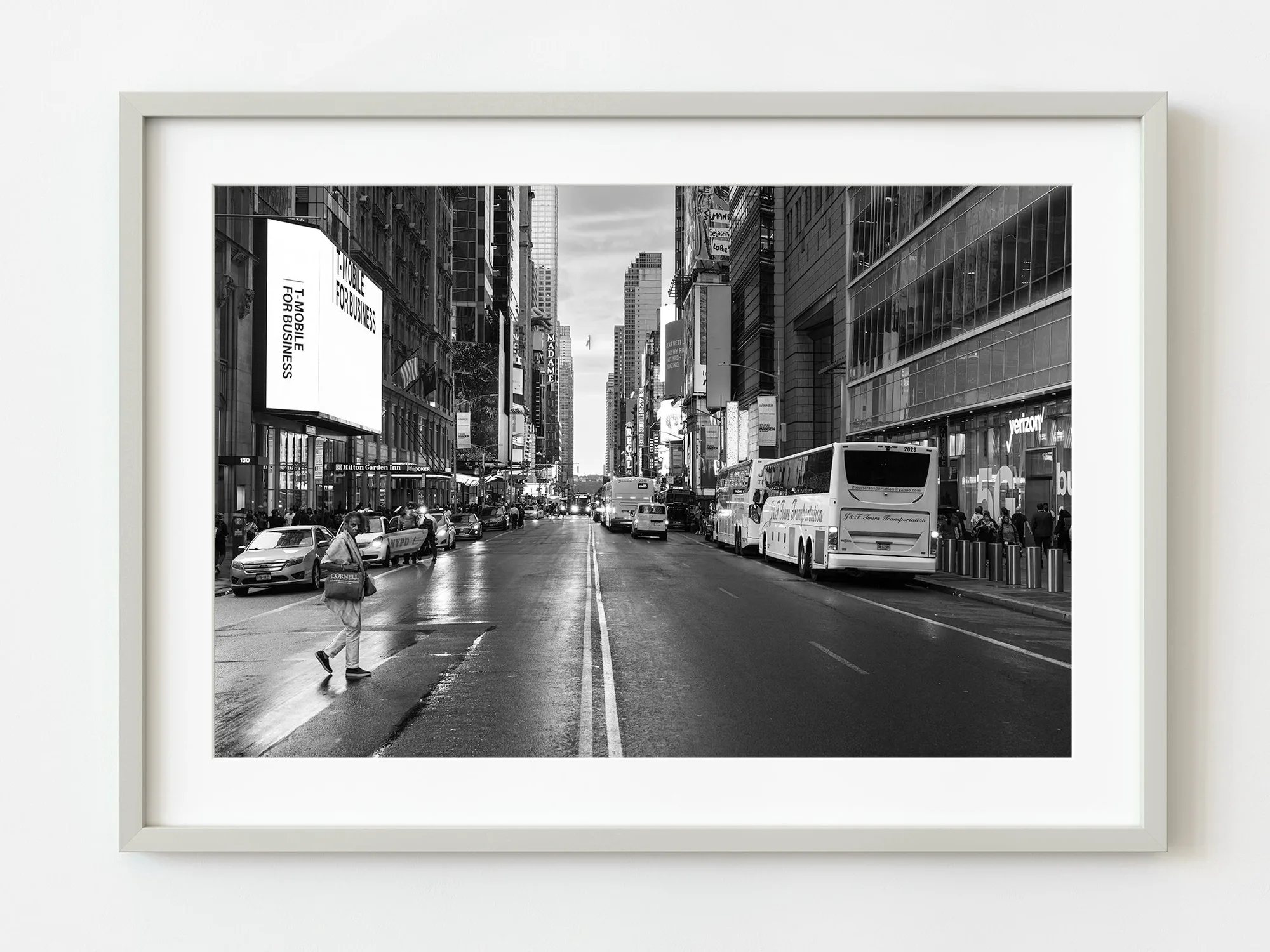
- New York 42nd street early evening | Limited Edition of 10: New York 42nd street early evening is a black and white photograph of 42nd street in the blue hour after sunset, with cars and buses lining the street and a single woman crossing the road. The monochrome treatment and the small figure against the city scale make it a strong candidate for a defined, numbered edition rather than a replaceable open print.
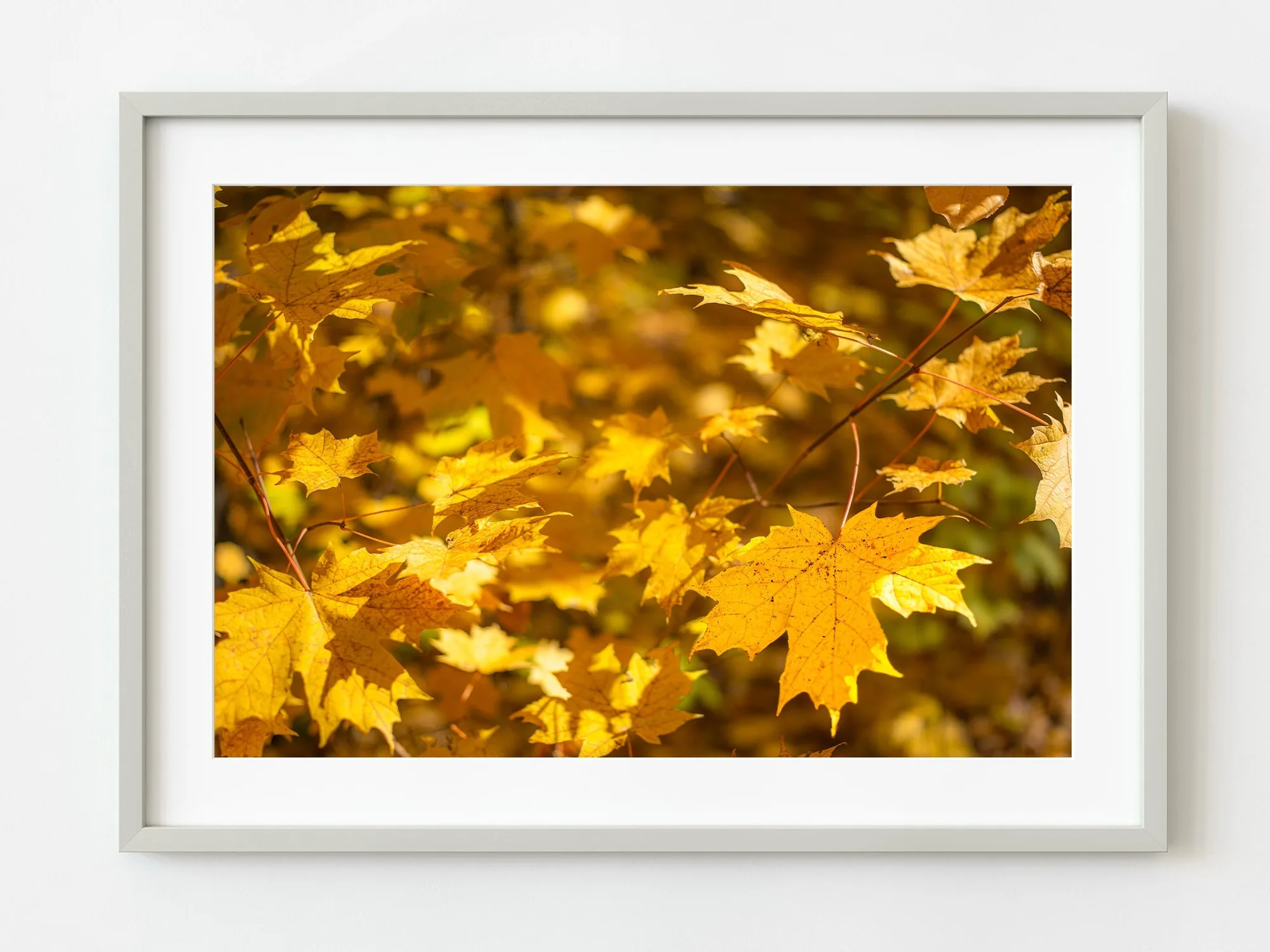
- Soft autumn light on golden maple leaves | Limited Edition of 10: Soft autumn light on golden maple leaves captures golden maple leaves in soft autumn light, with warm colors and delicate veining. A warm, quiet image like this often works best where it will stay in one place, which is exactly the use case a small edition suits.
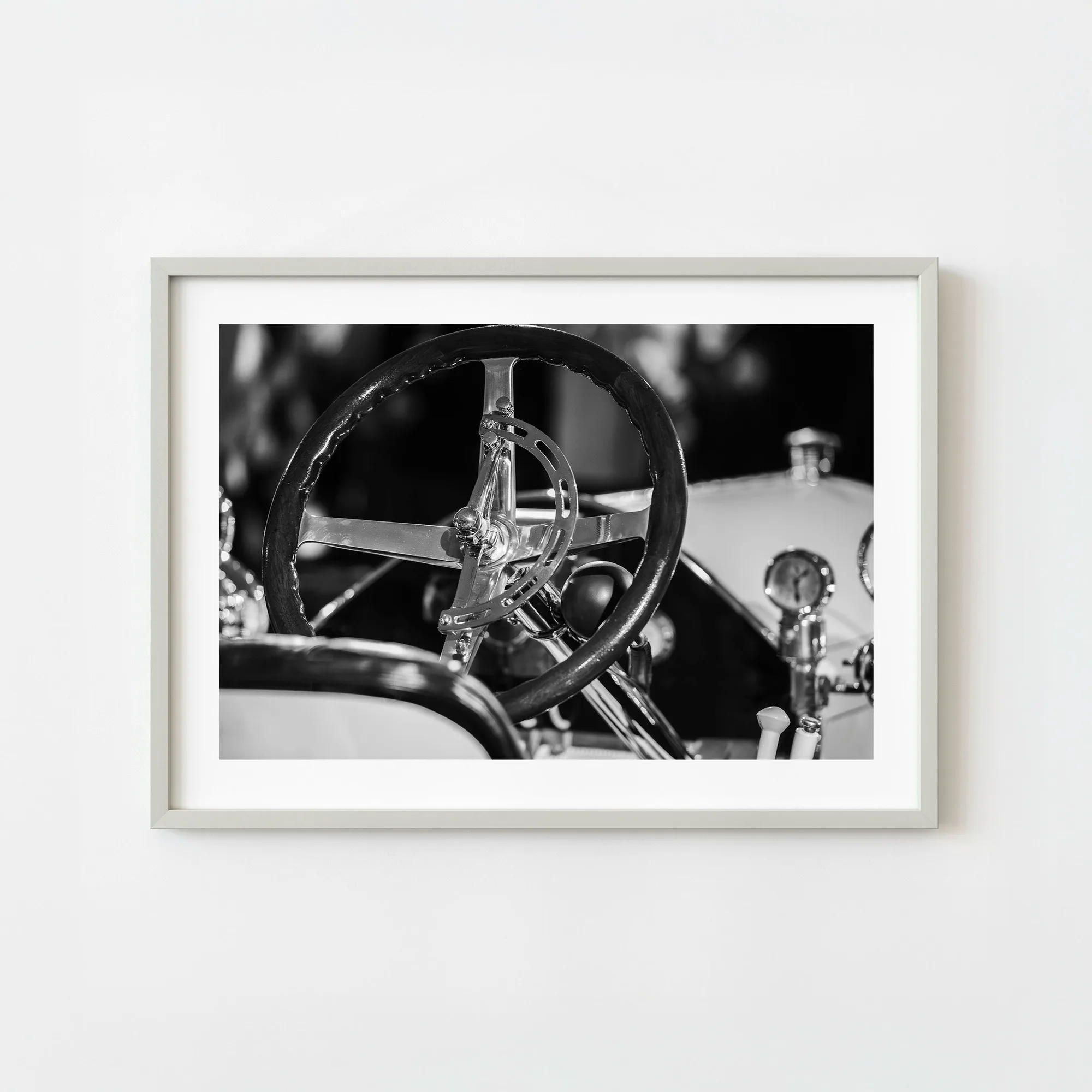
- United States Michigan Cadillac Steering Wheel Interior Monochrome Vintage Car Detail | Limited Edition of 10: United States Michigan Cadillac Steering Wheel Interior is a monochrome study of a late 1940s Cadillac steering wheel, focusing on polished metal, smooth curves, and crafted mechanics. A detail-driven vintage car image appeals to a narrow, specific audience, and a ten-print cap keeps that audience from competing over an unlimited supply.
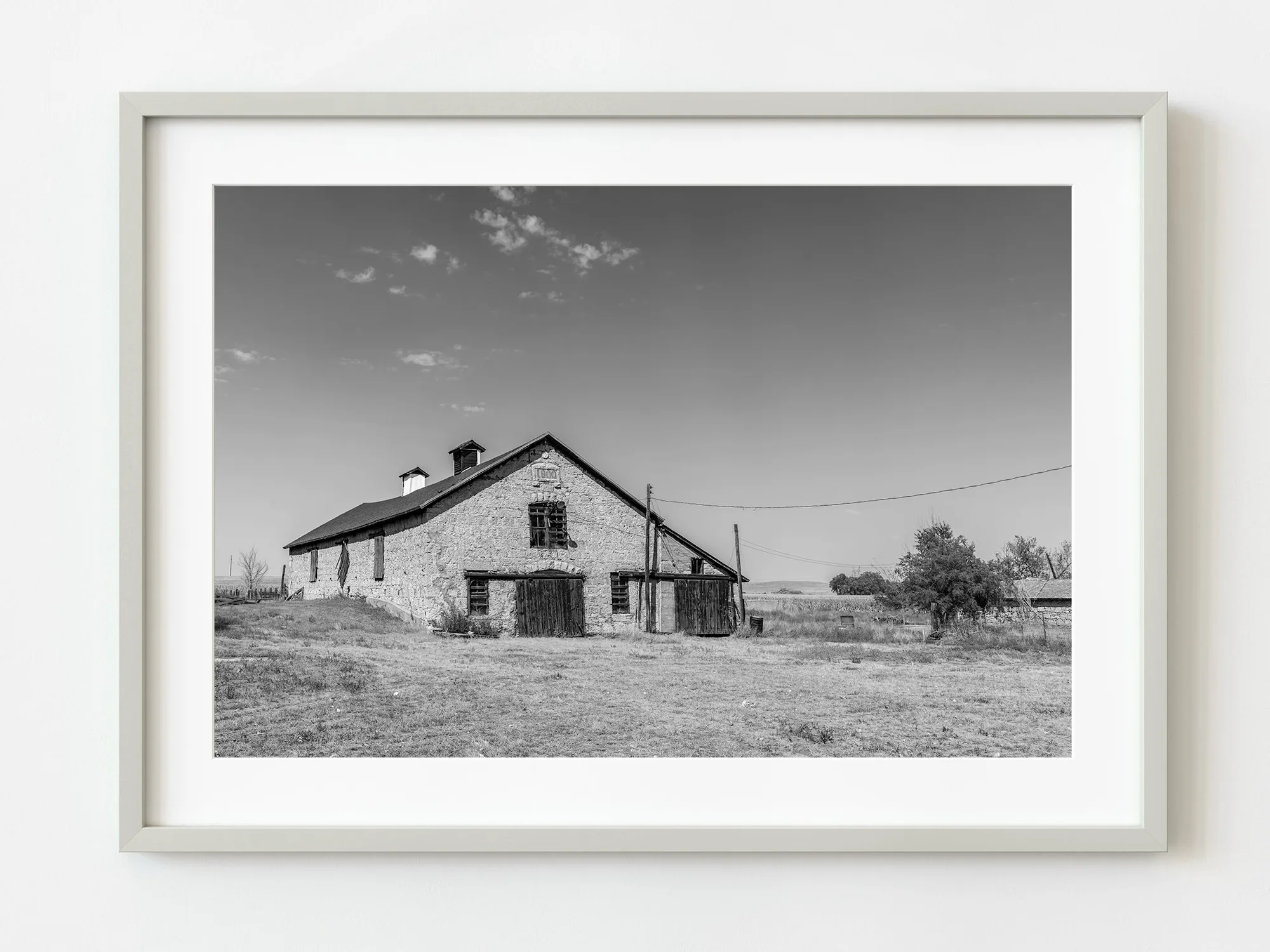
- Century old stone barn in Nebraska | Limited Edition of 10: Century old stone barn in Nebraska shows a century-old stone barn with weathered stones and aging timbers, framed as rustic Americana. A timeless Americana subject is the kind of image buyers keep for years, so the edition count and numbering matter more than a short-term price difference.
Who should buy an edition of 10
Best for
- Buyers who want a documented, finite print for a permanent spot on the wall
- Collectors who value numbering, signatures, and a known supply
- Anyone buying a specific image they intend to keep for years
Not for
- Buyers who may need an identical replacement later
- Shoppers who want the lowest price for a decorative print
- Anyone buying mainly for resale without checking the photographer's market