Quick Answer
Most lingerie damage comes from three habits: washing in a machine without a mesh bag, using hot water or harsh detergent, and storing pieces damp or bunched together. Switch to cold hand washing with a gentle detergent, dry flat away from heat, and store each piece loosely. Those three changes alone will extend lingerie life more than any specialty product.
Lace rarely fails all at once. It stretches, snags, and dulls over months of small mistakes that seem harmless at the time. By the time an elastic band loses its snap or a strap frays, the damage is usually done.
The good news is that most lingerie care mistakes are easy to spot once you know what to look for. Below, each symptom is paired with its likely cause, the corrective action, and the point where a piece is better retired than repaired.
Mistake 1: Machine Washing Without Protection
Tossing lace into a washing machine without a mesh bag is the fastest way to ruin delicate pieces. The agitator and other garments catch on eyelash edges and scalloped hems, pulling threads that cannot be repaired. Even a gentle cycle creates friction that weakens stretch lace over time.
If you must machine wash, use a fine-mesh lingerie bag and a delicate cycle with cold water. Never mix lace with towels, jeans, or anything with zippers and hooks. When in doubt, hand wash. It takes minutes and avoids the most common cause of premature wear.
- Always close hook-and-eye closures before washing to prevent snags.
- Wash lace separately from heavy fabrics and anything with hardware.
- Skip the dryer entirely; heat breaks down elastic fibers.
Mistake 2: Using the Wrong Detergent or Water Temperature
Hot water and standard laundry detergent are too harsh for stretch lace and fine mesh. Heat relaxes elastic fibers, so bands lose their recovery, and harsh chemicals strip the soft finish that makes lace feel comfortable against the skin. Over time, colors fade and whites turn gray.
Use cool or lukewarm water with a gentle, pH-neutral detergent made for delicates. A small amount is enough; excess soap leaves residue that attracts dirt. Rinse thoroughly and never wring or twist the fabric, which distorts the shape.
- Avoid fabric softener, which coats fibers and reduces stretch.
- Do not soak for more than 15 minutes; prolonged soaking weakens glue and elastic.
- For stubborn stains, dab gently with a mild solution rather than rubbing.
Mistake 3: Storing Damp or Bunched Together
Putting lingerie away before it is completely dry encourages mildew and musty odors, especially in lace with dense patterns. Stuffing multiple pieces into one drawer also crushes molded cups and stretches straps that are left hanging.
Dry each piece flat on a towel away from direct sunlight and heat. Once dry, store bralettes and bras loosely in a drawer with cups nested, not flattened. Hang delicate slips or sleepwear on padded hangers. Keep drawers ventilated and avoid overcrowding.
- Never store lace in plastic bags; trapped moisture damages fibers.
- Rotate pieces so elastic gets rest between wears.
- Use drawer dividers to prevent hooks from catching on lace.
Mistake 4: Ignoring Fit as a Care Issue
A piece that is too tight stretches elastics beyond recovery, while a too-loose band slides and rubs, causing premature wear. Fit is not just about comfort; it directly affects how long lingerie lasts. If you find yourself constantly adjusting straps or pulling at a band, the size is likely wrong.
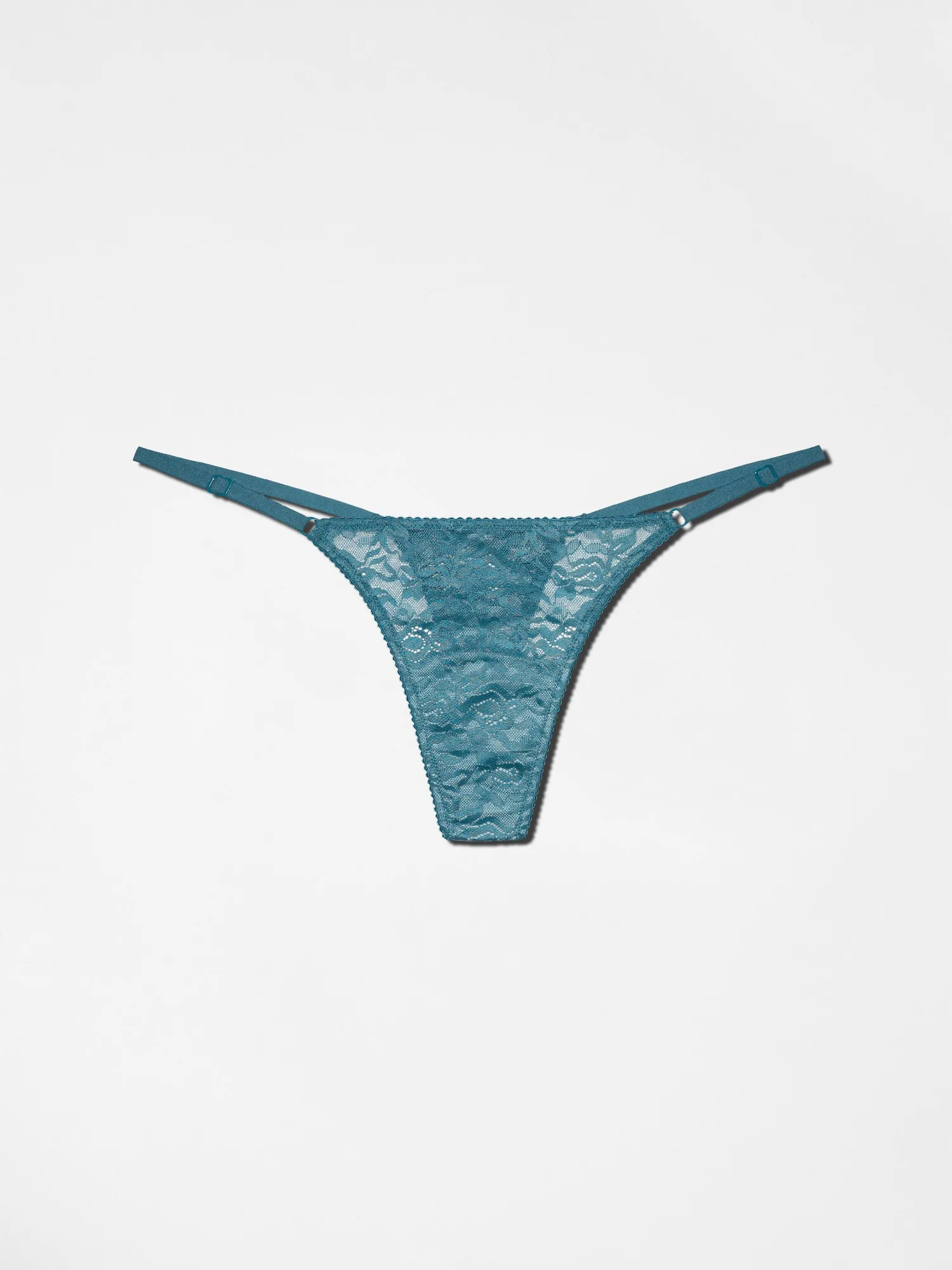
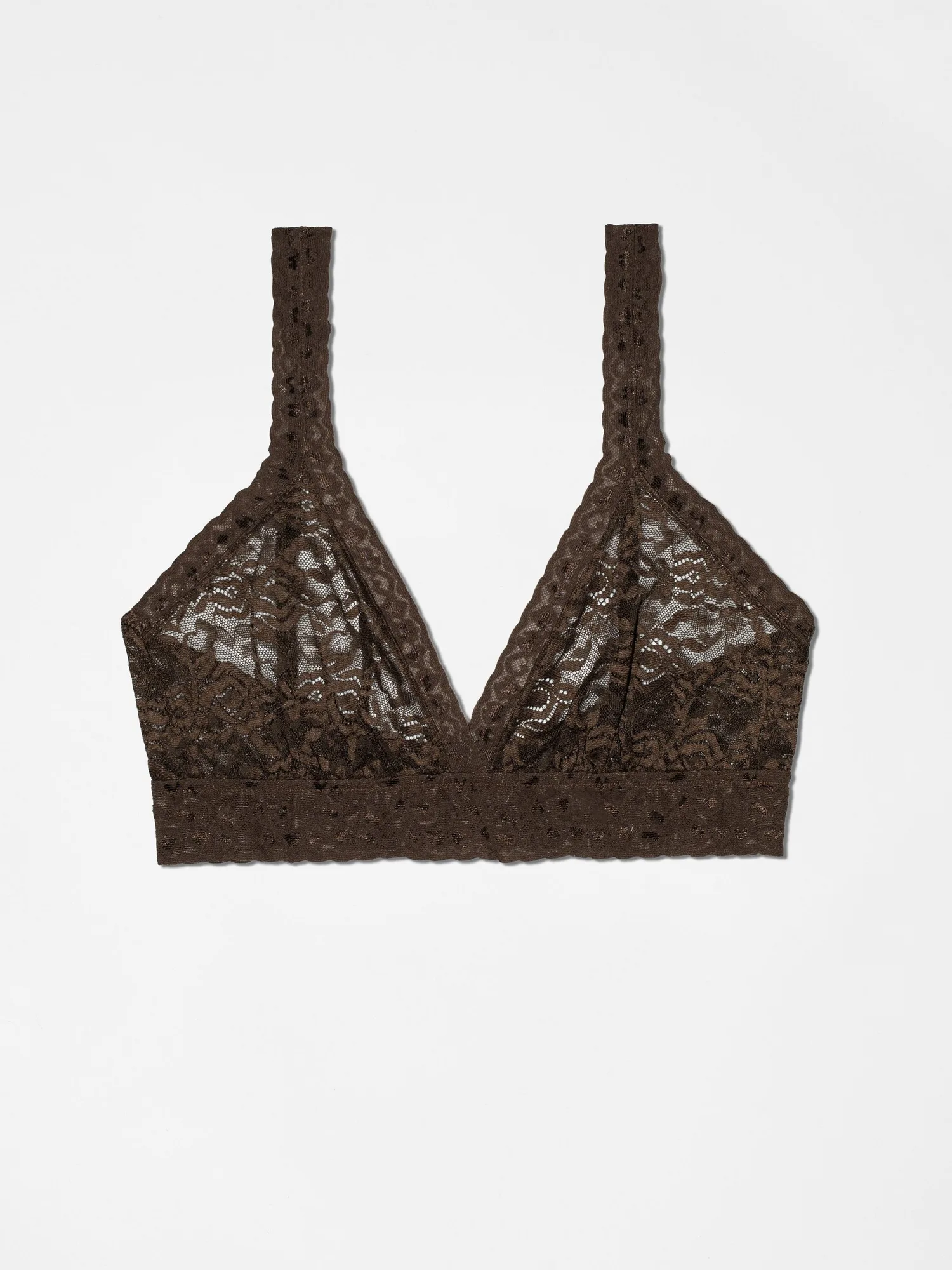
Check the size guide before ordering and pay attention to adjustable features. For example, the G String - Teal Tide has adjustable straps at the hips so you can set the rise and fit, reducing strain on the lace. Similarly, the Lace Bralette - Umber offers adjustable straps and a back clip to fine-tune support without overstretching the band.
Lace Bralette - Umber
- Measure yourself periodically; body changes affect fit.
- If a band leaves red marks or rides up, try a different size.
- Adjust straps before each wear to avoid uneven stress.
When to Stop Repairing and Replace
Some damage is beyond saving. If elastic is cracked or permanently stretched, if lace has multiple broken threads, or if the fabric feels stiff and brittle, replacement is the better choice. Repairs like sewing a strap back on are fine for minor issues, but structural failure means the piece will not perform.
Also consider the cost of repair versus replacement. For everyday pieces, replacing with a well-cared-for item often makes more sense than repeated fixes. For special-occasion or maternity pieces, a professional repair might be worth it if the damage is limited to a seam.
- Retire pieces with cracked elastic or widespread thread breaks.
- Do not try to fix stretched-out bands; they will not recover.
- Donate or recycle clean textiles responsibly when replacing.
Diagnose Your Lingerie Care Routine
- Symptom: Elastic bands feel loose or stretched out: Likely cause: Washing in hot water or drying in a machine. Corrective action: Switch to cold hand washing and flat drying. If the elastic is already cracked or permanently stretched, replace the piece. Check water temperature and drying method first.
- Symptom: Lace has snags or pulled threads: Likely cause: Machine washing without a mesh bag or storing with hooks and zippers. Corrective action: Use a mesh bag and separate lace from hardware. Minor snags can be trimmed carefully; multiple breaks mean it's time to replace. Inspect your wash load and storage setup.
- Symptom: Musty odor or discoloration: Likely cause: Storing damp or using too much detergent. Corrective action: Ensure pieces are completely dry before storing and use a gentle, pH-neutral detergent. If mildew has set in, the fibers are likely damaged and the piece should be retired. Dry thoroughly and reduce detergent quantity.
Product Details That Support Better Care
- G String - Teal Tide: Adjustable straps at the hips for a personalised fit; minimal coverage; made of 40% recycled material. Adjustable straps let you avoid overstretching the lace, which is a common cause of premature wear. The recycled content also means the fabric may be more sensitive to heat, so cold washing is especially important.
- Lace Bralette - Umber: Wire-free and padding-free; signature stretchable lace stretches up to 150%; clips at the back; adjustable straps. The high stretch percentage means the bralette can accommodate minor size fluctuations, but it also means the elastic can lose recovery if washed in hot water or dried in a machine. Hand washing and flat drying will help it keep its shape.
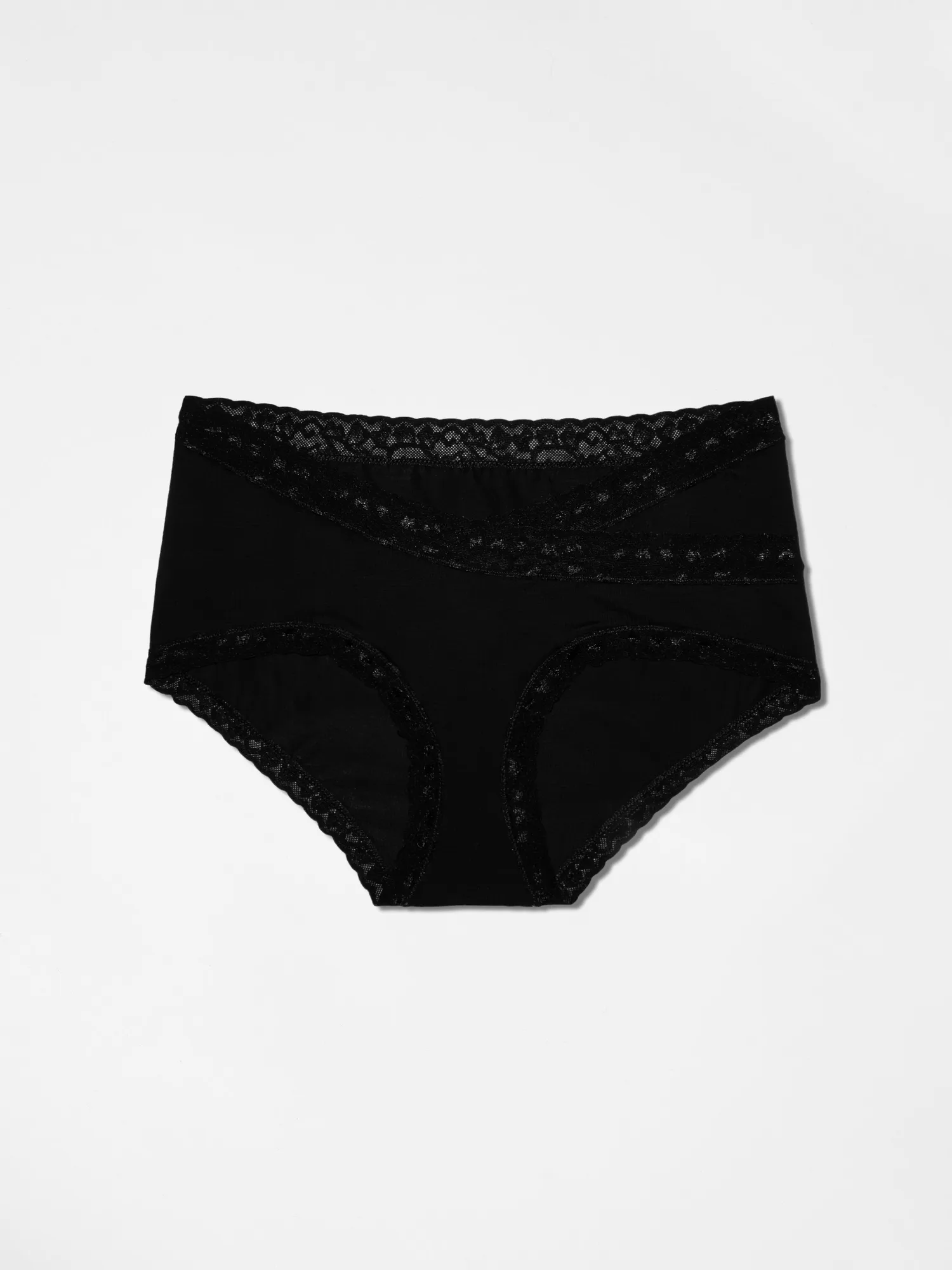
- Maternity Low waist Hipster - Liquorice Therapy: Low-waist design sits below the bump; stretches up to 150%; signature stretchable lace. Maternity pieces endure extra stress as the body changes. The high stretch is designed to grow with you, but harsh washing can weaken it. Gentle care ensures the piece remains supportive throughout pregnancy.
Good lingerie care is less about special products and more about consistent habits. Cold hand washing, proper drying, and thoughtful storage will keep lace and elastic performing far longer than any quick fix. Start with one change this week and build from there.