Quick answer
Choose lace when you want structure, stretch, and forgiving fit; choose mesh when you want sheer, lightweight coverage that stays smooth under clothes; choose satin when you want a smooth, fluid surface for sleepwear and layering. If you want one safe first purchase, pick stretch lace in a bra or panty you'll wear weekly. If you want visual impact, go sheer mesh or satin. If you want everyday comfort, prioritize cotton gussets and adjustable straps.
Most lingerie shopping decisions come down to fabric, not just size or color. Lace, mesh, and satin each behave differently on the body: they stretch differently, show under clothing differently, and need different care to last.
This guide explains what each material actually does, how it affects fit, and how to choose based on how you'll wear the piece. It also covers the practical trade-offs so you can buy once and wear it often.
Lace: Stretch, Texture, and Fit Forgiveness
Lace is the most common lingerie fabric because it combines stretch with visual texture. Stretch lace moves with the body, which makes it more forgiving across sizes and body changes than rigid fabrics. It also creates airflow, so it feels lighter than solid knits in warm weather. The trade-off is that lace can snag on jewelry, zippers, and rough surfaces, and cheap lace can lose its shape after repeated washing.
When you're comparing lace pieces, look at the construction, not just the pattern. Underwire and adjustable straps add support; unlined cups keep the look sheer and natural. If you're between sizes, lace styles often let you size up or down more comfortably than structured fabrics, but check the product notes for specific guidance.
- Stretch lace is the most forgiving choice if your weight fluctuates.
- Unlined lace cups feel lighter but show more; lined cups give more coverage.
- Hand wash or use a mesh bag to prevent snags and stretching.
Mesh: Sheer, Light, and Smooth Under Clothes
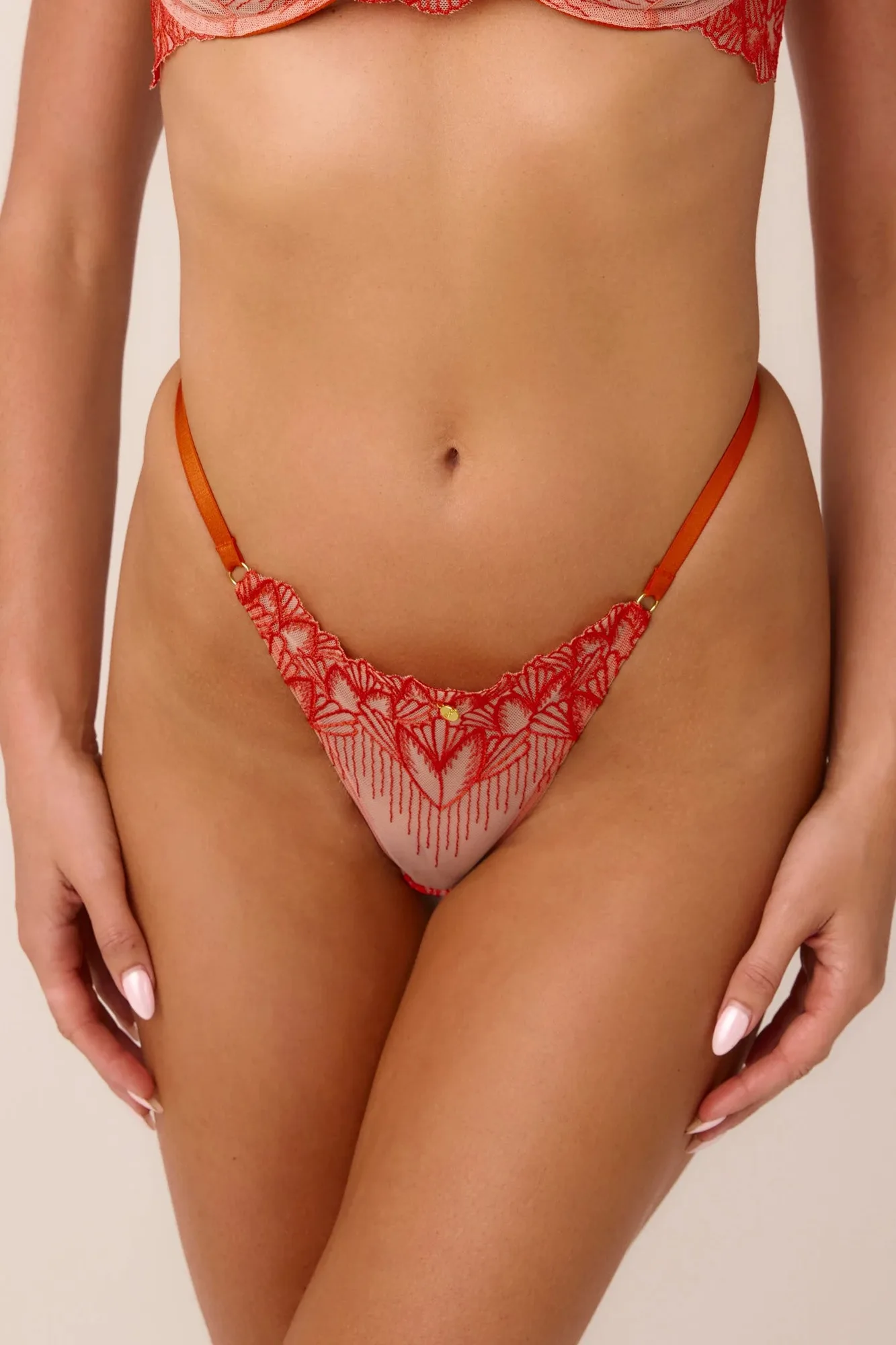
Mesh is a lightweight, open-weave fabric that's usually sheer. It's popular for thongs, briefs, and lingerie sets because it disappears under clothing and feels barely there. Mesh doesn't provide much warmth or structure, so it's best for layering or for occasions when you want a barely-there feel. Because it's thin, mesh can be less durable than lace if it's pulled or washed roughly.
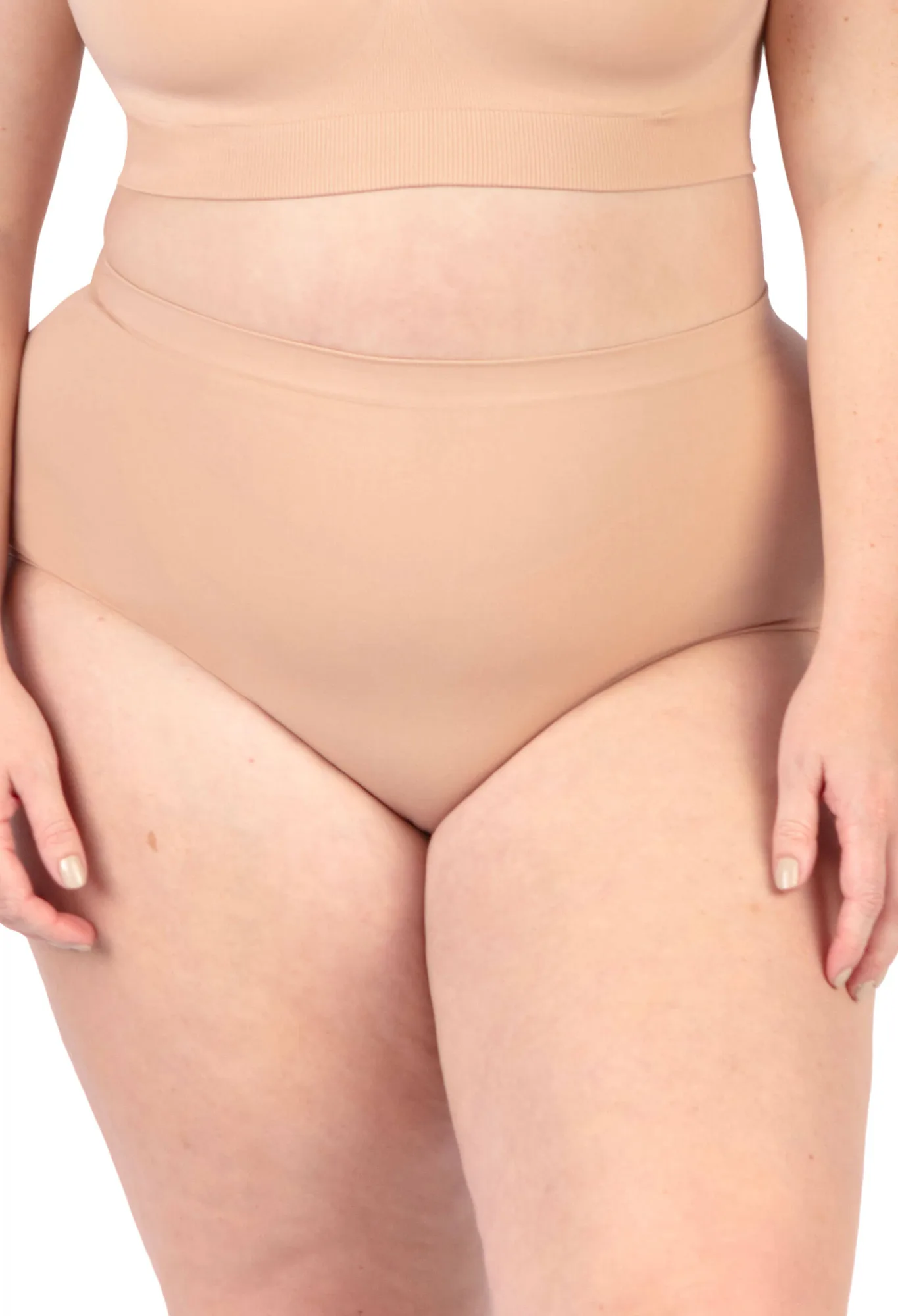
Mesh is also common in printed or glitter-accented designs, which can add visual interest without bulk. If you want coverage plus a smooth line, look for mesh panels combined with lace or stretch fabric. If you want maximum invisibility under tight clothing, choose a seamless mesh or stretch-lace thong with a cotton gusset.
- Mesh is the best choice for hot weather and tight clothing.
- Sheer mesh shows everything, so consider coverage level carefully.
- Avoid washing mesh with hooks or zippers that can pull threads.
Satin: Smooth, Fluid, and Best for Sleepwear
Satin is a weave, not a fiber, but in lingerie it usually refers to a smooth, glossy fabric that drapes rather than stretches. It feels cool and fluid against the skin, which makes it a natural fit for nighties, robes, and sleepwear. Satin doesn't offer much stretch, so fit matters more: a satin bra or bodysuit needs to be sized accurately because it won't move with you the way lace does.
Satin also shows water spots and creases more than lace or mesh, and it can be slippery under straps. If you want the look of satin with more comfort, look for satin-trimmed pieces or satin combined with stretch panels. For sleepwear, satin is hard to beat for temperature regulation and a polished look.
- Satin is ideal for nighties and robes, not for high-impact support.
- Check the fit carefully; satin has little give.
- Hang or lay flat to dry to avoid creases and shine loss.
How Fabric Affects Fit and Support
Fabric choice changes how a piece fits more than most shoppers expect. Stretch lace conforms to curves and can hide small size differences. Mesh is thin and follows the body closely, so it can highlight areas if the fit is off. Satin holds its shape but doesn't stretch, so it can dig or gap if the size is wrong. Underwire and adjustable straps add support regardless of fabric, but they work best with a fabric that matches your needs.
If you're between sizes, lace and stretch blends are more forgiving than satin or rigid mesh. If you need support, look for underwire, thicker straps, or a high apex design. If you want a seamless look under clothing, choose mesh or stretch lace with flat seams and adjustable straps.
- Stretch lace: most forgiving fit; good for size fluctuations.
- Mesh: closest fit; check size carefully for comfort.
- Satin: least stretch; prioritize accurate sizing and adjustable closures.
Caring for Lace, Mesh, and Satin
Care is where fabric differences really show. Lace and mesh should be hand washed or washed in a mesh bag on a delicate cycle with cold water. Avoid bleach and fabric softener, which break down stretch fibers. Satin should also be washed gently, but it benefits from being hung or laid flat to dry to prevent creases and dulling.
Heat is the enemy of all three. Hot water and high dryer heat shrink stretch lace, warp mesh, and damage satin's sheen. If you must machine dry, use the lowest heat setting and remove items while slightly damp. Store lace and mesh flat or hanging to avoid snags, and keep satin away from rough surfaces.
- Cold water and gentle detergent for all three fabrics.
- Air dry whenever possible; heat shortens lifespan.
- Store separately from hooks, zippers, and rough textures.
Decision rules for choosing lingerie fabric
- If you want everyday comfort and forgiveness: Choose stretch lace pieces with adjustable straps and a cotton gusset, like the Stacey Panty Black or Bailey Panty Pink. Checkpoint: can you adjust the straps? If yes, fit is easier.
- If you want a sheer, barely-there look: Choose mesh or unlined lace styles, and plan to size carefully because sheer fabrics show fit issues. Checkpoint: does the product note mention lining or coverage? If not, expect sheer.
- If you want support with a lace look: Choose underwire lace bras with thicker straps or a high apex, like the Maria Bra Chocolate or Riley Bra Lilac. Checkpoint: underwire plus adjustable back straps equals better support.
- If you want smooth sleepwear or layering: Choose satin for nighties and robes, but size accurately because satin has little stretch. Checkpoint: if the piece has no stretch, don't size down.
Product facts that show fabric in practice
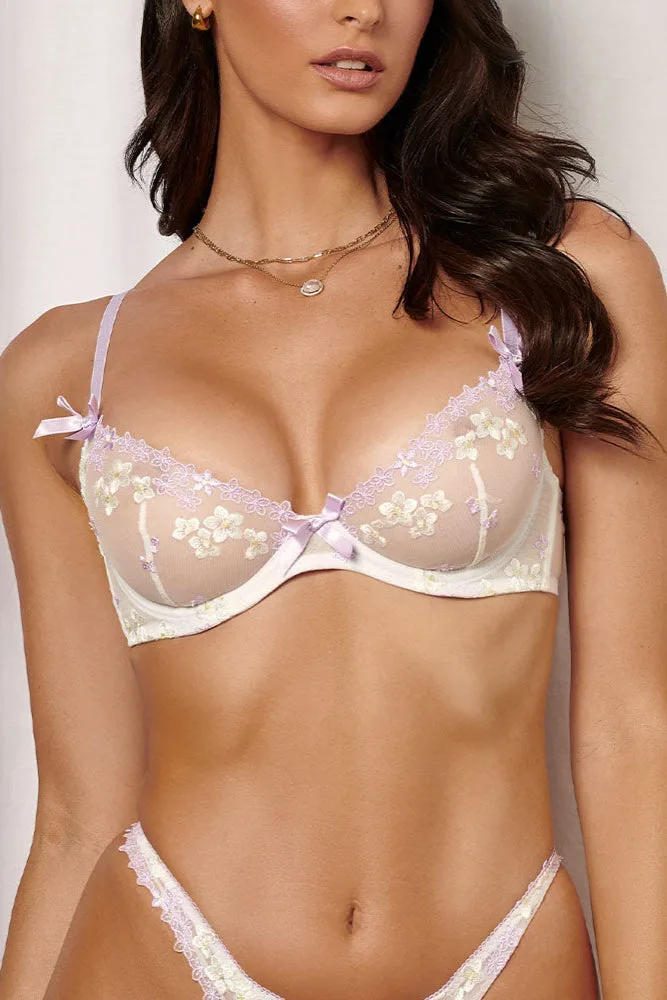
- Riley Bra Lilac: Low cut underwired demi-bra made with flower embroidery lace and adjustable back straps, gold hardware, underwire construction, demi cup. Shows how lace plus underwire gives structure and a lower neckline; adjustable straps help fine-tune fit.
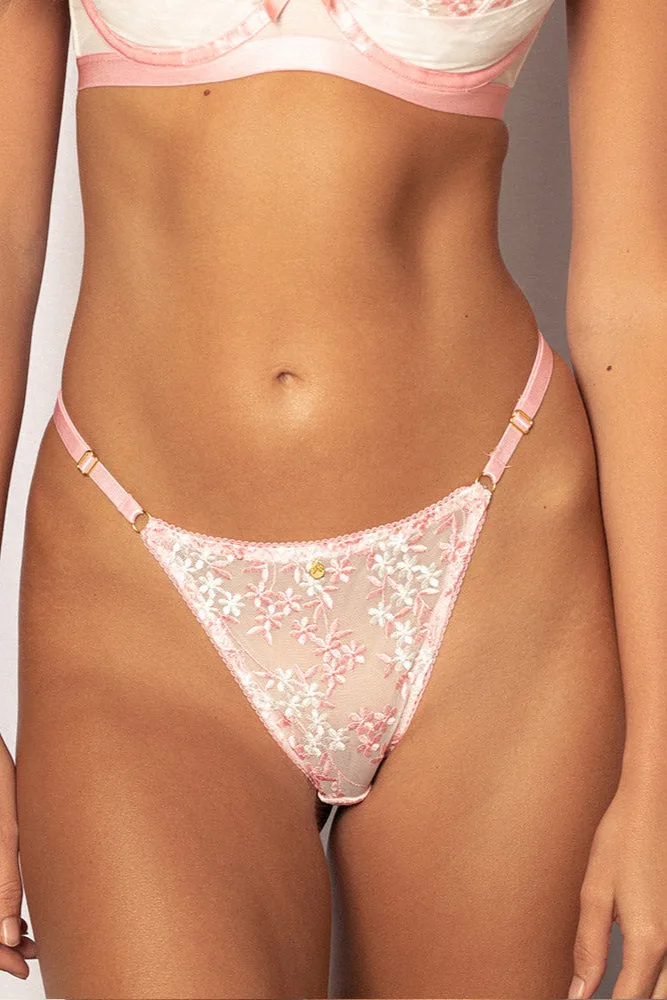
- Bailey Panty Pink: Cheeky cut knickers with adjustable straps and stretch lace; seamless under clothing with low-mid rise. Demonstrates stretch lace's forgiving fit and the adjustability that helps avoid digging or slipping.
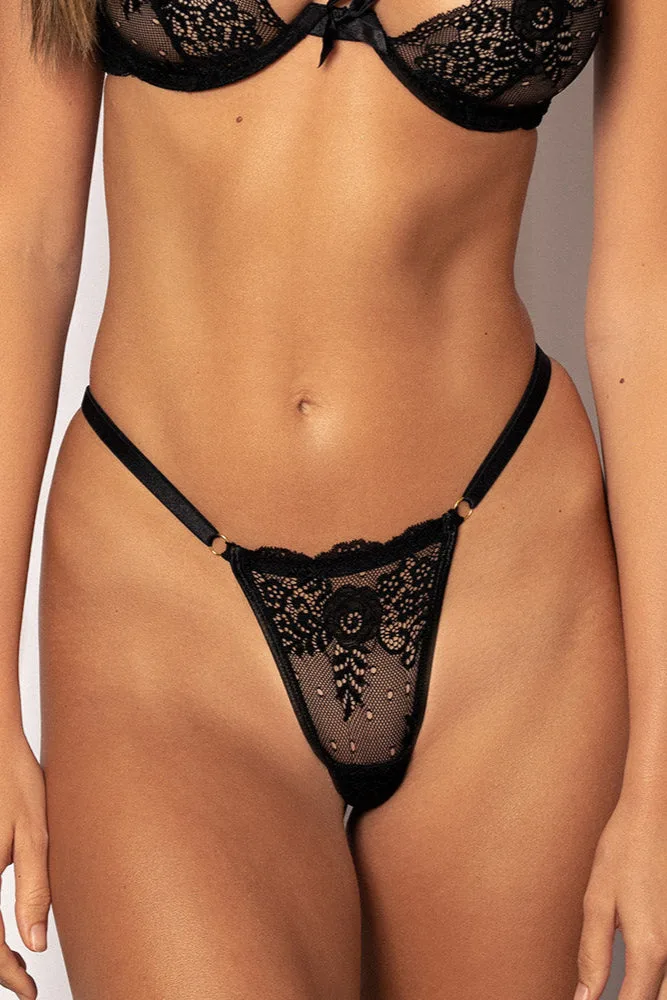
- Stacey Panty Black: Thong cut panty with adjustable straps, super soft stretch lace, gold hardware, cotton gusset. Shows how stretch lace plus a cotton gusset balances breathability and a seamless look.
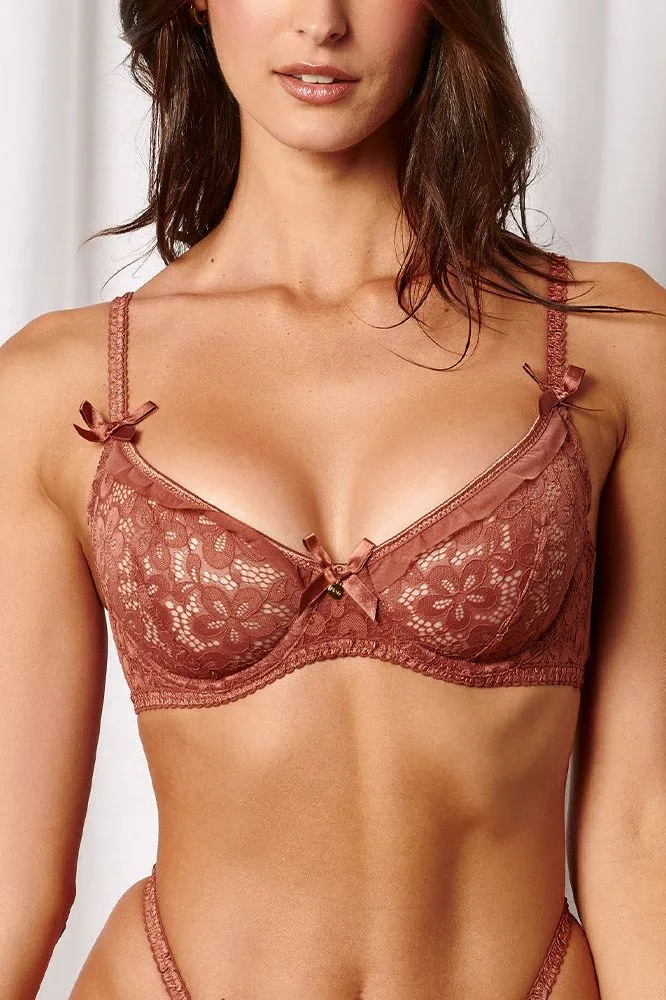
- Maria Bra Chocolate: Full coverage underwire bra with high apex and thicker straps for additional support; unlined stretch lace cups. Illustrates how lace can still deliver support when paired with underwire and wider straps.
Who each fabric is best for
Best for
- Anyone who wants forgiving fit and everyday comfort: stretch lace bras and panties with adjustable straps.
- Anyone who wants a sheer, smooth look under clothing: mesh or stretch-lace thongs and briefs with flat seams.
- Anyone who wants support with visual texture: underwire lace bras with thicker straps or high apex designs.
Not for
- Anyone who needs high-impact support: satin and sheer mesh alone won't provide it; choose structured underwire styles.
- Anyone who dislikes sheer fabrics: unlined lace and mesh show more; choose lined or full-coverage options.
- Anyone who wants zero-care fabrics: all three need gentle washing and air drying to last.
Fabric is the fastest way to predict how lingerie will feel, fit, and last. Match the material to your priority—stretch lace for comfort, mesh for sheer smoothness, satin for sleepwear—and check for adjustable straps, underwire, and a cotton gusset where they matter. Buy for how you'll actually wear it, and care for it gently to keep it in rotation.