Quick answer
For most toddlers and young children, liquid vitamin drops are the easiest and most flexible choice because you can mix them into food or give them directly, and you can adjust the dose precisely. Gummies work well for kids over 4 who chew well and resist liquids, while capsules are usually best for older children or teens who can swallow pills. The right form depends on your child's age, chewing ability, and willingness to take supplements.
Why form matters: absorption, dosing, and picky eaters
The form of a kids supplement affects how much your child actually gets and how easy it is to give. Liquid drops allow precise dosing with a dropper or syringe, which is important for toddlers who need small, accurate amounts. Gummies are pre-dosed but rely on your child chewing them thoroughly; if they swallow a gummy whole, absorption may be reduced. Capsules must be swallowed, so they are not suitable for young children and can be a choking risk.
Picky eaters often reject new textures or flavors. Liquid drops can be mixed into a small amount of yogurt, applesauce, or juice, making them nearly undetectable. Gummies taste like candy, which can be a pro for compliance but a con if your child treats them as snacks and wants more than the recommended amount. Capsules have no taste but require swallowing, which many young children cannot do until around age 6 or later.
Liquid drops: precise, flexible, and toddler-friendly
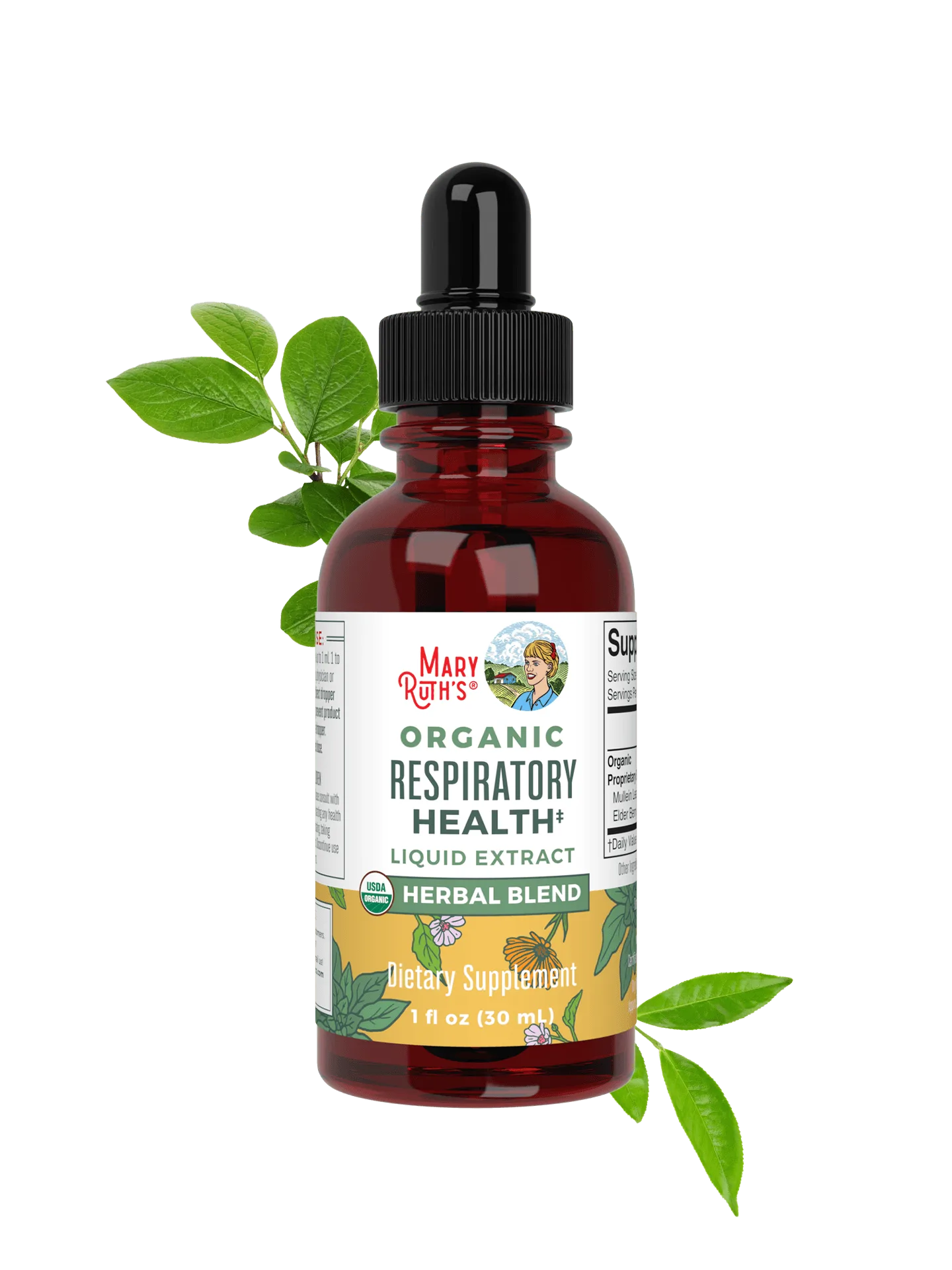
Liquid vitamin drops are measured with a dropper, so you can give exactly the amount recommended for your child's age. They are easy to administer to infants and toddlers who cannot chew gummies or swallow capsules. Many liquid formulas are unflavored or mildly flavored, which helps with acceptance. However, liquids can be messy, may need refrigeration after opening, and some have a shorter shelf life than solid forms.
For example, MaryRuth Organics offers Organic Gripe Water Nighttime Liquid Drops for newborns, which are unflavored and easy to give. For older kids, Organic D3 + K2 Spray is a liquid alternative that supports bone health and immune function. These products show how liquid formats can be used from infancy through childhood, though always follow the label for age and dosage.
Gummies: tasty and convenient, but with caveats
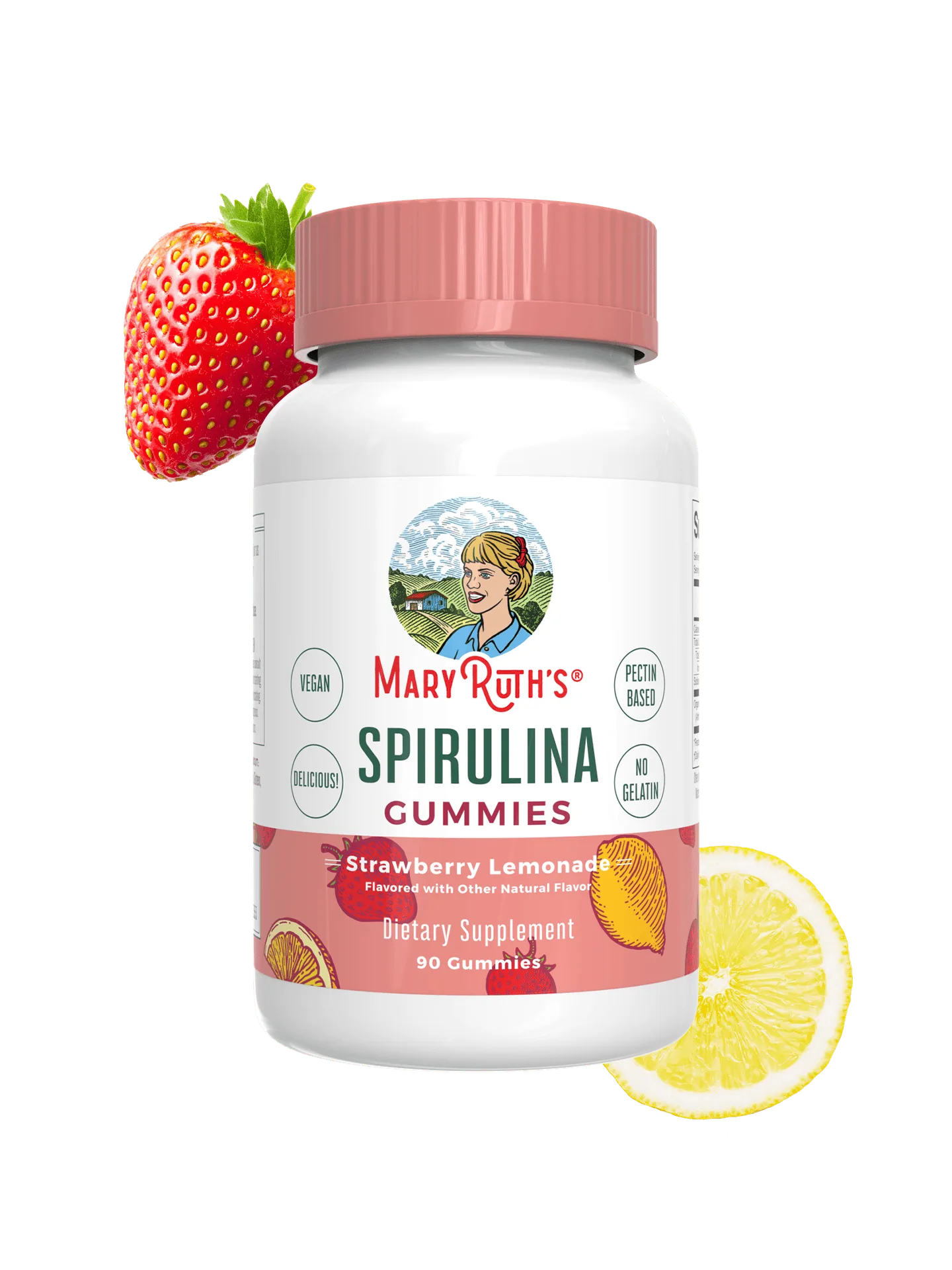
Gummies are popular because they taste good and are easy to take without measuring. They are best for children over 4 who can chew thoroughly. The main trade-offs are that gummies often contain added sugars or sugar alcohols, and they may not be suitable for children with dietary restrictions. Also, because they look like candy, it's important to store them out of reach and enforce the daily limit.
Gummies are not recommended for toddlers due to choking risk and because they may not chew well enough to break down the gummy for absorption. If your child is a picky eater who refuses liquids, a gummy might be the only form they'll accept, but check with a pediatrician about appropriate age and dosage.
Capsules: best for older kids who can swallow
Capsules are typically used for older children, teens, and adults who can swallow pills. They offer a precise dose and often have fewer additives than gummies. However, they are not suitable for young children due to choking risk, and some kids simply cannot swallow a capsule until they are older. If your child can swallow capsules, they can be a convenient option, especially for supplements that taste unpleasant in liquid form.
For women and older teens, MaryRuth Organics offers Joint Health Liquid Drops, which are an alcohol-free tincture with a blend of four herbs. While this product is in the Women category, it illustrates that liquid drops can also serve older users who prefer not to swallow capsules. Always check the label for age recommendations.
How to choose the right form for your child
Start with your child's age and abilities. Under 4: liquid drops are usually the safest and most accurate. Ages 4–6: gummies may be an option if your child chews well and you can monitor them. Ages 6+: capsules become possible if your child can swallow them. Also consider your child's willingness to take supplements. If they refuse liquids, a gummy might be a better fit, but watch the sugar content and keep them out of reach. If they dislike gummies, a liquid mixed into food can work. Always talk to your pediatrician before starting any supplement, especially for infants and toddlers.
Trade-offs at a glance
- Liquid drops: Precise dosing, easy to mix into food, suitable for infants and toddlers. Cons: can be messy, may need refrigeration, shorter shelf life after opening. Best for children under 4 and picky eaters who accept liquids.
- Gummies: Tasty and convenient, no measuring. Cons: choking risk for young children, often contain added sugars, can be overconsumed if not stored properly. Best for children 4+ who chew well and resist liquids.
- Capsules: Precise dose, fewer additives, no taste. Cons: require swallowing, not suitable for young children, may be hard for some kids to take. Best for older children and teens who can swallow pills.
Product facts
- Organic Gripe Water Nighttime Liquid Drops: Organic Gripe Water Nighttime Liquid Drops are unflavored and made for newborns, with a gentle herbal blend including Organic Ginger Root, Organic Fennel Seed, and Organic Lemon Balm Leaf. Unflavored drops are easy to give to newborns and can be mixed with breastmilk or formula if needed, making them a practical choice for the youngest age group.
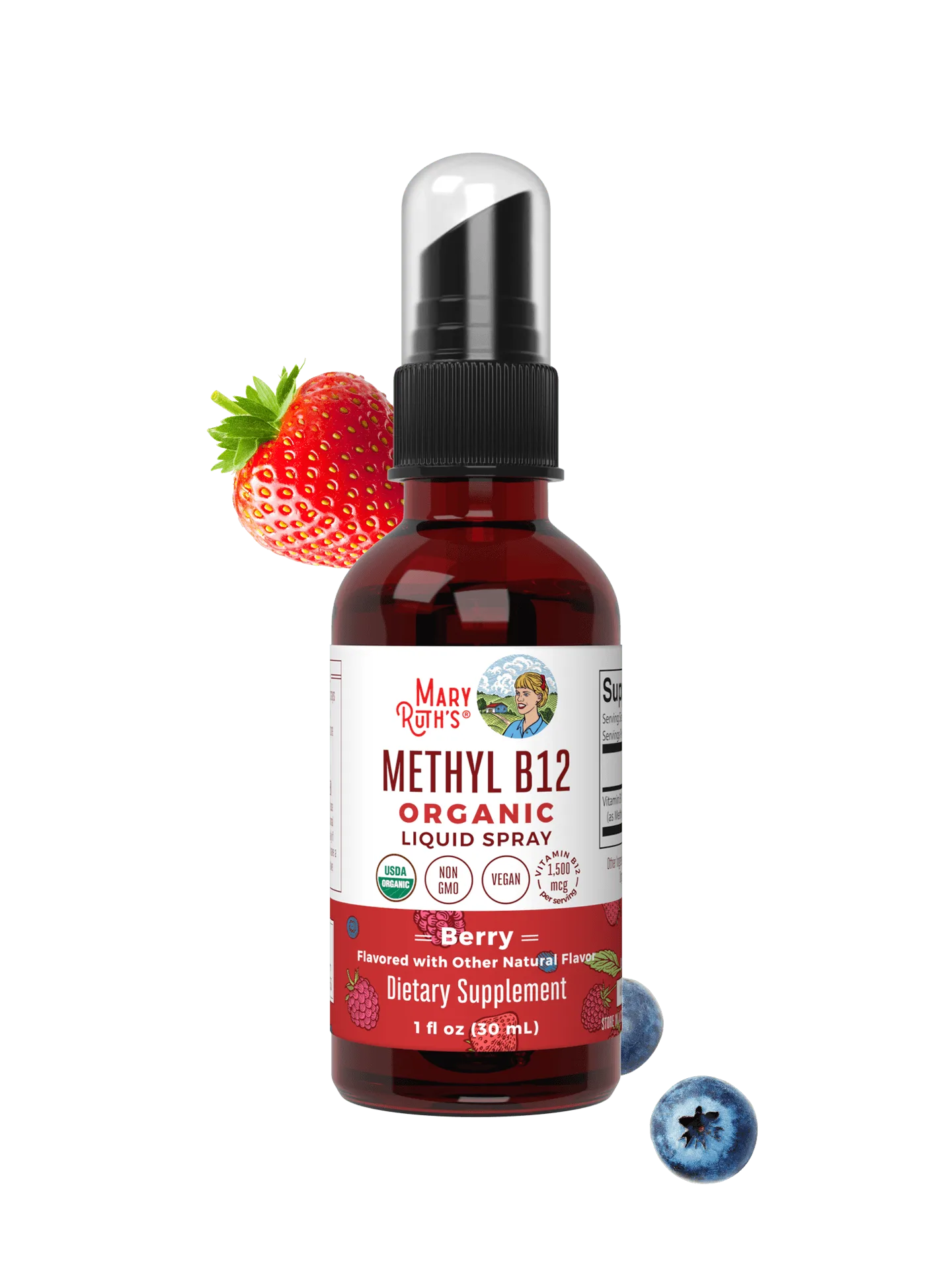
- Organic D3 + K2 Spray: Organic D3 + K2 Spray is a liquid supplement that supports bone health and immune function, with Vitamin D3 as Cholecalciferol and Vitamin K2. A spray format can be easier than drops for some kids and provides a precise dose without swallowing pills, bridging the gap between drops and capsules.
- Joint Health Liquid Drops: Joint Health Liquid Drops are an alcohol-free tincture with a blend of four herbs and 1180 mg of herbal extract per serving, including Organic Devil's Claw Root, Cat's Claw Bark, Organic Ginger Root, and Organic Licorice Root. This liquid option is suitable for older children or teens who prefer not to swallow capsules, though it is categorized for women and should be used according to age recommendations.
Which form fits your child?
Best for
- Toddlers and infants who need precise, small doses
- Picky eaters who refuse gummies or pills
- Parents who want to mix supplements into food or drink
Not for
- Children who can swallow capsules and prefer no taste
- Families who want a no-mess, pre-dosed option
- Kids who will only take supplements in candy-like form