Quick answer
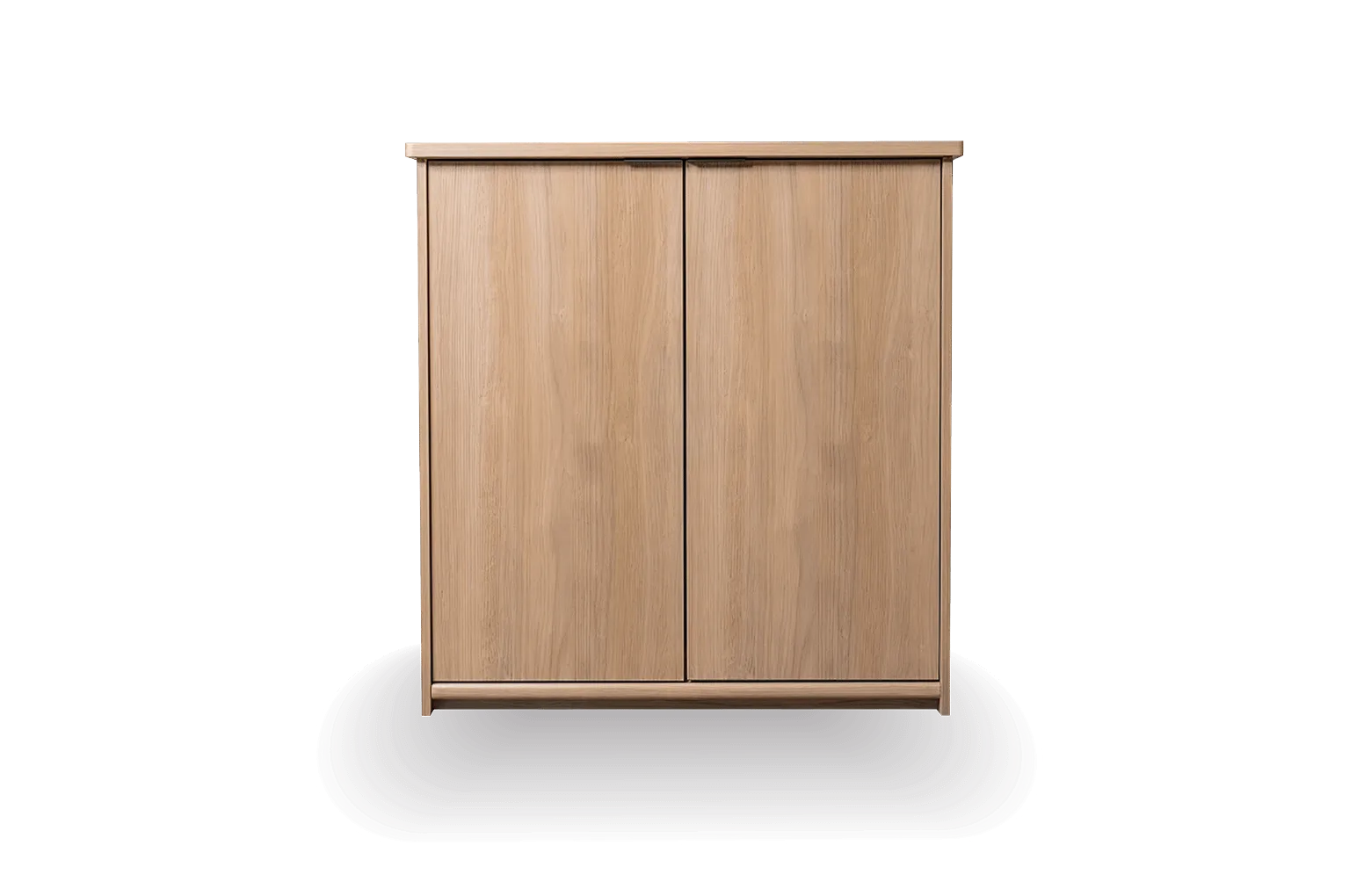
Place the Litter-Robot Cabinet on a level, hard surface near a grounded outlet, with at least a few inches of clearance on all sides and an unobstructed path for your cat. The best spot balances easy human access for emptying and cleaning with a quiet, low-traffic location your cat will actually use.
What to check before you move the cabinet
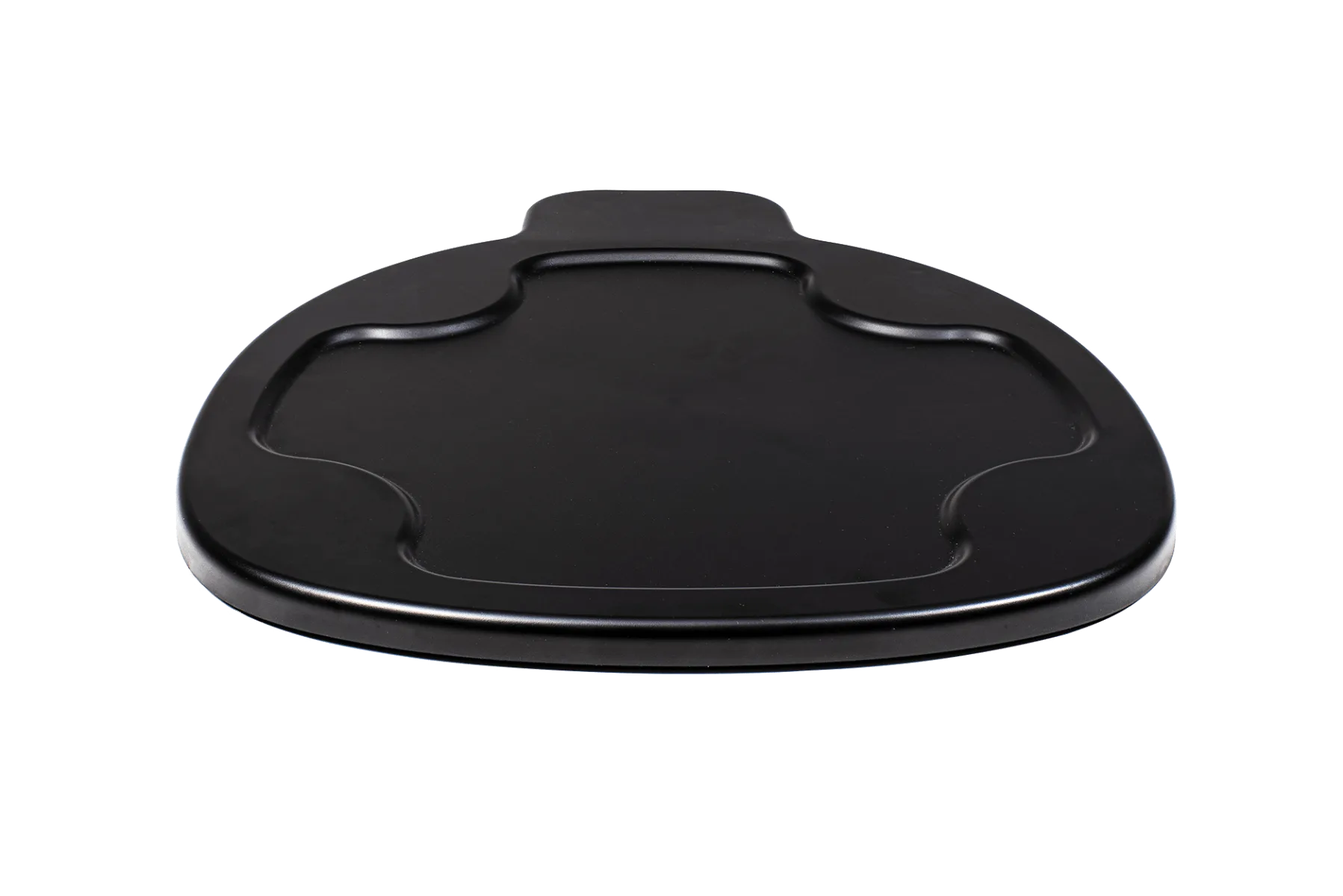
Measure the footprint of the assembled cabinet plus the Litter-Robot unit inside it, then add clearance for the door swing and for you to kneel or reach in during maintenance. Confirm the outlet is grounded and not controlled by a wall switch. If the cabinet will sit on carpet, note that the Litter-Robot 4 Carpet Tray is designed to improve the accuracy of SmartScale weight readings on carpet or uneven surfaces, though it is not required for the unit to function.
Step-by-step placement plan
Work through these steps in order. Each one has a checkpoint so you can catch problems before the cabinet is fully loaded and hard to move.
Placement tradeoffs to weigh honestly
A hallway or living room corner keeps the cabinet visible and easy to service, but it may be noisier and more social than a shy cat prefers. A closet or utility room hides the litter box in furniture-style cabinetry and dampens sound, but you need to confirm ventilation, lighting, and that the door can stay open or be modified for cat access. There is no single best spot for every home; the right choice depends on your cat's confidence, your daily routine, and how often you are willing to walk to the unit.
Cabinet placement steps
- Choose a level, hard surface: Set the cabinet on tile, vinyl, or hardwood rather than thick carpet or a sloped floor. If carpet is your only option, plan to use a carpet tray under the unit to support accurate weight readings. Checkpoint: place a level on the floor where the cabinet will sit. If it rocks, adjust the location before loading the unit.
- Confirm power access: Position the cabinet within reach of a grounded outlet that is not tied to a light switch. Avoid running the cord across a walking path or under a rug where it can overheat or be damaged. Common mistake: using an extension cord or a switched outlet, which can interrupt power and cause the unit to lose its cycle.
- Leave clearance for airflow and service: Keep the cabinet away from walls, curtains, and heat sources so air can move around it. Leave enough room in front to open the cabinet and remove the waste drawer without twisting. Checkpoint: stand in front of the cabinet and simulate emptying the drawer. If you have to move furniture, choose a different spot.
- Protect your cat's entry and exit path: Place the cabinet so your cat can approach and leave without being cornered by a dog, a door, or a loud appliance. In a closet or cabinet, secure the door so it cannot close behind your cat. Common mistake: tucking the cabinet into a dead-end corner where a cat feels trapped, which can lead to avoidance.
- Assemble and test before daily use: Follow the cabinet's assembly instructions, then place the Litter-Robot inside and run a test cycle with the cabinet door in its normal position. Watch for vibration, rubbing, or blocked sensors. Checkpoint: if the unit sounds louder or cycles differently than before, adjust its position inside the cabinet or move the cabinet itself.
- Give your cat time to adjust: Keep the cabinet in its new spot and avoid moving it again for at least a week. Leave the area quiet and accessible, and keep the previous litter box available during the transition if your cat is hesitant. Next step: if your cat avoids the cabinet, try leaving the door open or moving the cabinet to a lower-traffic area before changing anything else.
Products that support cabinet placement
- Litter-Robot Cabinet: Crafted with a modern furniture design, the Litter-Robot Cabinet discreetly conceals your Litter-Robot while bringing style and smart space-saving design to your home. Because the cabinet is designed as furniture, placement decisions affect both how well it blends into a room and how easily you can access the unit inside.
- Litter-Robot 4 Carpet Tray: The Litter-Robot 4 Carpet Tray improves the accuracy of SmartScale weight readings when Litter-Robot 4 sits on carpet or uneven surfaces. (Not required for Litter-Robot 4 to function.) If your chosen cabinet location is carpeted or the floor is not perfectly level, this tray helps the weight sensor read more reliably, which matters for cat detection.