Quick answer
Choose a liver health supplement by its ingredient list and dose, not by the word "detox." Look for a named, standardized botanical such as milk thistle (silymarin) or curcumin with a stated amount per serving, a form you will actually take daily, and a label that lists every ingredient. Skip products that hide amounts in a "proprietary blend" or promise to reverse liver disease. If you have a diagnosed liver condition, take prescription medication, or drink heavily, talk to your doctor before adding any supplement.
Start With the Ingredient Panel, Not the Front Label
The front of a bottle sells a promise; the back tells you what you are actually buying. For liver support, the useful information is the specific plant or nutrient, its standardized extract strength, and the amount per daily serving. "Milk thistle" alone is not enough — you want to know whether it is standardized to silymarin and how much silymarin you get per capsule or tablet. The same applies to curcumin: turmeric powder and a concentrated curcumin extract are very different products at very different doses.
- Named ingredient with a standardized marker (for example, silymarin in milk thistle).
- Milligrams per serving, not just per "blend."
- A serving size you can realistically take every day.
- A full ingredient list, including excipients and allergens.
Milk Thistle, Curcumin, and Other Common Liver Ingredients
Milk thistle is the most researched botanical for liver support, and silymarin is the fraction most often studied. If a product does not state its silymarin content, you cannot compare it to another brand. Curcumin, the main active in turmeric, is another common inclusion; it is poorly absorbed on its own, so formulas often pair it with black pepper extract or another absorption aid. When you see curcumin combined with black pepper in a one-a-day tablet, that combination is doing real work — it is not just marketing. Other ingredients you may see, such as artichoke, dandelion, or choline, have less consistent evidence for general liver support, so treat them as secondary rather than the reason to buy.
Why "Detox" Claims Deserve Skepticism
Your liver already detoxifies your blood; that is its job. No capsule replaces that process, and no supplement can "flush" toxins on a schedule. What a well-made liver supplement can do is supply a concentrated botanical or nutrient that may support normal liver function as part of a broader routine. That is a modest, honest claim — and it is the one worth paying for. Be wary of any product that promises to repair liver damage, cure fatty liver, or replace medical treatment. Those claims are a signal to walk away, not to buy more.
Check the Form and the Daily Routine Before You Commit
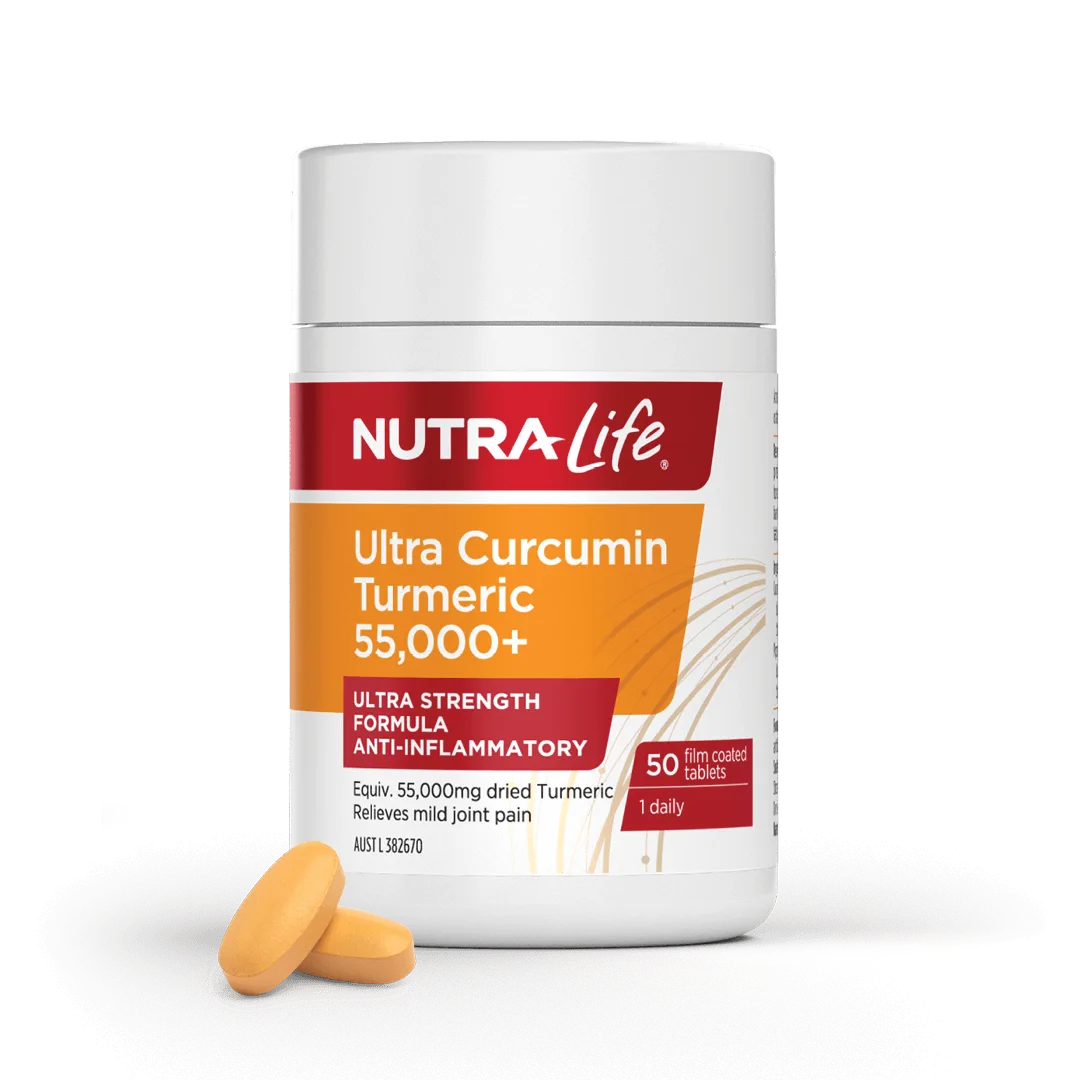
The most effective liver supplement is the one you will actually take. A 50-tablet bottle of a one-a-day curcumin formula lasts nearly two months, which suits people who want a simple routine. A 30- or 60-capsule probiotic is a different kind of daily habit and may suit you better if digestion and immunity are your main concerns rather than liver support specifically. Read the serving size honestly: if a bottle says "take three tablets daily," a 60-tablet bottle is a 20-day supply, not a 60-day one. That math changes the real cost per day far more than the sticker price does.
Who Should Not Self-Treat With Liver Supplements
Supplements are not a substitute for diagnosis. If you have elevated liver enzymes, hepatitis, cirrhosis, fatty liver disease, or unexplained jaundice, see a clinician first — no over-the-counter product should delay that. If you take prescription medication, including blood thinners, some botanicals can interact with how your body processes drugs. Pregnant or breastfeeding women and people preparing for surgery should also check with a doctor before starting anything new. And if you drink alcohol heavily, the priority is reducing alcohol, not adding a capsule on top of it.
Decision Rules: Buy, Wait, or Skip
- Buy if the label names the ingredient and the dose: You can point to a specific standardized botanical or nutrient and a milligram amount per serving. For example, a curcumin formula that states its turmeric equivalent and includes black pepper for absorption gives you something concrete to compare. If you cannot find the dose, do not buy it.
- Wait if you take prescription medication or have a diagnosed liver condition: Botanicals can interact with how your body handles drugs, and a supplement should never delay medical care. Ask your doctor or pharmacist whether the specific ingredient is appropriate for you before starting. Get medical clearance first, then decide.
- Skip if the product promises to cure or repair liver damage: No over-the-counter supplement reverses cirrhosis, cures fatty liver, or replaces treatment. Products making those claims are not being honest about what they can do. Walk away from cure claims.
- Choose a form you will take daily: A one-a-day tablet or capsule is easier to sustain than a three-times-daily powder. Match the format to your routine, then calculate the real cost per day from the serving size and bottle count. Consistency beats potency on paper.
How These Products Fit a Liver-Support Routine
- Ultra Curcumin Turmeric 55,000+: Ultra Curcumin Turmeric 55,000+ combines an equivalent of 55,000 mg of turmeric with black pepper in a convenient 1-a-day tablet, available in 50 tablets. The black pepper is included specifically to support absorption of curcumin, and the one-a-day format makes it easy to stay consistent. A 50-tablet bottle is roughly a 50-day supply at one tablet daily.
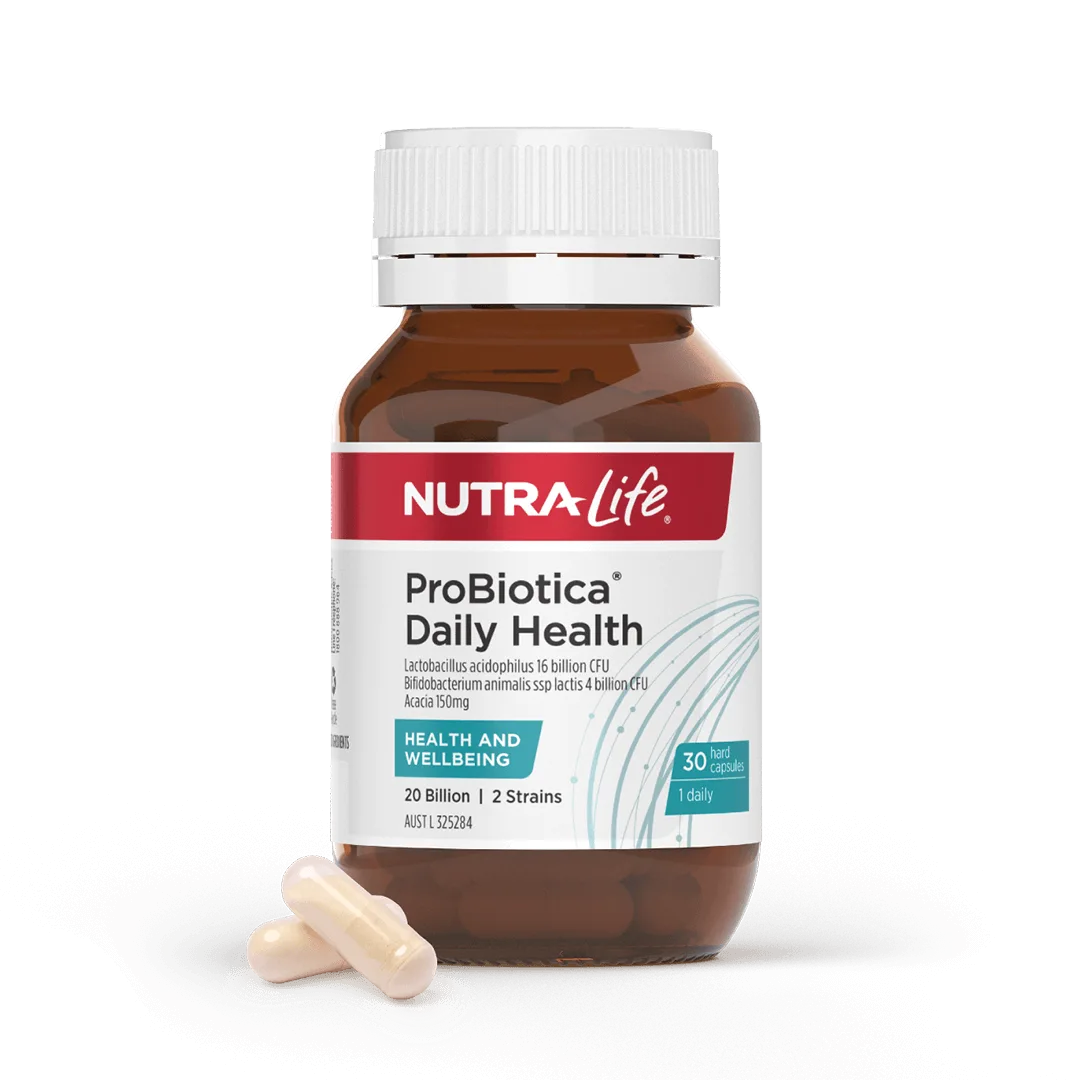
- Probiotica Daily Health: Probiotica Daily Health is a one-a-day, vegan-friendly probiotic with two researched strains of friendly bacteria, supports general health and wellbeing and immune system function, is shelf stable, and is available in 30 and 60 capsules. If your main goal is general wellbeing and immune support rather than liver-specific botanicals, this is a simpler daily option. The shelf-stable format means it does not require refrigeration, which matters for travel and for people who forget to restock the fridge.
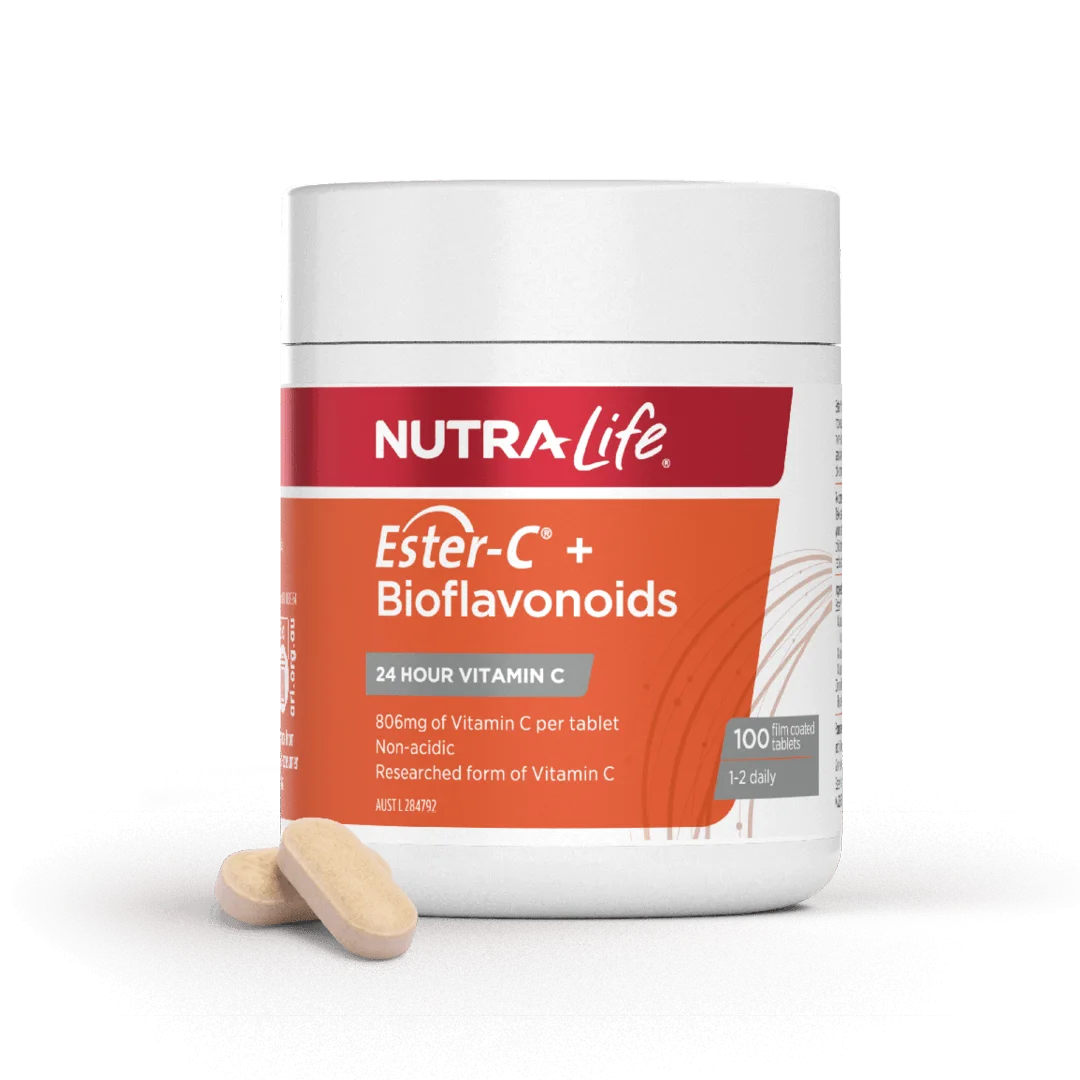
- Ester-C + Bioflavonoids: Ester-C + Bioflavonoids provides 24-hour immune support, decreases the duration and severity of common cold symptoms, and uses a non-acidic researched form of vitamin C, available in 100 tablets. This is not a liver-specific product, but it is a reasonable companion if your broader goal is immune resilience while you focus on liver-supporting habits. The non-acidic form may suit people who find regular vitamin C hard on the stomach.
Is a Liver Supplement Right for You?
Best for
- Adults with a generally healthy liver who want a daily botanical such as standardized milk thistle or curcumin as part of a broader wellness routine
- People who already eat well, limit alcohol, and want a simple one-a-day curcumin or turmeric formula to add to their habits
- Travelers and people who prefer shelf-stable, easy-to-take formats over powders or refrigerated products
Not for
- Anyone with diagnosed liver disease, elevated liver enzymes, or unexplained jaundice — see a clinician first
- People taking prescription medication, including blood thinners, without checking for interactions
- Anyone looking for a product that will reverse liver damage or replace medical treatment
- Pregnant or breastfeeding women and people preparing for surgery, unless a doctor approves
Before you buy, read the ingredient panel and confirm the dose per serving. If it is clear and honest, and your doctor has no objection, a well-formulated liver support supplement can be a reasonable part of a daily routine. If anything is vague or the claims sound like a cure, put it back on the shelf.