Two straps, two different jobs
The Long Weekend Adjustable Camera Neck Strap and the Long Weekend Camera Wrist Strap are both camera straps, but they are not interchangeable choices for the same setup. The neck strap is built to carry a camera on your body, worn around the neck or crossbody. The wrist strap is described as a no-nonsense wrist strap designed for point and shoot cameras.
That difference in intended use matters more than the color options. If you are deciding which camera strap to choose, start with the camera you plan to carry and how long you expect to hold it, not with which strap looks better on the shelf.
What each strap is designed to do
-
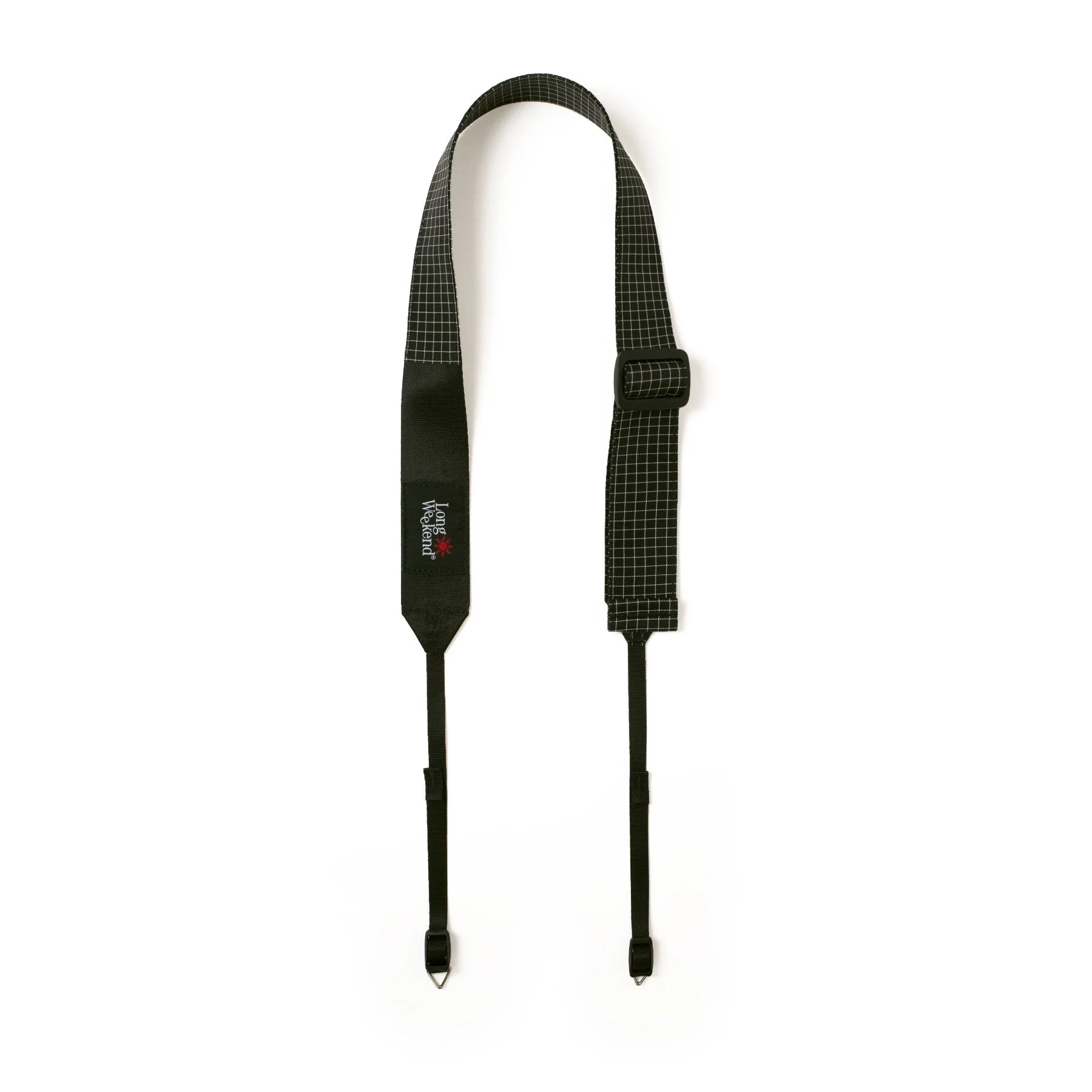
Long Weekend Adjustable Camera Neck Strap: The Long Weekend Adjustable Camera Neck Strap is a strong yet comfortable strap that can be worn around the neck or crossbody. This is the defining difference: it is a carry strap for wearing a camera on your body, with two wearing positions.
Long Weekend Adjustable Camera Neck Strap
-
Long Weekend Adjustable Camera Neck Strap: The ripstop material used is comfortable and less sweaty than leather - perfect for the Australian climate. Material comfort is a practical factor if you wear a camera for long stretches in warm weather.
-
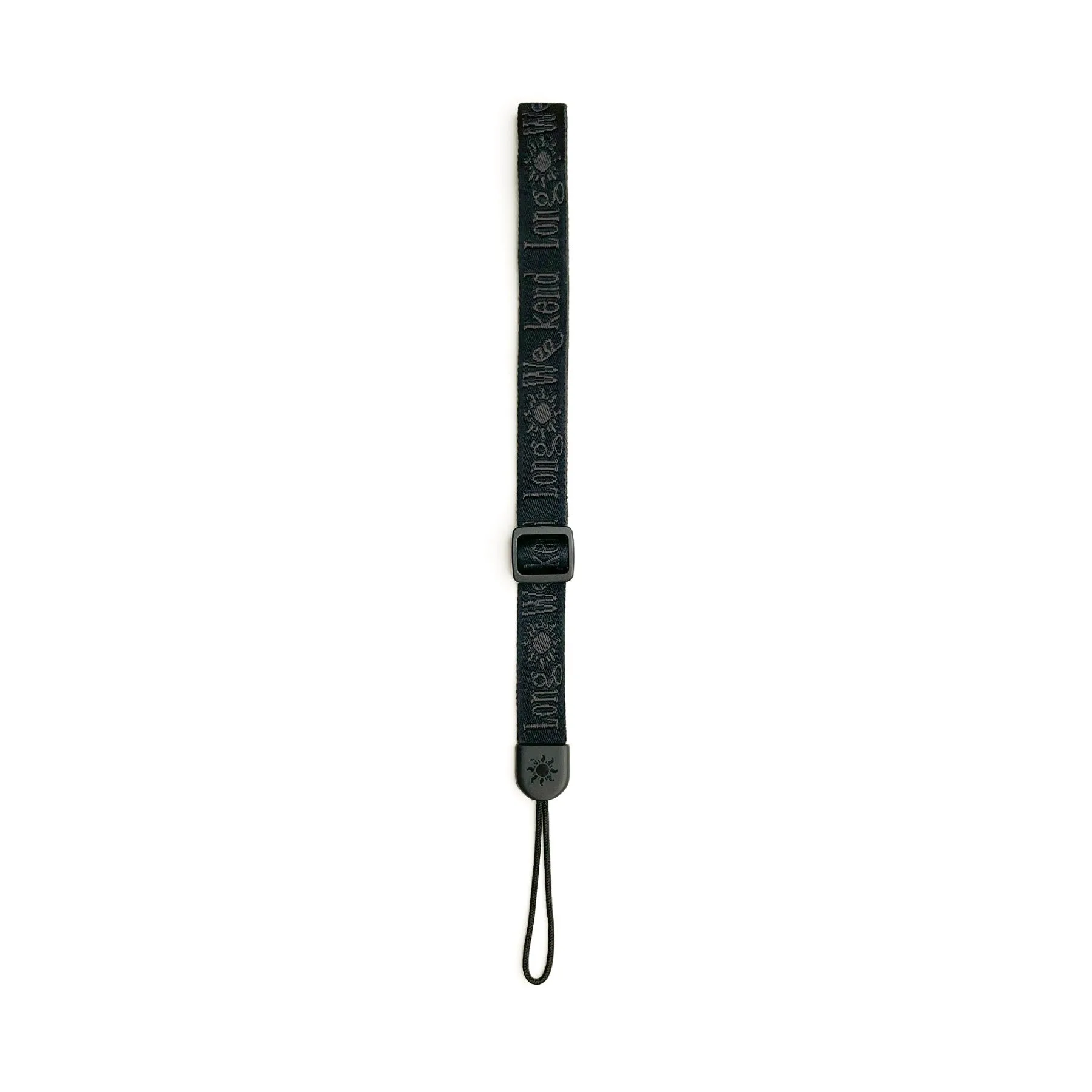
Long Weekend Camera Wrist Strap: The Long Weekend Camera Wrist Strap is a no-nonsense wrist strap designed for point and shoot cameras. The wrist strap is scoped to point-and-shoot cameras, so it is not a like-for-like replacement for a neck strap on a larger body.
Long Weekend Camera Wrist Strap
-
Long Weekend Camera Wrist Strap: It has all you need in a camera wrist strap - it is easy to adjust, durable and comfortable. Adjustability, durability and comfort are the core claims for the wrist strap, with no claim about carrying a camera around the neck.
Neck strap vs wrist strap at a glance
These are the practical differences supported by the product records. Where a detail is not confirmed, treat it as an open question rather than a reason to assume the strap cannot do something.
- Carry position: The neck strap can be worn around the neck or crossbody. The wrist strap is worn on the wrist and is designed for point-and-shoot cameras.
- Adjustability: The neck strap is named as adjustable. The wrist strap is described as easy to adjust. The catalog does not state specific length ranges for either strap.
- Comfort in warm weather: The neck strap's ripstop material is described as less sweaty than leather. No equivalent material claim is supplied for the wrist strap.
- Camera suitability: The wrist strap is explicitly designed for point and shoot cameras. The neck strap record does not name a camera type or weight limit, so check your own camera and mounting point before relying on it.
- Color options: Both straps are available in Black and Creme-Multi. The Creme Multi wrist strap is described as an easy way to give your camera a pop of colour.
Which strap suits street photography?
Street photography often means walking with a camera for a while, then raising it quickly. The neck strap's around-the-neck or crossbody wear is the more natural fit for that pattern because it keeps the camera on your body between shots. The wrist strap, by contrast, is designed for point-and-shoot cameras and is a wrist-worn accessory rather than a body-carry strap.
That does not make the wrist strap the wrong choice for street work. If your street camera is a compact point-and-shoot and you prefer to keep your hands free between frames, the wrist strap is the option the catalog actually describes for that camera type. The honest trade-off is that the supplied information does not confirm a neck or crossbody carry option for the wrist strap, so do not buy it expecting one.
Checkpoints before you choose
Use these checks to match the strap to your camera and habits. They are decision points, not installation instructions.
- Identify your camera type: If you shoot a point-and-shoot, the wrist strap is explicitly designed for that category. If you carry a larger camera, the neck strap record is the broader carry option, but no weight limit is supplied, so confirm the mounting point and your comfort level.
- Decide how you want to carry: Around the neck, crossbody, or on the wrist. The neck strap supports the first two; the wrist strap supports the third.
- Consider climate and material: The neck strap's ripstop is described as less sweaty than leather. If warm-weather comfort is a priority, that is a supplied reason to lean toward the neck strap.
- Check the attachment point on your camera: The catalog does not supply attachment hardware details or fitting steps for either strap. Inspect your camera's strap lug and the strap's connection before use.
- Accept the evidence limits: Specific lengths, weight ratings and care instructions are not confirmed by the supplied records. If any of those are deal-breakers, ask before ordering rather than assuming.
The honest trade-offs
The neck strap is the more versatile carry option on paper: it can be worn two ways and its material is pitched at warm-weather comfort. The trade-off is that the catalog does not confirm a camera type, weight limit or length range, so you are relying on the general description rather than a specification sheet.
The wrist strap is the simpler, more targeted choice for point-and-shoot cameras, with adjustability, durability and comfort as its stated strengths. Its limitation is scope: it is not described as a neck or crossbody strap, and the catalog does not confirm it for larger cameras. Neither strap is the universal answer; the right one depends on the camera you actually carry.