Quick Answer
If you lose a puzzle piece, first search thoroughly, then create a DIY replacement using cardboard and paint, or contact the manufacturer if the puzzle is new. To prevent future losses, store pieces in a resealable bag and assemble on a tray or mat. For a quick, low-cost solution, a custom-made piece works well for most puzzles.
Losing a puzzle piece is a frustrating moment, especially when you're close to finishing a 500-piece puzzle. The gap in the picture can feel like a tiny defeat, but there are practical ways to fix or replace a missing piece and keep your puzzle complete.
In this guide, we'll walk you through quick fixes for a lost puzzle piece, explain when to consider a replacement, and share prevention tips to avoid this problem in the future. Whether you're a casual puzzler or a dedicated enthusiast, these tips will save you time and stress.
First Steps: Search and Assess
Before you panic, do a thorough search. Check under furniture, in the box, and in the bag where you store the pieces. Sometimes pieces hide in the folds of a puzzle mat or in the sleeve of a game board. Use a flashlight to scan carpets and crevices—puzzle pieces can be surprisingly sneaky.
If you still can't find it, assess the situation. Is the puzzle new and still under warranty? If so, contact the manufacturer for a replacement. For older puzzles, a DIY fix is your best bet. The size of the missing piece also matters: a corner piece is easier to replace than a complex interior piece with multiple colors.
- Search the entire room before assuming the piece is lost.
- Check the box and any storage bags or mats thoroughly.
DIY Replacement: How to Make a Puzzle Piece
For a permanent fix, you can create a replacement piece using cardboard, a craft knife, and paint. Trace the missing area's shape onto a piece of thin cardboard (like a cereal box), cut it out, and sand the edges to match the puzzle's thickness. Then, paint the top to match the surrounding image as closely as possible.
This method works well for solid-color areas or simple patterns, but it's challenging for detailed images. If the missing piece is in a busy area, consider using a photo of the finished puzzle as a reference. It won't be perfect, but it will fill the gap and keep the puzzle intact.
- Use thin cardboard and a craft knife for a clean cut.
- Match the color and pattern as closely as possible for a seamless look.
When to Seek a Replacement
If the puzzle is new and from a brand that offers replacement pieces, contact customer service. Some manufacturers provide free or low-cost replacement pieces for missing parts. Check the box or the brand's website for details.
For older puzzles, a DIY replacement is often the only option. However, if you plan to frame the puzzle, a handmade piece might be acceptable. But if you want a pristine look, consider buying a new puzzle of the same image—especially if it's a limited edition or a favorite design.
- Check the manufacturer's website for replacement policies.
- Consider a new puzzle if the image is important to you.
Prevention Tips for Future Puzzles
The best way to deal with a lost puzzle piece is to prevent it from happening. Use a puzzle mat or a large tray to keep pieces contained. Store your puzzle in a resealable plastic bag when not in use, and avoid assembling in high-traffic areas where pieces can get knocked off.
Also, sort pieces by color or edge before starting—this reduces the chance of pieces getting lost in the pile. If you have pets or small children, keep your puzzle area off-limits or cover it when unattended. These simple habits will save you from future frustration.
- Use a puzzle mat with a roll-up design for safe storage.
- Sort pieces before starting to keep the workspace organized.
Diagnosis: Lost Puzzle Piece
- Symptom: A visible gap in your puzzle where a piece should fit, usually noticed near the end of assembly. You've confirmed a piece is missing.
- Likely Cause: The piece was knocked off the table, swept up, or hidden in the box or mat. Search thoroughly before taking action.
- Corrective Action: If found, place it back. If not, create a DIY replacement using cardboard and paint, or contact the manufacturer for a new puzzle if it's under warranty. Choose the fix that matches your skill level and the puzzle's value.
- Stop or Choose Another Option: If the DIY fix looks too noticeable or the puzzle is a collector's item, consider buying a new puzzle of the same image instead of settling for a patch. A fresh puzzle may be a better investment than a flawed repair.
Product Facts
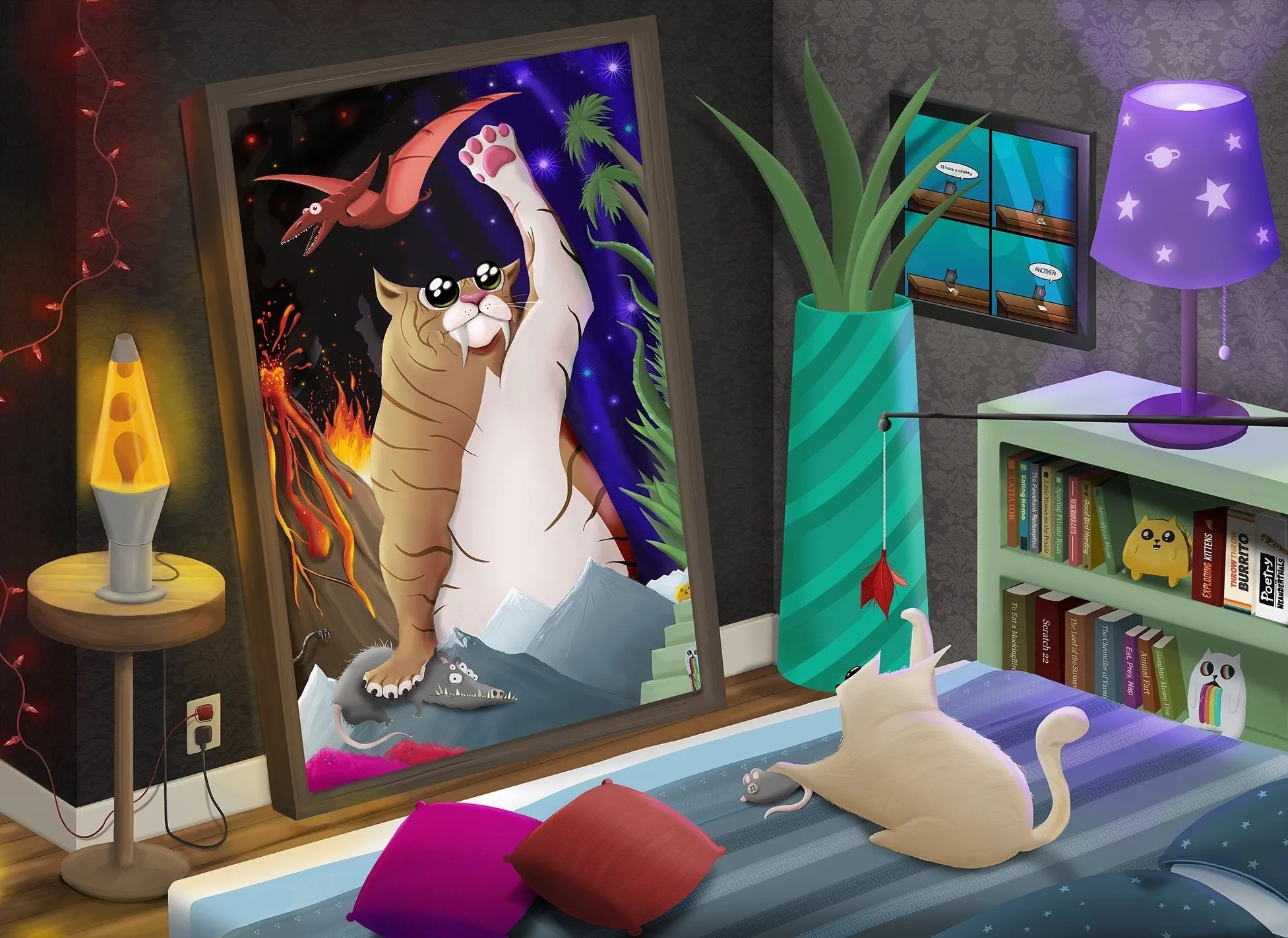
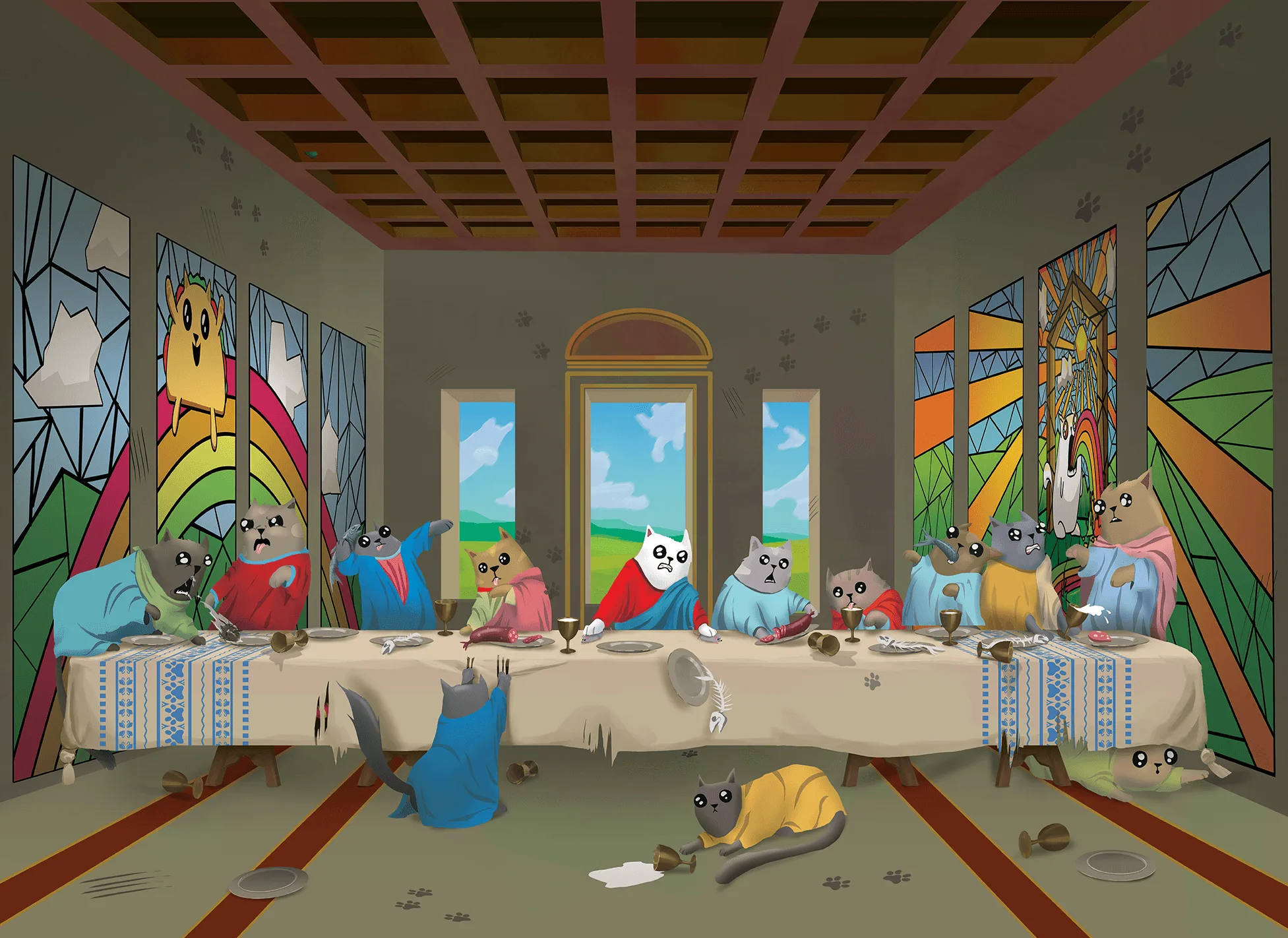
- Cats in Quarantine: Have cats noticed quarantine? They’ve actually mastered it. A fun 500-piece puzzle from Exploding Kittens that's perfect for practicing your puzzle care skills—and if you lose a piece, the playful artwork makes a DIY fix more forgiving.
- The Giant Wombat Plush: Trust us. It’s as squishy as it looks. While not a puzzle, this collectible plush is a great companion for your puzzle sessions—and a soft place to rest your head when you're staring at a missing piece.
Losing a puzzle piece doesn't have to ruin your puzzle experience. With a quick search, a simple DIY fix, or a manufacturer replacement, you can complete your puzzle and enjoy it for years. And with a few prevention habits, you'll keep your next 500-piece puzzle—like the Cats in Quarantine puzzle—complete from start to finish.