Quick answer
Choose M3 nylon standoffs when you need electrical insulation, vibration damping, or a lightweight, non-corrosive mount. Choose metal standoffs when you need maximum mechanical strength, grounding paths, or a secure fit in high-torque applications. Nylon is non-conductive and cheaper; metal is stronger and can conduct.
Key differences between nylon and metal standoffs
The main difference is electrical conductivity. Nylon standoffs are non-conductive and act as insulators, preventing accidental shorts between a PCB and the chassis or other components. Metal standoffs (usually brass, aluminum, or steel) conduct electricity, which is useful for grounding but risky if you need isolation.
Mechanical strength also differs. Metal standoffs handle higher torque and are less likely to strip threads, making them better for heavy boards or frequent assembly and disassembly. Nylon standoffs are lighter, resist corrosion, and absorb vibration better, which can protect sensitive circuits in moving or portable projects.
When insulation matters most
If your PCB has exposed traces or components near the mounting holes, a conductive metal standoff can create a short circuit. Nylon standoffs eliminate that risk entirely. They are also ideal for high-voltage or static-sensitive circuits where any unintended path could cause damage.
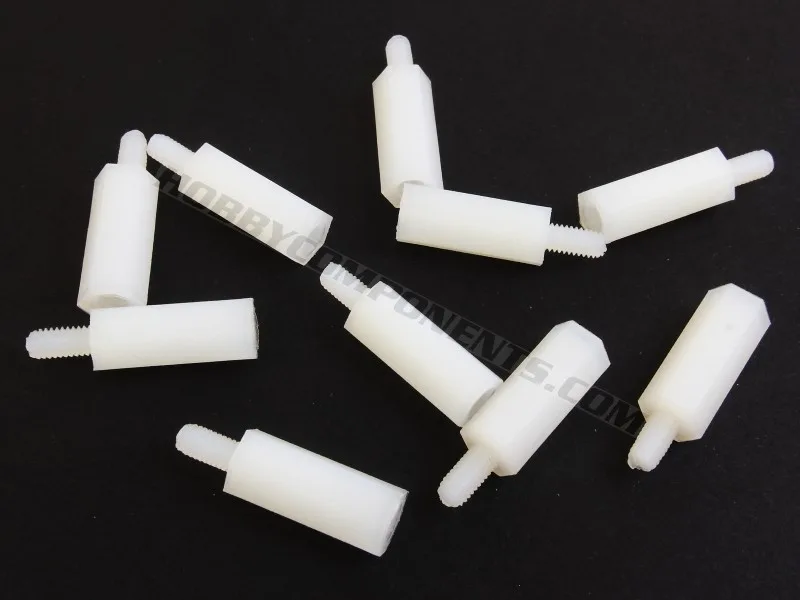
For hobbyist enclosures and prototyping boards that don't need grounding through the standoffs, nylon is the simpler, safer choice. The M3 Nylon 15mm Pillar / Standoff (Set of 10) provides reliable spacing and mounting for electronic components and PCBs without introducing conductivity concerns.
When you need strength or grounding
Metal standoffs are the right pick when the standoff itself must carry a ground connection, such as in RF shielding or certain power supply layouts. They also hold up better under repeated tightening and in environments with vibration that could crack plastic.
If your project uses heavier modules, multiple stacked boards, or requires a rigid mechanical frame, metal standoffs provide the structural integrity nylon cannot match. However, remember that metal adds weight and can corrode in humid conditions unless plated or stainless steel is used.
Trade-offs at a glance
- Electrical insulation: Nylon is non-conductive; metal conducts. If your PCB has exposed traces or you need isolation, nylon is the only safe choice. If you need grounding through the standoff, metal is required. Choose nylon for isolation; metal for grounding.
- Mechanical strength: Metal standoffs handle higher torque and are less likely to strip. Nylon can crack if over-tightened but is adequate for light boards and prototyping. Choose metal for heavy or frequently handled assemblies; nylon for light or static projects.
- Cost and weight: Nylon standoffs are typically cheaper and lighter. The M3 Nylon 15mm Pillar / Standoff (Set of 10) costs USD 0.64, making it an economical choice for multiple mounting points. Metal standoffs are heavier and more expensive. Nylon saves money and weight; metal costs more but adds durability.
Product facts
- M3 Nylon 15mm Pillar / Standoff (Set of 10): Set of 10 M3 Nylon Pillars / Standoffs, each 15mm in length. These standoffs provide reliable spacing and mounting for electronic components and PCBs. Thread size: M3. Length: 15mm. Material: Nylon. Quantity: 10 pieces per set. Nylon's non-conductive nature makes these standoffs ideal for insulating PCBs from the case or other boards, preventing shorts. The 15mm height gives enough clearance for most components on the underside of a board.
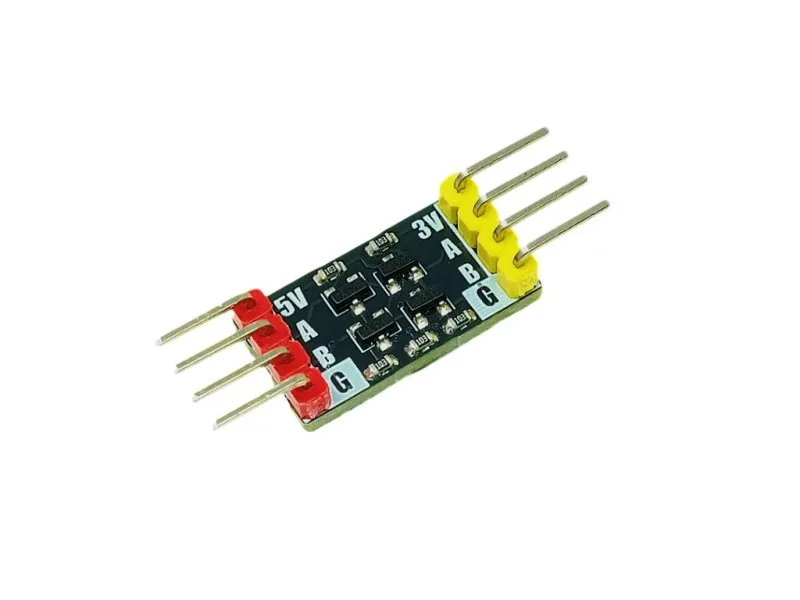
- Hobby Components 2 Channel Level Shifter: This module uses a set of transistors with pullup resistors to provide a 2 channel bi-directional voltage level conversion (level shifting) for digital logic signals. Intended mainly for the conversion of signals between 3.3V and 5V logic levels. When using a level shifter like this, mounting it on nylon standoffs ensures no accidental shorts between the 3.3V and 5V sides through the mounting hardware, preserving signal integrity.
Which standoff should you buy?
Best for
- Hobbyists and prototypers who need non-conductive, lightweight mounting for PCBs and modules
- Projects with exposed traces, high-voltage circuits, or static-sensitive components
- Budget-conscious builds where multiple standoffs are needed
Not for
- Applications that require grounding through the standoff or a rigid mechanical frame
- Heavy boards or assemblies that will be frequently disassembled and re-tightened
- Environments with high vibration where metal threads are preferred