What a Macro Reverse Ring Does
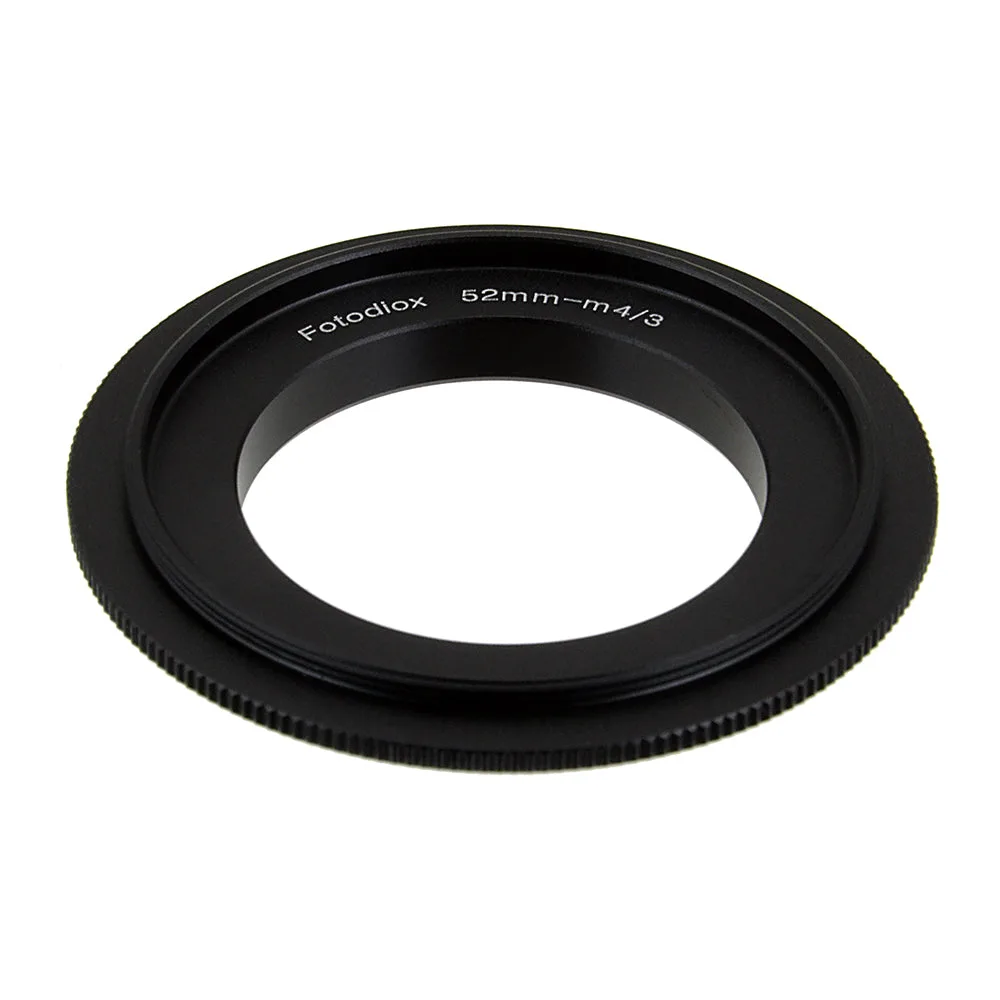
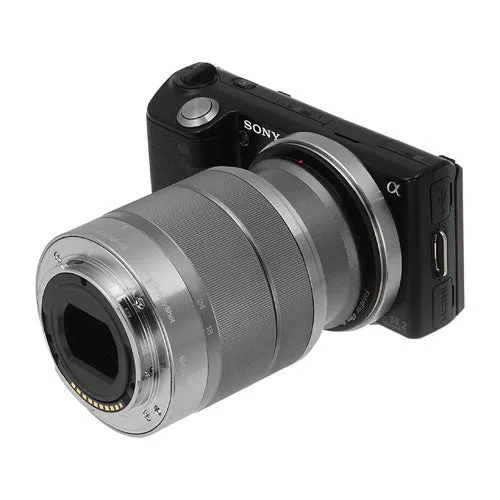
A macro reverse ring is a simple metal adapter that lets you mount two lenses front-to-front using their filter threads. This lens-to-lens coupling creates an extreme close-up macro setup without needing a dedicated macro lens. The Fotodiox Macro Reverse Ring for Lens to Lens Coupling is an affordable way to turn lenses you already own into a high-magnification rig.
Because the ring has no optical insert, the image preserves the original optical properties of your lenses. All you add is a precise thread connection, so you keep the optical quality of your glass while gaining macro capability.
Key Facts About the Fotodiox Macro Reverse Ring
-
Macro Reverse Ring for Lens to Lens Coupling - Filter Thread to Filter Thread Adapter for Most Common Lens Sizes: The ring is made of hard anodized aluminum and has a precise 0.75 pitch thread. A durable, precisely machined ring ensures a secure and stable connection between your lenses, which is essential when you're handling a coupled setup.
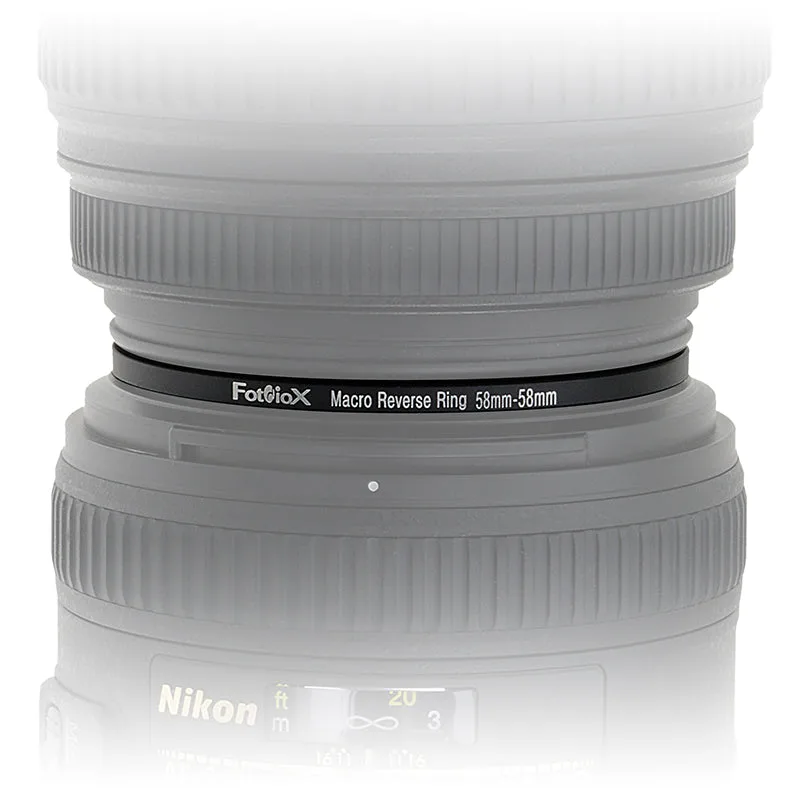
Macro Reverse Ring for Lens to Lens Coupling - Filter Thread to Filter Thread Adapter for Most Common Lens Sizes
-
Macro Reverse Ring for Lens to Lens Coupling - Filter Thread to Filter Thread Adapter for Most Common Lens Sizes: No optical insert is included, so the image retains the original optical properties of the lens. You get macro magnification without introducing extra glass that could degrade sharpness or contrast.
-
Macro Reverse Ring for Lens to Lens Coupling - Filter Thread to Filter Thread Adapter for Most Common Lens Sizes: The ring has no electrical contacts, so autofocus, AE metering, and image stabilization will be disrupted. You'll need to focus manually and control exposure manually or with aperture-priority stop-down metering.
How to Set Up a Lens-to-Lens Macro Rig
Mounting two lenses with a reverse ring is straightforward, but a few checks will save you frustration.
- Choose two lenses with matching filter threads: The ring comes in pairs like 52mm/52mm or 58mm/67mm. Both lenses must have filter thread sizes that match the ring's two sides. If one lens has a different thread size, you can use step-up or step-down rings to adapt.
- Attach the reverse ring to the front of the primary lens: Screw one side of the ring onto the filter thread of the lens that will stay mounted on the camera. Make sure it's snug but not overtightened.
- Mount the second lens in reverse: Screw the second lens's filter thread onto the other side of the ring, so the two lenses face each other front-to-front. The rear element of the reversed lens will now point away from the camera.
- Set your camera to manual or aperture-priority mode: Because there are no electrical contacts, you'll need to focus manually. Use aperture-priority stop-down metering to set exposure, or set it fully manually.
- Experiment with lens combinations: Different focal lengths and lens lengths change magnification and focusing range. Expect to try a few setups to find the magnification and working distance you like.
Compatibility Notes and Limitations
Any lens with a filter thread will fit on the ring, and you can expand compatibility with step-up or step-down rings. However, there are a few important limitations to keep in mind.
Focus-by-wire lenses, such as Canon STM or Nikon AF-P, require power to engage the manual focus ring. Since this adapter does not power the lens, those lenses will not be able to focus. Also, if your lens lacks a manual aperture ring, the aperture will revert to its default position, which may be stopped down or wide open depending on the lens.
This is a manual connection, so any lens function that relies on electronic communication with the camera body—autofocus, AE metering, image stabilization—will be disrupted. Plan to control focus and exposure manually.
Choosing the Right Ring Size
The Fotodiox Macro Reverse Ring is available in several filter thread combinations, including 49mm/52mm, 52mm/52mm, 52mm/55mm, 52mm/58mm, 52mm/67mm, 52mm/77mm, 58mm/58mm, and 58mm/67mm. To pick the right one, check the filter thread size printed on the front of each lens (usually marked with a "ø" symbol and a number in millimeters).
If your two lenses have different thread sizes, choose a ring that matches the larger thread on one side and the smaller on the other. If neither side matches exactly, step-up or step-down rings can bridge the gap.