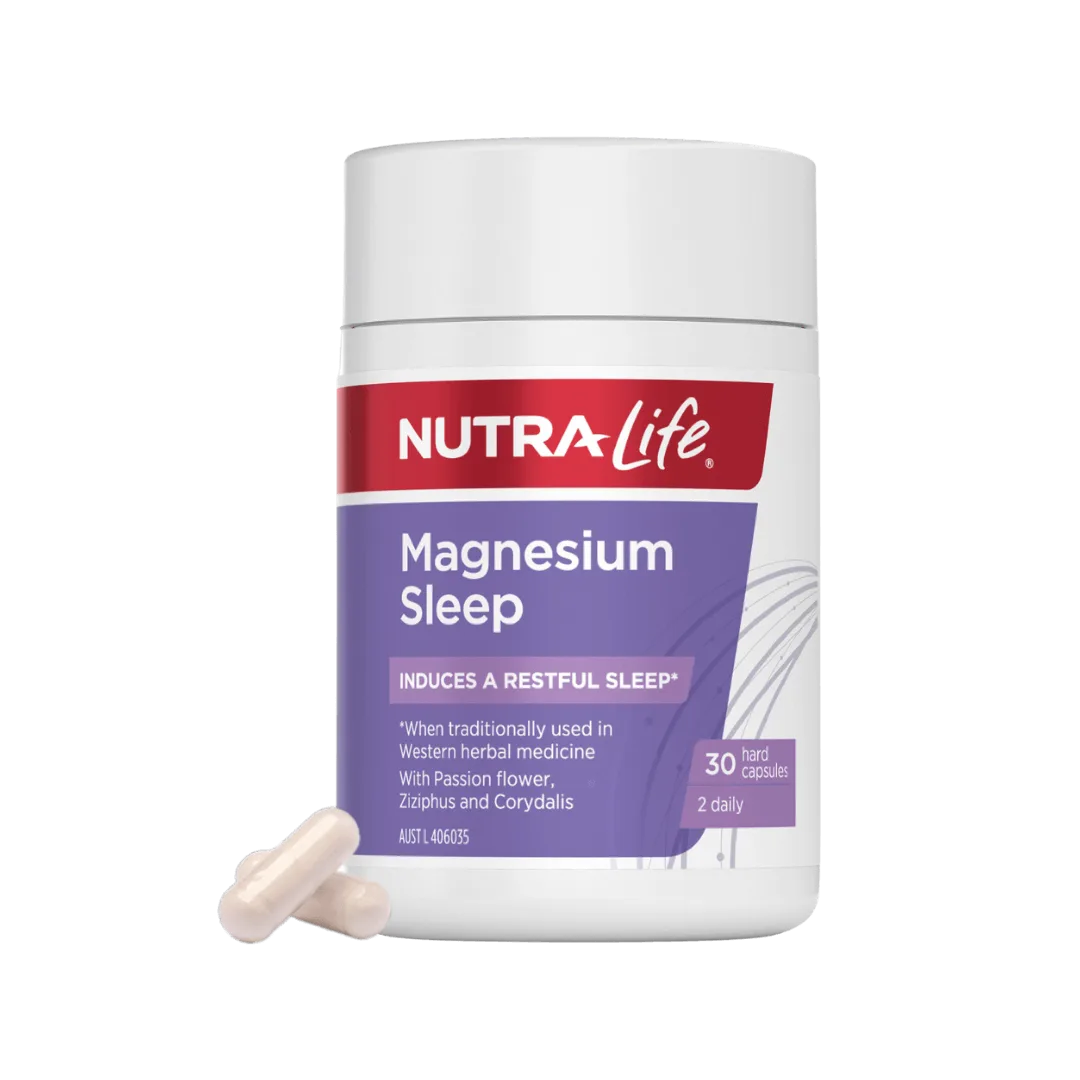
If you've been tossing and turning at night, you're not alone. Millions of adults struggle with falling asleep or staying asleep, and many are looking for natural solutions. One mineral that has gained significant attention for its sleep-promoting properties is magnesium. But how exactly does magnesium help you sleep, and what is the best form to take for insomnia? In this guide, we'll explore the science behind magnesium and sleep, compare different types, and offer practical tips for incorporating it into your nightly routine.
Magnesium is an essential mineral involved in over 300 biochemical reactions in the body, including nerve function, muscle relaxation, and the regulation of melatonin—the hormone that controls your sleep-wake cycle. Low magnesium levels have been linked to poor sleep quality, insomnia, and even restless leg syndrome. By ensuring you get enough magnesium, you may be able to calm your nervous system and prepare your body for a restful night.
How Magnesium Promotes Sleep
Magnesium supports sleep through several mechanisms. First, it activates the parasympathetic nervous system, which is responsible for relaxation and rest. It does this by regulating neurotransmitters that send signals throughout the nervous system. Specifically, magnesium binds to GABA receptors, which are inhibitory neurotransmitters that help quiet the brain and reduce mental chatter. This calming effect can make it easier to fall asleep and stay asleep.
Additionally, magnesium helps regulate melatonin, the hormone that signals your body it's time to sleep. It also helps maintain healthy levels of GABA, which promotes deep, restorative sleep. Furthermore, magnesium plays a role in muscle relaxation by helping to regulate calcium levels in muscle cells. This can prevent cramps and twitches that might disrupt your sleep.
- Regulates GABA and melatonin for a calmer mind
- Promotes muscle relaxation and prevents cramps
- Supports the parasympathetic nervous system for rest
Best Forms of Magnesium for Insomnia
Not all magnesium supplements are created equal when it comes to sleep. The form of magnesium determines how well it's absorbed and how effectively it crosses the blood-brain barrier. For sleep support, the most recommended forms are magnesium glycinate, magnesium citrate, and magnesium threonate. Magnesium glycinate is particularly popular because it combines magnesium with glycine, an amino acid that itself has calming properties. This form is gentle on the stomach and highly bioavailable, making it an excellent choice for those with sensitive digestion.
Magnesium citrate is another well-absorbed form, but it can have a laxative effect at higher doses, so it's best to start with a lower amount. Magnesium threonate is known for its ability to cross the blood-brain barrier, potentially offering cognitive benefits alongside sleep support. However, it's often more expensive. For a quick and convenient option, magnesium in powder form can be mixed into a warm beverage before bed, promoting relaxation and absorption.
- Magnesium glycinate: calming and gentle on the stomach
- Magnesium citrate: effective but may cause loose stools
- Magnesium threonate: crosses blood-brain barrier for cognitive benefits
Dosage and Timing for Optimal Sleep
The recommended dietary allowance for magnesium is around 310-420 mg per day for adults, depending on age and sex. For sleep support, many experts suggest taking a supplement that provides around 200-400 mg of elemental magnesium. It's important to start with a lower dose and gradually increase to avoid digestive upset. Taking magnesium about 30-60 minutes before bedtime can help you wind down and prepare for sleep.
It's also worth noting that magnesium works best when taken consistently over time. While some people may notice improvements within a few days, it can take several weeks to see significant changes in sleep quality. Pairing magnesium with good sleep hygiene—such as maintaining a consistent sleep schedule, reducing screen time before bed, and creating a relaxing bedtime routine—can enhance its effects.
- Start with 200 mg and adjust as needed
- Take 30-60 minutes before bedtime
- Be patient: consistent use yields best results
Choosing the Right Magnesium Supplement for You
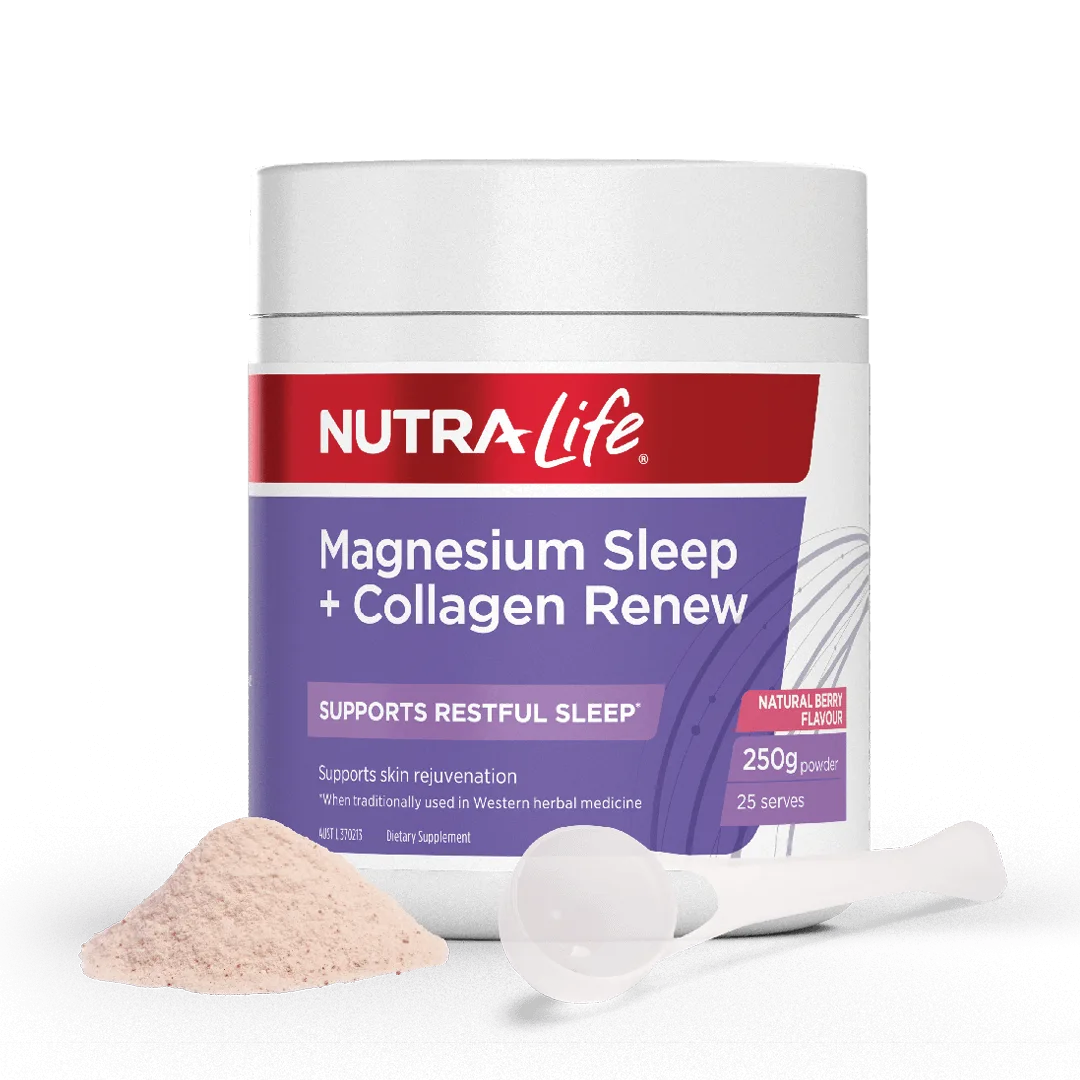
When selecting a magnesium supplement for sleep, consider your personal needs and preferences. If you struggle with muscle tension, a combination product that includes collagen might be beneficial. For example, https://nutralifecp.com/products/magnesium-sleep-collagen-renew-392020Magnesium Sleep + Collagen Renew offers the calming benefits of magnesium along with collagen to support joint and skin health during the night. If you prefer a fast-dissolving tablet, Magnesium Rapid Melt is a convenient option that can be taken without water, making it easy to keep by your bedside.
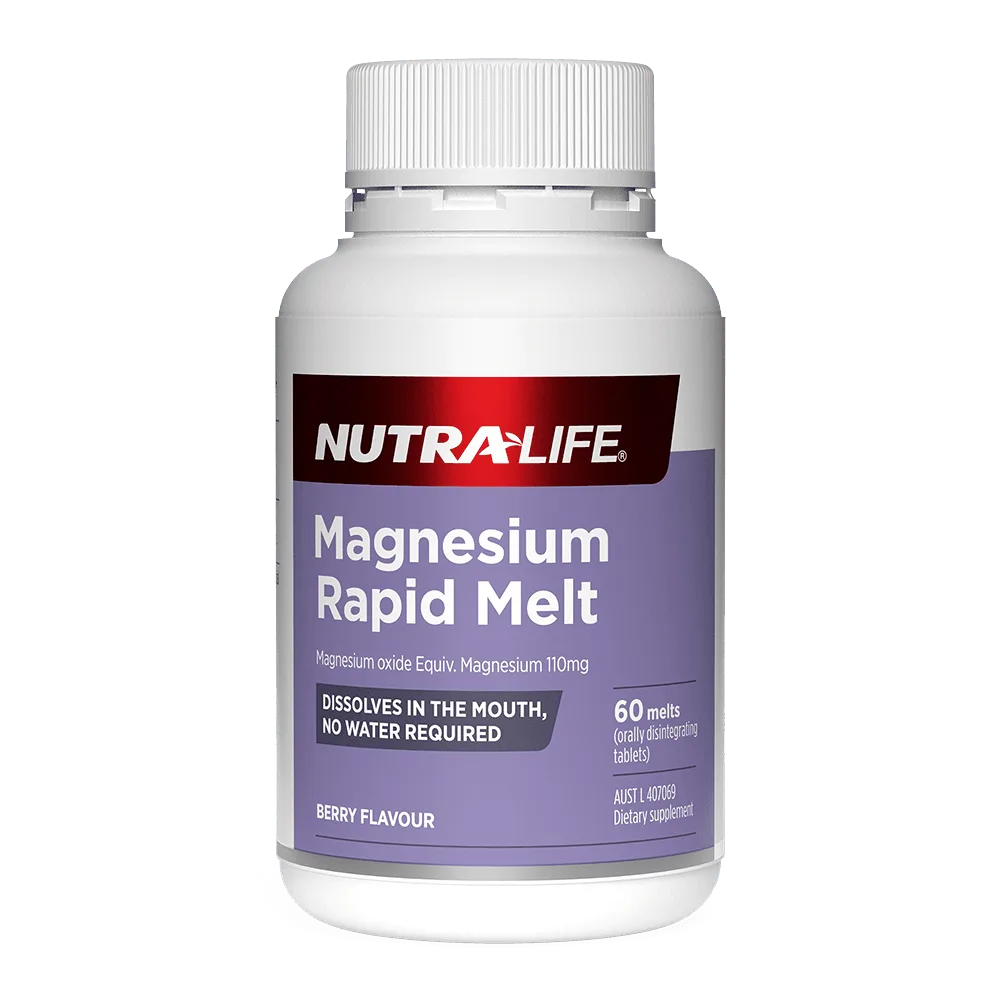
Magnesium Rapid Melt
For those who want a pure and highly absorbable form, Magnesium Glycinate Capsules are an excellent choice. They provide the calming effects of glycine paired with magnesium, making them ideal for anxiety-related insomnia. If you're looking for a powder that you can mix into a warm drink, consider a product like Joint Formula + MSM Lemon Powder, which includes magnesium along with MSM for joint support. Always check the label for the amount of elemental magnesium per serving and choose a product from a reputable brand.
- Consider combination products for added benefits
- Check elemental magnesium content per serving
- Choose a form that fits your lifestyle (capsule, powder, melt)
Incorporating magnesium into your nightly routine can be a game-changer for improving sleep quality and managing insomnia. By understanding how magnesium works and selecting the right form for your needs, you can take a natural step toward more restful nights. Remember to consult with a healthcare professional before starting any new supplement, especially if you have underlying health conditions or are taking medications.