If you're serious about fitness, you've probably heard about the importance of protein for muscle repair. But there's another mineral that deserves just as much attention: magnesium. This essential nutrient plays a starring role in muscle recovery, yet many athletes overlook it. In this article, we'll dive into the science behind magnesium and muscle recovery, explore its benefits for exercise performance, and offer practical tips on how to supplement effectively.

magnesium
Whether you're a weekend warrior or a professional athlete, understanding how magnesium works can help you bounce back faster, reduce muscle soreness, and optimize your training results. Let's unpack what the research says and how you can make magnesium a key part of your recovery routine.
Why Magnesium Matters for Muscle Function
Magnesium is involved in over 300 enzymatic reactions in the body, many of which are critical for muscle function. It helps regulate muscle contractions, supports energy production, and aids in the synthesis of proteins needed for muscle repair. Without adequate magnesium, your muscles may not function optimally, leading to cramps, weakness, and prolonged recovery times.
During exercise, magnesium requirements can increase due to losses through sweat and urine. This makes it especially important for athletes to maintain optimal magnesium levels. Research suggests that even a mild deficiency can impair exercise performance and increase the risk of muscle cramps and injuries.
- Regulates muscle contractions and relaxation
- Supports ATP production for energy during workouts
- Aids in protein synthesis for muscle repair
The Science: Magnesium and Muscle Soreness
One of the most sought-after benefits of magnesium is its potential to reduce muscle soreness after exercise. Delayed onset muscle soreness (DOMS) is common after intense workouts, and magnesium may help alleviate this discomfort. A study published in the Journal of Sports Medicine and Physical Fitness found that magnesium supplementation reduced markers of muscle damage and perceived soreness in athletes.
Magnesium's anti-inflammatory properties also contribute to faster recovery. By modulating inflammatory responses and reducing oxidative stress, magnesium helps muscles repair more efficiently. While more research is needed to fully understand the mechanisms, the existing evidence is promising for athletes looking to minimize downtime.
- May reduce DOMS severity
- Anti-inflammatory effects support recovery
- Helps lower oxidative stress from intense exercise
Magnesium Benefits for Exercise Performance
Beyond recovery, magnesium can enhance your performance during workouts. Adequate magnesium levels are linked to better endurance, strength, and power output. This is because magnesium plays a role in glucose metabolism and oxygen uptake, both of which are crucial for sustained exercise.
For athletes, maintaining optimal magnesium status is essential. Some research indicates that magnesium supplementation can improve performance in activities like cycling, swimming, and resistance training. If you're not getting enough through your diet, your performance may suffer, even if you don't notice obvious deficiency symptoms.
- Improves endurance and energy metabolism
- Supports strength and power output
- Enhances oxygen utilization during exercise
How to Choose the Right Magnesium Supplement
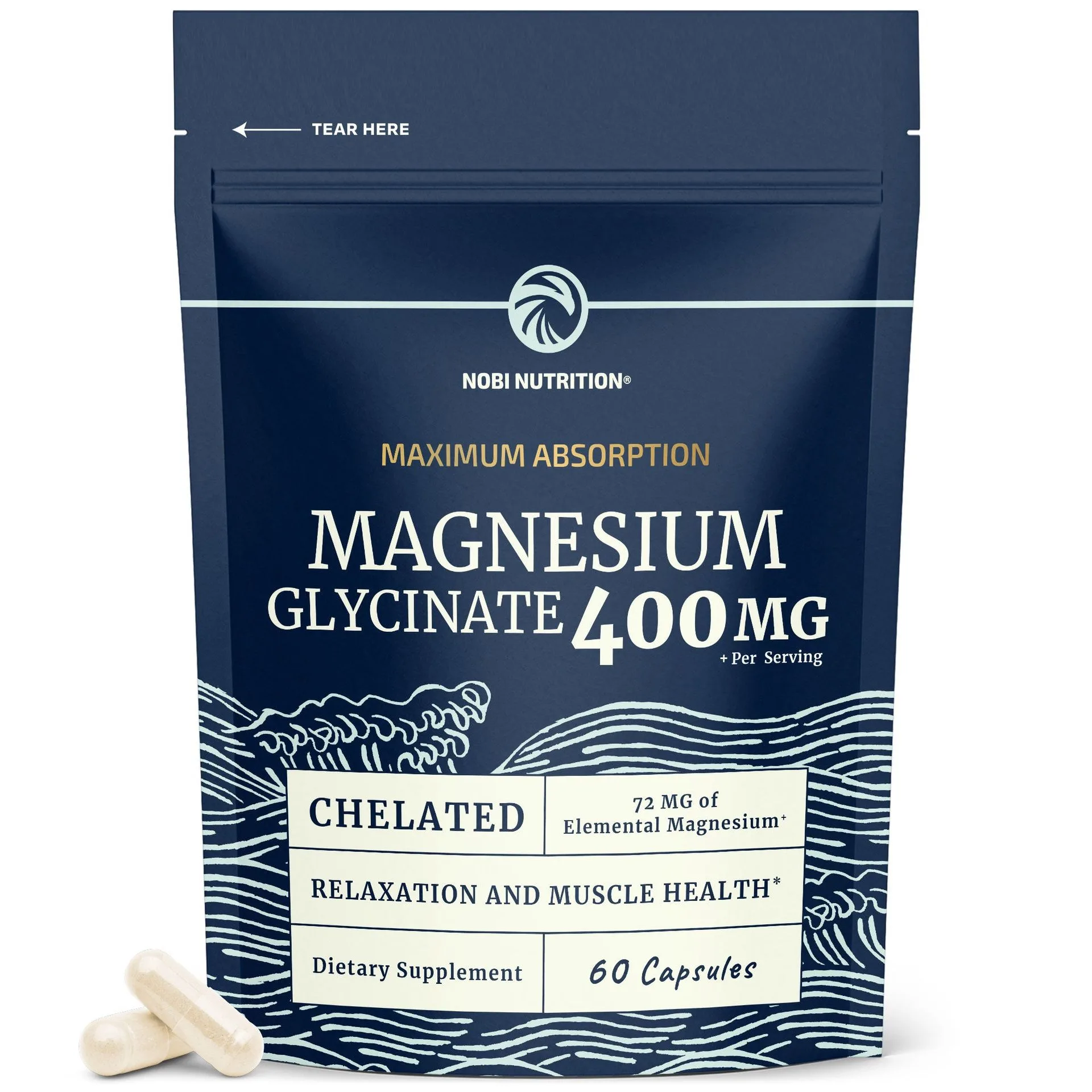
Not all magnesium supplements are created equal. Different forms have varying absorption rates and benefits. For muscle recovery, magnesium citrate and magnesium glycinate are often recommended due to their high bioavailability and muscle-relaxing properties. Magnesium malate is another option that may benefit athletes because it's involved in energy production.
When shopping for a supplement, look for products that use well-absorbed forms and avoid unnecessary additives. For example, some supplements combine magnesium with other recovery-supporting ingredients. Always check the label for dosage and consult with a healthcare professional if you have any underlying conditions.
- Choose chelated forms like glycinate or citrate for better absorption
- Consider magnesium malate for energy support
- Check for third-party testing and purity
Incorporating Magnesium into Your Recovery Routine
To reap the benefits of magnesium for muscle recovery, consistency is key. Most experts recommend taking magnesium daily, either with a meal to enhance absorption or in the evening to promote relaxation and sleep. Since sleep is also critical for recovery, magnesium can serve a dual purpose.

sleep
If you're already using other supplements, such as a protein powder or a lean support formula, adding magnesium can complement your regimen. For instance, pairing magnesium with products like Lean & Define MB-1+ Mixed Berry or https://arraer.com/products/clear-protein-raspberry-yuzu-371342Clear Protein+ (Raspberry Yuzu) can support overall recovery and wellness.
- Take magnesium at the same time each day for consistency
- Combine with protein and other recovery supplements for synergistic effects
- Monitor your body's response and adjust dosage as needed
Magnesium is a powerhouse mineral that plays a vital role in muscle recovery, performance, and overall athletic health. By understanding its benefits and choosing the right supplement, you can enhance your training results and reduce downtime. If you're looking to optimize your recovery stack, consider adding a high-quality magnesium supplement to your routine. For a comprehensive approach, explore our range of recovery-focused products, such as Lean & Define MB-1+ Mixed Berry, to support your fitness journey.