If you’ve ever woken up with a stiff neck after a tough workout or felt your calves twitch late at night, you already know how disruptive muscle tension can be. While stretching, hydration, and protein often steal the spotlight in recovery routines, one mineral quietly does heavy lifting behind the scenes: magnesium. This essential nutrient is involved in over 300 enzymatic reactions, many of which directly influence how your muscles contract, relax, and repair.
For athletes, weekend warriors, and anyone who simply wants to move through the day without aches, magnesium for muscle recovery is not a passing wellness trend—it’s a physiological necessity. In this guide, we’ll break down how magnesium works, which forms are most absorbable, when to take it, and how to incorporate it into your daily routine for both performance and relaxation.
Why Magnesium Matters for Muscle Function
Magnesium acts as a natural calcium blocker in muscle cells. When a nerve signal arrives, calcium rushes into the muscle fiber to trigger contraction. After the signal stops, magnesium helps pump calcium back out, allowing the muscle to relax. Without adequate magnesium, this cycle becomes sluggish, leading to prolonged contraction—which you experience as cramps, spasms, or that ‘locked-up’ feeling after exercise.
Beyond relaxation, magnesium supports energy production (ATP synthesis), protein synthesis for muscle repair, and electrolyte balance. During intense training, magnesium is lost through sweat, and chronic low levels can impair recovery and increase injury risk. Research suggests that many active individuals fall short of the recommended daily intake (around 400 mg for most adults), making supplementation a practical strategy for those who train hard.
- Magnesium helps muscles relax by balancing calcium levels.
- Supports ATP production for energy during exercise.
- Sweat losses can deplete magnesium, especially in endurance athletes.
Magnesium for Muscle Recovery: How It Helps
After a workout, your muscles need to repair micro-tears and clear out metabolic waste. Magnesium contributes to this process by reducing inflammation and supporting the function of glutathione, a key antioxidant. Some studies suggest that adequate magnesium intake may reduce markers of muscle damage and perceived soreness, helping you bounce back faster for your next session.
Magnesium also plays a role in sleep quality—a critical component of recovery. By binding to GABA receptors in the brain, magnesium promotes a calm, relaxed state that can help you fall asleep faster and enjoy deeper sleep. Since growth hormone is primarily released during deep sleep, better sleep translates directly to better muscle repair. For those who struggle with post-workout restlessness, magnesium for relaxation may be the missing link.
- May reduce post-exercise soreness and inflammation.
- Improves sleep quality, which is essential for muscle repair.
- Supports antioxidant defenses to combat exercise-induced oxidative stress.
Choosing the Right Magnesium Supplement for Muscles
Not all magnesium supplements are created equal. The mineral is bound to different carriers (like glycinate, citrate, or oxide), which affect absorption and tolerance. For muscle recovery and relaxation, magnesium glycinate is often considered the gold standard. It’s highly bioavailable and tends to be gentle on the stomach, making it ideal for daily use. Magnesium citrate is another well-absorbed option, though it can have a mild laxative effect at higher doses.
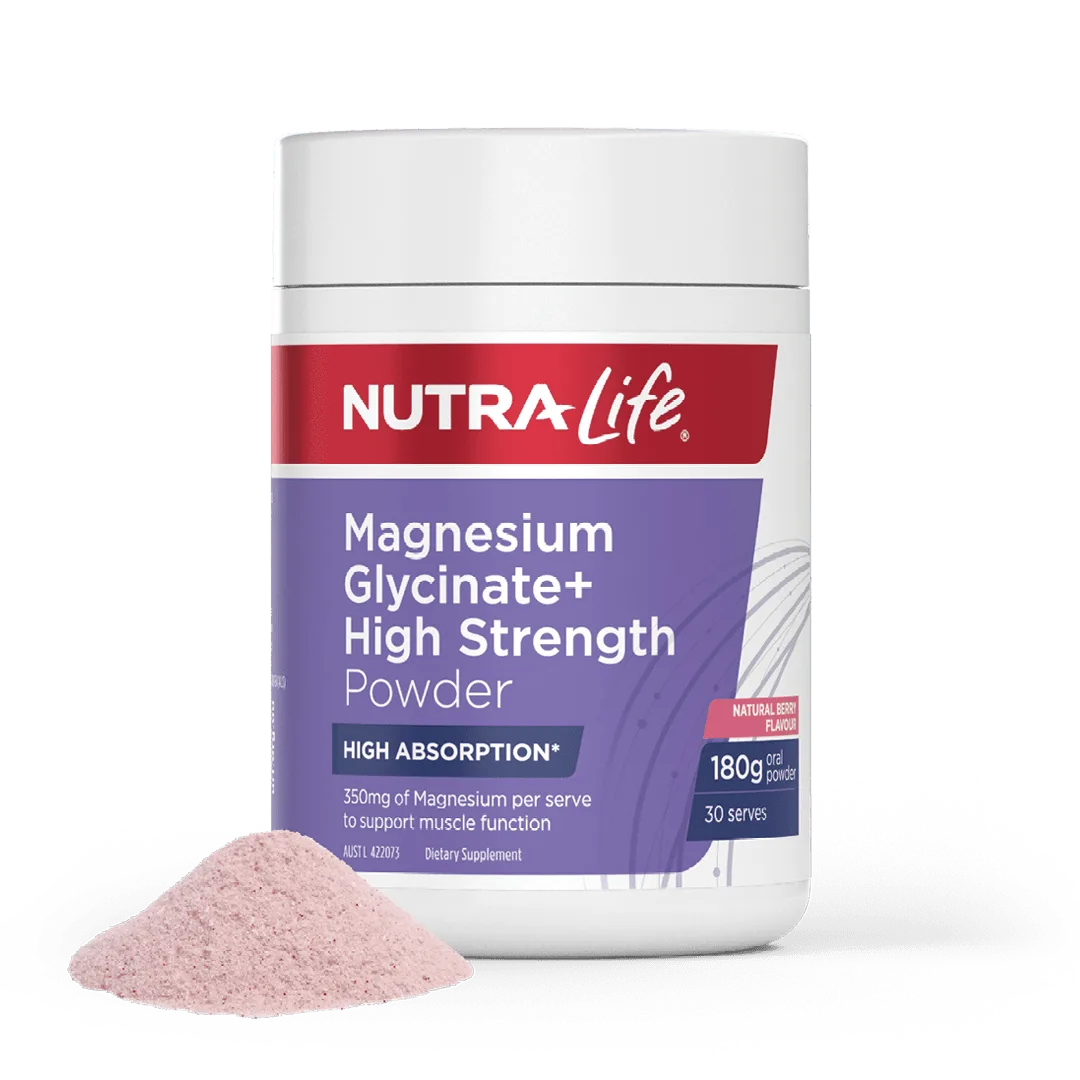
If you’re looking for a convenient way to increase your intake, a magnesium powder like Magnesium Glycinate+ High Strength Powder offers a versatile option. You can mix it into water or a post-workout shake, and the glycinate form specifically supports both muscle relaxation and sleep. For those who prefer capsules, magnesium glycinate capsules provide a straightforward, travel-friendly choice. Always check the elemental magnesium content on the label—aim for 200–400 mg per serving depending on your needs.
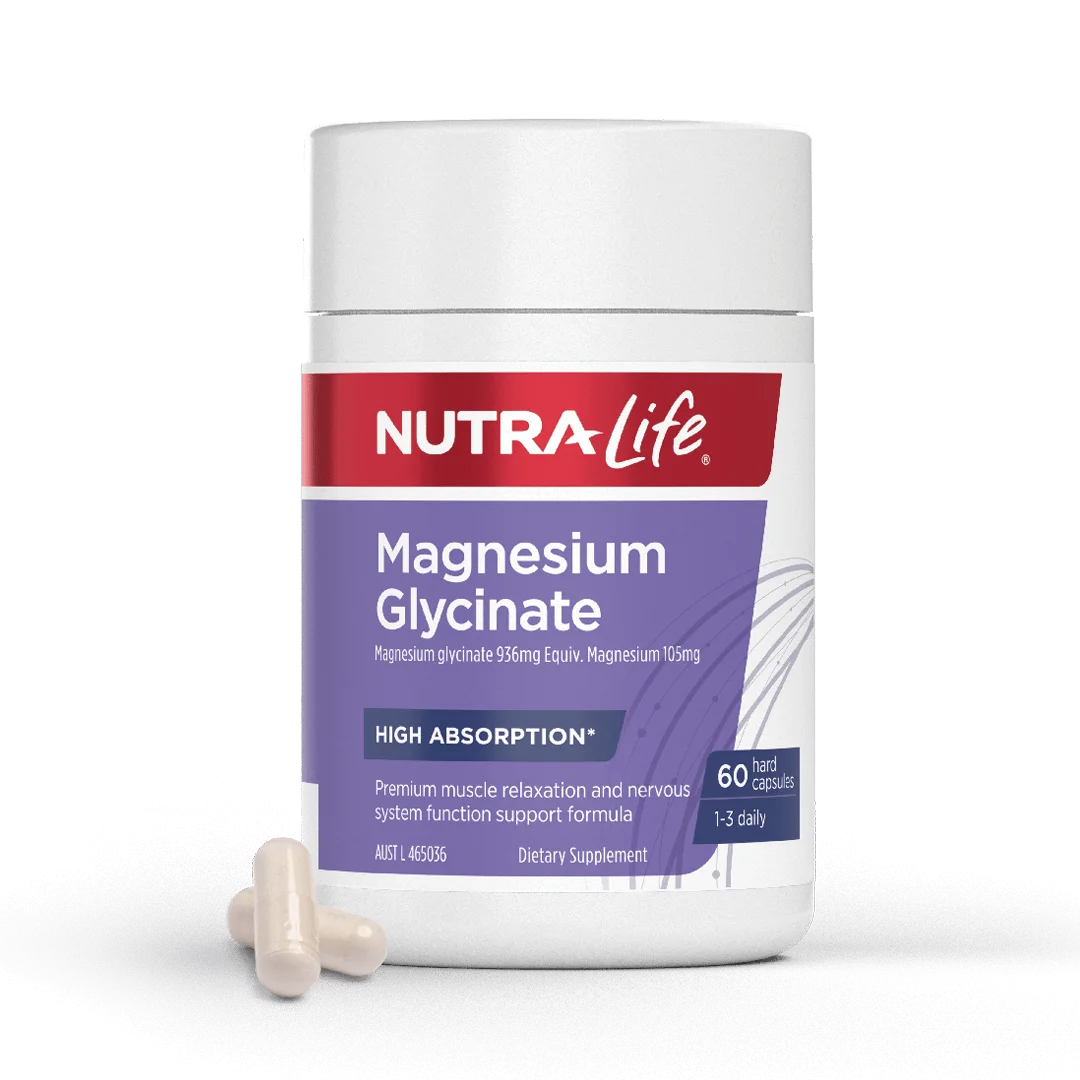
magnesium glycinate capsules
- Magnesium glycinate: best for absorption and relaxation.
- Magnesium citrate: good absorption, but may cause digestive upset in high doses.
- Avoid magnesium oxide for muscle recovery due to low bioavailability.
When and How to Take Magnesium for Best Results
Timing can make a difference. For muscle recovery, taking magnesium within 30–60 minutes after your workout can help replenish depleted stores and kickstart the relaxation process. For sleep and relaxation, a dose about an hour before bed is often recommended to enhance calmness and sleep quality. Some people split their dose—half in the morning, half at night—to maintain steady levels throughout the day.
Magnesium is best absorbed when taken with food, especially meals that contain some protein and healthy fats. Avoid taking it with high-fiber meals or alongside calcium supplements, as they can compete for absorption. If you’re using a powder, dissolve it fully in water and sip slowly. Start with a lower dose (around 100–150 mg) and gradually increase to assess your tolerance, especially if you’re new to magnesium supplementation.
- Post-workout: within 30–60 minutes to support recovery.
- Pre-bed: 1 hour before sleep for relaxation benefits.
- Take with food to enhance absorption and reduce GI upset.
Practical Tips for Maximizing Magnesium Benefits
While supplements are a reliable way to boost your magnesium intake, you can also increase your levels through diet. Dark leafy greens, nuts, seeds, whole grains, and legumes are excellent sources. However, modern farming practices and food processing can reduce magnesium content, making supplementation a practical safety net.
Pairing magnesium with other recovery nutrients can amplify its effects. For example, combining magnesium with vitamin B6 (which helps transport magnesium into cells) can enhance its benefits. Similarly, ensuring adequate potassium and sodium intake supports overall electrolyte balance. If you’re an athlete, consider a comprehensive approach that includes magnesium, omega-3s for inflammation, and a quality protein source to cover all recovery bases.
- Eat magnesium-rich foods daily: spinach, almonds, pumpkin seeds.
- Consider combining with vitamin B6 for better absorption.
- Stay hydrated and maintain electrolyte balance for optimal muscle function.
Magnesium is a cornerstone of muscle recovery and relaxation, yet it’s often overlooked. Whether you’re an athlete pushing your limits or someone who simply wants to unwind after a long day, ensuring adequate magnesium intake can make a noticeable difference in how your muscles feel and perform. By choosing a highly absorbable form like magnesium glycinate and timing it strategically, you can support your body’s natural recovery processes and enjoy deeper, more restful sleep. Explore our range of magnesium supplements to find the perfect fit for your routine.