Cutting phase: a time of discipline, calorie deficits, and relentless cardio. But for many, the fear of losing hard-earned muscle looms large. The good news? With the right strategies and supplements, you can strip fat while preserving the muscle you've worked so hard to build.
In this guide, we'll explore evidence-based approaches to maintain muscle during a cut, from nutrition and training tweaks to the supplements that can give you an edge. Whether you're preparing for a competition or just want to lean out for summer, these tips will help you stay strong and defined.
The Science of Muscle Preservation
When you're in a calorie deficit, your body is in a catabolic state, meaning it breaks down tissue for energy. To prevent muscle loss, you need to signal your body to hold onto muscle while burning fat. This involves a combination of adequate protein intake, resistance training, and strategic supplementation.
Research shows that consuming 1.6-2.2 grams of protein per kilogram of body weight is crucial during a cut. Additionally, training with heavy weights (maintaining intensity) tells your body that muscle is still needed. Supplements can further support this process by providing nutrients that enhance recovery and reduce muscle breakdown.
- Prioritize protein: aim for 1.6-2.2g per kg of body weight daily.
- Keep training intensity high: lift heavy (80-85% of 1RM) to signal muscle retention.
- Don't cut calories too drastically: a moderate deficit (300-500 calories) preserves more muscle.
Nutrition: The Foundation of Muscle Preservation
Your diet is the cornerstone of any successful cut. While a calorie deficit is necessary, the composition of your calories matters. Ensure you're getting enough protein, healthy fats, and complex carbohydrates to fuel your workouts and recovery.
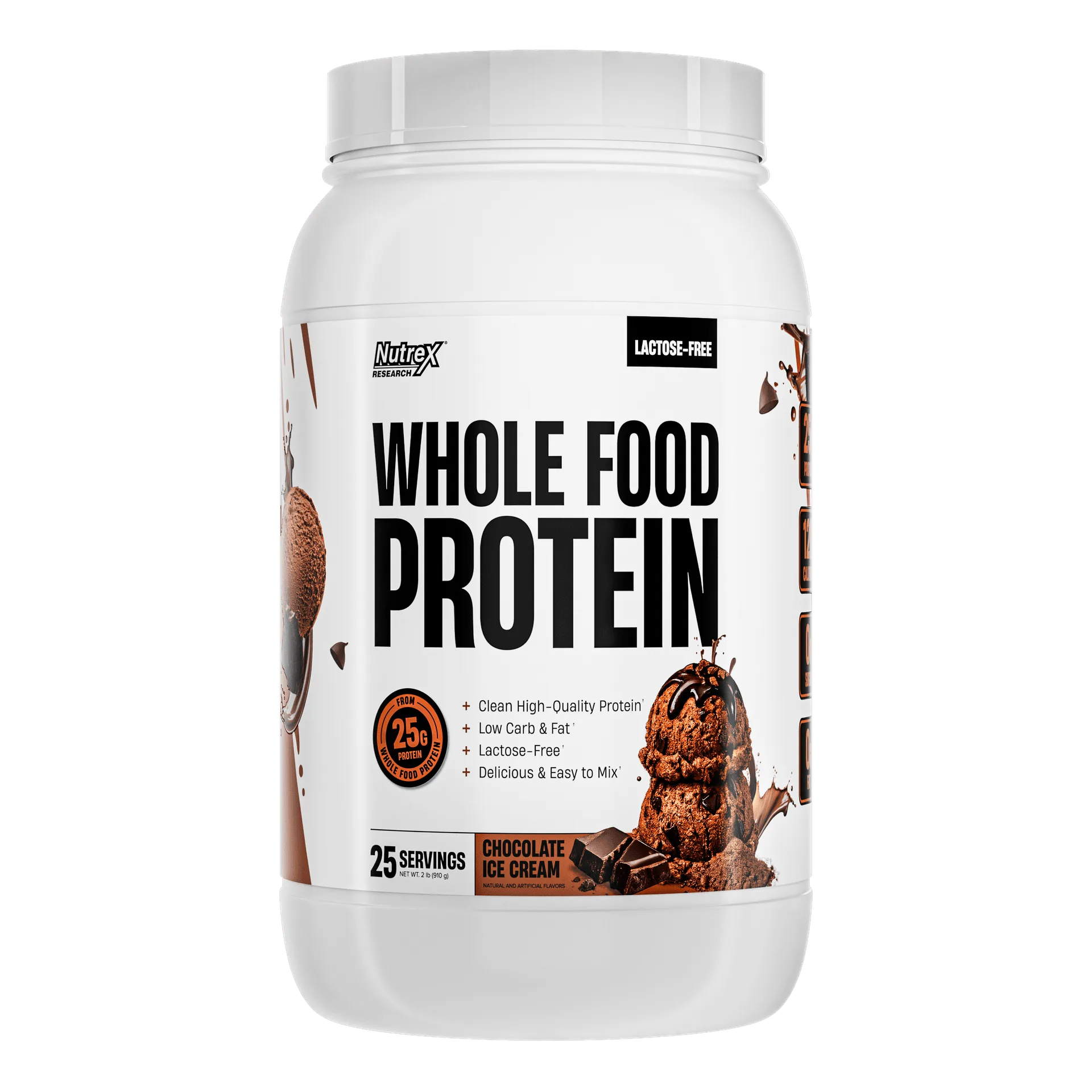
Consider incorporating a high-quality protein supplement to hit your daily protein goals without excess calories. For example, https://nutrexurv.com/products/dairy-free-whole-food-protein-442863Whole Food Protein 1 lb is a dairy-free option that provides a complete amino acid profile, making it an excellent choice for those with dietary restrictions. It can be used in smoothies or as a post-workout shake to support muscle repair.
- Include lean meats, eggs, and fish for complete proteins.
- Use complex carbs like oats and sweet potatoes for sustained energy.
- Don't neglect healthy fats from avocados, nuts, and olive oil.
Training Strategies to Hold Onto Muscle
Many people make the mistake of dropping weights and increasing cardio during a cut. While cardio is beneficial, resistance training remains paramount. Aim to keep your strength levels by training with heavy loads and moderate volume. This maintains the neural adaptations and muscle fiber recruitment that preserve mass.
Incorporate compound movements like squats, deadlifts, and bench presses, as they stimulate the most muscle fibers. Consider reducing volume slightly but keeping intensity high. Also, ensure adequate rest between sets to maintain performance.
- Focus on compound lifts: squat, bench, deadlift, overhead press.
- Keep reps in the 6-12 range for hypertrophy.
- Take 2-3 minute rest periods to maintain strength.
Supplements That Support Muscle Preservation
While supplements are not magic pills, they can provide a valuable edge. Key nutrients like branched-chain amino acids (BCAAs) and essential amino acids (EAAs) can help reduce muscle breakdown during training. Additionally, certain ingredients can enhance fat loss while preserving lean tissue.
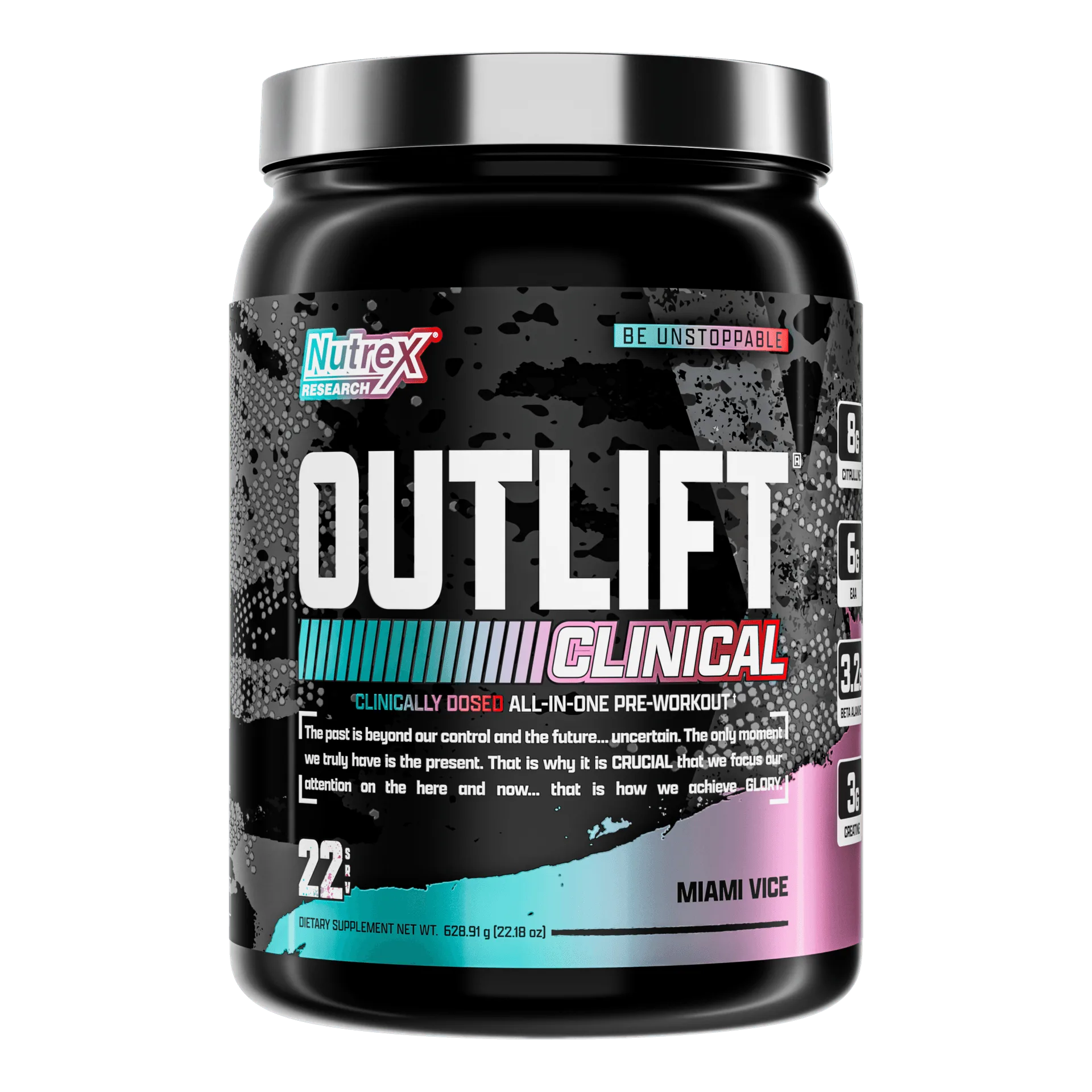
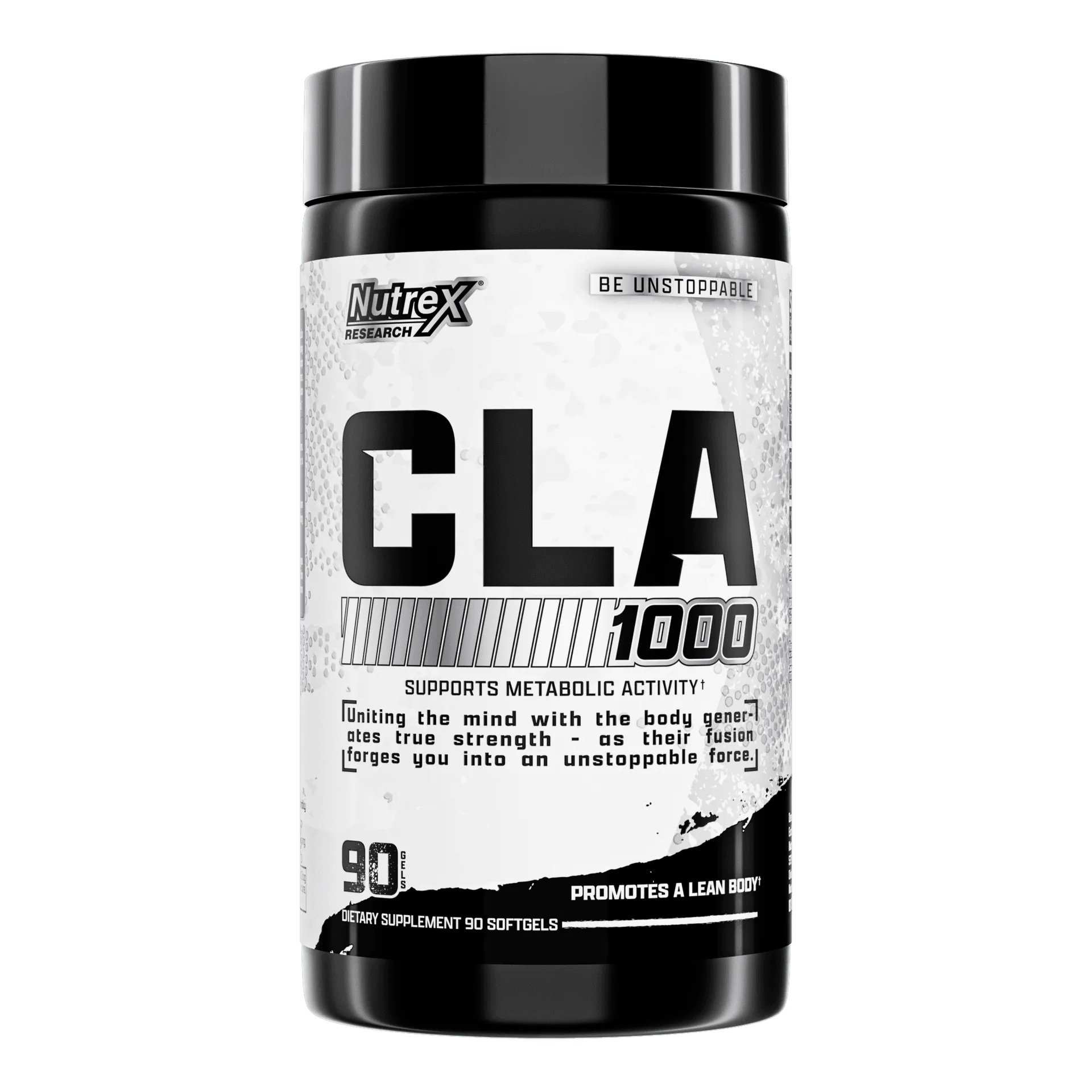
CLA 1000 is a popular choice for those cutting. Conjugated linoleic acid has been shown to support fat loss while helping to maintain lean muscle mass. It's a simple addition to your stack, taken with meals to support your goals. Another option is to use a pre-workout like Outlift Clinical to maintain energy and focus during intense training sessions, ensuring you can push through and stimulate muscle growth even in a deficit.
- Consider a BCAAs or EAAs supplement to sip during workouts.
- CLA 1000 can support fat loss and muscle retention.
- A pre-workout like Outlift Clinical can help you maintain training intensity.
Recovery and Sleep: The Overlooked Factors
Muscle preservation isn't just about training and nutrition; recovery is equally crucial. Sleep is when your body repairs muscle tissue and regulates hormones that affect muscle mass, like cortisol and testosterone. Poor sleep can increase cortisol, which promotes muscle breakdown.
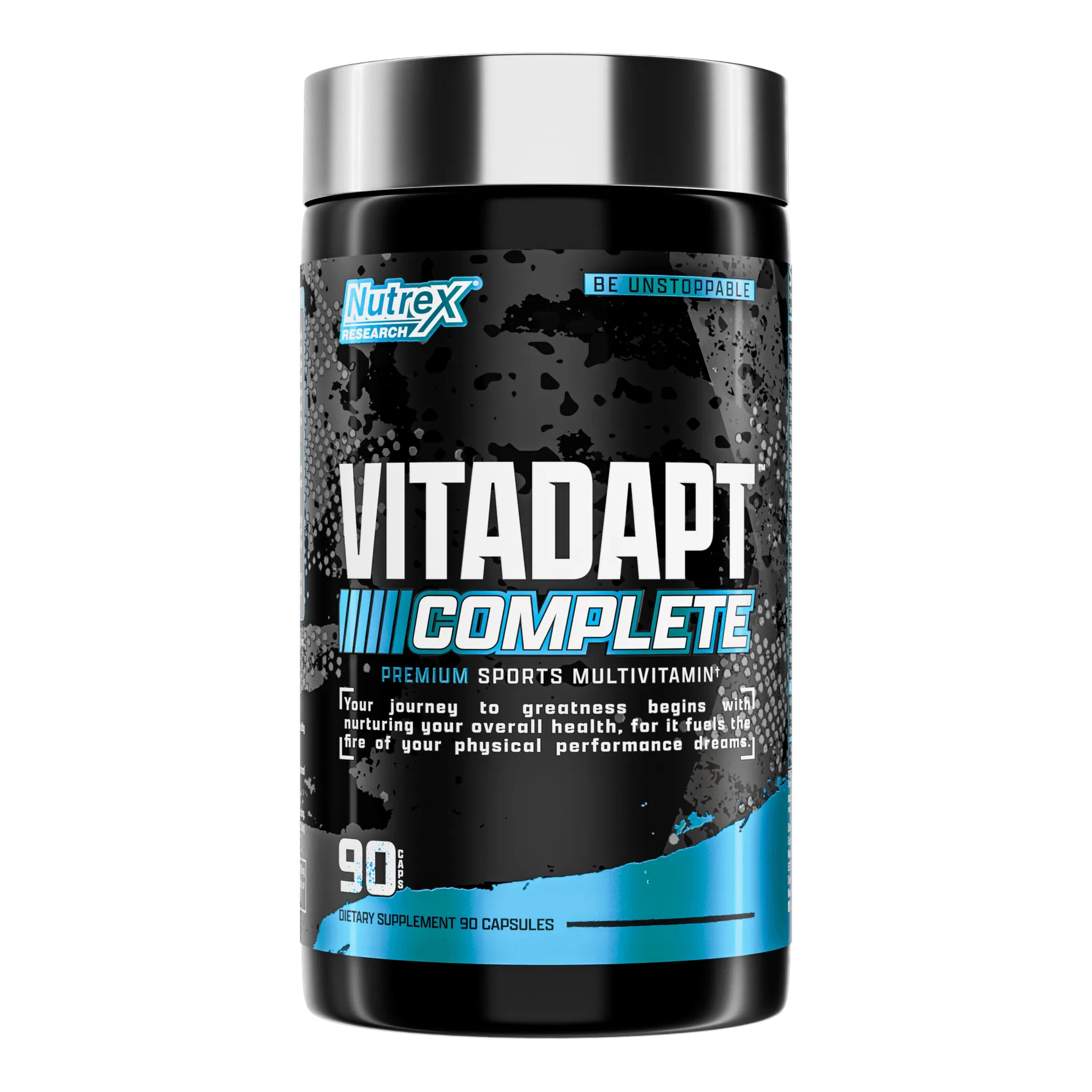
Aim for 7-9 hours of quality sleep per night. Manage stress through activities like meditation or yoga. Consider supplements that support recovery, such as Vitadapt, which is designed to help your body adapt to stress and maintain optimal hormone levels, potentially aiding in muscle preservation during a cut.
- Prioritize 7-9 hours of sleep per night.
- Incorporate stress-reducing activities like deep breathing or walking.
- Consider adaptogenic supplements like Vitadapt to support stress response.
Maintaining muscle while cutting is a challenging but achievable goal. By focusing on proper nutrition, smart training, and strategic supplementation, you can preserve your hard-earned muscle while shedding fat. Incorporate products like Whole Food Protein and CLA 1000 into your regimen to support your efforts. Stay consistent, be patient, and trust the process. Your leaner, stronger self is within reach.