Quick answer
A mandrel bit is the metal shank that holds a disposable sanding band on your nail drill. You slide the band over the rubber or metal sleeve, insert the mandrel into the handpiece, and use it to prep the nail, remove shine, and smooth the cuticle area. Always match the band size to the mandrel and replace the band between clients.
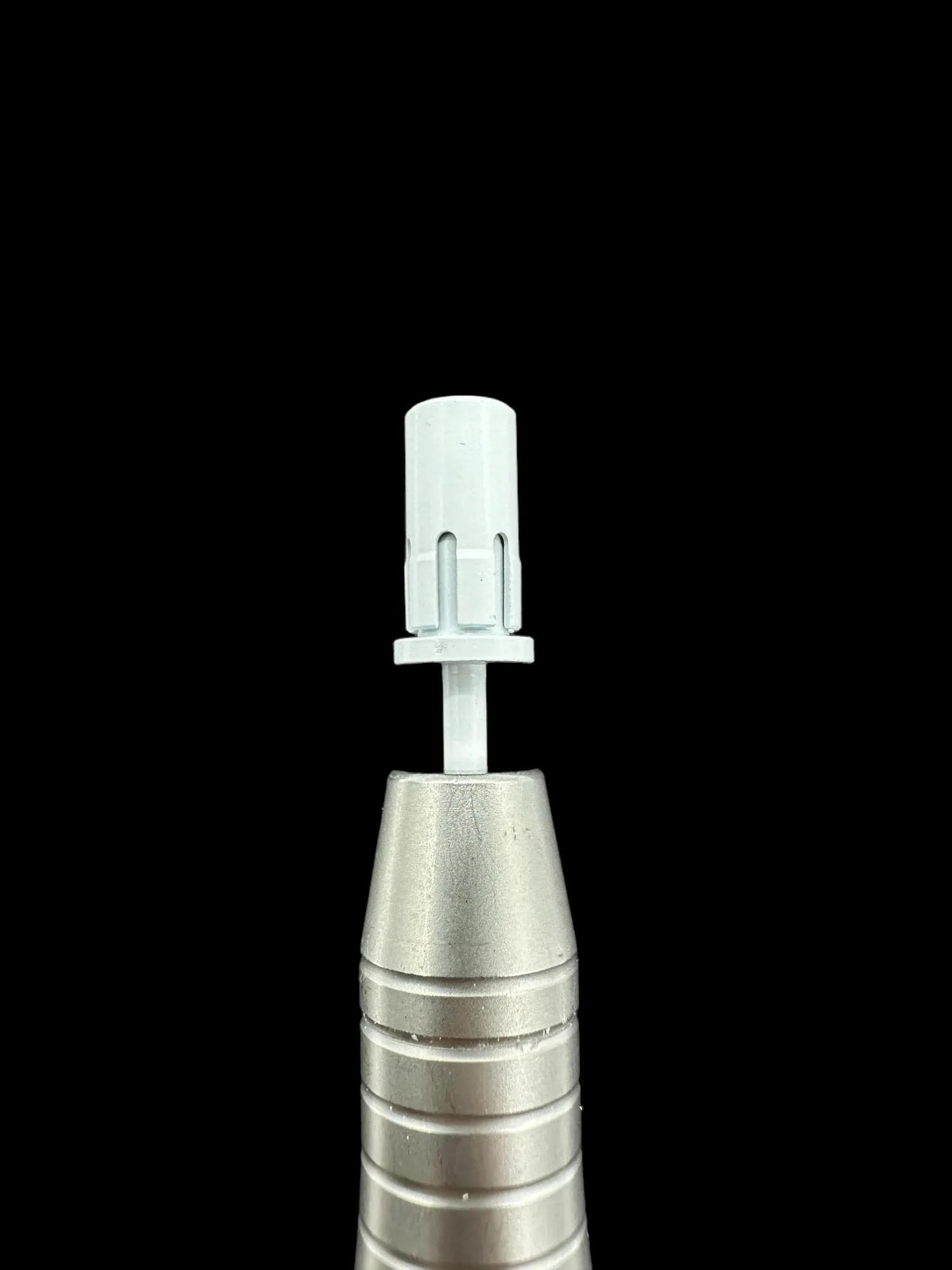
mandrel bit
If you have ever stared at a drawer of nail drill bits and wondered which one holds those little sandpaper tubes, the answer is the mandrel bit. It is the workhorse behind sanding bands for nails, and once you understand how it works, your prep routine gets faster and cleaner.
This guide breaks down what a mandrel bit is, how to use it step by step, and how it differs from other drill bits. We will also cover the one accessory that makes it work and how to avoid the most common mistakes.
What is a mandrel bit?
A mandrel bit is a metal shank with a rubber or metal sleeve that holds a sanding band. The band is the abrasive part; the mandrel is the reusable holder. You insert the mandrel into your nail drill handpiece, then slide a fresh band over the sleeve. When the band wears out, you replace only the band, not the whole bit.
This design keeps your drill bits organized and your costs down. Because the band is disposable, you can use a new one for each client without replacing the mandrel. It is a simple system, but it only works if the band fits the mandrel snugly.
- Check the mandrel size before buying bands. A loose band will slip and burn the nail.
- Mandrels are typically used with zebra sanding bands, which have a distinctive striped pattern.
How to use a mandrel bit with sanding bands
Start by selecting the right band grit for the job. Coarse grits are for heavy prep and removing old product; medium grits for general prep; fine grits for smoothing and finish work. Push the band onto the mandrel sleeve until it sits flush and does not wobble. If it spins freely on the sleeve, it is too loose.
Insert the mandrel into your handpiece and lock it in place. Hold the handpiece like a pencil, with your dominant hand, and brace your other hand against the client's hand for stability. Work in light, sweeping strokes at a low speed, keeping the band moving to avoid friction heat. Never press hard or stay in one spot.
- Always test the band on your own nail first to check for wobble or heat.
- Use a light touch. The band does the work, not pressure.
Mandrel bit vs. other drill bits
A mandrel bit is not the same as a carbide or ceramic bit. Carbide bits are solid and used for cutting, shaping, and removing product. A mandrel holds an abrasive band, which is better for prepping the natural nail and smoothing the cuticle area without cutting into the nail plate. Think of the mandrel as a prep tool, not a sculpting tool.
You will also see mandrel bits paired with a mandrel bit for nail drill sets. The key difference is the band: it is disposable, so you get a fresh abrasive surface every time. That makes mandrels ideal for hygiene and for consistent results.
- Use a mandrel for prep and smoothing; use a carbide bit for shaping and product removal.
- Never use a mandrel bit on the highest speed setting. Low to medium is safer.
Choosing the right mandrel and bands
Not all mandrels and bands are interchangeable. Mandrels come in different diameters, and bands must match that diameter. A band that is too small will tear or fly off; one that is too large will slip and cause friction burns. If you are unsure, buy a mandrel and band set from the same supplier to guarantee a fit.
At Jessica Danielle Nails, the Mandrel Bit is designed to pair with zebra sanding bands. It is intended for professional use only, so it is a good fit if you are a licensed tech or working in a salon. The catalog price is USD 5.00, and it is used to prep the nail, remove shine, and smooth the cuticle area.
- Buy bands and mandrels from the same source to avoid size mismatches.
- Store mandrels in a dry place to prevent rust on the metal shank.
Step-by-step: using a mandrel bit safely
- Choose the right band grit: Match the band to the task: coarse for heavy prep, medium for general prep, fine for smoothing. Check that the band slides onto the mandrel sleeve with a snug fit. If the band spins freely, it is too loose. Do not use it.
- Load the band onto the mandrel: Push the band onto the sleeve until it sits flush. It should not wobble or slide off when you rotate the mandrel by hand. A wobbly band will cause friction burns. Test it before you start the drill.
- Insert the mandrel into the handpiece: Lock the mandrel into the drill according to your handpiece instructions. Give it a gentle pull to confirm it is secure. An unsecured mandrel can fly out. Always tug-test before use.
- Set a low to medium speed: Start at the lowest speed and increase only if needed. High speed creates heat and can damage the nail plate. Keep the band moving in light, sweeping strokes. Never hold it in one spot.
- Prep the nail and cuticle area: Use light pressure to remove shine and smooth the cuticle area. Let the abrasive do the work. Work methodically around the nail. If you feel heat, stop and reduce speed or pressure.
- Replace the band between clients: Remove the used band and dispose of it. Wipe the mandrel with a disinfectant wipe, then load a fresh band for the next client. Never reuse a sanding band. Hygiene and performance both depend on a fresh band.
Product facts
- Mandrel Bit: Pairs perfectly with our zebra sanding bands. Used to prep the nail, remove shine and smooth the cuticle area. FOR PROFESSIONAL USE ONLY. This mandrel is specifically matched to zebra bands, so you get a secure fit and consistent prep results. The professional-use label means it is intended for trained techs.
A mandrel bit is a simple but essential tool for nail prep. Use it with the right sanding bands, keep your speed low, and replace bands between clients. If you are ready to add one to your kit, the Mandrel Bit at Jessica Danielle Nails is designed to work with zebra sanding bands and is priced at USD 5.00.