Quick answer
The Time Traveler expansion adds a new character deck and its own card interactions to Maximum Apocalypse, so the fastest way to use it well is to treat it as a character swap rather than a rules overhaul. Build the deck, pick the hero, then run a short scenario to learn its timing before adding it to a full campaign. If you want a lower-risk first expansion, Maximum Apocalypse: Jurassic Perils is the simpler entry point.

Maximum Apocalypse: Jurassic Perils
The Time Traveler expansion is one of those additions that looks small on the table and then quietly changes how your group plans a turn. You are not rewriting the core loop. You are adding a character with its own deck, its own rhythm, and a few interactions that reward players who read their cards before the monsters show up.
This guide walks through the order that works: confirm what you own, build and shuffle correctly, run a test scenario, then decide whether it stays in your rotation. Along the way I will flag the mistakes that make new expansions feel broken when they are actually just unfamiliar.
What the Time Traveler expansion actually adds
At its core, this is a character expansion. You get a new playable deck that slots into the existing Maximum Apocalypse structure rather than replacing it. That means the base game still supplies the map, the monster pressure, and the survival clock; the Time Traveler supplies a new set of options for one player at the table.
Because it is character-focused, the expansion shines in groups that already know the core rules. A first-time table should play the core game once or twice before adding it, otherwise you will be learning two systems at the same time and blaming the expansion for the confusion.
- Check the box contents before your first game so you know which cards belong to the character deck and which are shared.
- If you are still learning the core loop, run one base scenario first. The expansion is easier to judge once the baseline is familiar.
How to set up the Time Traveler deck without slowing the table
Setup is where most groups lose ten minutes. Separate the character-specific cards from anything shared, shuffle the deck thoroughly, and place it where the player can reach it without leaning across the board. If your group uses trays, this is the moment to use them, because a clean character area keeps the turn moving.
The second setup decision is who plays it. The Time Traveler rewards a player who reads cards ahead of their turn rather than reacting late. If you have one player who already tracks the monster deck and the supply count, give them this deck and let them pilot it.
- Common mistake: shuffling the character deck together with shared cards. Keep them separate.
- Checkpoint: after setup, the active player should be able to find their deck, their character card, and their starting resources in under a minute.
Running your first scenario with the expansion
Play one short scenario with the expansion and no campaign stakes. The goal is not to win; it is to see how the deck's timing interacts with the monster phase and the survival clock. Note which cards you wish you had drawn earlier, because that tells you what to mulligan for in a real run.
Keep the first session to a single scenario. Adding the expansion to a full campaign on day one makes it hard to separate a bad draw from a bad rule. Once you have one clean game under your belt, the deck's rhythm becomes obvious and you can fold it into longer play.
- Common mistake: judging the expansion after one unlucky draw. Give it two or three scenarios before you form an opinion.
- Checkpoint: by the end of the first scenario, every player should be able to explain what the Time Traveler deck does on a typical turn.
Common rules questions and how to resolve them
Most disputes come from timing: when a card resolves relative to the monster phase, and whether an effect can be used more than once per turn. Read the card text literally, resolve in the order printed, and if two players disagree, check the rulebook before house-ruling. House rules made mid-game are the fastest way to make an expansion feel inconsistent.
If a card references another product, treat that as a dependency rather than a suggestion. Some expansions in this line explicitly require other boxes to play as written, so confirm ownership before you plan a session around it.
- Write down any house rule you agree on, so the next session does not relitigate it.
- If a card mentions content you do not own, set that card aside for the night rather than improvising a substitute.
When the Time Traveler expansion is worth adding
Add it when your group already enjoys the core game and wants a new character to pilot without relearning the whole system. It is a good fit for tables that play the same scenarios repeatedly and want a different decision space inside familiar rules.
Skip it if you are still deciding whether you like Maximum Apocalypse at all, or if your group only plays once a month and prefers to keep the teach simple. In that case, a cheaper content expansion such as Maximum Apocalypse: Jurassic Perils gives you variety with less to track.
- Best for: regular groups who know the core loop and want a new character deck.
- Not for: first-time tables still learning the base rules, or groups that want a full new campaign rather than a character.
Time Traveler expansion setup steps
- Confirm your base game and components: Lay out Maximum Apocalypse 2E and separate the Time Traveler character cards from any shared cards. Read the expansion's component list before shuffling anything. Checkpoint: you can point to exactly which cards belong to the character deck.
- Build and shuffle the character deck: Shuffle the character deck on its own, then place it within reach of the player who will pilot it. Do not mix it into shared piles. Common mistake: combining decks, which makes card counting and cleanup harder.
- Assign the pilot: Give the deck to the player who already tracks the monster phase and supply count. The deck rewards planning ahead more than reacting. Checkpoint: the pilot can describe their opening turn before the first monster is revealed.
- Run one short scenario: Play a single scenario with no campaign stakes. Focus on how the deck's timing interacts with the monster phase and the survival clock. Common mistake: judging the expansion after one bad draw. Play two or three scenarios first.
- Resolve timing disputes from the rulebook: When a card's timing is unclear, read it literally, resolve in printed order, and check the rulebook before house-ruling. Write down any house rule you adopt. Checkpoint: no rule is changed mid-game without the whole table agreeing.
- Decide whether it stays in rotation: If your group wants a new character inside familiar rules, keep it in. If you want a full new campaign or a simpler teach, look at other expansions instead. Next step: pair it with a second character expansion for variety, or try Jurassic Perils for a lighter change.
Related Maximum Apocalypse products
- Maximum Apocalypse 2E: Maximum Apocalypse 2E is a cooperative roguelike adventure game for 1-6 players, with a revised core set that includes miniatures and trays for fast setup and teardown. This is the base game the Time Traveler expansion plugs into, so own this first. The trays and miniatures also make the setup step in this guide noticeably faster.
- Maximum Apocalypse: Jurassic Perils: Jurassic Perils is an expansion featuring Dinos and the Adventurer character, and it is a KS limited exclusive. A lower-commitment way to add variety if you want a new character and enemy type without taking on a full campaign.
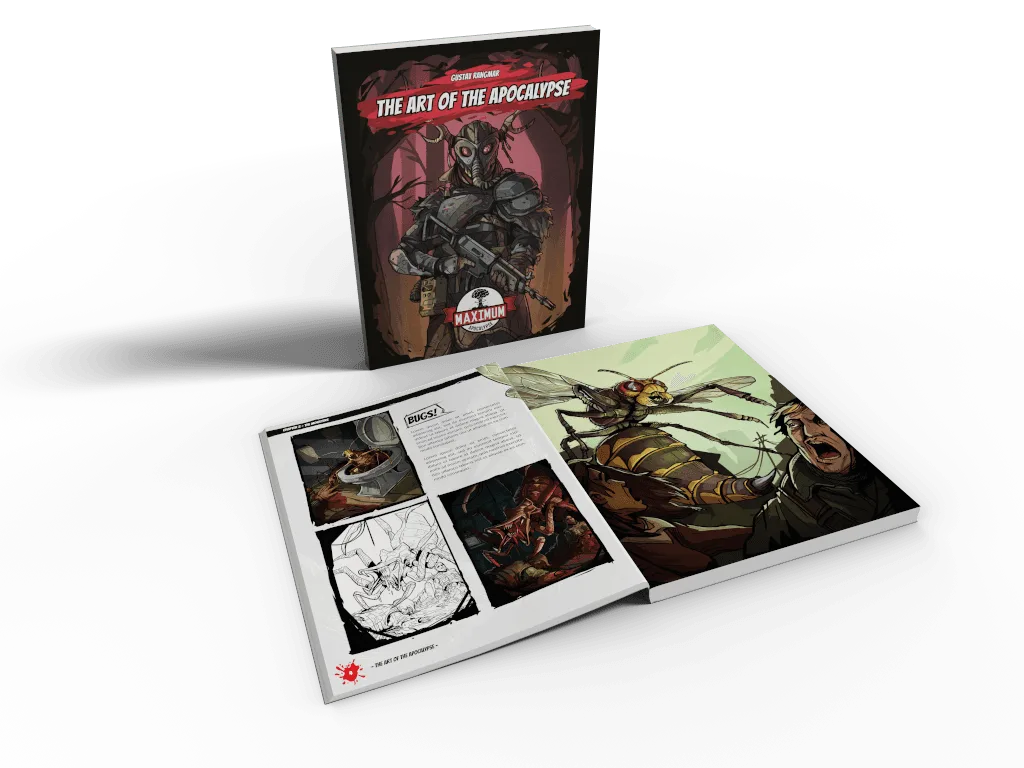
- Art of the Apocalypse: Art of the Apocalypse is a 120+ page collection of Gustav Rangmar's work on the series, covering characters, creatures, and the post-apocalyptic world. Useful if your group enjoys the lore behind the characters you are playing, and a good companion for players who like to see how a deck's theme was designed.
The Time Traveler expansion is at its best when you treat it as a character swap inside a game you already know: confirm your base set, keep the character deck separate, run one low-stakes scenario, and settle timing questions with the rulebook rather than mid-game house rules. Do that, and you will know within two sessions whether it earns a permanent slot at your table.