Quick answer
For most people, a kitchen scale is the better everyday tool because it measures the same weight of leaves every time, so your loose leaf tea ratio stays consistent from cup to cup. A measuring tea spoon is the better choice when you are brewing away from the kitchen, in a hurry, or using a blend whose leaf size you already know well. If you want one method that works across fine herbs, fluffy leaves, and dense blends, weigh your tea; if you want speed and portability, scoop it.
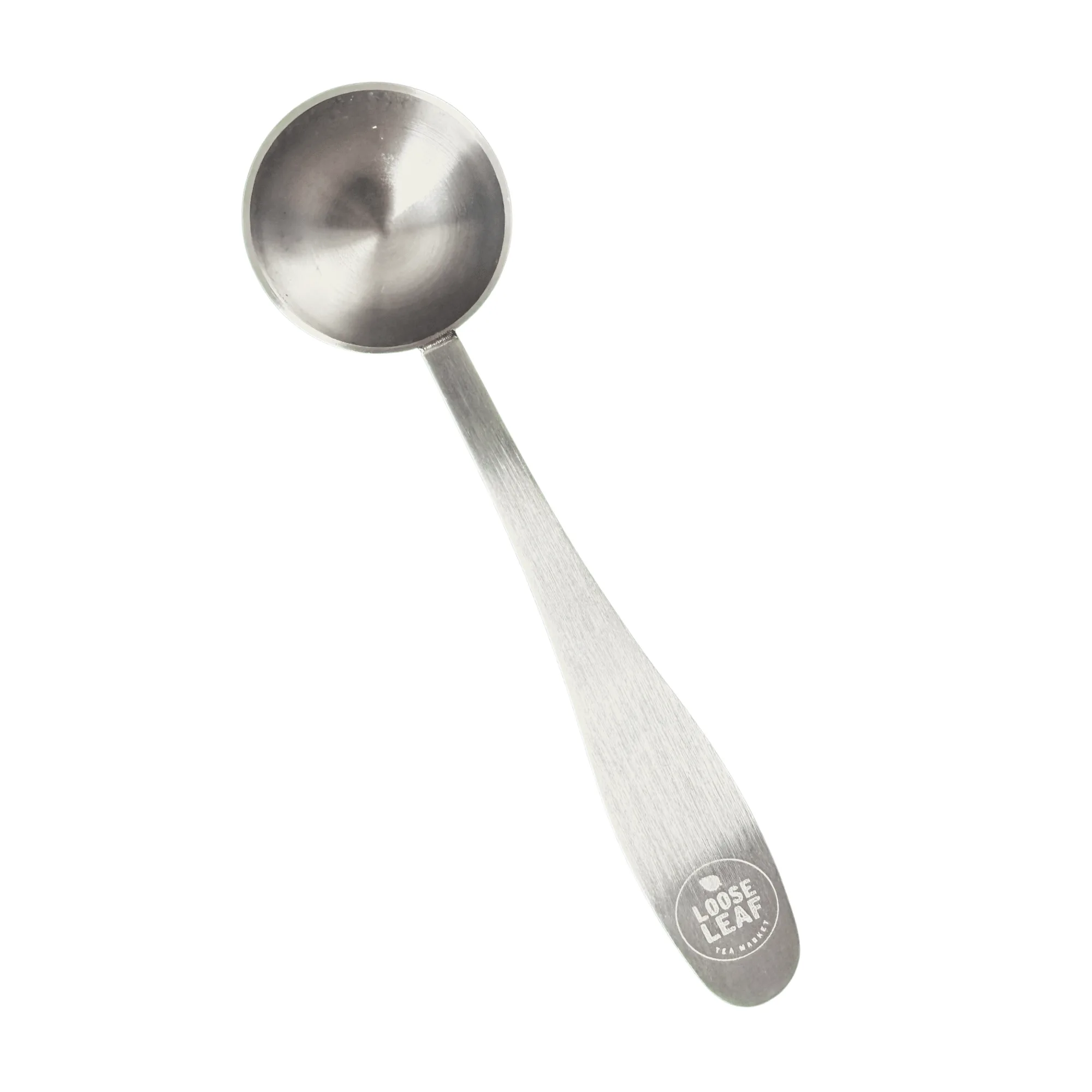
measuring tea spoon
Why the two methods disagree
A measuring tea spoon measures volume, while a kitchen scale measures weight. That difference matters because the same spoonful of tea can weigh very different amounts depending on leaf size, shape, and density. A spoon packed with fine, broken leaves can hold noticeably more tea than the same spoon filled with whole, fluffy leaves. So when you search for how much loose leaf tea per cup, the honest answer is that a volume scoop is an estimate, not a fixed amount.
This is why two people can follow the same recipe and get different results. If your tea tastes weak one day and bitter the next, the spoon is often the variable. A scale removes that variable because you are measuring the actual amount of leaf going into the water.
Where a measuring tea spoon wins
A measuring tea spoon is fast, portable, and requires no setup. You can scoop directly from the tin into a teapot, a mug, or a drawstring paper filter without turning on a scale or finding a clean weighing dish. For a single casual cup, that convenience is real.
Spoons also work well once you have calibrated your own scoop to your own tea. If you always use the same spoon and the same blend, you can learn how full that spoon should be for the taste you like. The catch is that this knowledge does not transfer cleanly to a different blend, a different leaf size, or a different spoon.
Where a kitchen scale wins
A kitchen scale gives you repeatable results. Once you know the weight that suits your taste, you can reproduce it with any tea, any spoon, and any mug. That consistency is the main reason tea sellers and serious brewers often recommend weighing leaves rather than scooping them.
A scale also makes it easier to adjust a recipe deliberately. If a cup tastes too strong, you can reduce the weight by a known amount next time instead of guessing whether your spoon was heaped or level. For blends you drink often, that turns brewing from trial and error into a repeatable routine.
How to use each method without overthinking it
If you scoop, use the same spoon every time, fill it the same way, and treat the first few cups as calibration rather than a final verdict. If you weigh, start with a small amount, taste, and adjust in small steps until the cup suits you. Either way, keep the leaf-to-water relationship steady before you change anything else.
One practical middle ground is to weigh your tea once, then note how full your usual spoon needs to be to match that weight for that specific blend. After that, you can scoop confidently on busy mornings and weigh when you want precision.
Trade-offs at a glance
- Speed and portability: A measuring tea spoon needs no batteries, no counter space, and no weighing dish, so it is ready the moment you are. Choose the spoon when convenience matters more than repeatability.
- Consistency: A kitchen scale measures weight, so the same number produces the same strength even when leaf size or density changes. Choose the scale when you want the same cup every time.
- Learning curve: Spoons require you to calibrate by taste and by blend; scales require you to find your preferred weight once, then repeat it. Either method works if you keep one variable steady.
Products that make measuring easier
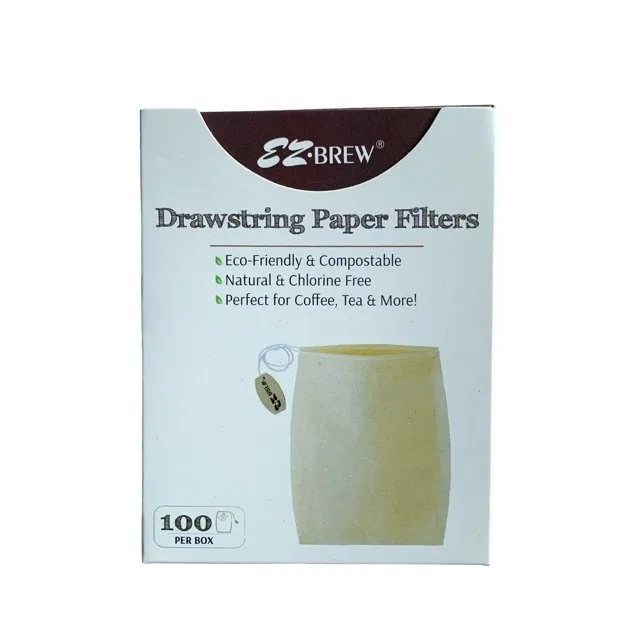
- Drawstring Paper Filters: Drawstring Paper Filters give you the quality of loose tea with the convenience of a tea bag; place tea inside, pull the drawstring, and put it in your cup. They come in a small package of 40 or a large package of 100 natural, chemical-free filters. Pre-measured or weighed leaves go straight into the filter, so you can brew loose tea without a strainer and still control the amount.
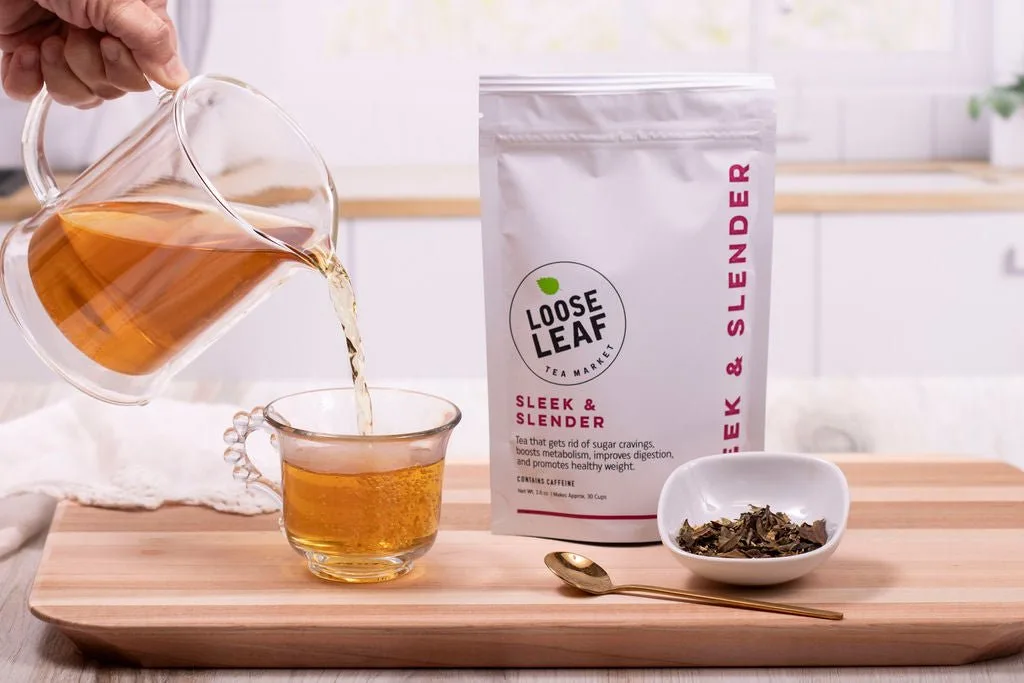
- Sleek & Slender Tea: Sleek & Slender is a herbal tea meant to be drunk as one cup before breakfast and another before lunch, with consistent daily use. A tea with a suggested twice-daily routine rewards consistent measuring, since small scooping differences add up over many cups.
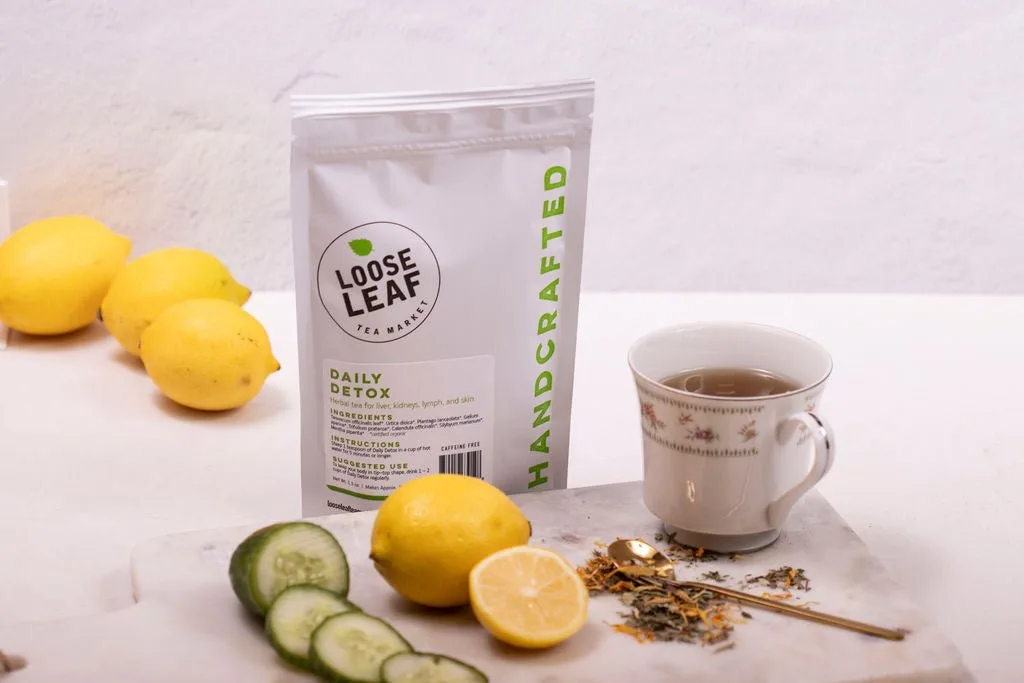
- Detox Tea - Caffeine-Free: Daily Detox is an organic caffeine-free blend of herbs that support the body's natural detoxification, and unlike most detox products it is not a laxative. Caffeine-free herbal blends are often brewed in the evening, so a reliable measuring habit helps you keep the cup mild enough for a nighttime routine.
Which should you use?
Best for
- Brewers who want a repeatable loose leaf tea ratio across different blends and leaf sizes
- People who drink the same tea daily and want to adjust strength in measured steps
- Anyone brewing multiple cups at once who needs the total amount to scale predictably
Not for
- Brewers who only make a quick casual cup and do not want extra equipment
- Travelers or office brewers who need a tool that fits in a desk drawer
- Anyone unwilling to calibrate a spoon or a scale to their own taste