Quick answer
For most drone pilots, the best SD card for drones is a UHS-I V30 microSD with 128GB or 256GB capacity from a known brand. It handles 4K video, gives you a full flight day of storage, and costs far less than UHS-II cards that your drone likely cannot fully use. Step up to UHS-II or a larger capacity only if you shoot high-bitrate 5.4K or need to offload without a laptop.
Match write speed to your drone's video mode
Drone memory card speed is not about how fast the card reads in your computer; it is about sustained write speed while recording. A card that is too slow will cause dropped frames, stuttering, or a recording that stops after a few seconds. The two ratings that matter are the UHS Speed Class (U1 or U3) and the Video Speed Class (V10, V30, V60, V90). For 4K at 30fps, a V30 card is the safe minimum. For 4K at 60fps or 5.4K, you want V30 or V60. V90 cards exist but are overkill unless your drone manual specifically asks for them.
- V30 = 30MB/s sustained write, suitable for most 4K drone footage.
- V60 = 60MB/s sustained write, a safer choice for high-bitrate 5.4K or 6K.
- U3 is the older label for the same 30MB/s minimum as V30; both work.
- Avoid cards marked only Class 10 or U1 for 4K; they often cannot keep up.
Choose capacity based on your flight day, not the biggest number
Drone storage capacity guide advice often pushes 512GB or 1TB cards, but that is rarely practical. A 128GB card holds roughly 3 to 4 hours of 4K 30fps footage from a typical consumer drone, which is more than most pilots record in a day. Larger cards mean more footage lost if the card fails or you lose the drone. Two 128GB cards are safer than one 256GB card because you can swap mid-day and keep a backup. If you shoot professionally and cannot offload in the field, a 256GB card is a reasonable middle ground.
- 64GB: short sessions, backup card, or older drones with lower bitrates.
- 128GB: the sweet spot for most recreational and semi-pro pilots.
- 256GB: full-day shoots where you cannot transfer files until evening.
- 512GB and above: only if your drone supports exFAT and you accept the risk of one-card loss.
UHS-I vs UHS-II for drones: do you actually need the faster bus?
UHS-I vs UHS-II drone debates often miss the point. UHS-II cards have a second row of pins and can reach much higher speeds, but most consumer drones, including DJI models, use a UHS-I interface. Putting a UHS-II card in a UHS-I drone gives you no speed benefit; it just costs more. UHS-II is worth it only if your drone explicitly supports it or if you offload footage frequently and want faster transfers to your computer. For everyone else, a high-quality UHS-I V30 card is the smarter buy.
- Check your drone manual for 'UHS-II' or 'UHS Speed Class 3' support before paying extra.
- If your drone is UHS-I only, spend the difference on a second 128GB card instead.
- UHS-II cards often run hotter; in a sealed drone compartment that can matter in Australian summer heat.
Reliability features that matter in the air
A drone memory card lives with vibration, temperature swings, and sudden power loss. Look for cards rated for extreme temperatures and built with water, shock, and X-ray resistance. Avoid no-name cards from online marketplaces; counterfeit microSD cards are common and often fail mid-flight. Buy from a reputable retailer, format the card in the drone before first use, and never fill it completely. Leaving 10 to 15 percent free helps the controller manage wear leveling and reduces corruption risk.
- Format in the drone, not your computer, to match the drone's file system.
- Rotate two or three cards instead of relying on one large card.
- Test a new card with a short flight before trusting it on a paid shoot.
Where drone cards fit in a broader gear kit
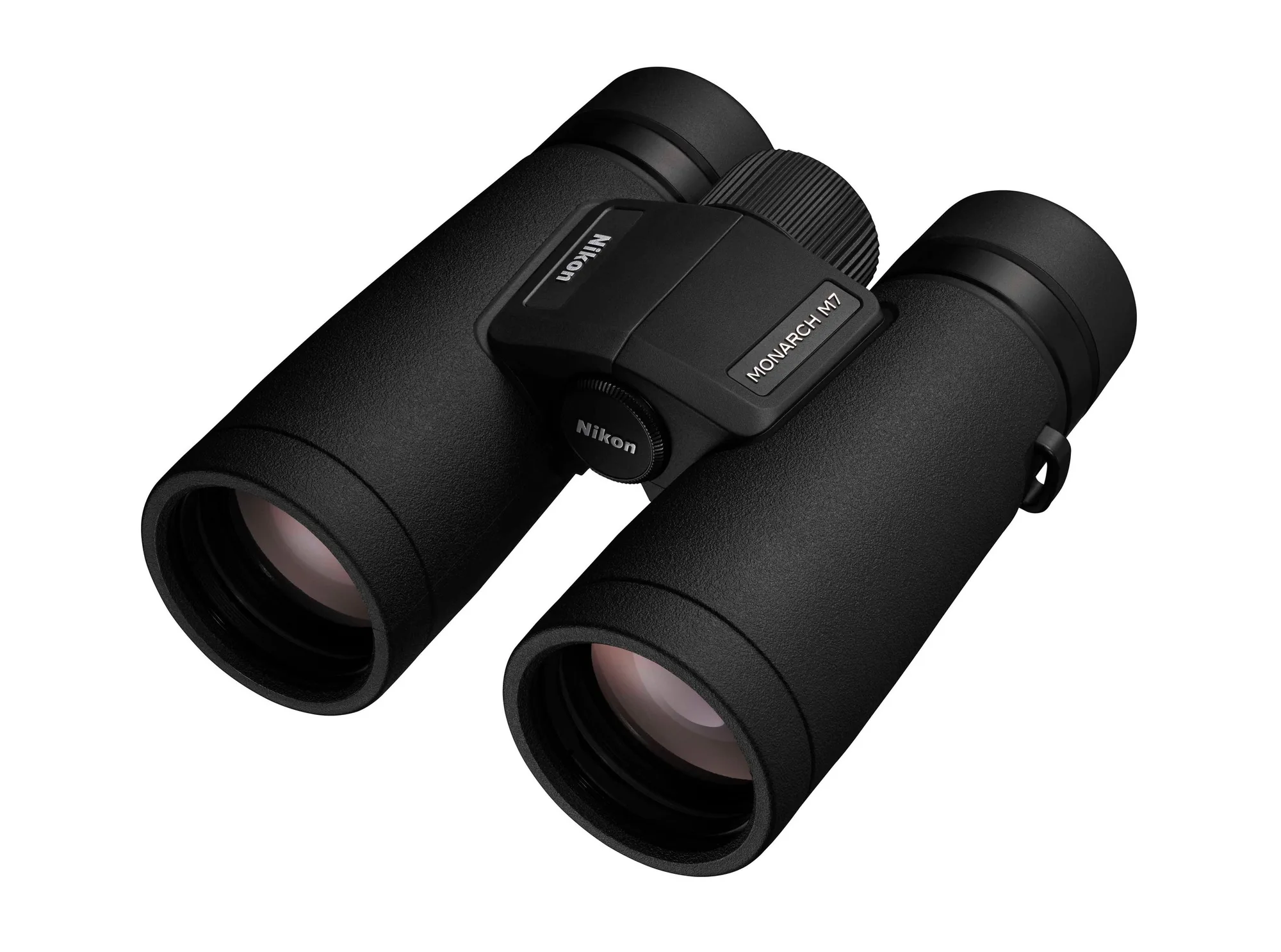
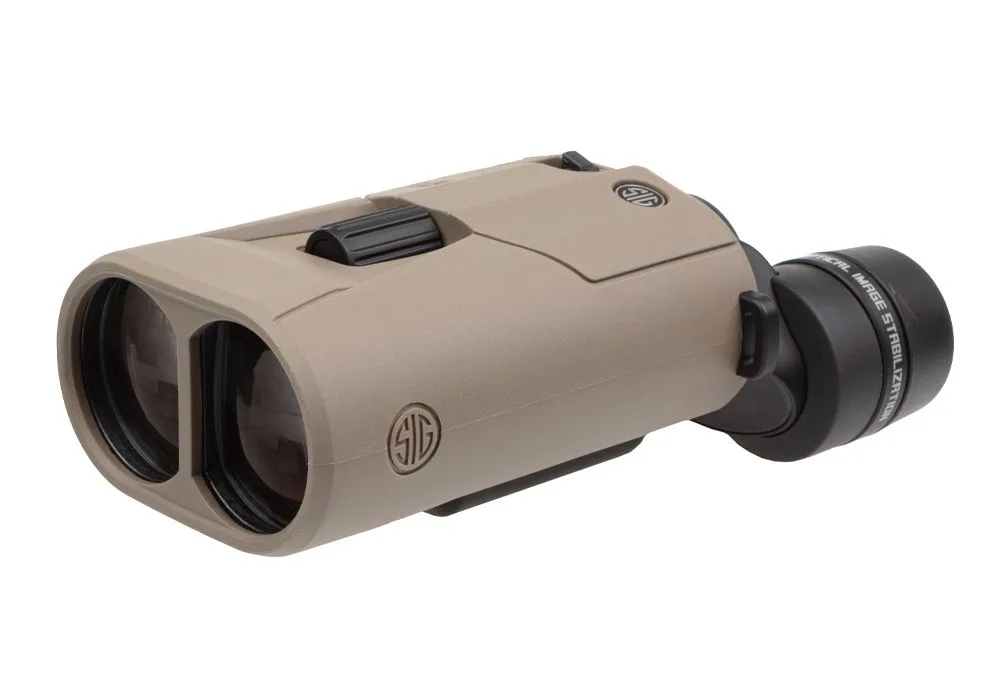
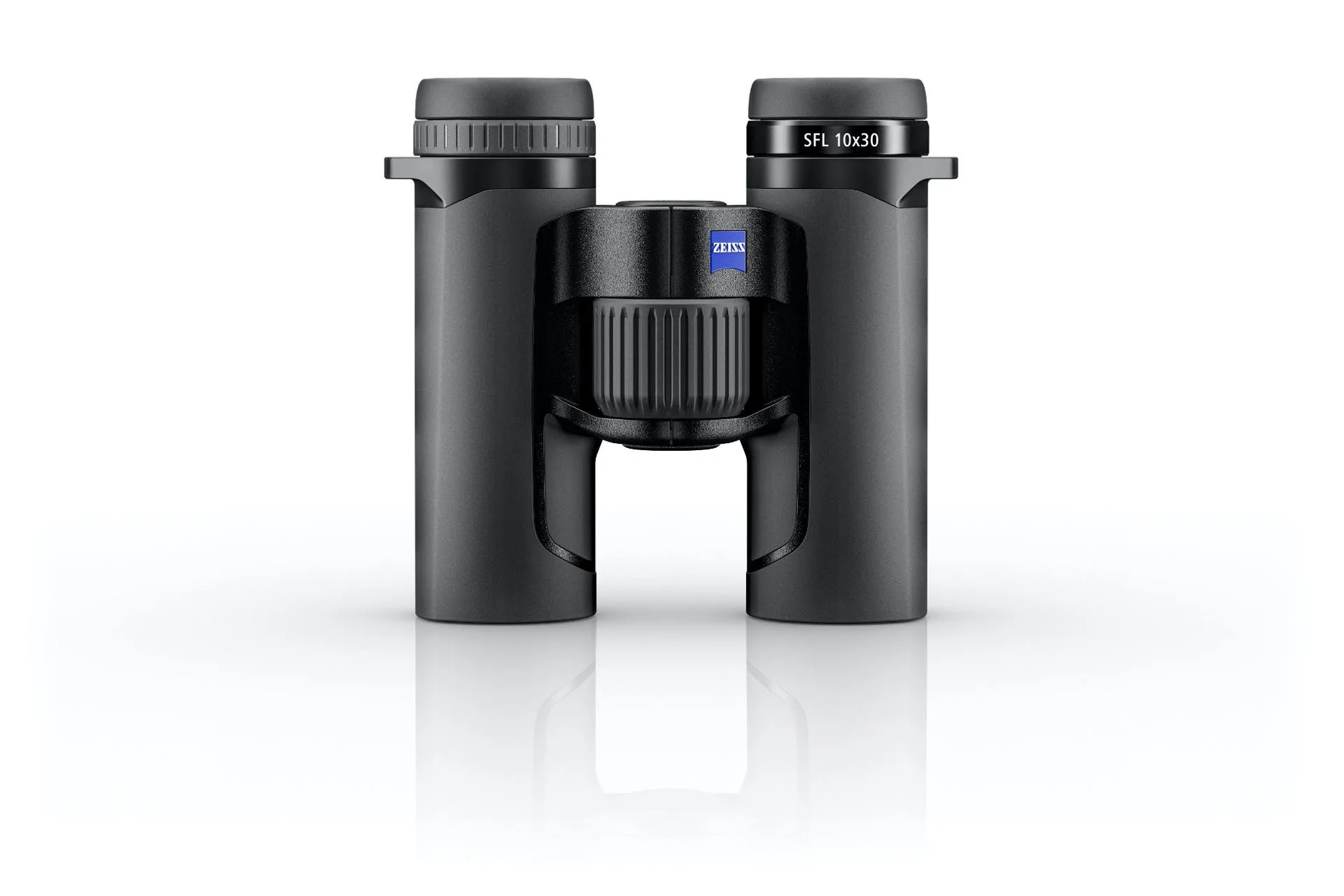
If you also carry binoculars or a riflescope for spotting while your drone is in the air, your memory card choice should not compete for the same budget. A reliable 128GB V30 card costs far less than a second battery, and it protects the footage you already paid to capture. For pilots who document wildlife or long-range sessions, pairing a drone with optics like the Nikon Monarch M7 8x42 Binoculars or the SIG ZULU6 HDX 16X42mm Image Stabilized Binoculars can help you spot subjects before you launch. Those optics have their own storage-free advantages, but they do not replace a good card in the drone.
Decision rules for buying a drone memory card
- If you fly a DJI Mini or Mavic series: Buy a UHS-I V30 microSD in 128GB. The drone's interface is UHS-I, so a UHS-II card adds cost without speed benefit. Two 128GB cards beat one 256GB card for safety.
- If you shoot 4K 60fps or 5.4K: Choose V30 or V60 and confirm the card's sustained write rating, not just its peak read speed. A V30 card is the minimum; V60 gives headroom for high-bitrate modes.
- If you cannot offload until the end of the day: Step up to 256GB, but plan to rotate it with a second card so a single failure does not wipe the whole shoot. Capacity is a convenience, not a backup strategy.
- If you see a suspiciously cheap card online: Skip it. Counterfeit microSD cards are common and fail unpredictably, often mid-recording. Buy from a retailer you trust and test the card before a paid flight.
Gear notes for drone pilots who also use optics
- Nikon Monarch M7 8x42 Binoculars: Nikon Monarch M7 8x42 Binoculars offer a 435 ft field of view at 1,000 yards, ED glass, and waterproof, fogproof construction. A wide field of view helps you locate subjects quickly before launching a drone, and the weather sealing matches the conditions you fly in.
- SIG ZULU6 HDX 16X42mm Image Stabilized Binoculars: SIG ZULU6 HDX 16X42mm Image Stabilized Binoculars use electronic image stabilization and HDX glass, with an IPX7 waterproof and fog-proof rating. Stabilization reduces hand shake at 16x, which is useful for identifying distant subjects or reading conditions from a launch point without setting up a tripod.
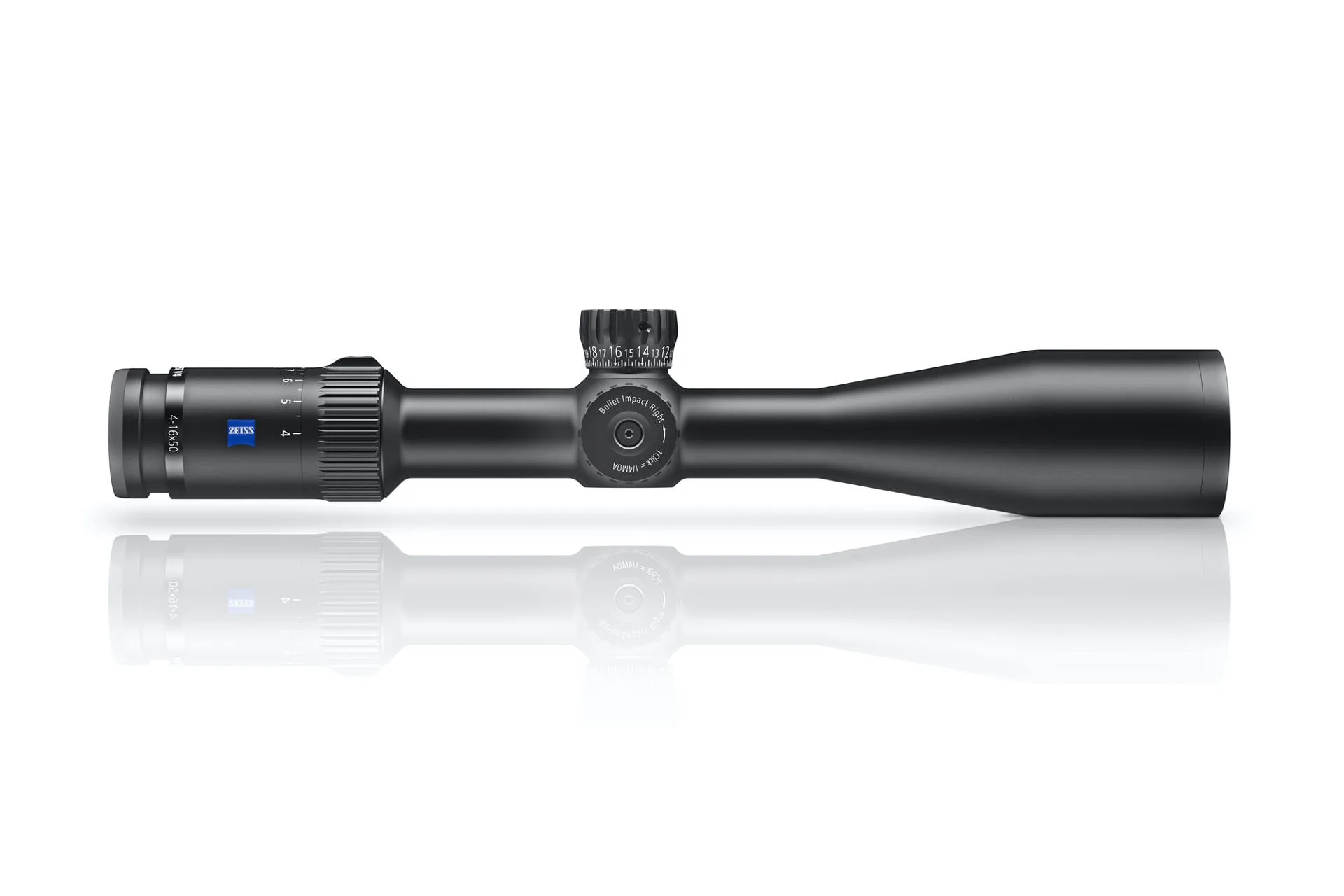
- ZEISS Conquest V4 4-16x50 ZMOAi-T30 capped wind Illum #64 Riflescope: ZEISS Conquest V4 4-16x50 ZMOAi-T30 capped wind Illum #64 Riflescope has a 4x zoom range, ZEISS T* coatings, LotuTec protection, and 90% light transmission. For pilots who also shoot at distance, this scope's light transmission and coating set are relevant in low light, though it does not affect drone memory card choice.
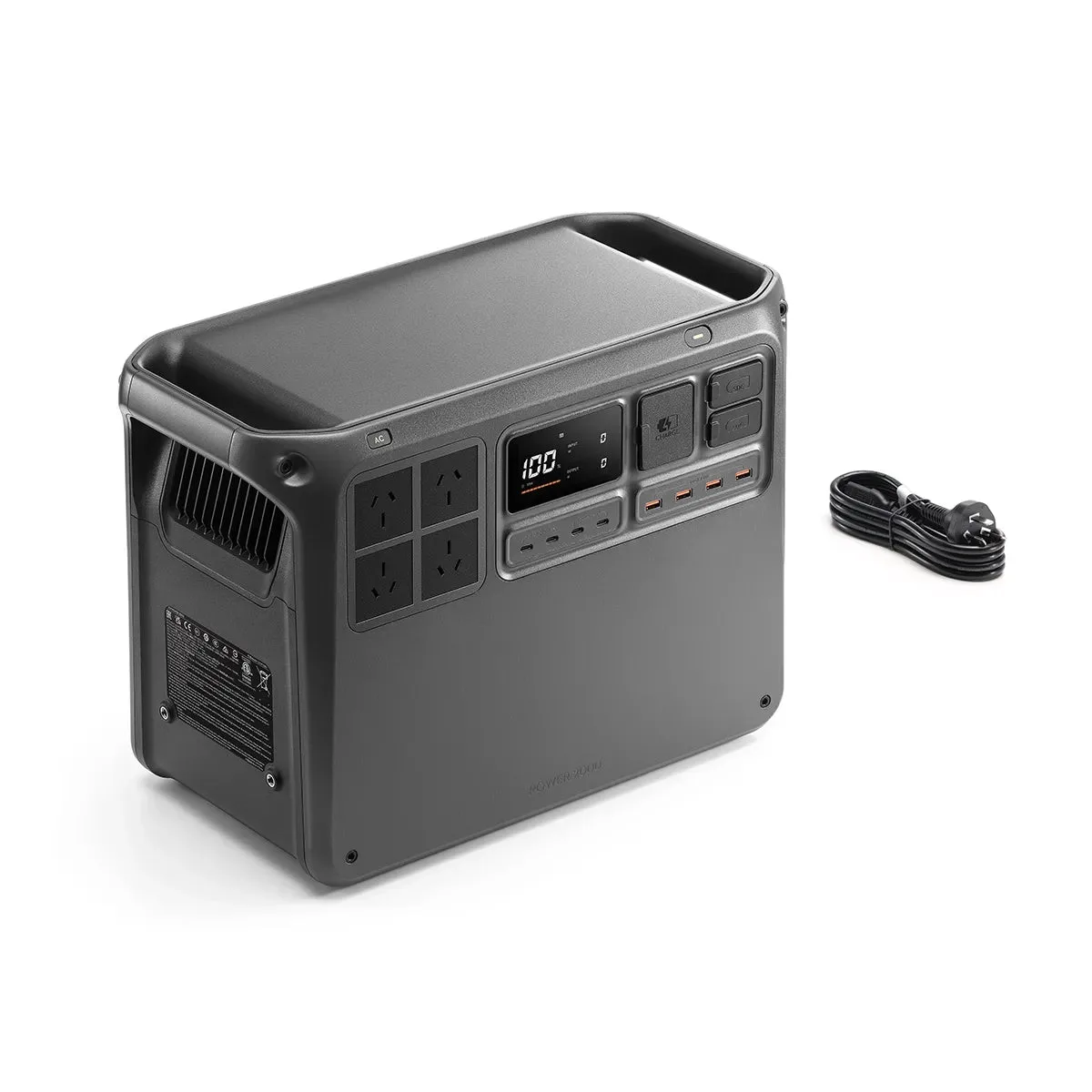
- DJI Power 2000: DJI Power 2000 portable power station offers 2048Wh capacity, 3000W output, and 0-80% recharge in 45 minutes. A power station like this can recharge drone batteries and offload cards via a laptop in the field, which extends a shooting day without returning to mains power.
Who should buy which drone card
Best for
- Recreational pilots flying 4K 30fps who want one reliable 128GB V30 card
- Semi-pro pilots who rotate two 128GB cards and offload nightly
- Drone owners who also carry binoculars for spotting and want a simple, proven card choice
Not for
- Pilots whose drone manual explicitly requires UHS-II or V90 cards for 6K or high-frame-rate modes
- Professional cinematographers who need 512GB or larger single-card capacity and accept the risk
- Anyone buying from an unknown marketplace seller to save a few dollars