Quick Answer
Choose metal miniatures when durability matters most: they survive drops, table knocks, and years of handling with minimal damage. Choose resin miniatures when detail and conversion matter most: they hold finer edges and crisper undercuts, and they are easier to cut, pin, and reposition. Most hobbyists end up with both, using metal for rank-and-file troops and resin for character pieces.
The metal vs resin miniatures question usually comes down to one thing: what happens after the miniature is painted. A metal figure that gets knocked off the table often survives with a bent weapon you can bend back. A resin figure that takes the same fall can chip or shatter at the ankle, and no amount of paint will hide that.
That does not make resin the wrong choice. Resin captures detail that metal simply cannot, and it is far easier to cut apart for conversions. The right pick depends on whether you are building a squad that gets handled every game night or a display piece that lives on a shelf. This comparison walks through the real trade-offs using specific miniatures from our catalog.
Durability: Where Metal Pulls Ahead
Metal miniatures are heavy, and that weight is the point. A metal figure resists tipping during play, survives being dropped onto a hard floor, and can be straightened with pliers if a sword or arm bends. The failure mode is gradual: paint chips at contact points over years of handling, but the figure itself rarely breaks. For anyone building a force that gets transported in foam and played with weekly, that resilience matters more than a marginal gain in detail.
Resin is lighter and more brittle. Thin ankles, weapon hafts, and outstretched arms are the usual weak points, and a hard fall can snap them clean. The upside is that resin is easy to repair with super glue and a pin, and it does not bend out of shape in storage. If you treat your miniatures gently and store them in a case, resin durability is usually a non-issue. If your models live in a loose box between games, metal is the safer bet.
- Pin resin ankles and weapon hands before painting if the figure will see regular play.
- Store metal figures in foam with the heaviest pieces at the bottom of the case.
- Keep a small pair of flat pliers handy for straightening bent metal weapons.
Detail: Where Resin Wins
Resin holds sharper detail than metal, especially on faces, cloth folds, and small equipment. The casting process captures undercuts and fine edges that metal molds tend to soften, which is why character pieces and limited-run sculpts are almost always resin. If you paint faces and want the eyes, brow, and cheekbones to read clearly, resin gives you more to work with. Metal can still look excellent, but it demands more from your brushwork because the surface is less crisp.
The trade-off is that resin detail comes with fragility. A resin cloak edge or a thin banner pole is more likely to chip than the same feature in metal. Resin also needs washing before assembly to remove mold release, and it produces dust when you sand or cut it, so wear a mask. Neither material is objectively better; they simply reward different priorities.
- Wash resin parts in warm soapy water and let them dry fully before gluing.
- Wear a dust mask when sanding or sawing resin; the dust is not good to breathe.
- Prime resin with a thin coat so you do not fill in the fine detail you paid for.
Conversion and Assembly Differences
Resin is the friendlier material for conversions. It cuts with a hobby saw, sands smooth, and accepts super glue quickly, which makes arm swaps, head swaps, and repositioning much easier than with metal. If you like building unique characters from a base figure, resin gives you more options with less effort. Metal can be converted too, but you will need a pin vise, a jeweler's saw, and patience, and the weight of the parts makes pinning more important.
Assembly is also a factor. Metal figures often need pinning at the ankles and weapon hands because glue alone struggles to hold heavy parts. Resin figures usually glue together with super glue and a light pin at the ankles, and the lighter weight means fewer joints fail over time. If you dislike drilling and pinning, resin will save you time on every build.
- Use a razor saw for resin and a jeweler's saw for metal; the same blade will not do both well.
- Pin metal ankles and weapon hands with paperclip wire and super glue.
- Test-fit resin arms and heads before gluing; a small amount of filing often improves the join.
Cost, Weight, and Storage
Metal miniatures are heavier to ship and store, and that weight adds up across a full army. Resin is lighter, which makes transport easier and reduces the chance of a figure damaging its neighbors in a case. On cost, both materials sit in a similar range for single figures, though resin character pieces often carry a premium because of the sculpting and casting work involved. Neither material is inherently cheaper; the price reflects the sculpt and the production run more than the raw material.
Storage habits should drive your choice more than price. If you use a foam case with cutouts, both materials are safe. If you toss figures into a box, metal will outlast resin by a wide margin. If you display your miniatures on a shelf and rarely transport them, resin's fragility is largely theoretical.
- Magnetize resin bases so figures do not slide and knock into each other in transit.
- Keep metal and resin figures in separate foam trays if you can; metal can chip resin on impact.
- Label your storage so you know which figures need gentle handling.
Trade-Offs at a Glance
- Durability: Metal resists drops and bends back into shape; resin chips or snaps at thin points and needs pinning to survive play. Choose metal for rank-and-file troops that get handled weekly.
- Detail: Resin captures sharper faces, cloth folds, and undercuts; metal softens fine edges and demands more from your painting. Choose resin for character pieces and display models.
- Conversion: Resin cuts, sands, and glues easily for arm and head swaps; metal needs a jeweler's saw and pinning at every joint. Choose resin if you kitbash often; choose metal if you build straight out of the kit.
- Weight and Transport: Metal is heavy and can chip resin figures in the same case; resin is light and travels well but needs gentle handling. Store metal and resin separately, and magnetize resin bases for transport.
Catalog Examples
- Grog Ard'Nogg Ogre Veteran: Multi-part resin miniature with a 40mm round plastic slotta base, sculpted by Bobby Jackson. A large resin character piece like this rewards careful pinning at the ankles and weapon hand. The 40mm base gives it a stable footprint, but the resin material means you should store it in foam rather than a loose box.
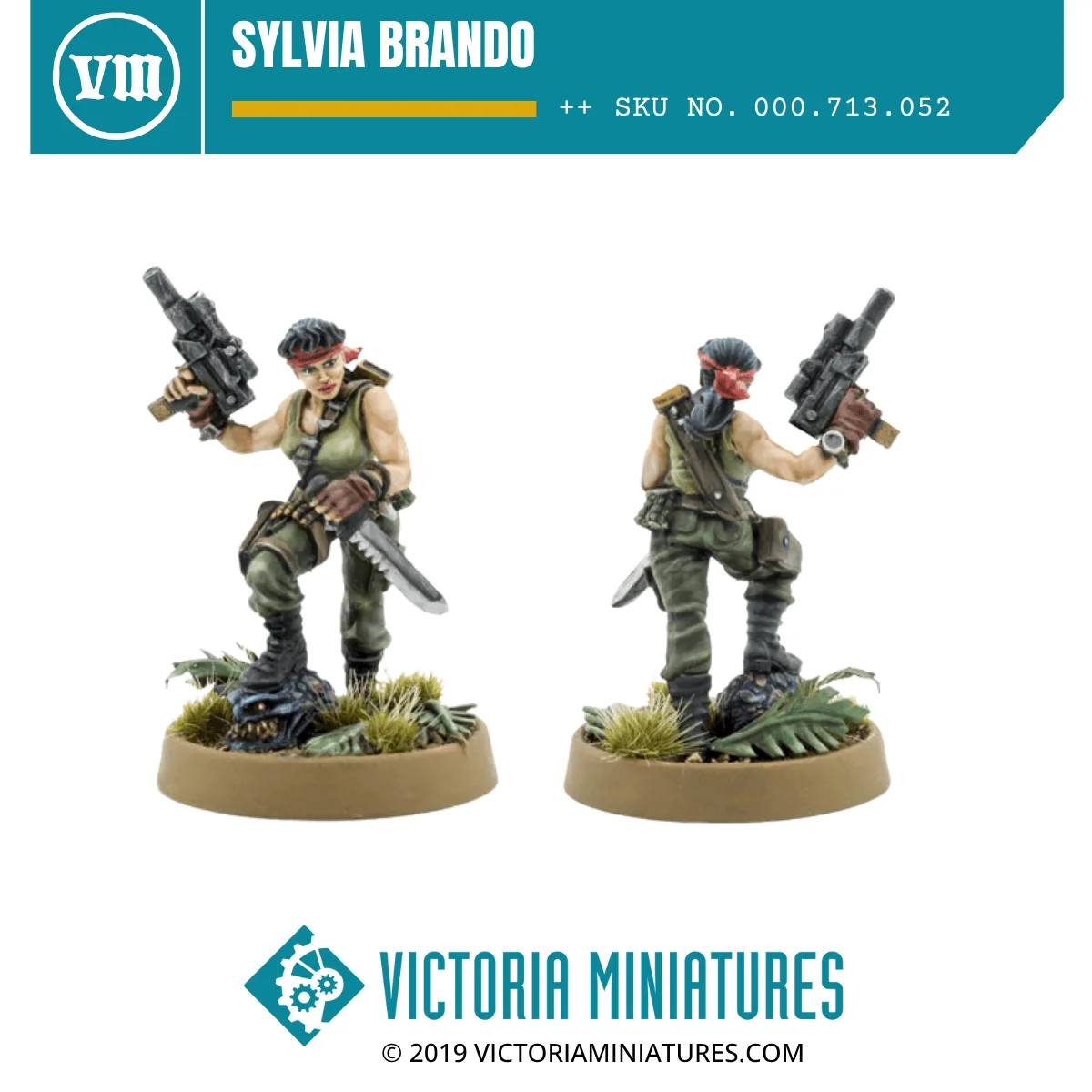
- Sylvia Brando: Hand cast in high quality resin, includes separate left and right arms and a 25mm round plastic slotta base, sculpted by Patrick Keith, and compatible with popular plastic 28mm troops. The separate arms make this an easy figure to convert or reposition, which is exactly where resin shines. Compatibility with 28mm plastic troops means you can mix it into an existing squad without scale surprises.
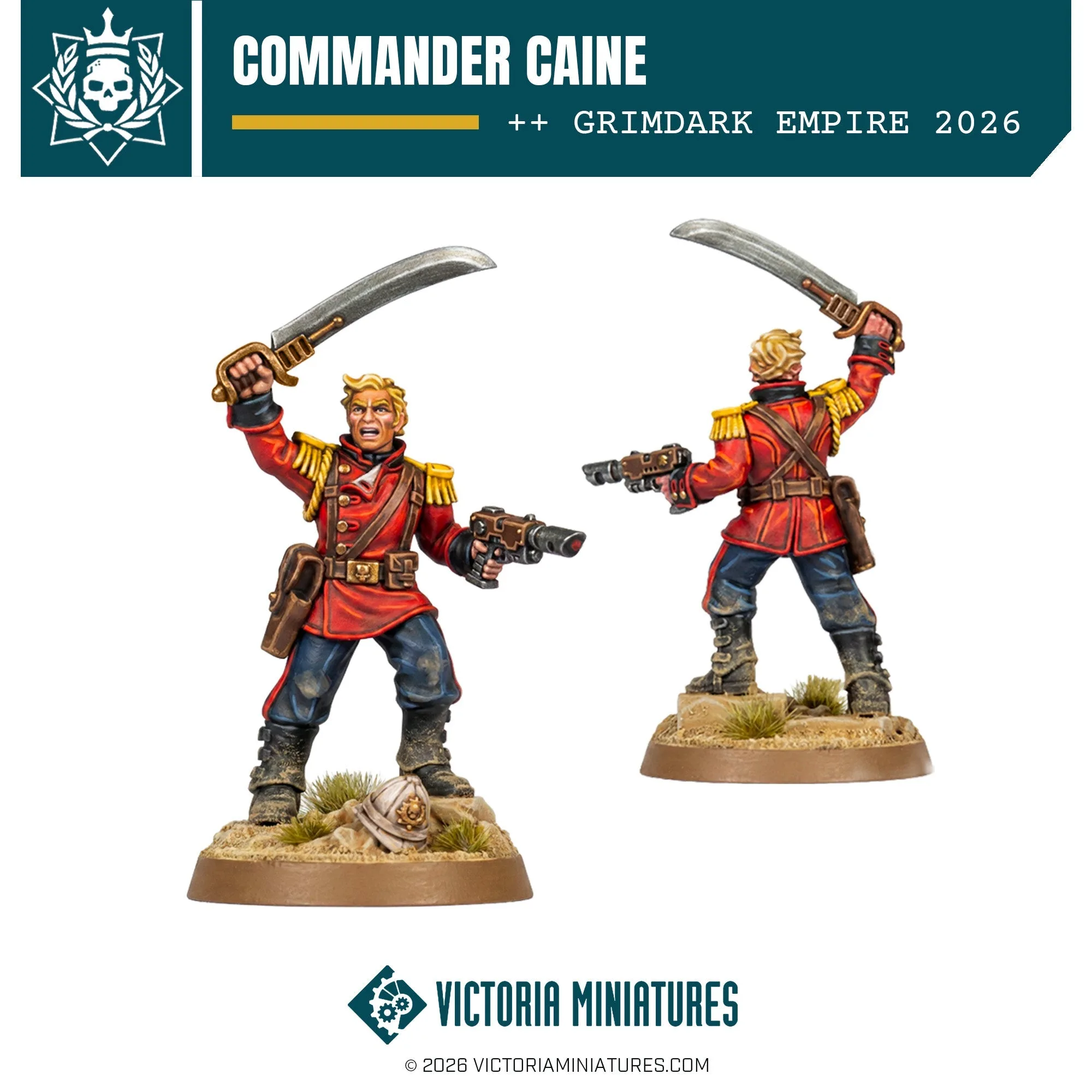
- Commander Caine: High quality 3D prints including body, left and right arms, two head options, a helmet, a tactical rock, and a 25mm round base. The two head options and separate helmet give you a choice at assembly time, and the tactical rock helps you build a taller, more visible character. The 25mm base keeps it consistent with standard infantry.
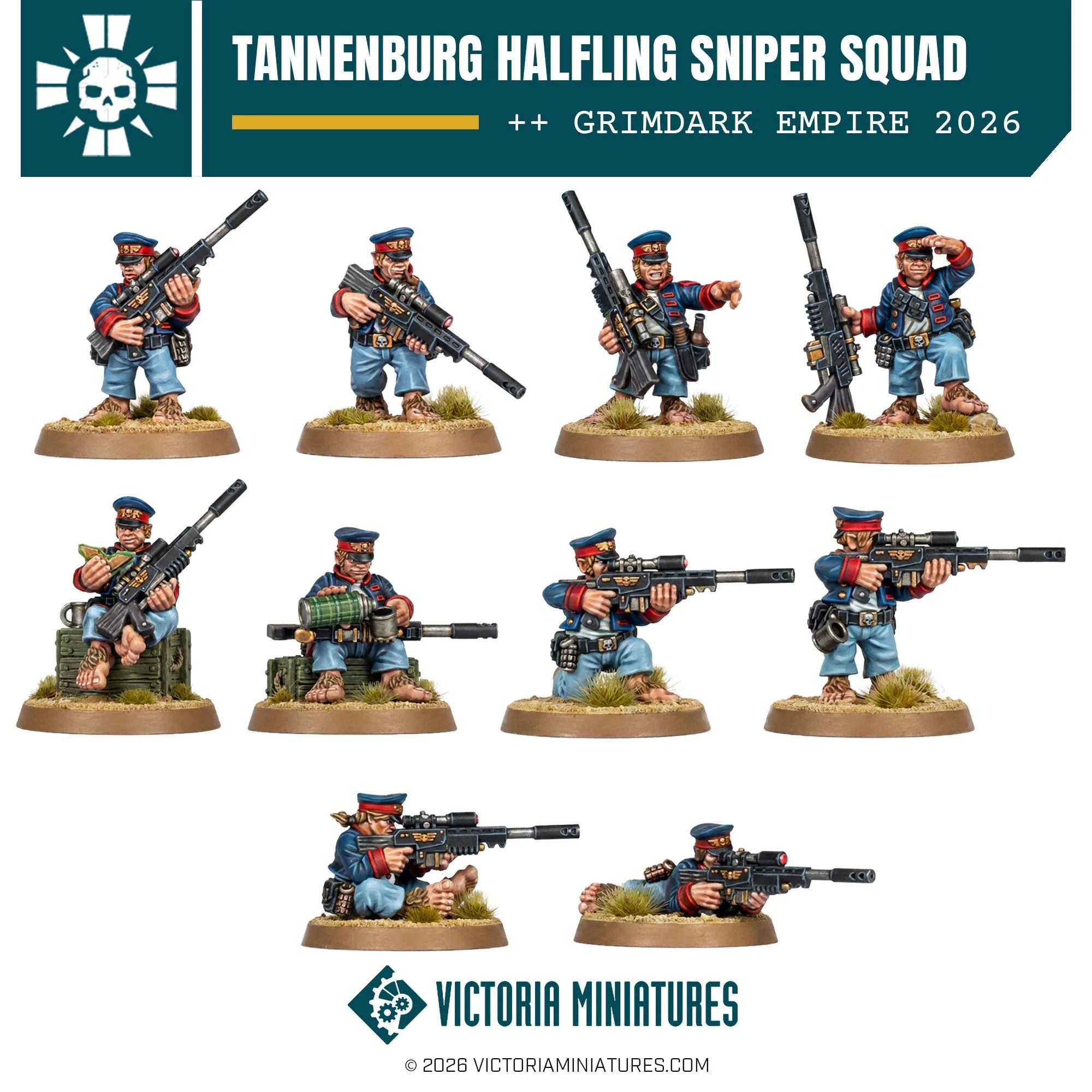
- Tannenburg Halfling Sniper Squad: Physical 3D printed modular kit with all-new Grimdark Empire Pith Helmet heads, presented on a high density Snap Tray, minimal cleanup, and includes 10x 25mm round plastic bases. A ten-figure squad is a good example of where resin's lighter weight and modular parts pay off: easier transport, simpler assembly, and consistent basing across the unit.
Which Should You Choose?
Best for
- Players who transport and handle their miniatures every game night
- Armies where rank-and-file troops need to survive drops and knocks
- Hobbyists who prefer straight assembly without drilling and pinning
Not for
- Painters who want the crispest possible faces and fine detail on character models
- Converters who plan to cut apart and reposition arms and heads regularly
- Collectors who display figures on a shelf and rarely transport them
There is no single winner in the metal vs resin miniatures debate, only a best fit for how you build, paint, and play. Use metal for the troops that take a beating and resin for the characters you want to show off. If you are unsure, start with a single resin character like Sylvia Brando or Commander Caine and see how it feels in your hands before committing to a full squad.