Quick answer
Neither material is universally better. Metal offers heft and a traditional feel but can be harder to modify, while resin allows for more intricate detail and easier conversion. Your choice should depend on the role of the model, your skill level, and the look you want.
Myth: Metal is always more durable than resin
The claim that metal miniatures are indestructible is misleading. While metal won't shatter like some brittle resins, it can bend or snap under repeated stress, especially on thin parts like swords or gun barrels. Resin, on the other hand, can chip if dropped on a hard floor, but high-quality resin kits—like those from Victoria Miniatures—are cast to be sturdy and hold detail well. The real durability factor is how you handle and store your miniatures, not just the material.
Myth: Resin miniatures are too light and feel cheap
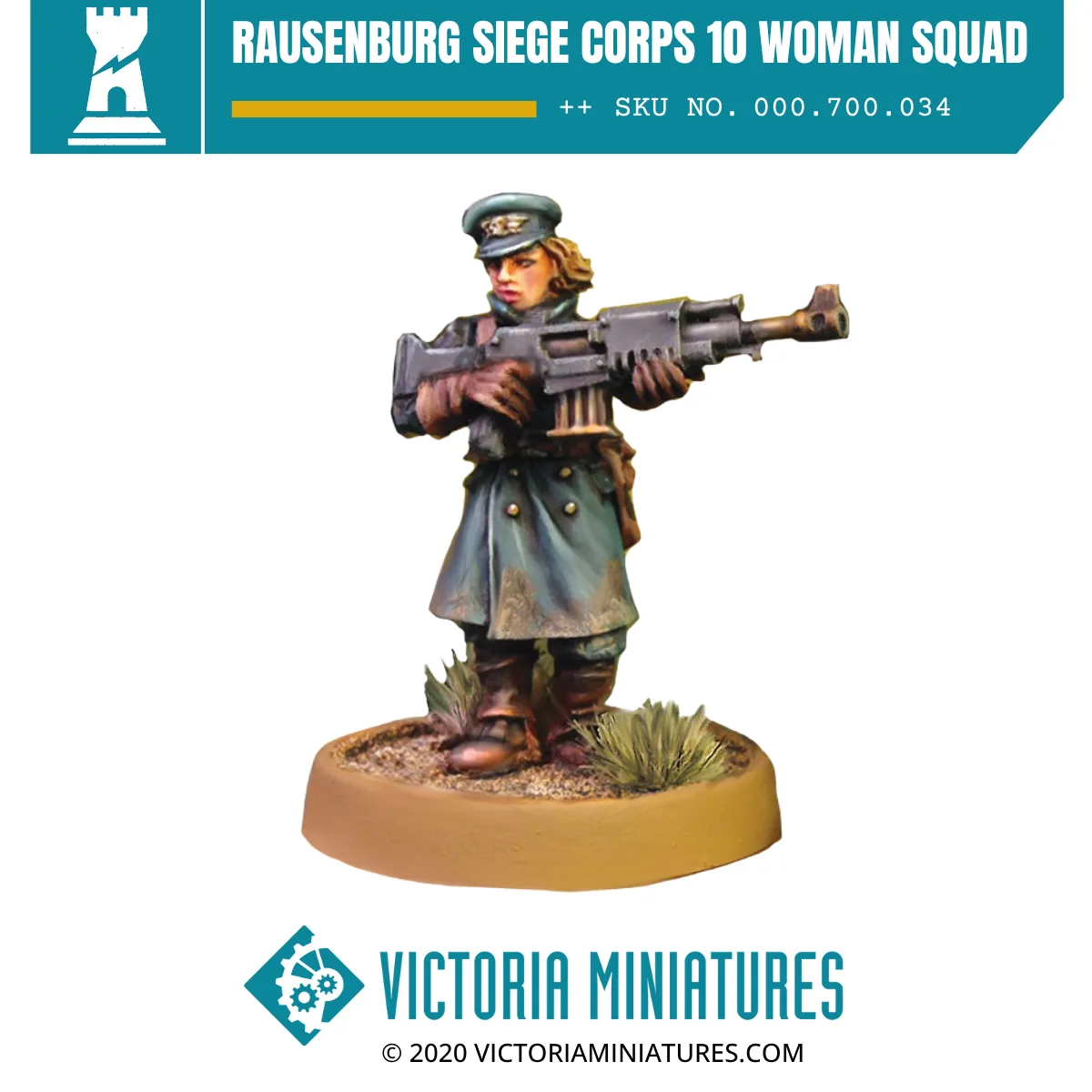
Weight is often cited as a sign of quality, but lighter resin models have practical advantages. A resin Rausenburg Siege Corps trooper, for example, is easier to transport in bulk and puts less strain on bases and movement trays. Metal models feel substantial in hand, but that weight can make larger squads unwieldy during gameplay. Neither feel is 'cheap'—they serve different purposes.
Myth: Painting metal miniatures is harder than painting resin
Painting difficulty depends more on the sculpt and primer than the material. Metal requires a good primer to prevent paint from rubbing off, while resin needs a clean, grease-free surface. The real difference is in the assembly: metal parts often need pinning for stability, whereas resin kits like the Rausenburg Siege Corps include multiple bits and pose options that make customization easier. The painting process itself is very similar once the model is prepped.
Verdicts at a glance
- Durability: Metal bends; resin can chip. Both require careful handling. Resin kits with multiple parts (like the Rausenburg Siege Corps) are no less durable than metal when assembled properly. Choose resin for intricate detail, metal for a traditional feel.
- Weight: Metal is heavier, which some prefer for 'presence.' Resin is lighter, making transport and large squads easier. Consider your transport and gameplay needs.
- Painting & Assembly: Both need primer. Metal often requires pinning; resin allows easier customization with extra bits. Painting technique is the same. Resin is more beginner-friendly for conversions.
Real kit examples
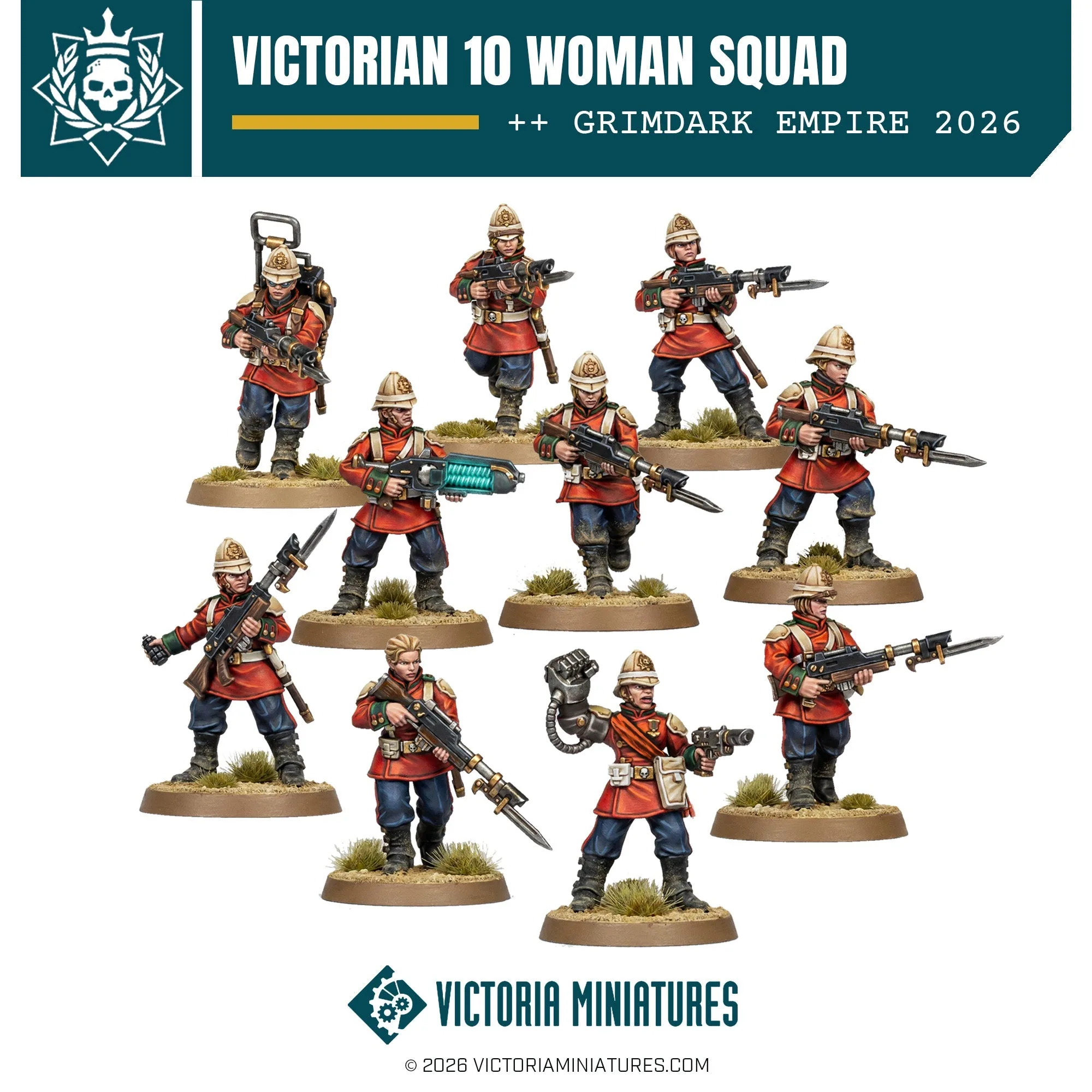
- Rausenburg Siege Corps 10 Woman Squad: This resin kit includes 11 female dress cap heads, 10 female greatcoat legs, 10 female greatcoat torsos, and a wealth of extras like ammo pouches, bread bags, and bayonets in sheathes. The abundance of extra bits and separate parts makes this resin kit ideal for hobbyists who enjoy customization and converting unique poses without the extra work of pinning metal parts.
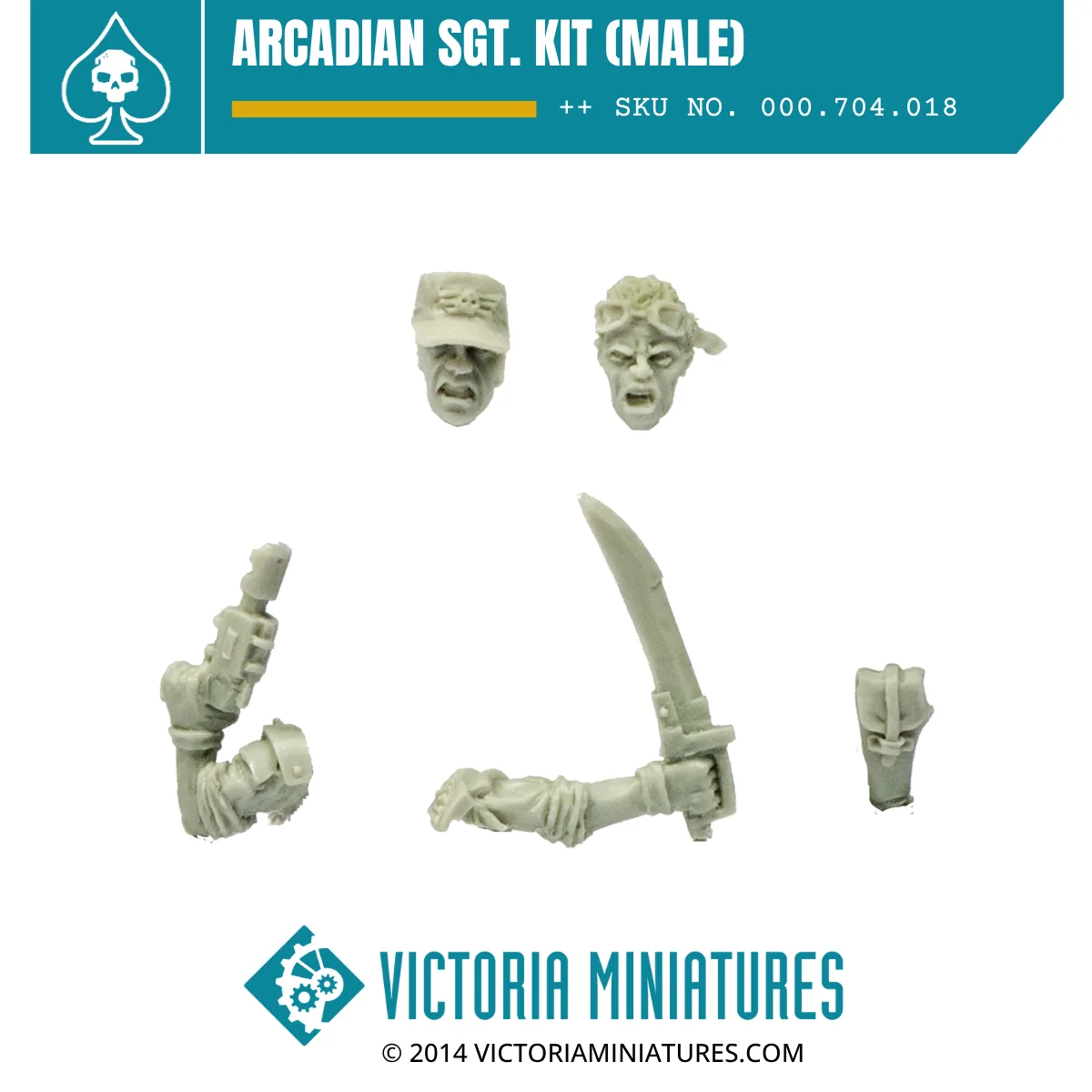
- Arcadian Sgt. Kit (Male): This metal Arcadian Sgt. Kit includes 2 heads, arms with sword and laser pistol, and a pistol holster. It is hand cast in high quality resin (note: the product is metal but described as resin in the catalog). Even a small character model like a sergeant benefits from the crisp detail that resin casting can provide, while the metal weight gives it a solid presence on the tabletop.
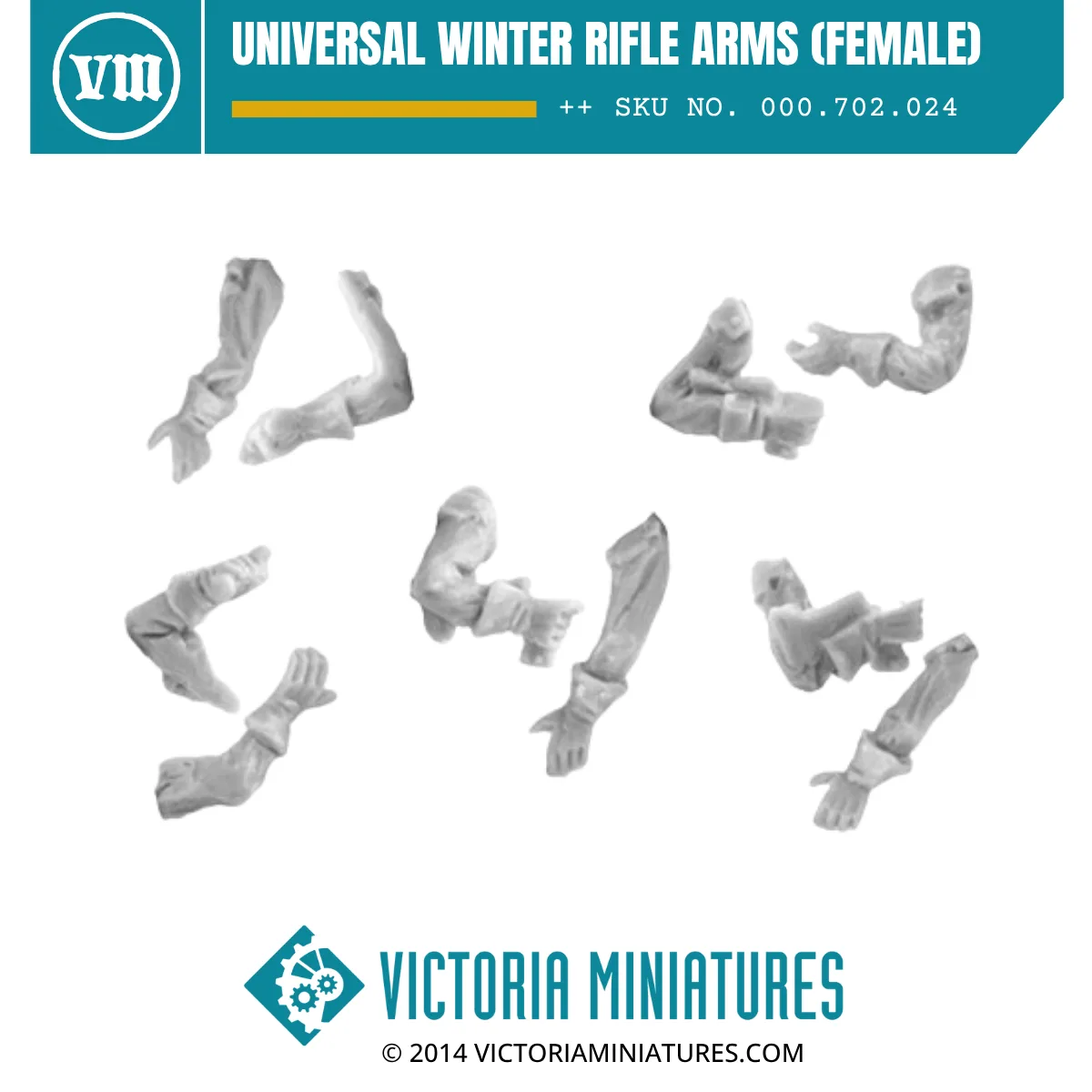
- Universal Winter Rifle Arms (Female): These universal female winter rifle arms are designed to fit Victoria Miniatures pistol grip rifles and popular plastic sci-fi rifles. They are hand cast in high quality resin. Resin arms like these allow for easy swapping and posing without the need for heavy pinning, making them a flexible option for converting plastic or resin troops.