Quick answer
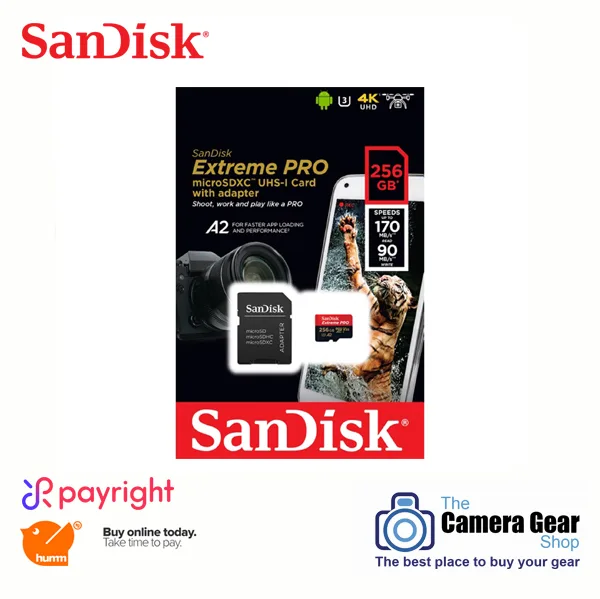
For most mirrorless and DSLR cameras, a full-size SD card is the correct choice because it fits the slot and offers higher speed grades for sustained burst shooting. Micro SD cards work well in action cameras, drones, and phones, but they require an adapter for SD slots and often cap out at UHS-I speeds. If your camera has a UHS-II slot and you shoot 4K or fast bursts, buy a V60 or V90 SD card; for casual 1080p or 4K at lower bitrates, a V30 card like the SanDisk Extreme Pro 256GB microSDXC is sufficient when used with its adapter.
Physical fit: why micro SD cards need an adapter
Micro SD cards are about the size of a fingernail, while standard SD cards are roughly the size of a postage stamp. Most cameras with a standard SD slot cannot accept a micro SD card directly; you must insert it into a microSD-to-SD adapter. The adapter adds a layer of potential failure and can slightly reduce write speeds if it is low quality. For devices with a micro SD slot, such as drones, action cameras, and some compact cameras, micro SD is the native format and works without an adapter.
Speed classes explained: UHS, V, and U ratings
Speed class ratings tell you the minimum sustained write speed of a card, which is critical for video recording and burst photography. The common ratings you will see are U1, U3, V30, V60, and V90. U1 and U3 refer to UHS Speed Class, with U3 guaranteeing at least 30MB/s write. V30, V60, and V90 are Video Speed Classes, guaranteeing 30MB/s, 60MB/s, and 90MB/s respectively. A card may carry multiple ratings, such as U3 and V30, which often indicate the same minimum write speed. For 4K video at 100Mbps, a V30 card is sufficient. For 4K at higher bitrates or 6K/8K, you need V60 or V90.
UHS-I vs UHS-II: bus interface matters
The UHS bus interface determines the maximum theoretical speed. UHS-I cards have a single row of pins and top out around 104MB/s, while UHS-II cards have a second row of pins and can reach 312MB/s. To benefit from UHS-II speeds, both the card and the camera slot must support UHS-II. If your camera only supports UHS-I, a UHS-II card will work but at UHS-I speeds. Many micro SD cards are UHS-I only, so they are limited to about 170MB/s read and lower write speeds. Full-size SD cards are available in both UHS-I and UHS-II, giving you more headroom for demanding cameras.
Capacity and file system: what to know before you buy
SD cards come in capacities from 32GB to 1TB and beyond. Cards 32GB and under often use the FAT32 file system, which limits individual file sizes to 4GB. For video recording, that can mean automatically splitting long clips. Cards 64GB and larger typically use exFAT, which supports larger files and is better for continuous 4K recording. Micro SD cards follow the same capacity rules. For most photographers, 128GB or 256GB offers a good balance of cost per gigabyte and enough space for a full day of shooting without swapping cards.
Reliability and durability: micro SD vs SD
Full-size SD cards are generally more robust because they are thicker and have a larger contact area. Micro SD cards are more fragile due to their small size and thin profile, and the adapter adds another point of failure. However, many micro SD cards are designed for harsh conditions and include temperature, water, and shock resistance. For critical work, use a full-size SD card in a camera that accepts it, and keep micro SD cards for devices where they are the native format. Always format cards in the camera, not the computer, to avoid corruption.
Decision rules for buying a camera memory card
- Match the card format to your device: Check your camera, drone, or phone: does it take a full-size SD card or a micro SD card? If it takes full-size SD, buy a full-size SD card unless you already own micro SD cards and want to use an adapter. If it takes micro SD, buy micro SD. Never force a card into a slot; use the correct format or a reliable adapter.
- Choose the speed class based on your recording needs: For 1080p or 4K at up to 100Mbps, a V30 card is enough. For 4K at 100-200Mbps or 6K, choose V60. For 8K or high-frame-rate 4K, choose V90. For still photography, U3 or V30 is fine unless you shoot long bursts at high resolution. Buy the speed you need today, but consider future-proofing if you plan to upgrade your camera.
- Check the bus interface of your camera: Look up whether your camera supports UHS-I or UHS-II. If it supports UHS-II, a UHS-II card will improve buffer clearing and transfer speeds. If it only supports UHS-I, a UHS-II card will work but at UHS-I speeds, so you can save money with a UHS-I card. Don't pay for UHS-II if your camera can't use it.
- Pick a capacity that fits your workflow: For a day of casual shooting, 64GB or 128GB is often enough. For video or high-resolution RAW, 256GB or more reduces card swaps. Avoid filling a card completely; leave some free space for buffer and file management. Two 128GB cards can be safer than one 256GB card for critical work.
Product facts
- SanDisk Extreme Pro 256GB microSDXC UHS-I with Adapter: SanDisk Extreme PRO microSDHC/microSDXC UHS-I memory cards now come with up to 256GB of storage for uncompromising smartphone, tablet and camera performance. Capture 4K Ultra HD and Full HD videos and enjoy transfer speeds of up to 170MB/s. Class 10, UHS-I Speed Class 3 (U3) and Video Speed Class 30 (V30) ratings. This card is a solid choice for drones, action cameras, and phones that use micro SD. The V30 rating handles 4K video at standard bitrates, and the included adapter lets you use it in a full-size SD slot when needed.
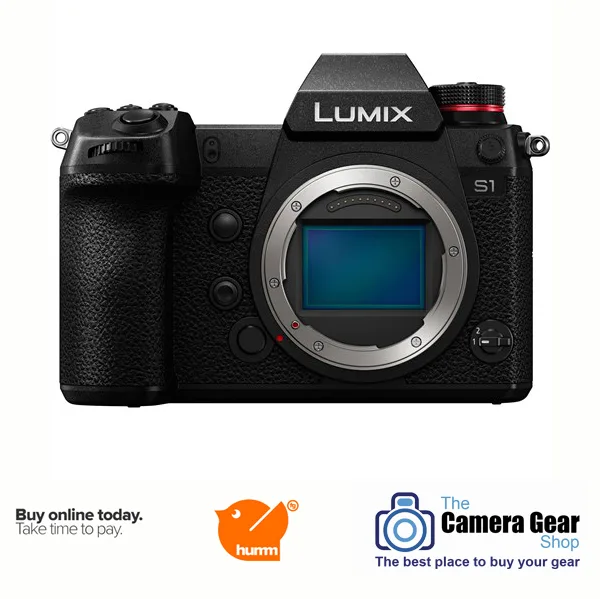
- Panasonic Lumix DC-S1 Body: Panasonic Lumix DC-S1 is a full-frame mirrorless camera with a 24MP sensor and Leica SL-Mount. It is Panasonic's first full-frame mirrorless model. A full-frame camera like the S1 benefits from fast UHS-II SD cards, especially for high-resolution stills and 4K video. Using a slow card can limit burst depth and video recording options.
Who should buy which card
Best for
- Photographers using a camera with a full-size SD slot who need reliable, fast storage for stills and 4K video.
- Drone or action camera users who need a micro SD card with V30 rating for 4K recording.
- Casual shooters who want a single card that works in both a phone and a camera with an adapter.
Not for
- Professionals shooting 8K or high-bitrate 4K who need V90 UHS-II SD cards.
- Users with cameras that require CFexpress or CFast cards; SD cards are not compatible.
- Anyone who needs the absolute maximum write speed for continuous burst shooting; micro SD UHS-I cards will bottleneck.