Quick answer
For controlled pouring of pancake and waffle batter, the Mini Batter Bottle wins. Its three tip sizes let you pour, decorate, and plate with far more precision than a measuring cup's single spout. A measuring cup still wins for measuring dry ingredients or scooping thin liquids. If you make mini waffles or pancakes often, the bottle is the better batter dispenser.
How the two tools actually pour
A measuring cup gives you one wide spout and a flat rim. That works for transferring batter into a hot pan, but the flow is fast and hard to stop cleanly. You often get drips down the side and uneven circles. The Mini Batter Bottle is built for dispensing: you squeeze the bottle and the batter comes out through a tip. Because you control pressure, you control the stream. That means rounder pancakes, neater waffle edges, and less batter landing where you don't want it.
Where the Mini Batter Bottle pulls ahead
The Mini Batter Bottle comes with three tip sizes. That range is the real difference. A wide tip handles thick pancake batter quickly. A smaller tip lets you write names, draw shapes, or decorate pastries. The finest tip works for plating savory sauces restaurant-style. All three tips store on top of the bottle, so you don't hunt for them mid-recipe. It's also top-rack dishwasher safe, which matters when batter dries on small parts. A measuring cup can't match that precision or convenience for dispensing.
Where a measuring cup still makes sense
A measuring cup is not obsolete. It measures volume, which the Mini Batter Bottle does not do. If a recipe calls for 1 1/2 cups of milk or you're scooping dry flour, you need a cup. Measuring cups also handle very thin liquids, like water or oil, without clogging. And they're often cheaper and easier to stack. The trade-off is clear: cups measure and transfer, bottles dispense with control. For batter specifically, control usually matters more than measurement after the first mix.
What to check before you buy
Look at the batter you make most. Thick waffle batter can clog a fine tip, so start with the widest tip and work down. If you mostly make mini waffles, a bottle that holds enough for a full batch saves refilling. The Mini Batter Bottle's capacity isn't listed in the catalog, so if you often make large batches, measure your typical batter volume first. Also consider cleanup: the bottle has more parts than a cup, but the top-rack dishwasher-safe design offsets that. For occasional baking, a cup may be enough. For frequent pancake or waffle mornings, the bottle earns its spot.
Trade-offs at a glance
- Pour control: Mini Batter Bottle uses squeeze pressure and three tip sizes for precise streams; a measuring cup has one wide spout and fast flow. Choose the bottle for round pancakes and neat waffle edges; choose the cup if you only transfer batter roughly.
- Measuring ability: A measuring cup measures volume; the Mini Batter Bottle does not include measurement markings in the catalog facts. Keep a measuring cup for recipes that need exact volumes, then pour batter from the bottle.
- Cleaning and storage: Mini Batter Bottle is top-rack dishwasher safe and stores its three tips on top; a measuring cup is usually a single piece. The bottle has more parts but self-stores tips; the cup is simpler but offers no dispensing precision.
Product facts
- Mini Batter Bottle: Mini Batter Bottle includes 3 unique tip sizes and all tips store on top of the bottle; top-rack dishwasher safe. Three tips cover thick pancake batter, detailed decorating, and savory sauce plating, while on-bottle storage and dishwasher-safe cleaning reduce mid-recipe hassle.
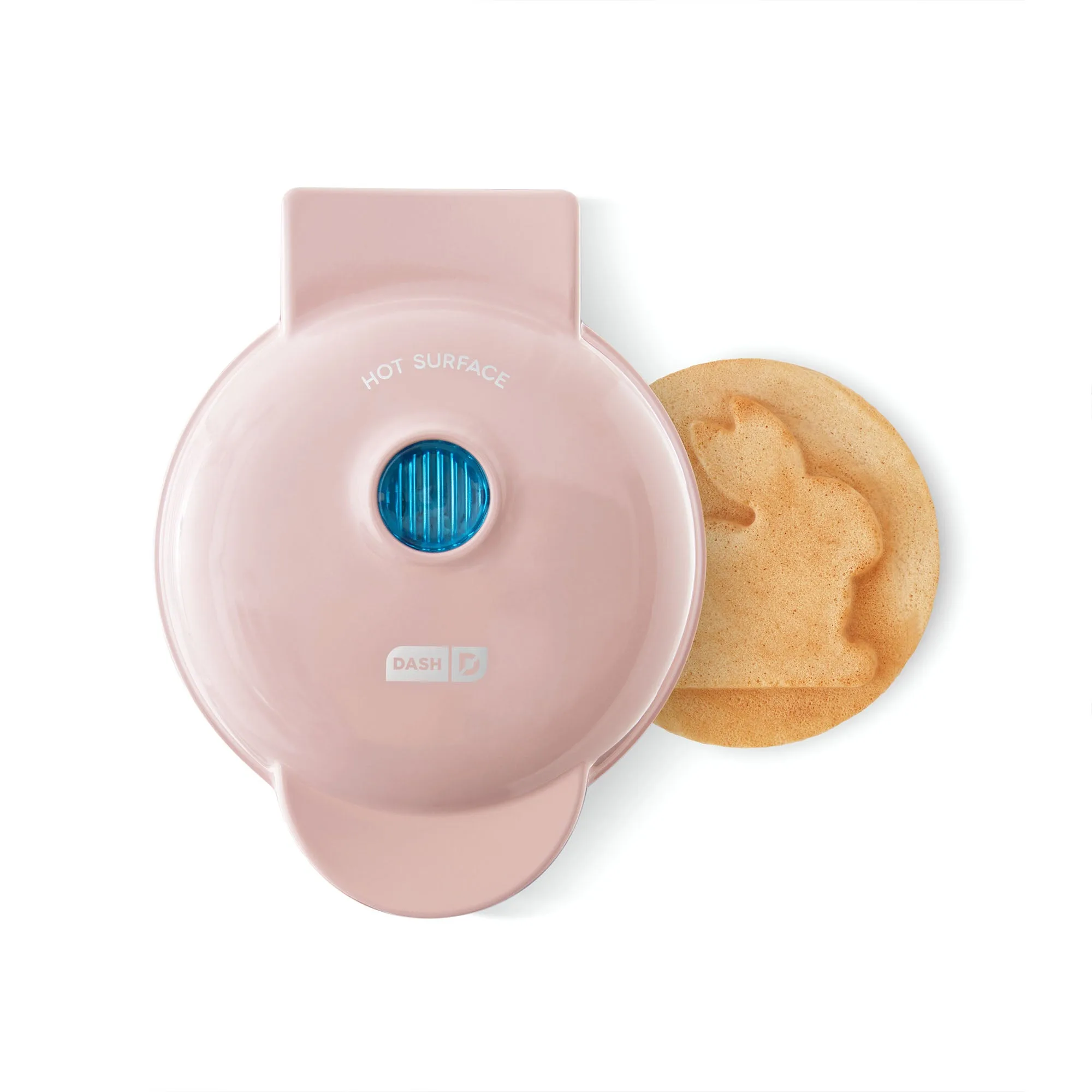
- Mini Maker Waffle and Griddle 2-Pack: Mini Maker Waffle and Griddle 2-Pack features PTFE nonstick surfaces that heat evenly and release food easily; compact design fits small spaces. Even heating and easy release pair well with a controlled pour, helping you get consistent mini waffles and griddled sandwiches without sticking.
Which should you choose?
Best for
- Home cooks who make mini waffles or pancakes often and want cleaner, rounder pours
- Anyone decorating pastries or plating sauces who needs multiple tip sizes
- Small kitchens where a compact, dishwasher-safe dispenser beats a bulky set of cups
Not for
- Bakers who mainly need to measure flour, milk, or oil by volume
- Cooks who rarely make batter and prefer a single, simple tool
- Anyone working with very thin liquids that flow fine from a standard cup