Quick answer
Most mini RC car with camper problems come down to three things: something binding in the steering linkage, a steering trim that has drifted, or a battery that is not fully charged or has aged. Clean and free the steering first, reset the trim to neutral, then charge and test the pack. If the car still pulls hard to one side or runs for only a minute or two after a full charge, replace the worn part rather than continuing to adjust.
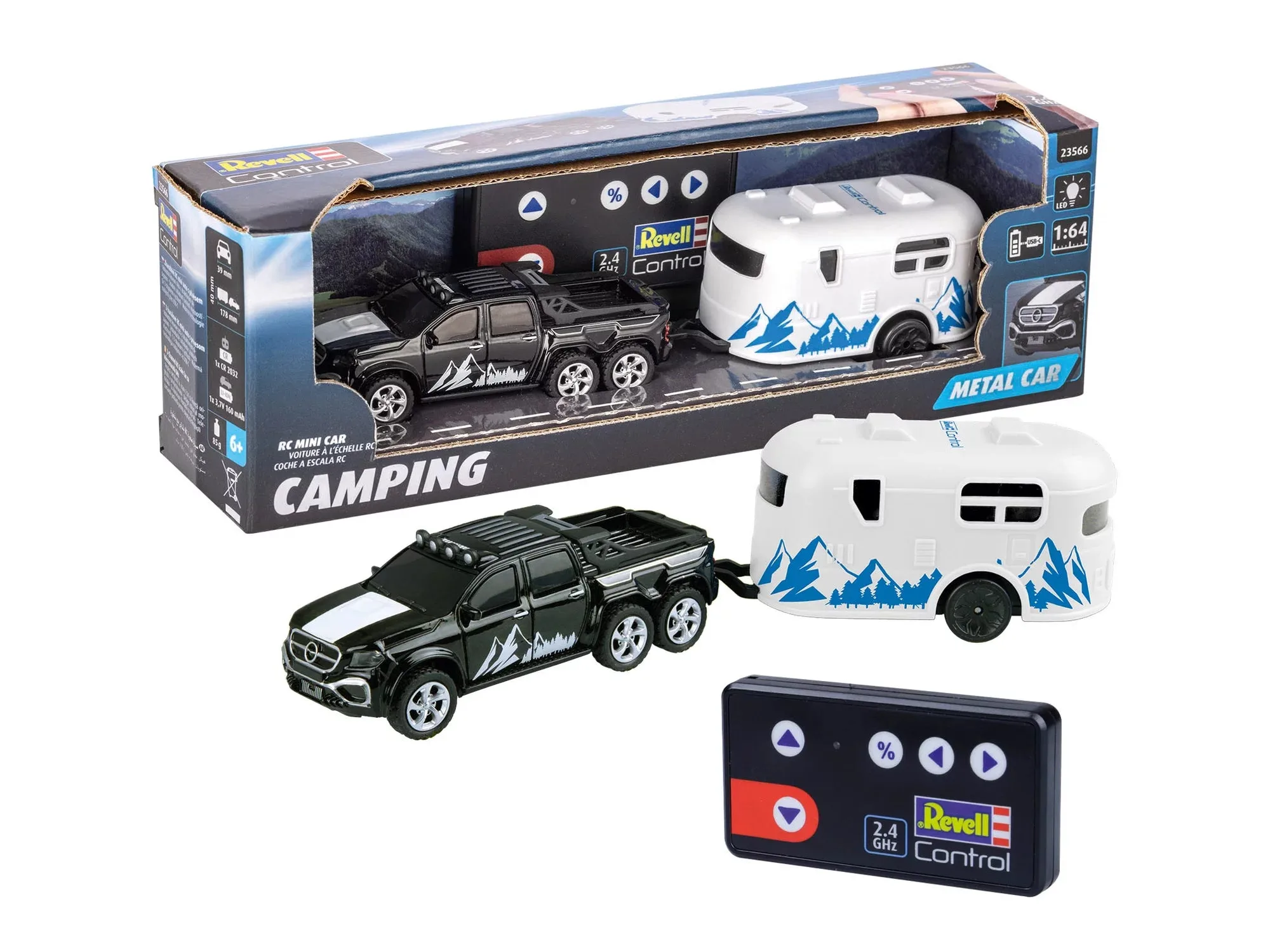
mini RC car with camper
A mini RC car with camper is small, light, and fun indoors, but that same size makes it sensitive to tiny problems. A bit of carpet fuzz in the steering, a slightly bent tie rod, or a battery that has sat discharged for months can all show up as the same symptom: the car will not drive straight or will not stay running.
This guide walks through the most common mini RC car problems in the order you should check them. For each one you get the symptom, the likely cause, the corrective action, and a clear point where you should stop adjusting and replace or swap the part instead.
Start with the steering: symptom, cause, and fix
If the car pulls to one side, the wheels do not return to center, or it only turns in one direction, the steering linkage is usually the culprit. On a small RC car, hair, carpet fibers, and dust wrap around the steering arms and kingpins, adding friction that the small servo cannot overcome. Turn the car off, lift it so the wheels are free, and move the steering by hand. It should move smoothly and return to center with no grinding.
If it feels stiff or gritty, clean the steering arms and pivot points with a soft brush and a little compressed air. Check for a bent tie rod or a wheel rubbing the body or camper shell. Straighten or reseat anything that is catching. If the linkage moves freely but the car still pulls, the steering trim on the transmitter has drifted; reset it to neutral and re-center the wheels before you drive again.
- Test steering with the car powered off so you can feel binding by hand.
- Keep hair and carpet fibers away from the steering arms; they are the most common cause of drift on small RC cars.
- Re-center the steering trim after any cleaning or parts reseating.
Battery and charging: why the car slows or stops
A car that runs for a minute and then slows to a crawl, or that will not move at all after sitting, usually has a battery issue rather than a motor issue. First confirm the pack is actually charging: check that the charger light changes state, that the connector is fully seated, and that you are using the charger supplied with the car. A partial connection can look like a full charge but deliver almost nothing.
If the pack charges but the run time is still very short, the battery has likely aged or was stored discharged. Small RC packs lose capacity over time, and a pack left empty for months may never recover. Test with a known-good pack of the same type if you have one. If a fresh pack gives normal run time, the original battery is the problem and should be replaced.
- Charge on a non-flammable surface and never leave a charging pack unattended.
- Match the replacement pack to the connector and voltage printed on the original.
- If the car runs fine on a fresh pack, stop troubleshooting the car and replace the battery.
When the car will not move at all
No movement with steering still working points to the drive side, not the battery. Check for a stone or hair wrapped around an axle or the pinion gear, and confirm the driveshaft or gear mesh is not stripped. On a mini RC car with camper, the camper shell and body can also trap debris against the wheels, so remove the shell and test again with the chassis bare.
If the motor spins but the wheels do not turn, the issue is between the motor and the wheels: a loose pinion, a stripped gear, or a broken driveshaft. These are replacement items, not adjustment items. If the motor does not spin at all and the battery is known good, the motor or its wiring has failed, and replacement is the practical fix.
- Remove the camper shell and body to check for trapped debris before assuming a mechanical failure.
- Listen for a spinning motor with no wheel movement; that isolates the fault to the drivetrain.
- Do not keep running a car with a stripped gear; it can damage the motor and surrounding parts.
Steering that works but the car wanders
A car that steers correctly but wanders or spins out on smooth floors often has a traction or alignment problem rather than a broken part. Check that all four wheels spin freely and that none are rubbing. On hard floors, dust and polish reduce grip, so clean the tires with a damp cloth and let them dry. Worn tires on a small RC car will spin easily under acceleration.
If the car still wanders after cleaning, check the front toe and camber by eye. A bent suspension arm or a wheel that sits at a different angle than its opposite is a mechanical fault. Straighten or replace the arm. If the chassis is cracked or the suspension mounts are broken, further adjustment will not hold, and the car needs a replacement part or a different model for that kind of use.
- Clean tires with a damp cloth; shiny tires on a hard floor cause spin-outs.
- Compare left and right wheel angles to spot a bent arm quickly.
- Stop adjusting once a suspension mount is cracked; the fix is a replacement part.
RC troubleshooting diagnosis table
- Car pulls to one side: Steering linkage is binding or the trim has drifted. Clean the steering arms and pivot points, remove hair and fibers, then reset the steering trim to neutral. If it still pulls after cleaning and trim reset, check for a bent tie rod or replace the steering assembly.
- Short run time after charging: The battery is not fully charging or has aged. Confirm the charger light changes state and the connector is fully seated, then test with a known-good pack of the same type. If a fresh pack runs normally, replace the original battery and stop troubleshooting the car.
- Car will not move but steering works: Debris or a stripped gear in the drivetrain. Remove the camper shell and body, clear anything wrapped around the axles, and check the pinion and gear mesh. If the motor spins but wheels do not turn, replace the stripped gear or driveshaft rather than continuing to run it.
- Car wanders or spins on smooth floors: Traction or alignment problem. Clean the tires with a damp cloth, check that all wheels spin freely, and compare left and right wheel angles for a bent arm. If a suspension mount is cracked or the chassis is broken, stop adjusting and replace the part or choose a different model for that surface.
Revell parts and kits that help with RC troubleshooting
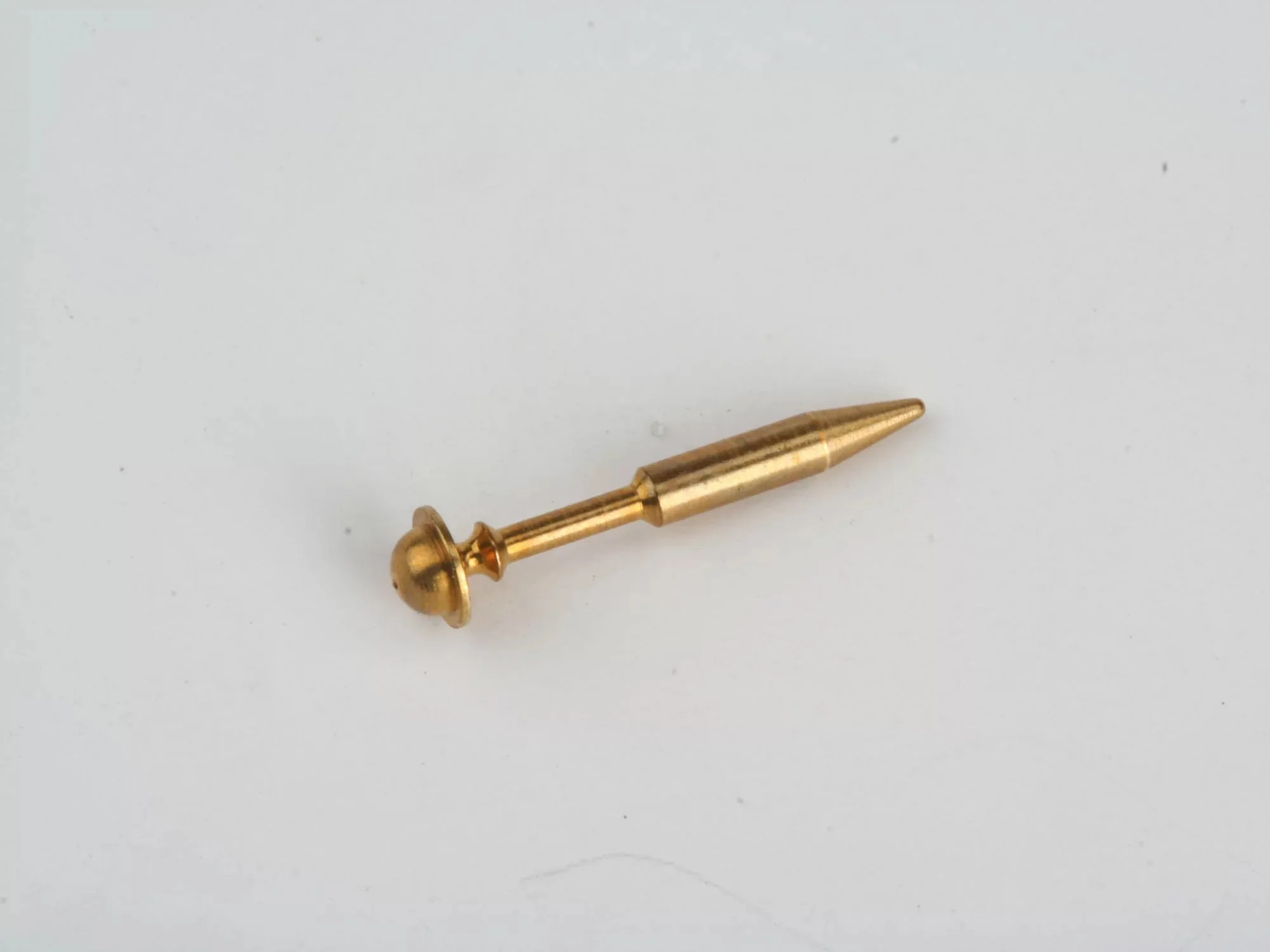
- Air Valve Plunger (39107/39108/39109): The Air Valve Plunger is a replacement component for Revell airbrush spray guns, listed for use with part numbers 39107, 39108, and 39109, and serves as the pressure piston within the airbrush assembly. If you paint or touch up RC bodies and camper shells, a worn plunger causes inconsistent spray; replacing it restores steady air pressure without buying a new airbrush.
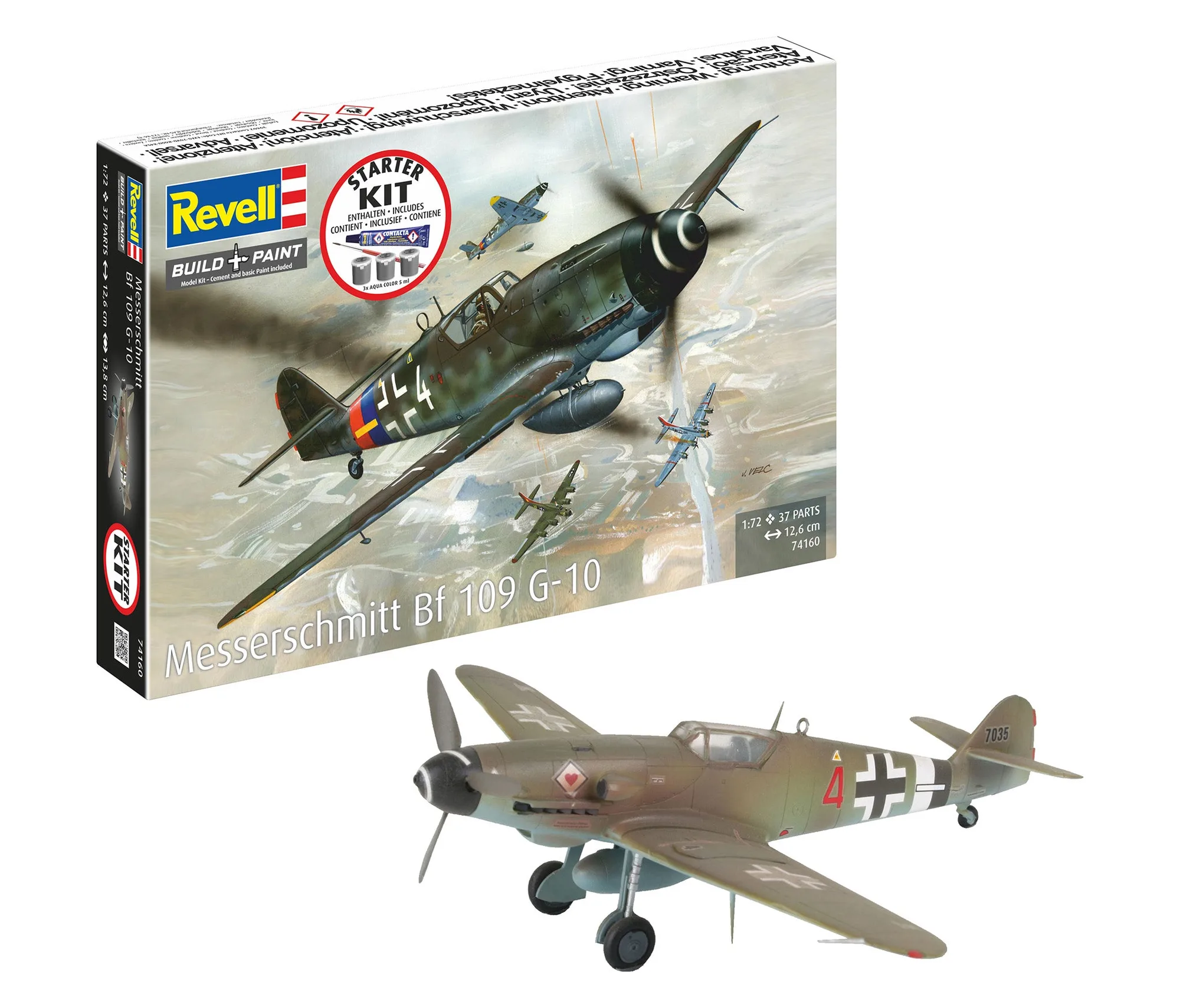
- Starter kit Messerschmitt Bf-109: The Starter Kit Messerschmitt Bf-109 includes paints, glue, brushes, and a detailed kit so you can start building right away. Useful if you want a low-cost, self-contained project to practice painting and assembly skills that also apply to detailing RC bodies and small parts.
Work through steering, battery, drivetrain, and traction in that order, and you will fix most mini RC car with camper problems without replacing parts you do not need. When a part is bent, stripped, or cracked, replacement is faster and more reliable than more adjustment.