Quick answer
For most people buying a new camera in 2026, mirrorless is the smarter default because manufacturers are investing in mirrorless lens systems, autofocus, and video. A DSLR still makes sense if you already own Canon EF or Nikon F lenses, shoot mainly stills, and want a lower entry price. Beginners who want guided help while learning should consider the Canon EOS 250D MkII; full-frame upgraders should compare the Nikon Z5 and Nikon Z6II.
The real difference: lens mount and future upgrades
Mirrorless cameras use shorter flange distances, which allows smaller bodies and lenses designed specifically for mirrorless mounts. DSLRs use legacy mounts like Canon EF and Nikon F, which have a huge used market but are no longer the primary focus for new lens development. Your lens collection, or the lenses you plan to buy, should drive the decision more than the body itself. If you own several EF or F lenses, a DSLR or an adapter lets you keep using them; if you are starting fresh, mirrorless gives you access to current lens roadmaps.
Autofocus and subject tracking
Mirrorless cameras typically offer more advanced autofocus with subject detection and eye tracking because the autofocus system works directly from the image sensor. DSLRs rely on a separate phase-detect module, which can be very fast but often covers less of the frame and may need micro-adjustment for individual lenses. For photographing moving subjects like children, pets, or sports, mirrorless generally makes it easier to get sharp shots without deep menu diving. That said, a well-tuned DSLR still performs well for predictable action, and some photographers prefer the optical viewfinder for fast panning.
Video features and handling
If you shoot video, mirrorless is usually the better choice. Mirrorless bodies tend to offer 4K or higher resolution, better autofocus while recording, and cleaner HDMI output. DSLRs can record video, but live-view autofocus is often slower and less reliable, and many models lack features like headphone jacks or uncropped 4K. For hybrid shooters who need both stills and video, mirrorless reduces the need for workarounds. For stills-only photographers, the gap narrows, and a DSLR's longer battery life and optical viewfinder can be genuine advantages.
Budget and total cost of ownership
DSLRs often cost less upfront, especially entry-level kits, but the savings can shrink if you later buy new lenses. Mirrorless bodies can be more expensive, yet the growing used market and third-party lens options are improving value. Consider the total price of the body plus the two or three lenses you will actually use. If your budget is tight and you mostly shoot in good light, a DSLR kit can free up money for a better lens, which usually improves image quality more than a newer body.
Size, weight, and weather sealing
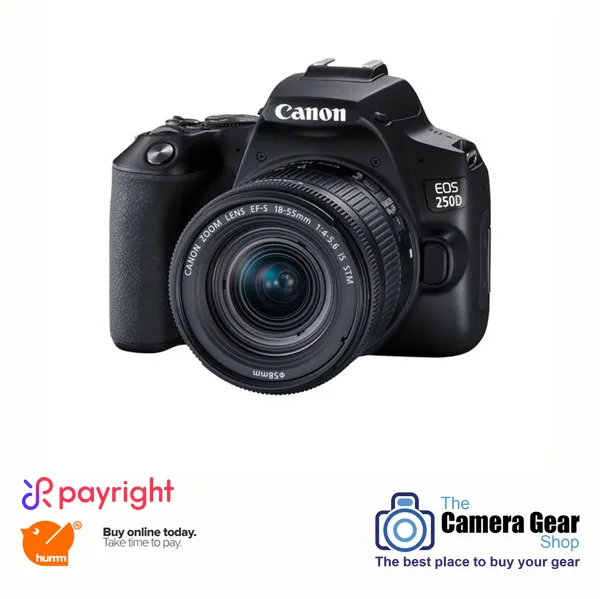
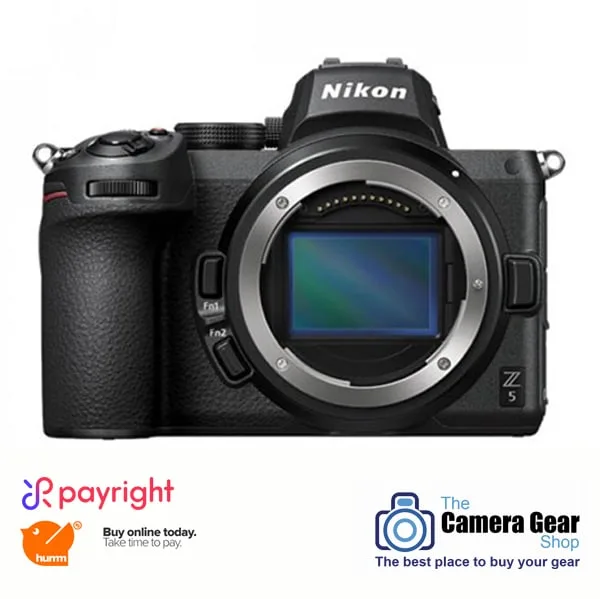
Mirrorless cameras are often smaller and lighter, but full-frame mirrorless bodies with fast lenses can be just as heavy as a DSLR. The Nikon Z5 is described as tough, lightweight, and weather-sealed, making it a portable full-frame option for travel and outdoor shooting. DSLRs like the Canon EOS 250D MkII are among the lightest DSLRs, so they remain a good choice if you want an optical viewfinder in a compact body. Try both in person if possible, because grip size and control layout affect how often you carry the camera.
Decision rules for 2026
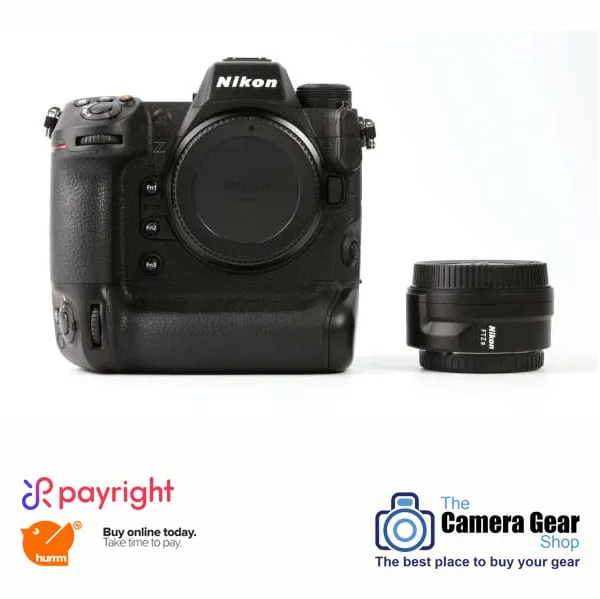
- You own Canon EF or Nikon F lenses: A DSLR lets you use them natively. If you want mirrorless, budget for an adapter like the FTZ II (included with the Nikon Z9) and check autofocus performance with your specific lenses. Adapter cost and compatibility should be part of your budget.
- You shoot video regularly: Choose mirrorless for reliable autofocus while recording, higher resolution options, and fewer workarounds. The Nikon Z6II offers 4K UHD, and the Nikon Z9 records up to 8K. Mirrorless is the safer bet for hybrid shooters.
- You are a beginner on a tight budget: A DSLR kit like the Canon EOS 250D MkII with 18-55mm lens keeps costs down and includes Creative Assist to help you learn. Put the savings toward a second lens or a tripod. Entry-level DSLRs still deliver good value for stills.
- You want a compact full-frame camera for travel: The Nikon Z5 is weather-sealed and lightweight, making it a portable full-frame mirrorless option. Pair it with a compact prime or standard zoom. Full-frame mirrorless can be travel-friendly if you choose lenses carefully.
Examples from our catalog
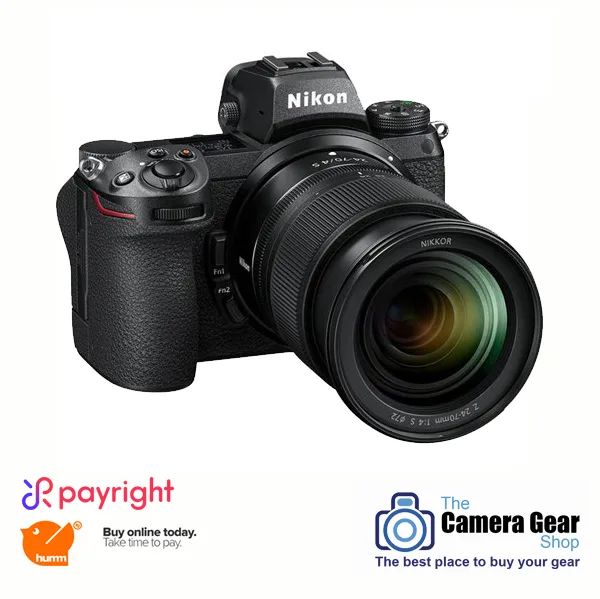
- Nikon Z 6II 24-70mm f4 Lens Kit: Nikon Z6II with 24-70mm f4 lens kit: 24.5MP FX-format sensor, 4K UHD video, dual EXPEED 6 processors. A true all-rounder for stills and video, with dual processors for faster handling and a versatile standard zoom.
- Nikon Z9 with FTZ II mount adapter Mirrorless Camera: Nikon Z9 with FTZ II mount adapter: 45.7MP BSI CMOS sensor, EXPEED 7 processors, up to 120 fps stills and 8K video. A flagship mirrorless for professionals who need extreme resolution, speed, and 8K video, and the included FTZ II adapter lets you use Nikon F-mount lenses.
- Nikon Z5 Body: Nikon Z5 body: tough, lightweight, weather-sealed full-frame camera with 4K video. A portable full-frame entry point for stills and video, well suited to travel and outdoor use.
- Canon EOS 250D Mkii w/EF-S 18-55mm f/4-5.6 IS STM Lens: Canon EOS 250D MkII with EF-S 18-55mm f/4-5.6 IS STM lens: Canon's lightest DSLR, with Creative Assist to help you learn as you shoot. A low-cost DSLR kit for beginners who want guided learning and an optical viewfinder.
Who should buy which
Best for
- Beginners who want guided learning and a low entry price: Canon EOS 250D MkII
- Hybrid stills and video shooters who want a balanced full-frame kit: Nikon Z6II
- Professionals who need high resolution, speed, and 8K video: Nikon Z9
- Travelers who want a lightweight weather-sealed full-frame body: Nikon Z5
Not for
- Photographers with a large collection of Canon EF or Nikon F lenses who do not want to use adapters: consider a DSLR instead
- Stills-only shooters who prefer an optical viewfinder and do not need advanced video: a DSLR may be a better fit
- Buyers who need the absolute lowest price and do not plan to expand their lens kit: an entry-level DSLR kit is more economical