Quick answer
Treat each missing piece as one of three cases: replace it if it is a named kit component that unlocks a specific activity, skip it if the activity still works with what you have, or move on if the piece is not sold separately and the kit's core play is already outgrown. Check the kit's component list first, then search Lovevery replacement parts and kit components by the exact piece name before buying anything new.
Start with a 10-minute diagnosis, not a shopping cart
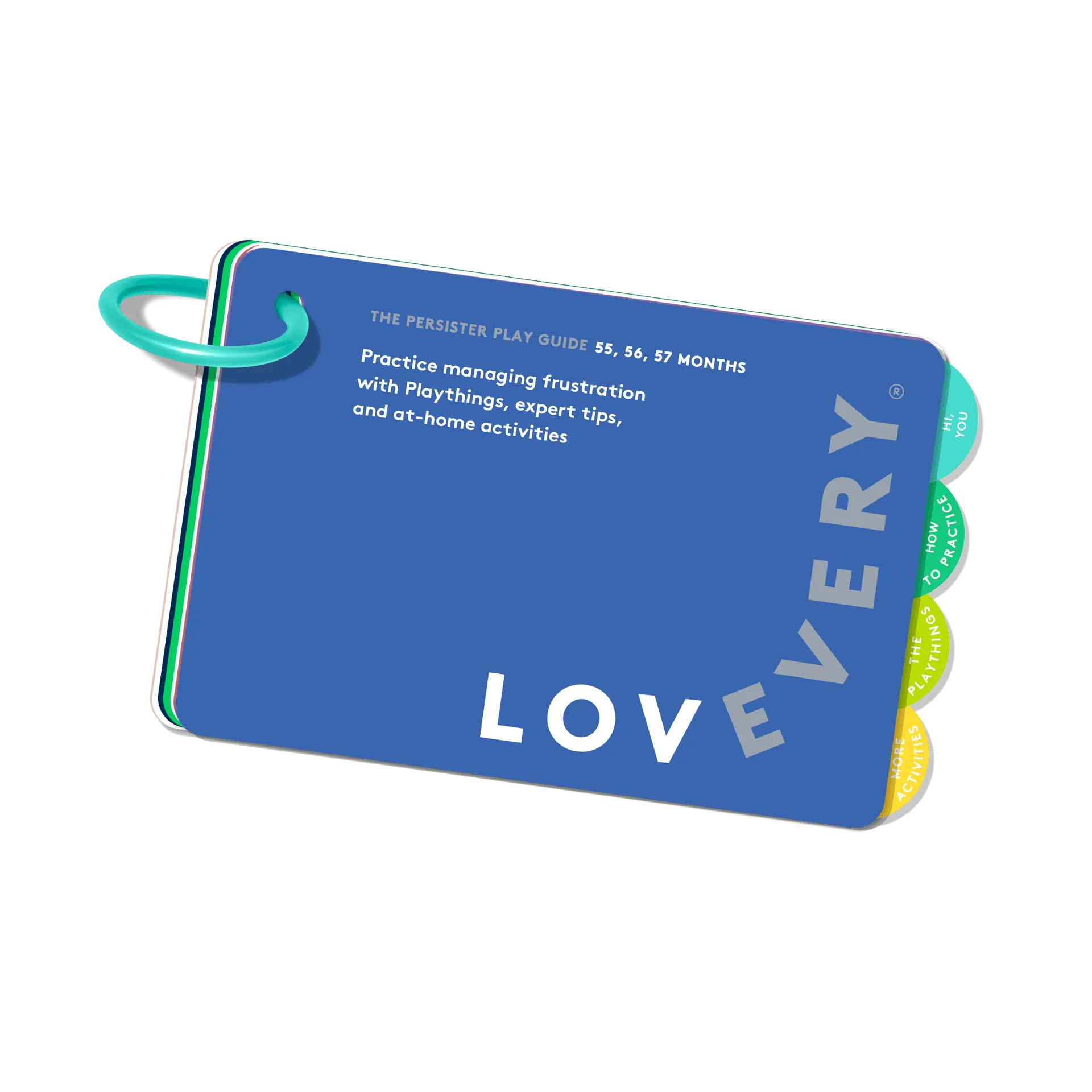
Pull out the kit's https://loveveryshop.com/products/play-guide-59405https://loveveryshop.com/products/play-guide-59580https://loveveryshop.com/products/play-guide-59590play guide and scan the component list. Mark each missing item as essential, nice-to-have, or already outgrown. Essential means the piece is required for a named activity your child still returns to. Nice-to-have means the activity can be adapted with a similar object. Already outgrown means your child has moved past that month's play focus.
This matters because replacement decisions are age-sensitive. A piece from a kit your child used six months ago may not deserve a replacement order, while a piece from the kit they use daily probably does.
Match the missing piece to the right replacement path
Lovevery sells two relevant categories: Kit Components (pieces that belong to a specific kit or activity) and Replacement Parts (durable parts for larger play items). Search using the exact piece name from the play guide, because generic terms like 'missing toy parts' return too many unrelated results.
If the piece is a printed or activity component, check the Kit Components listings first. If it is a physical part of a larger toy, such as a play kitchen accessory, check Replacement Parts. If neither category lists the piece, that is your signal to stop searching and decide whether the remaining kit still works without it.
When replacing a lost piece is worth it
Replace when the missing piece is the reason an activity no longer functions, when your child asks for it by name, or when the piece supports a skill you are actively working on. Letter sound pieces, for example, are hard to substitute because each piece maps to one letter; losing a few can make the whole set less useful for phonics play.
Replace also when the piece is inexpensive relative to the cost of rebuying the kit. A single component is almost always cheaper than a full kit, and it keeps the rest of your kit in rotation.
When to skip the replacement and adapt
Skip the replacement when the activity is open-ended. A missing pretend-play accessory, for example, can often be swapped with a similar household object without changing the play value. In those cases, the missing piece is a convenience problem, not a play problem.
Skip also when your child has not noticed. If weeks have passed and the piece has not been requested, adding it back may create clutter rather than restore play.
The point where you should stop or choose another option
Stop when the piece is not sold separately, when the kit's remaining components no longer match your child's current stage, or when the total cost of replacing multiple pieces approaches the value of moving to a different kit or activity. At that point, the better choice is usually to retire the incomplete kit and invest in play that fits your child now.
If you are unsure whether a piece is available, contact Lovevery support with the kit name and the piece description before buying a duplicate kit.
Missing piece diagnosis: symptom, cause, action, stop point
- Symptom: a specific activity no longer works: One missing piece breaks a named activity your child still uses, such as a letter sound piece or a kitchen accessory. Likely cause: the piece is essential to that activity. Action: search Kit Components or Replacement Parts by exact name. Stop point: if it is not sold separately, retire the activity or adapt it.
- Symptom: pieces disappear but play continues: Your child keeps playing with the remaining pieces and does not ask for the missing one. Likely cause: the piece was nice-to-have, not essential. Action: skip the replacement and note it for later. Stop point: do not buy a duplicate kit just to complete a set.
- Symptom: multiple pieces from an older kit are gone: Several components are missing from a kit your child has mostly outgrown. Likely cause: normal wear and stage transition. Action: compare replacement cost against moving to a current kit. Stop point: if the kit no longer matches your child's stage, retire it instead of rebuilding it.
Replacement options worth knowing
- Letter Sounds Pieces (set of 26): The Letter Sounds Pieces (set of 26) are a component designed for use with Lovevery kits, with one piece for each letter of the alphabet. If your child is using letter sounds for early phonics, losing even a few pieces can weaken the set. This is a replace case because each piece maps to a specific letter.
- Play Guide for Months 40, 41, 42: The Play Guide for Months 40, 41, 42 offers ways to play, expert tips, development information, and at-home activity ideas for that age range. A missing play guide is easy to overlook, but it is the reference that tells you which components matter and how to adapt activities when a piece is gone.
- PLAY KITCHEN - CUTTING BOARD: This cutting board is a replacement part designed for the Lovevery Play Kitchen and supports pretend cooking and food preparation activities. A missing kitchen accessory is a good example of a replace-or-adapt decision: if pretend cooking is still a daily activity, replacing the part restores the play; if not, a similar object can fill in.