Quick Answer
Monomer is safe to work with when you treat it like any professional solvent: ventilate the room, keep it off your skin, and store it sealed and upright. The risks people worry about come from prolonged overexposure or repeated skin contact, not from a properly run nail station. If your eyes water, your skin stings, or the smell lingers in the next room, your setup needs adjusting before your next client.
Monomer is the liquid half of every acrylic system, and it is the part techs ask about most. The questions are usually the same: are the fumes dangerous, will it absorb through my skin, and how much ventilation is actually enough. Those are fair questions, and they deserve direct answers rather than vague reassurance.
This guide answers the practical questions behind monomer safety so you can set up your station, protect your hands, and work confidently. It is general guidance for professional use, not medical advice, and it does not replace the safety information on your product label.
Is Monomer Safe to Use?
Yes, when it is used as intended in a professional setting. Monomer is a reactive liquid that polymerizes into acrylic, and that reactivity is exactly why it needs respect. The main exposure routes are inhalation of vapor and direct skin contact. A tech who works in a ventilated space, uses the correct amount of liquid, and keeps gloves and skin care in the routine is working within normal professional practice.
The distinction that matters is dose and duration. Occasional brief exposure at a well-kept station is very different from hours of breathing concentrated vapor in a closed room. If you notice symptoms that appear only during or after acrylic work, that is your signal to improve ventilation and technique rather than push through.
- Work with the smallest amount of monomer needed; a dry bead is easier to control and releases less vapor.
- Keep the dappen dish covered between picks so the liquid is not sitting open.
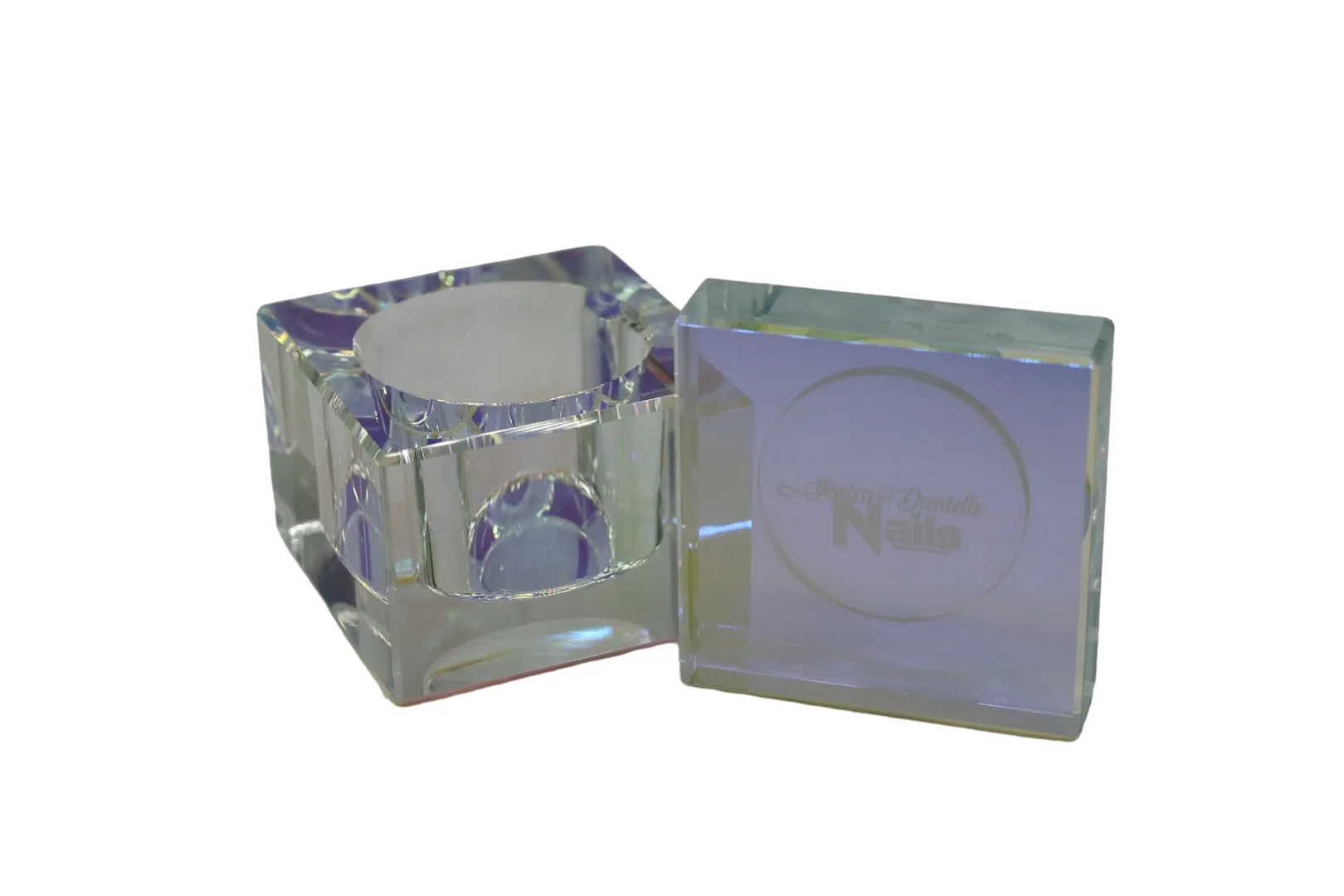
dappen dish
- If you are pregnant, sensitive, or already reacting, talk to a healthcare provider about your specific situation.
What Are Monomer Fumes and Are They Harmful?
The smell people call fumes is monomer vapor escaping from the liquid. It is strongest right at the dish and fades with distance and airflow. In a closed, unventilated room the vapor can build up, which is when headaches, eye irritation, and that lingering salon smell become noticeable. Good ventilation moves the vapor away from your breathing zone before it concentrates.
You do not need a laboratory to improve this. A local exhaust fan near the table, an open window with cross-air, or a dedicated salon ventilation unit all reduce the concentration you breathe. The goal is not a smell-free room; it is keeping the air moving so vapor does not sit around your face while you work.
- Position airflow so it pulls vapor away from you, not across your face.
- Keep the monomer dish on the far side of the table from your breathing zone.
- If the smell reaches the next room, your ventilation is not keeping up.
Can Monomer Absorb Through Your Skin?
Monomer can contact and irritate skin, and repeated exposure without protection is the most common cause of sensitivity in nail techs. That is why skin contact is treated as the exposure to minimize, not the fumes alone. Spills, drips, and working bare-handed in the liquid are the usual culprits, and they are all preventable.
Nitrile gloves are the standard barrier for acrylic work, and they should be changed when soiled rather than worn all day. If monomer does land on your skin, wash with soap and water rather than reaching for acetone, which strips the skin further. Keeping cuticle oil and a fragrance-free hand cream nearby helps repair the barrier you are trying to protect.
- Wear nitrile gloves and replace them when they are contaminated.
- Do not use acetone to clean monomer off your skin; soap and water is gentler.
- Moisturize after every shift to keep your skin barrier intact.
How Should You Store Monomer Safely?
Monomer belongs in a tightly sealed, upright container away from heat, direct sunlight, and open flames. It is flammable, so keep it out of the path of hot tools and never decant it into an unlabeled bottle. A cool, dark cabinet at room temperature is ideal, and the original labeled container is always the safest choice.
Sealing matters for more than safety. Monomer absorbs moisture from the air, and a contaminated bottle can affect how your powder performs, which is one reason a clean, closed dish and a properly capped bottle protect both your health and your product quality. If your monomer looks cloudy or has thickened unexpectedly, replace it rather than trying to revive it.
- Store upright, sealed, and labeled, away from heat and open flames.
- Never transfer monomer into a food or drink container.
- Replace monomer that has become cloudy or unusually thick.
Is Monomer Safe During Pregnancy?
There is no single answer that covers every pregnancy, and this is a conversation to have with your healthcare provider rather than a blog. What you can control is exposure: better ventilation, gloves, a covered dish, and shorter uninterrupted sessions all reduce how much vapor and skin contact you experience. Many techs find that adjusting their station makes the workday more comfortable regardless of the reason.
If you are pregnant and working with acrylics, be honest with your doctor about the products you use and how many hours a week you spend at the table. Bring the safety data sheet for your monomer if you have it. That gives your provider real information to work with instead of a general worry.
- Ask your provider about your specific exposure and hours.
- Improve ventilation and glove use before reducing your schedule.
- Keep product safety data sheets on hand for medical questions.
Is Monomer Safe for Clients?
Clients are exposed for a short appointment, at arm's length, usually in a room you have already ventilated for your own comfort. The same controls that protect you protect them: moving air, a covered dish, and not working with an open container of liquid under their nose. Most clients notice the smell, not a health effect, and a well-ventilated station keeps that smell mild.
If a client mentions sensitivity, headaches, or irritation during a service, take it seriously. Offer a break, improve airflow, and consider whether a different service suits them better. You are not diagnosing anything; you are simply not ignoring a reaction in your chair.
- Ventilate before the client sits down, not after they mention the smell.
- Keep the monomer dish covered between applications.
- If a client reacts, pause the service and adjust the environment.
What About Dip Systems and Other Monomer-Free Options?
Some acrylic powders, including several in the Jessica Danielle Nails line, can be applied with monomer or with a dip system, which changes your exposure profile because the liquid step is different. That flexibility is useful if you or a client want to reduce direct monomer handling on a given day, though dip systems have their own chemistry and still deserve ventilation and clean technique.
Monomer-free does not automatically mean risk-free, and monomer-based does not automatically mean unsafe. The deciding factors are the same in both cases: airflow, skin protection, storage, and how much time you spend exposed. Choose the system that fits the service, then apply the same safety habits to it.
- Check the product label to confirm whether a powder supports dip application.
- Ventilate for dip systems too; they are not a no-airflow shortcut.
- Match the system to the service, then apply the same safety routine.
Monomer Safety Quick Check
Ventilation
Air should move vapor away from your breathing zone, not across your face. A local exhaust fan or cross-air window setup is the baseline. If the smell reaches the next room, fix airflow before your next client.
Skin Contact
Wear nitrile gloves, change them when soiled, and wash monomer off with soap and water rather than acetone. Repeated unprotected contact is the exposure most worth eliminating.
Storage
Keep monomer sealed, upright, labeled, and away from heat, sunlight, and open flames. Cloudy or thickened monomer should be replaced, not revived.
Product Choice
Powders that work with monomer or a dip system give you flexibility in how much liquid handling a service requires. Whichever system you choose, apply the same ventilation and glove habits.
Product Facts That Support Safe Monomer Work
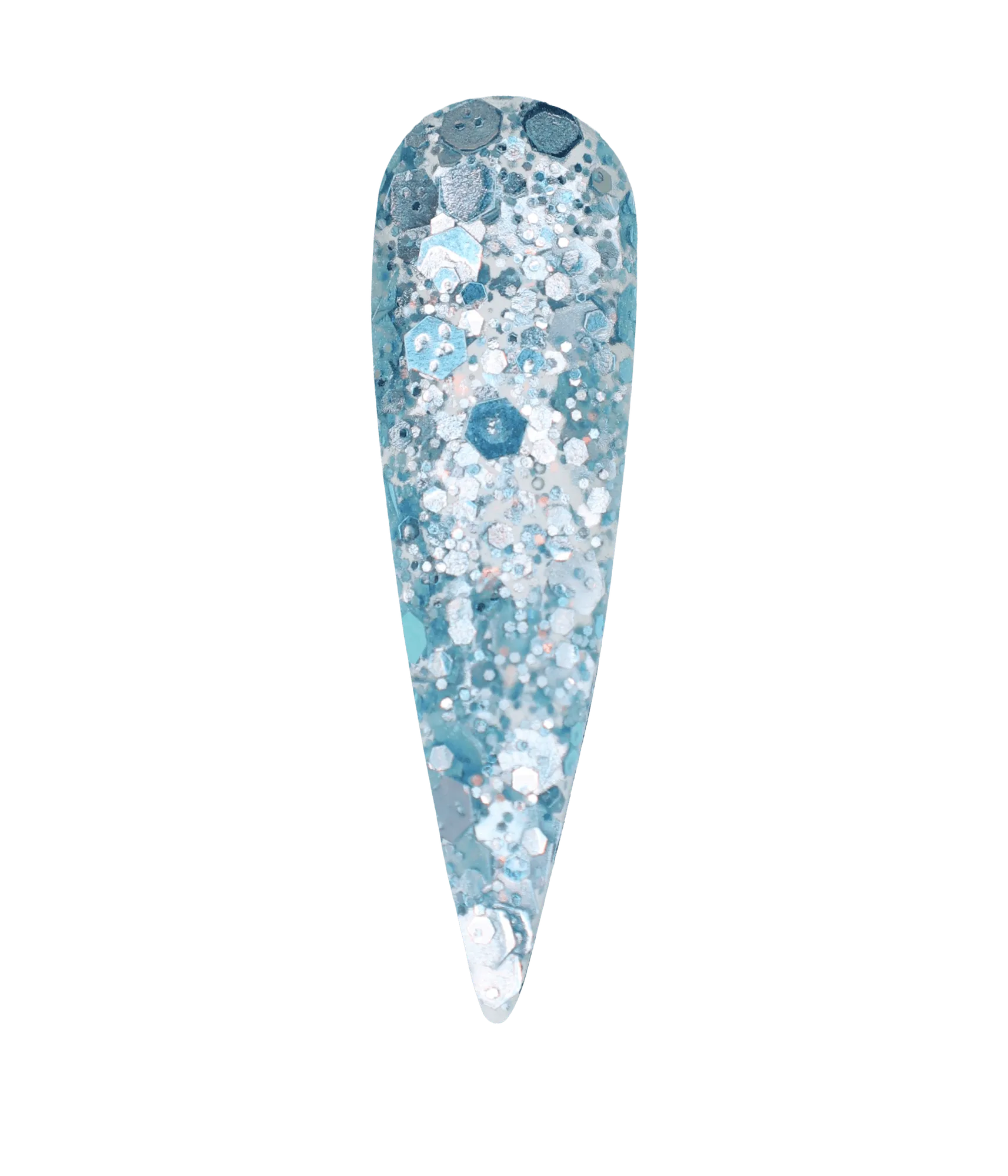
- #29 Over Ice - Acrylic Nail Powder: Can be applied with monomer or a dip system, and the super fine powder absorbs liquid evenly and is self-leveling. A powder that absorbs liquid evenly means less excess monomer sitting open on the nail, which reduces both vapor and cleanup.
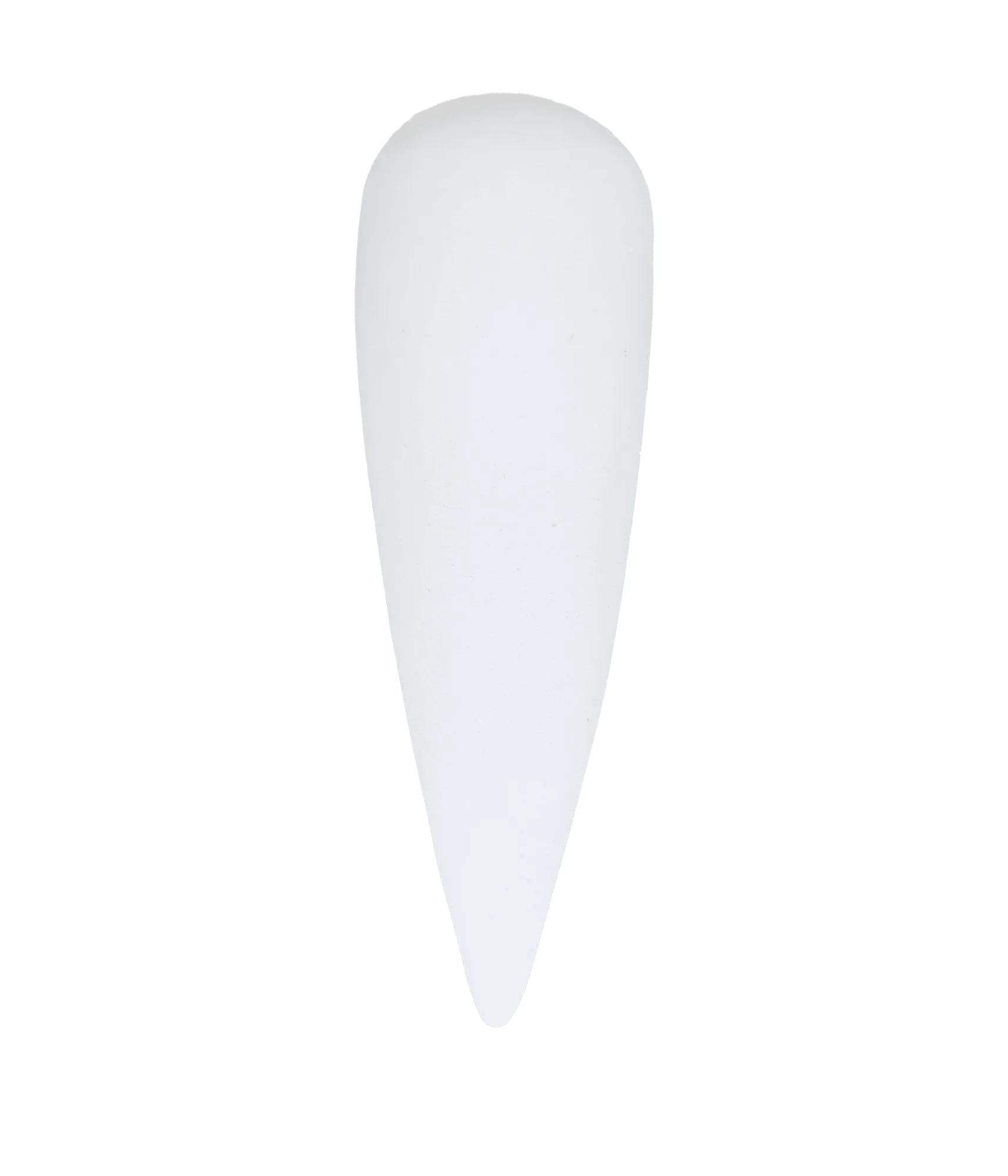
- #20 White Russian - Acrylic Nail Powder: Formulated for a butter-like consistency that is easy to work with for beginners and advanced techs alike. A controllable consistency helps you use a drier bead and fewer corrective passes, so the dish stays covered more of the time.
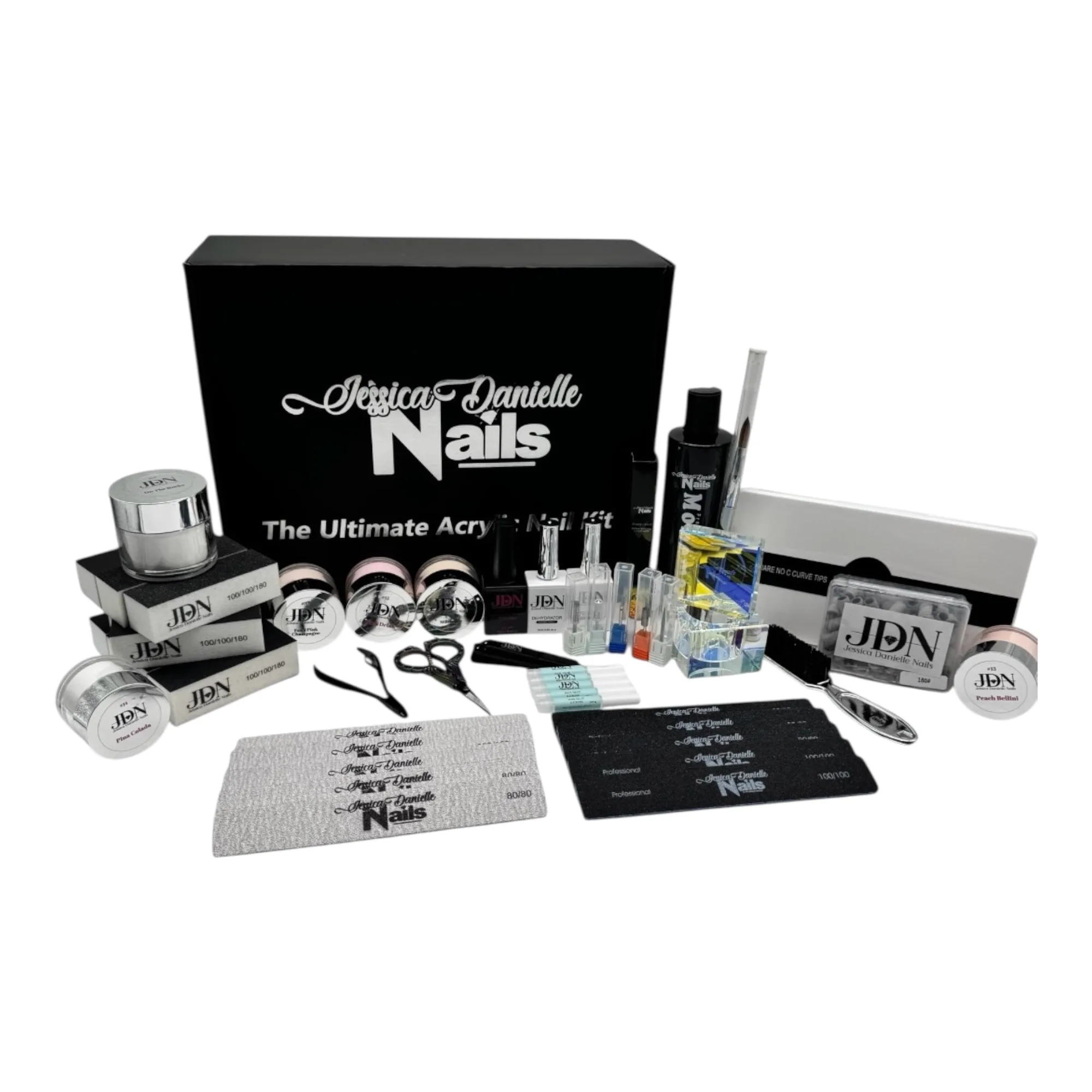
- Ultimate Acrylic Nail Kit: A professional full set tested daily in the salon and trusted by nail techs, with step-by-step instructions included. A complete, salon-tested kit gives new techs the correct tools and guidance from the start, which makes safe technique easier to build.
Monomer safety comes down to a few habits repeated every shift: move the air, protect your skin, seal the bottle, and pay attention when your body signals that something is off. Get those right and monomer is a manageable part of professional acrylic work rather than a mystery to fear.