Quick answer
For most casual wine drinkers, a reusable monster wine stopper is the simpler, more enjoyable choice: it seals the bottle in seconds, adds personality to your table, and keeps wine drinkable for a few days. Vacuum pumps remove more air and can extend freshness slightly longer, but they require extra parts and effort. If you finish a bottle within two to three days, a monster stopper wins on convenience and charm.
How each method actually preserves wine
A wine stopper works by creating a physical barrier that limits the wine's exposure to oxygen. Once you push or twist it into the bottle neck, the remaining air inside the bottle stays put, slowing oxidation. A vacuum pump takes a different approach: you place a rubber stopper on the bottle and use a handheld pump to pull air out, reducing the oxygen available to react with the wine. In practice, both methods slow the decline, but neither creates a perfect vacuum or replaces the inert gas blanket used by commercial systems. The key difference is how much air you remove and how much effort you're willing to invest each time you reopen the bottle.
Freshness timeline: what to expect from each
Most open bottles of wine stay enjoyable for two to three days with a simple stopper, and vacuum pumps might buy you an extra day or two, depending on the wine. Delicate whites and light reds tend to fade faster than robust reds, so your mileage will vary. The real test is taste: if the wine still smells like fruit rather than vinegar, it's fine to drink. Neither method will rescue a bottle left open for a week, and neither is designed for long-term cellaring. For everyday drinking, the convenience of a stopper often outweighs the marginal gain from a pump.
The fun factor: why design matters for daily use
A wine stopper that makes you smile is more likely to get used every time. If the tool is fiddly or hidden in a drawer, you'll skip it and let the wine oxidize. Monster-themed stoppers turn a routine task into a small pleasure, and they double as conversation pieces when you set the bottle on the table. Vacuum pumps are functional but clinical; they live in a drawer and rarely spark joy. For anyone who entertains or simply enjoys a glass with dinner, the best wine preservation method is the one you'll actually reach for.
Practical trade-offs: storage, cleaning, and durability
Monster stoppers are typically one-piece designs made from BPA-free plastic, so they're easy to rinse and don't require disassembly. They're also compact enough to toss in a drawer or leave on the counter. Vacuum pumps have multiple parts—pump, stopper, and sometimes a storage base—which means more to clean and keep track of. The rubber seals on pumps can wear out over time, while a well-made plastic stopper can last for years. If you're short on drawer space or dislike extra steps, a stopper has a clear edge. If you regularly have half-empty bottles and want maximum air removal, a pump's extra effort might be worth it.
How to choose based on your drinking habits
Start by tracking how long an open bottle usually lasts in your home. If you finish it within two or three days, a monster stopper is all you need. If you often leave wine for four or more days, or if you're particularly sensitive to oxidation, a vacuum pump could be a better fit. Consider also who else uses the stopper—guests may not know how to operate a pump, but anyone can push in a fun-shaped stopper. And if you like the idea of a reusable wine stopper that adds character to your kitchen, quirky wine accessories like OTOTO's monster designs make the choice easy. For a deeper look at specific designs, see our monster wine stopper review below.
Trade-offs at a glance
- Freshness duration: Vacuum pumps remove more air and may extend freshness by a day or two compared to a simple stopper. However, the difference is often small for wines consumed within three days. If you drink a bottle within 2–3 days, a stopper is sufficient.
- Ease of use: Monster stoppers seal in one step and require no extra equipment. Vacuum pumps need a pump, a stopper, and a bit of coordination each time you open the bottle. Choose the method you'll actually use every time.
- Fun and display: A monster stopper doubles as a tabletop conversation piece and encourages you to reseal the bottle. A vacuum pump is purely functional and usually stored out of sight. If enjoyment matters, quirky wine accessories win.
Monster stoppers that make preservation playful
- Pasta Monsters: Pasta Monsters is a spoon and fork set designed by OTOTO, made from BPA-free plastic, measuring 8 x 29 x 5.5 cm, and functions as both a pasta server and spoon. While not a wine stopper, this set shows OTOTO's approach to playful, functional kitchen tools. If you enjoy their design language, you'll likely appreciate their wine stoppers too.
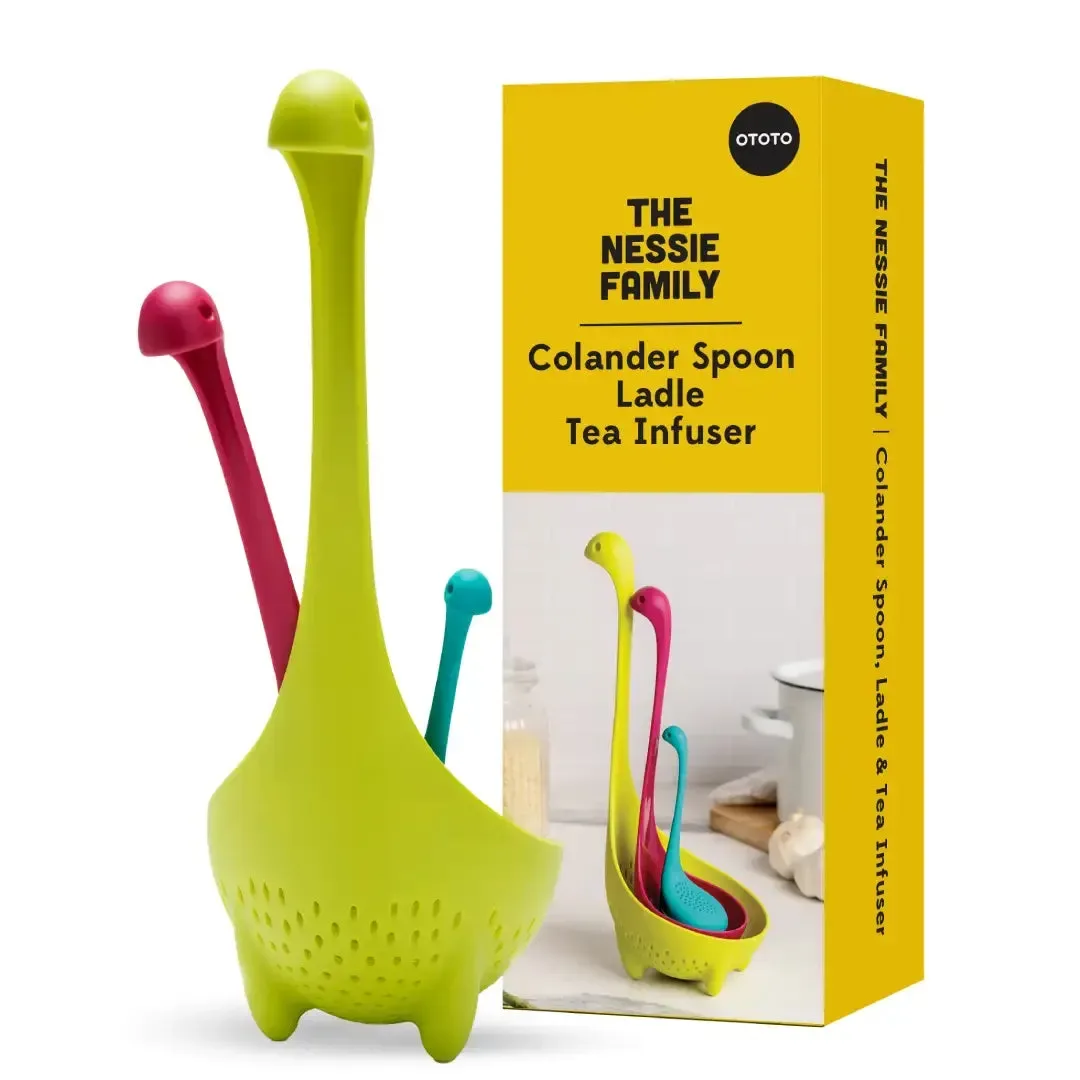
- Baby Nessie: Baby Nessie is a tea infuser designed by OTOTO that dives into your cup to release flavors, part of The Nessie Family Collection. It's another example of a whimsical tool that makes a daily ritual more enjoyable. The same spirit applies to monster wine stoppers: they turn a routine into a moment of fun.
Which should you choose?
Best for
- Casual wine drinkers who finish a bottle within 2–3 days
- Anyone who wants a reusable wine stopper that's easy to clean and fun to use
- People who entertain and want a conversation-starting accessory on the table
Not for
- Those who routinely leave wine open for 4+ days and want maximum oxidation protection
- Wine enthusiasts who prefer a more technical, multi-step preservation routine
- Anyone looking for a long-term cellaring solution (neither method is designed for that)