Quick answer
Monthly contacts usually win on cost per wear if you wear lenses at least four days a week and keep a strict replacement and cleaning routine. Daily lenses win if you wear lenses occasionally, because you never pay for a pair you did not open. Before comparing prices, confirm your prescription allows monthly wear and ask your eye care professional which brand and base curve fits your eyes.
How to calculate cost per wear for contacts
Cost per wear is the box price divided by the number of lens wears you actually get from that box. A six-lens monthly box gives you six lenses, so if you wear lenses six days a week you use roughly one lens per eye per month and the box covers about three months of wear. Divide the box price by the total wears in that period to get a real number you can compare against dailies.
Two costs are easy to forget. Solution, cases, and replacement of a torn or lost lens all add to the monthly total, while dailies include those costs in the price. Run the math over a full year, not one box, because annual supply pricing and your actual wearing pattern change the answer more than the sticker price does.
- Count real wearing days per week, not the days you own the lenses.
- Add solution and case costs to the monthly side of the comparison.
- Recalculate if you travel, swim, or skip lens days often.
When to replace monthly lenses
Replace monthly lenses on the schedule your eye care professional gives you, which is usually every 30 days from the day you open the lens, not from the day you first wear it. Write the open date on the lens case or the box so the replacement date is not a guess. If a lens feels uncomfortable, looks cloudy, or causes redness before that date, take it out and do not stretch it to the end of the month.
Monthly wear also depends on care. Rub and rinse with the solution your eye care professional recommends, use fresh solution every time, and replace the case regularly. Skipping those steps shortens how long a monthly lens stays comfortable, which quietly raises your cost per wear.
- Mark the open date on the box or case the day you start a lens.
- Replace on the calendar date, not when the lens starts feeling worn.
- Never top up old solution or reuse it to extend a lens.
Monthly vs daily: where the value actually lands
Dailies cost more per lens but you only pay for the days you wear them, and there is no solution, case, or cleaning routine. Monthlies cost less per lens but reward consistent wear and consistent care. If you wear lenses two days a week, the yearly total for dailies is often close to monthlies, and dailies remove the risk of a lens sitting in solution for weeks.
The break-even point moves with your habits, not with a universal rule. Track one month of actual wear days, multiply by twelve, and compare that against the annual cost of a monthly supply plus solution. If the monthly number is only slightly lower, choose the schedule you will actually follow, because a lens worn past its replacement date is not a saving.
- Frequent, routine wearers usually get more value from monthlies.
- Occasional wearers usually get more value from dailies.
- Irregular schedules make monthly lenses harder to track and replace on time.
Decision rules for choosing and timing monthly lenses
- Wear four or more days a week: Choose monthly lenses and buy an annual supply so the per-lens price drops and you always have a spare pair on hand. Set a recurring replacement reminder for each 30-day cycle.
- Wear two days a week or less: Choose daily lenses instead, because you will not pay for lenses that sit unused in solution and you skip the cleaning routine. Compare a year of dailies against monthlies plus solution before deciding.
- Prescription outside common ranges: If your prescription is at the edge of standard ranges, ask about extended-range monthly options rather than assuming standard lenses will fit. Confirm the brand, base curve, and diameter with your eye care professional first.
- Lens feels wrong before day 30: Stop wearing it and replace it early; do not wait for the calendar date if there is redness, cloudiness, or discomfort. Keep one spare lens from the box for early replacements.
Product facts that affect monthly cost and fit
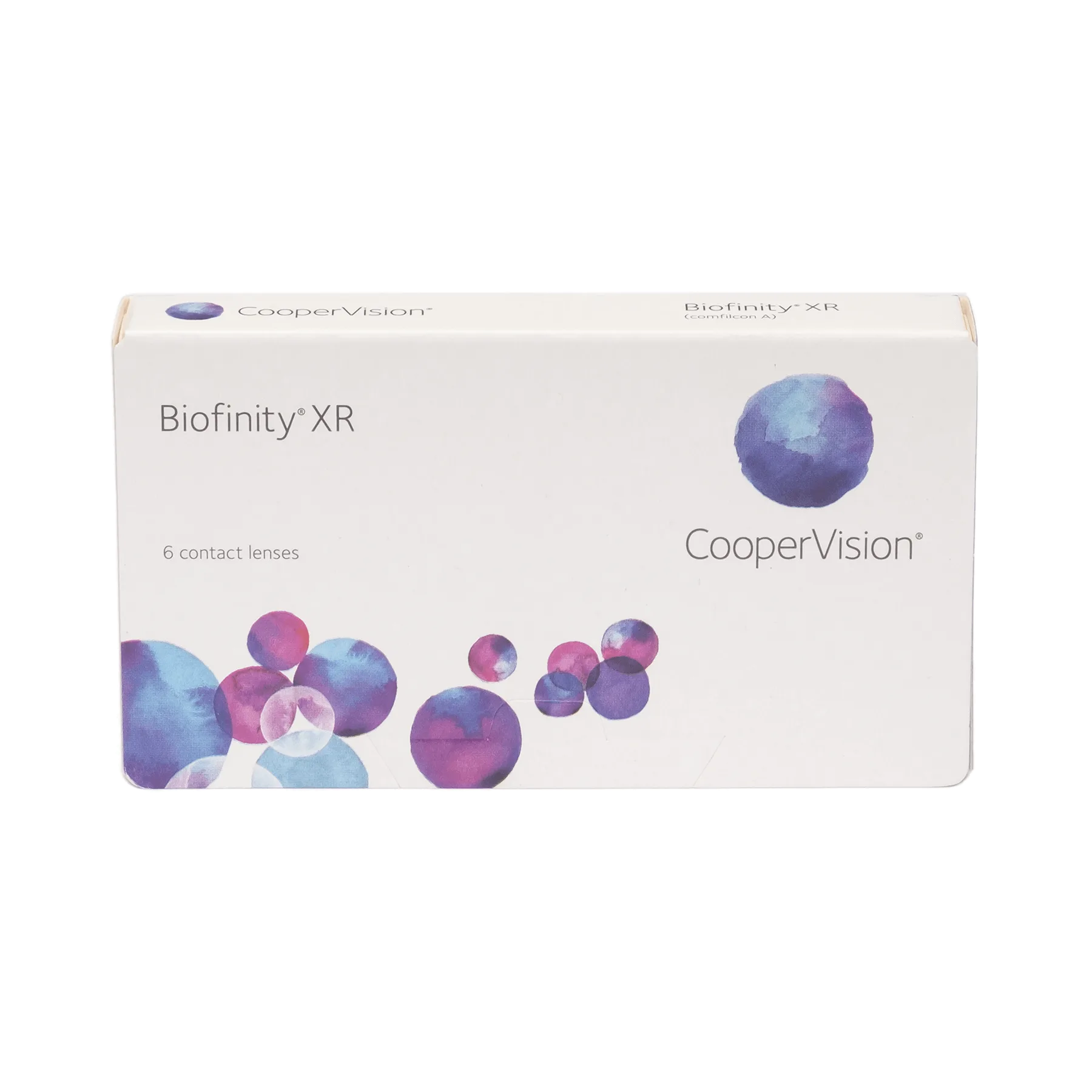
- Biofinity XR - 6 Pack: Biofinity XR is a monthly disposable soft contact lens sold in a 6-pack, made with 52% comfilcon A by CooperVision, and the catalog lists an annual supply as 4 boxes. A 6-lens box and a 4-box annual supply give you a clear unit to divide by your real wear days, so you can calculate cost per wear before buying.
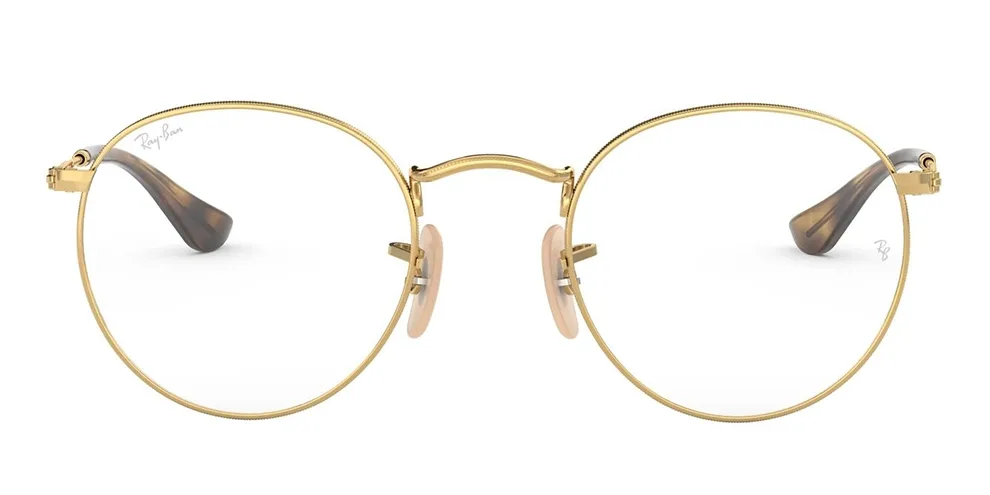
- 0RX3447V-Round Metal: The Ray-Ban 0RX3447V Round Metal frame is offered in Gold with Clear lenses, and both frame color and lens color can be selected as options. If your monthly lens routine includes glasses as a backup, choosing frame and lens color options up front avoids a second order later.
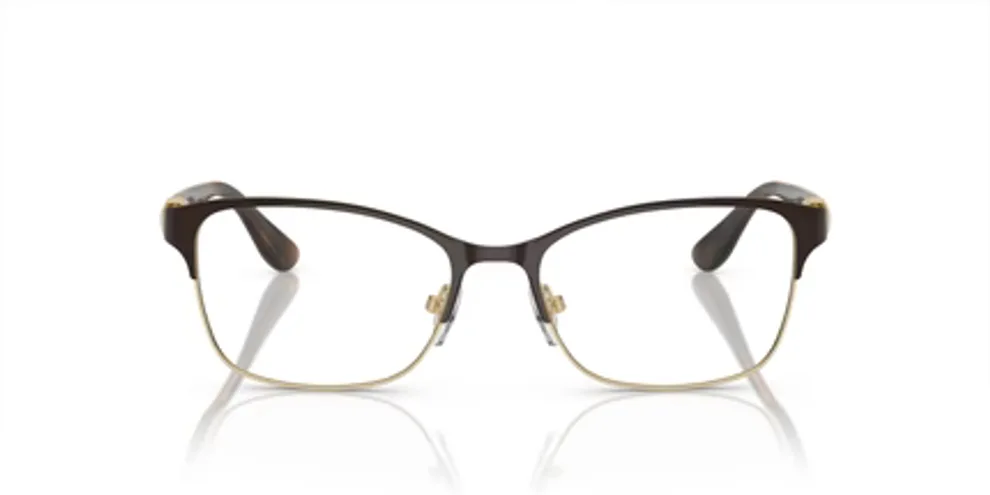
- 0VO4050: The Vogue Optical 0VO4050 frame is listed in Brown Pale Gold with Clear lenses, with frame color and lens color selectable as options. A second pair keeps you out of monthly lenses on days your eyes need a break, which protects the replacement schedule you paid for.
Who monthly lenses suit
Best for
- People who wear contacts at least four days a week on a predictable schedule
- Wearers who will keep a consistent clean, store, and replace routine
- Anyone who wants a lower cost per wear and is comfortable buying an annual supply
Not for
- Occasional wearers who use lenses a couple of days a week or less
- People who often skip lens days or travel without a cleaning routine
- Wearers who want zero maintenance and no solution or case to manage