Quick Answer
For most adults, a typical moringa capsule dosage is 500–1,000 mg per day, taken with food and water. Start with the lowest dose to assess tolerance, and always check the label for concentration and purity. Moringa is generally safe, but it's not a substitute for medical treatment.
Moringa capsules have become a popular supplement for boosting energy, supporting digestion, and providing a wealth of nutrients. If you're new to moringa, you might wonder how to take it effectively and what dosage is right for you. This guide breaks down the practical steps, benefits, and what to expect when adding moringa capsules to your routine.
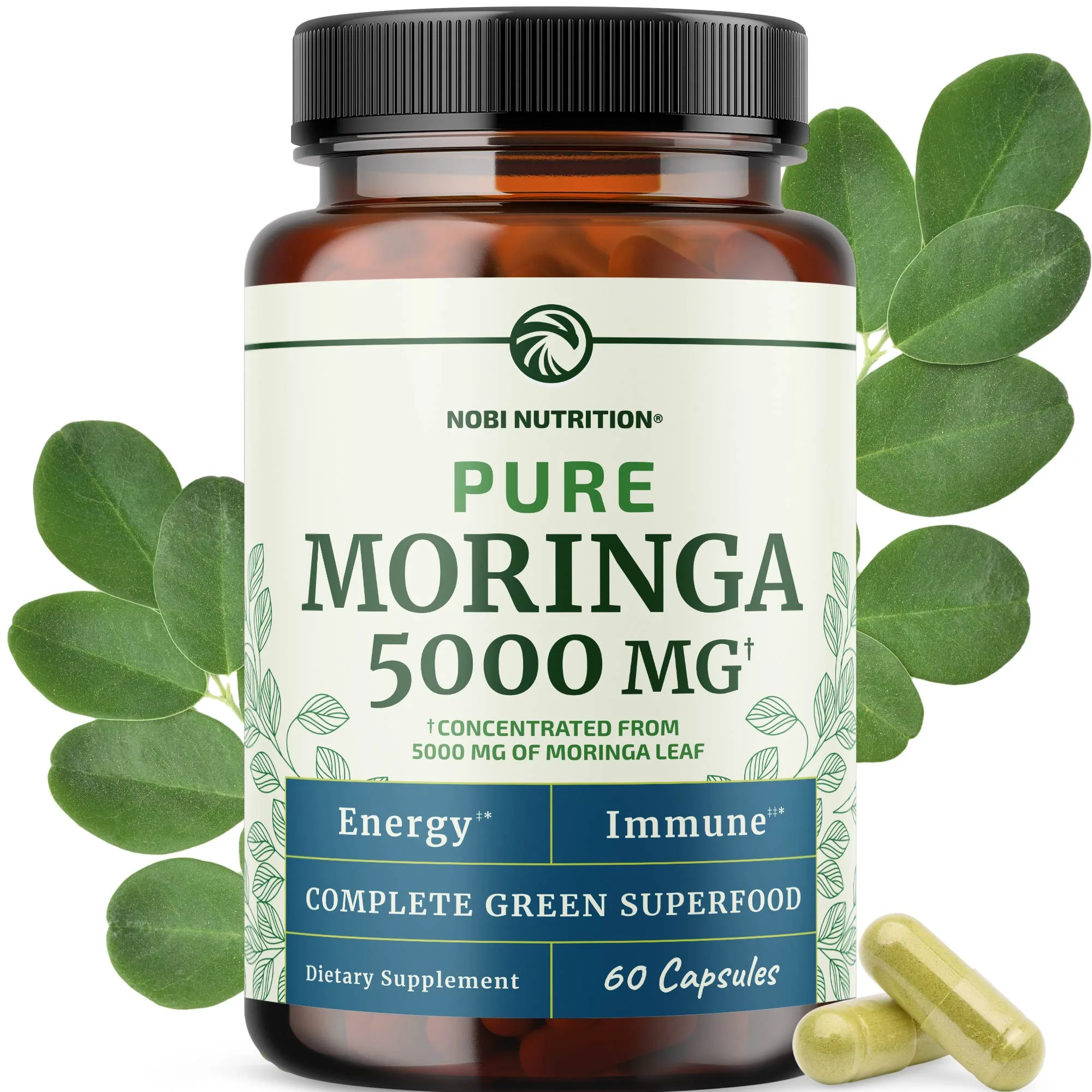
Moringa capsules
While moringa is often called the 'miracle tree,' it's important to approach supplementation with realistic expectations. Capsules offer a convenient way to consume moringa, but the key is to use them correctly. Below, we cover everything from choosing the right product to monitoring your body's response.
Moringa Capsules Benefits: What Science and Tradition Suggest
Moringa leaves are rich in vitamins, minerals, and antioxidants. Traditional use and preliminary research suggest benefits for energy, blood sugar regulation, and inflammation. However, many claims are based on limited studies, so it's wise to view them as supportive, not curative.
When choosing a moringa supplement, look for products that specify the part of the plant used (leaf is common) and the concentration. Some capsules include black pepper extract (piperine) to enhance absorption, but this isn't necessary for everyone. If you have a sensitive stomach, a simple leaf powder capsule may be gentler.
- Check for third-party testing or certifications to ensure quality.
- Avoid moringa if you are pregnant or breastfeeding, as safety is not well established.
- Consult a healthcare provider if you take diabetes or blood pressure medications, as moringa may interact.
How to Take Moringa Capsules: Step-by-Step
Taking moringa capsules is straightforward, but following a few simple steps can improve absorption and minimize side effects. Start by reading the label to understand the serving size and concentration. Most products recommend one or two capsules per day, but always follow the manufacturer's instructions.
The best time to take moringa is with a meal that contains some fat, as this can aid absorption of fat-soluble nutrients. Morning or early afternoon is often recommended to avoid potential sleep disruption, though moringa is not a stimulant. Consistency matters more than timing.
- Always take with a full glass of water.
- If you miss a dose, do not double up; just resume your normal schedule.
- Store capsules in a cool, dry place away from sunlight.
Moringa Dosage: How Much Should You Take?
There is no official recommended dosage for moringa, but common guidelines suggest 500–1,000 mg of powder per day. Some studies have used up to 3,000 mg daily, but starting lower is prudent. The concentration of active compounds varies between products, so always refer to the label.
If you are new to moringa, start with the lowest effective dose and gradually increase over a week. This helps you assess tolerance and reduces the risk of digestive upset. Keep in mind that higher doses do not necessarily lead to greater benefits and may increase side effects.
- Look for a supplement that provides a standard extract or specifies the amount of leaf powder per capsule.
- Track how you feel in a journal to identify the optimal dose for your needs.
- Never exceed the manufacturer's recommended dose unless advised by a healthcare professional.
What to Expect When Taking Moringa Capsules
Most people do not notice immediate effects. Benefits like increased energy or improved digestion may take several weeks of consistent use to become apparent. Some users report mild digestive discomfort or a detox-like reaction when starting, which usually subsides.
Be patient and give the supplement at least 4–6 weeks to evaluate its effects. If you experience any adverse reactions, discontinue use and consult a doctor. Remember that supplements are meant to complement a healthy lifestyle, not replace it.
- Keep a consistent schedule to maximize potential benefits.
- Combine moringa with a balanced diet and regular exercise for best results.
- If you notice no change after two months, reassess whether moringa is right for you.
Your 5-Step Guide to Using Moringa Capsules Safely
- Choose a quality product: Look for a supplement that specifies 'leaf powder' and provides a clear amount per capsule. Prefer brands that offer third-party testing or transparent sourcing. A simple, pure product is often better than a complex blend.
- Start with a low dose: Begin with one capsule (or half the recommended dose) daily for the first few days. This allows your body to adjust and helps you identify any sensitivity. If you experience stomach upset, try taking it with food or reduce the dose.
- Take consistently with meals: Incorporate moringa into your daily routine at the same time, ideally with breakfast or lunch. Taking it with a meal containing healthy fats can enhance absorption. Consistency beats timing perfection.
- Monitor your response: Keep a simple log of energy levels, digestion, and any changes you notice. This helps you determine if the supplement is working for you. Give it at least 4 weeks before making a judgment.
- Review and adjust: After a month, evaluate your experience. If you're satisfied, continue; if not, consider adjusting the dose or trying a different form of moringa. Supplements are not one-size-fits-all. Listen to your body.
Related Supplements from Nobi Nutrition
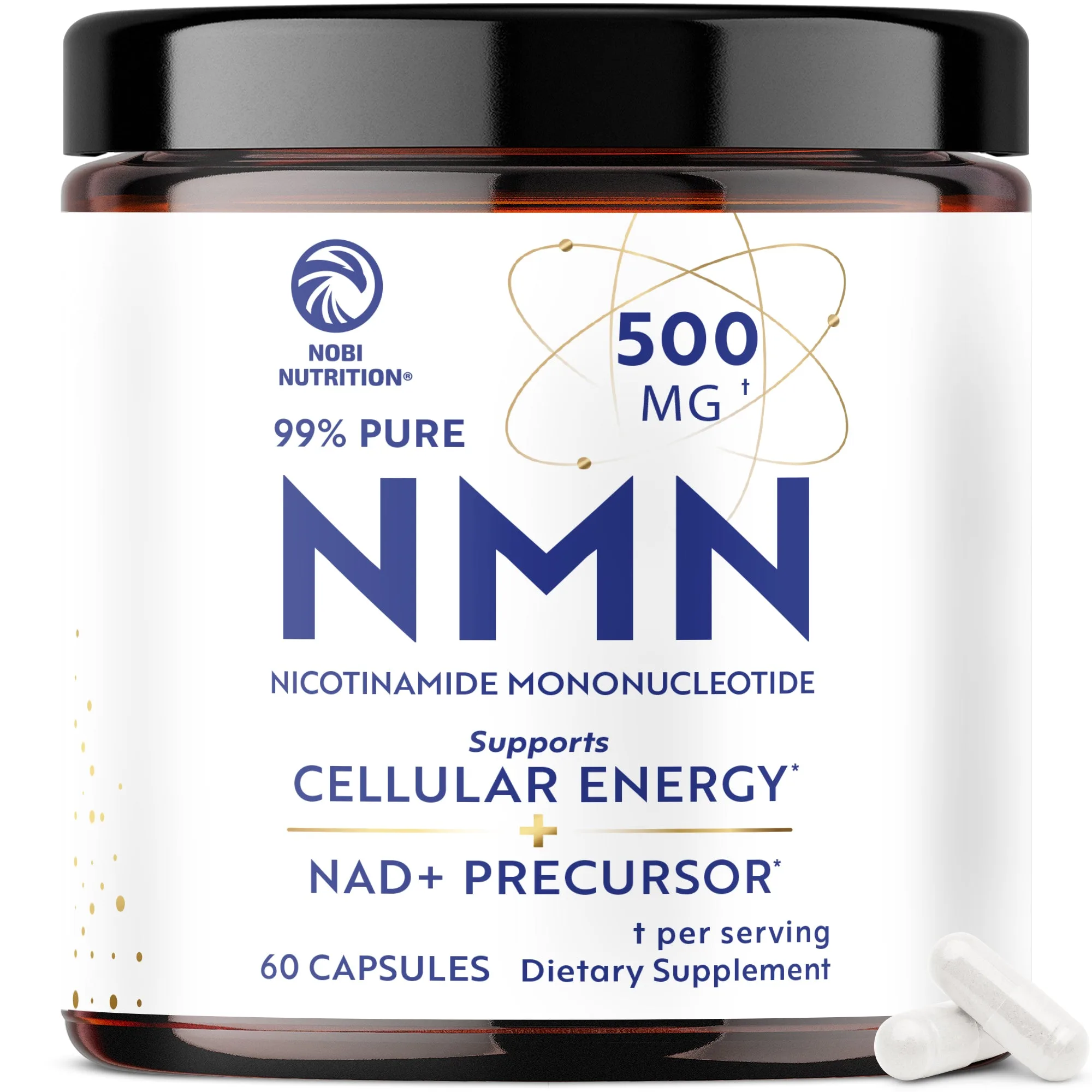
- NMN 500mg Capsules: NMN is a direct precursor to NAD+, a critical coenzyme involved in over 500 enzymatic processes in the body. NMN supplements help to replenish NAD+ levels, which decline with age. If you're interested in cellular energy and healthy aging, NMN offers a different mechanism than moringa. Pairing them could support overall vitality, but always introduce new supplements gradually.
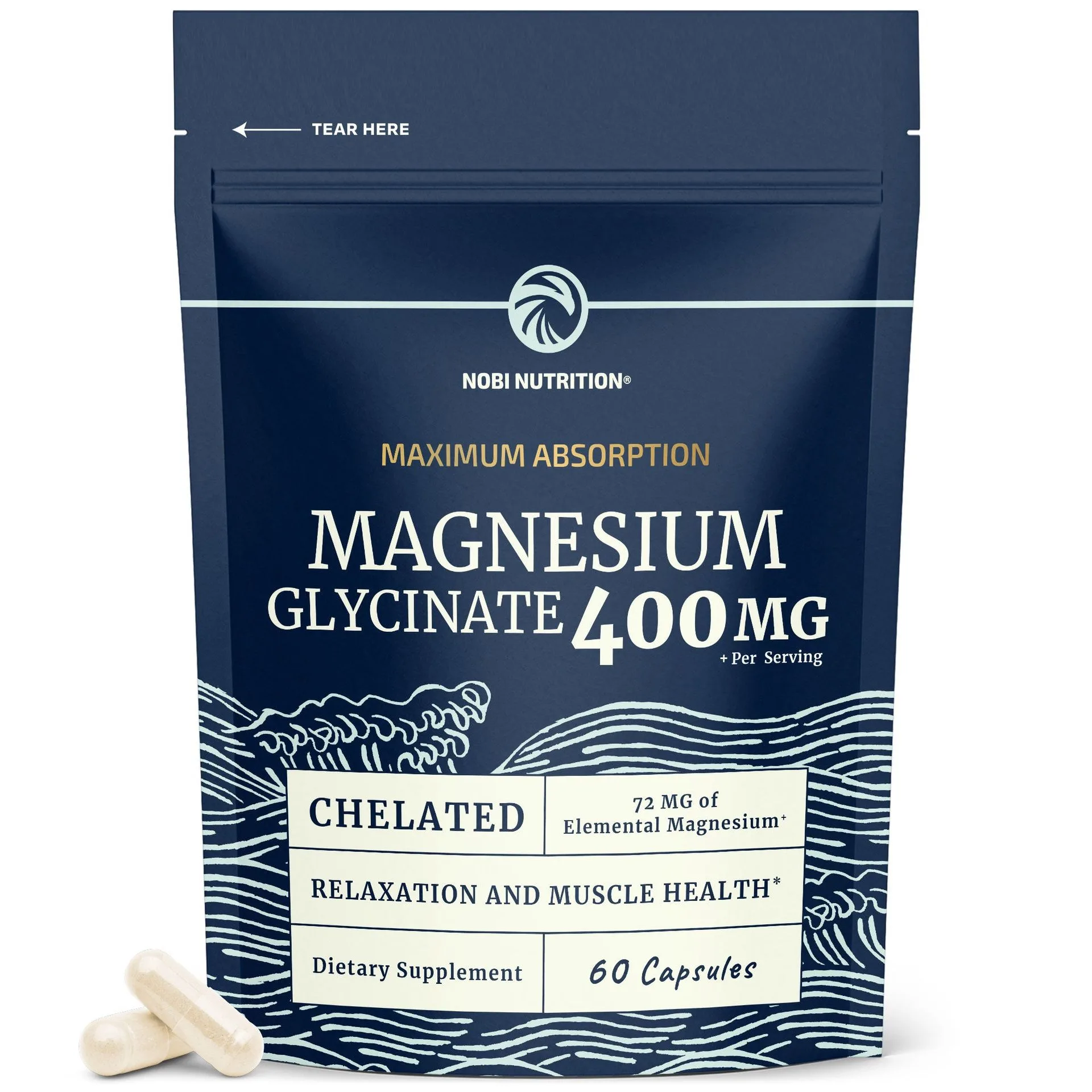
- Magnesium Bisglycinate 400mg Capsules: Magnesium Glycinate (also known as Magnesium Bisglycinate) is the most bioavailable form of Magnesium. Get the Magnesium supplement your body can actually use with Chelated Magnesium Glycinate! Magnesium supports muscle and nerve function, which complements the wellness goals many seek with moringa. If you experience muscle tension or sleep issues, this form is gentle on the stomach.
Moringa capsules can be a valuable addition to a wellness routine when used correctly. Start low, stay consistent, and pay attention to how your body responds. Always prioritize quality and consult a healthcare professional if you have underlying conditions or take medications.