Quick Answer
If your multi-functional sealer isn't sealing, start by checking the sealing strip for residue, ensuring the bag is positioned correctly, and letting the unit cool down between uses.
Why Your Sealer Might Stop Sealing
The most common reason a multi-functional sealer stops sealing is a dirty or worn sealing strip. Food residue, oil, or moisture can prevent the heating element from making proper contact with the bag. Another frequent cause is overheating: the sealer’s thermal protection may kick in if you run multiple cycles without a break. Finally, using the wrong type of bag or placing it unevenly can also lead to a failed seal.
Diagnosis & Fix Steps
- Symptom: No seal at all or weak seal: Check the sealing strip for debris, oil, or food residue. Wipe it clean with a soft, damp cloth and dry thoroughly. Also inspect the strip for any visible damage or wear. If the strip is damaged, you may need a replacement part.
- Symptom: Seal works then stops after a few cycles: Overheating is the likely cause. Unplug the sealer and let it cool for 10-15 minutes. Avoid running more than 2-3 cycles in quick succession. If the problem repeats, the thermal fuse may be faulty.
- Symptom: Bag not held or seal is uneven: Ensure the bag is placed flat across the sealing bar with no wrinkles or folds. Use only embossed vacuum sealer bags designed for this type of machine. Check that the bag opening is clean and dry. If using the correct bags still fails, the pressure pad may need adjustment.
Product Facts
-
Multi-Functional Sealer: This Multi-Functional Vacuum Sealer can seal bags, containers, and even wine bottles. If the sealing function fails, you lose the ability to preserve food in bags or containers, so troubleshooting the seal is critical for getting the most out of this versatile device.
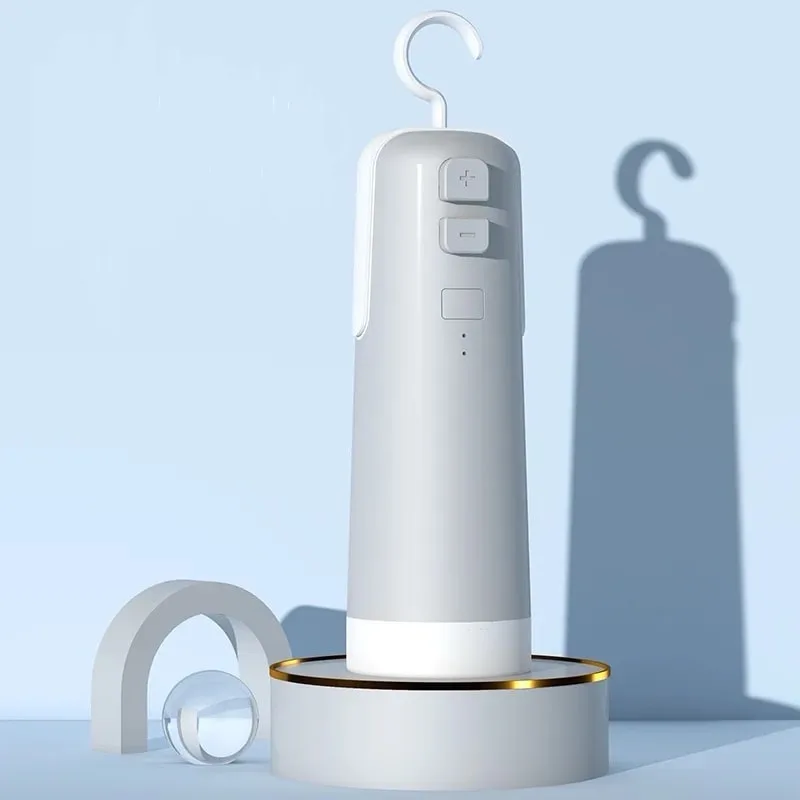
Multi-Functional Sealer