Quick Answer
Match the mushroom to your goal before you compare brands: reishi for evening wind-down, lion's mane for focus and cognitive support, cordyceps for workout energy, and blends for general daily support. Then check three label details, the species name, whether the label says extract or powder, and whether it states the part used, because those decide what you actually get per capsule.
Mushroom supplements are one of the fastest-growing categories on the shelf, and also one of the hardest to compare. Two bottles can both say reishi mushroom on the front, yet one may hold a concentrated extract and the other ground mycelium on grain, and the price rarely tells you which is which.
This guide gives you a buying order that works for any brand: pick the mushroom for your goal, then read the label for species, part, and form. You will also see where a mushroom supplement fits well alongside familiar basics like https://naturewisenmz.com/products/d3-k2-b5064bc030b70ce7cf9f7e43-2611054Vitamin D3 + K2 or Calcium + Vitamin D3, and when it is simply the wrong purchase.
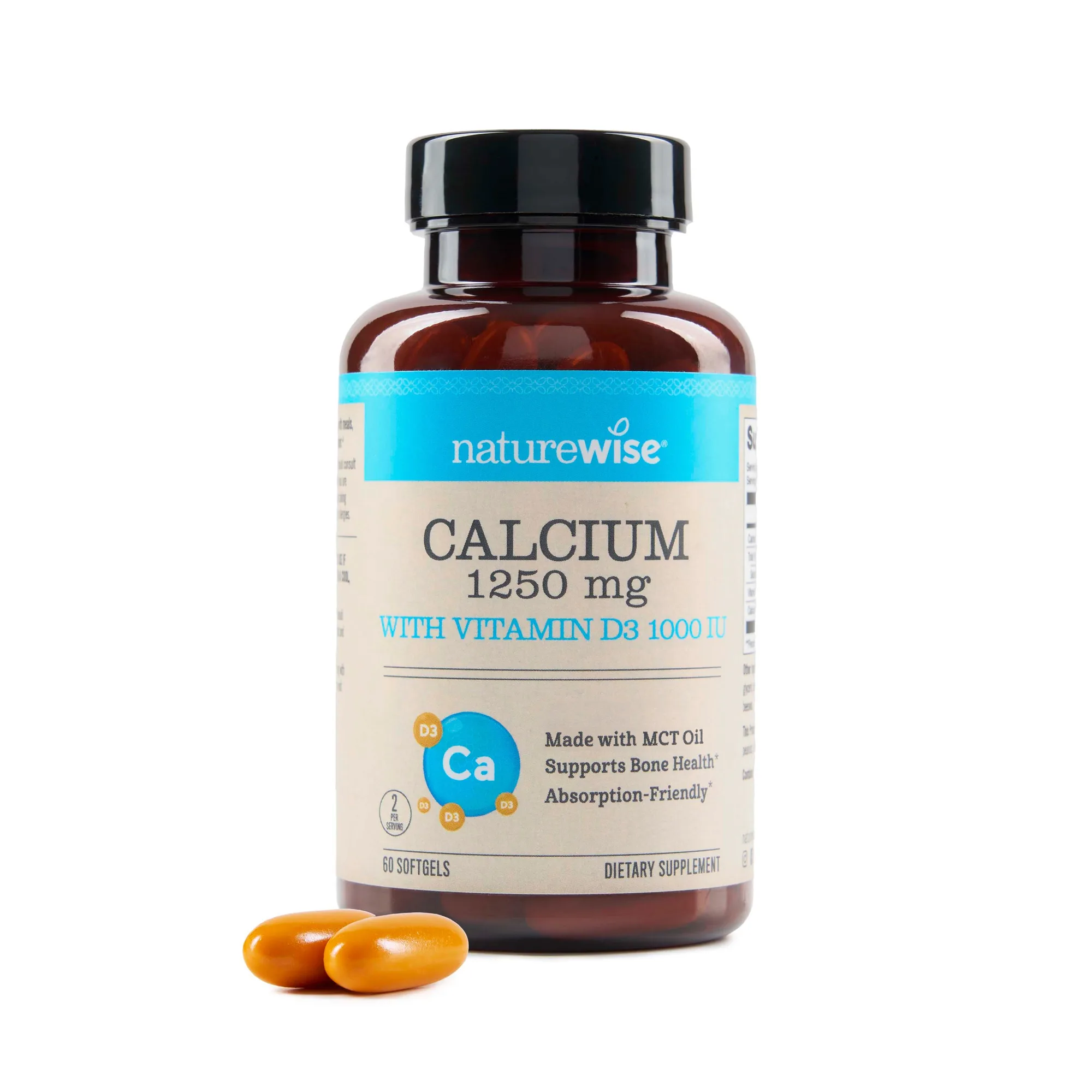
Calcium + Vitamin D3
Start With the Goal, Not the Mushroom
Most shoppers browse by product name and end up comparing things that do different jobs. Flip the order. If you want help winding down in the evening, you are shopping for reishi. If you want support for focus during a workday, lion's mane is the usual starting point. If you train and want something to take before a session, cordyceps is the category to read about first.
This matters because a single mushroom supplement cannot be good at everything, and blends spread their content across several species. A blend is a reasonable choice when you want general daily support and do not want to manage three bottles. A single-species product is the better buy when you have one specific goal and want to judge whether it is working.
- Write your goal in one sentence before you open a product page. It makes the label comparison much faster.
- If you cannot name what you want the mushroom to do, buy a single species first rather than a blend.
Reishi Mushroom: What It Is Usually Bought For
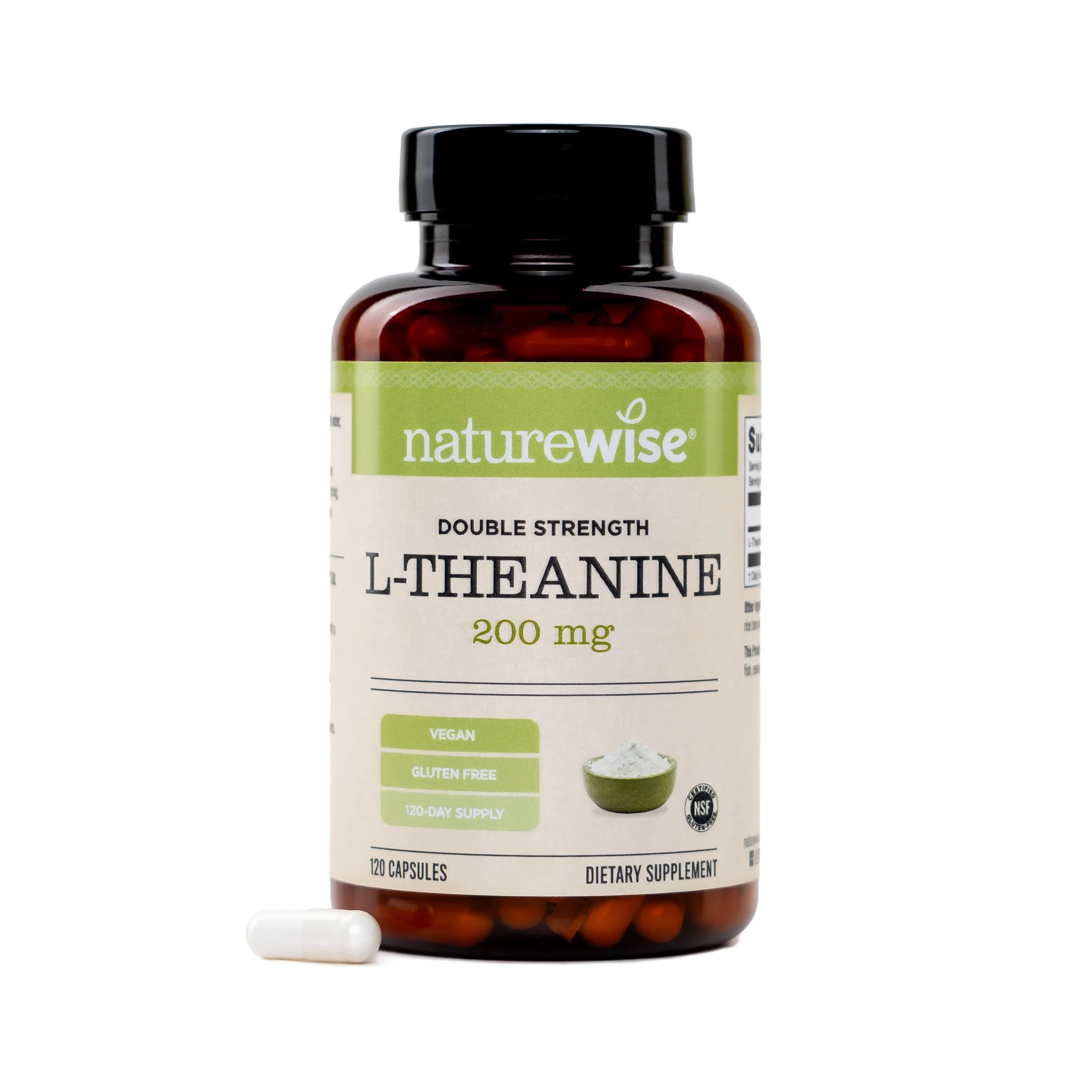
Reishi is the traditional evening mushroom. Shoppers typically choose it for calm and sleep-adjacent routines rather than for daytime energy, which is why it shows up in nighttime stacks next to magnesium or L-theanine. If your goal is a morning productivity supplement, reishi is usually the wrong pick, not a weak one.
Reishi is also one of the more bitter mushrooms, so capsule form is common and easier to keep consistent than a powder you have to mask in a drink. Look for the words reishi or Ganoderma lucidum on the supplement facts panel, not just on the front label.
- Take reishi in the evening if you are using it as part of a wind-down routine.
- Keep the time of day consistent for a few weeks before judging whether it earns a place in your routine.
Lion's Mane: The Focus and Cognitive Pick
Lion's mane, or Hericium erinaceus, is the mushroom most shoppers associate with mental clarity and focus. It is commonly taken in the morning or before focused work, which makes it a natural pairing with a coffee or tea habit rather than a replacement for one.
Because lion's mane is popular, it is also heavily copied. The species name on the label is your fastest filter: if the panel does not name Hericium erinaceus, you are guessing at what is in the capsule. That single check eliminates a lot of confusing options before you compare price.
- Take lion's mane earlier in the day if you are pairing it with a work routine.
- Skip products that show a mushroom photo but never name the species anywhere on the label.
Extract vs Powder: The Label Detail That Changes Everything
This is the biggest source of confusion in the category. A mushroom extract is concentrated from the mushroom itself, while many inexpensive products are ground mycelium grown on grain, which means a meaningful share of the powder is the grain substrate rather than mushroom tissue. Both can be sold legally, and both can be called mushroom supplements.
You cannot always tell from the front of the bottle, so read the supplement facts and the ingredient list. Look for the words extract, the species name, and the part used, such as fruiting body. If the label is silent on all three, treat that as a limitation of the product rather than assuming the best.
- A higher milligram number is not automatically better if the form is undisclosed.
- When two products look identical on price, the one with a named species and stated form is the easier one to evaluate.
How Mushroom Supplements Fit With the Rest of Your Stack
Mushroom supplements are usually an add-on, not a foundation. Most people get more measurable value from covering basics first, such as vitamin D, calcium, or omega-3s, then layering a mushroom on top for a specific goal. If you are already taking several capsules a day, adding a mushroom blend can push your routine past what you will actually keep up with.
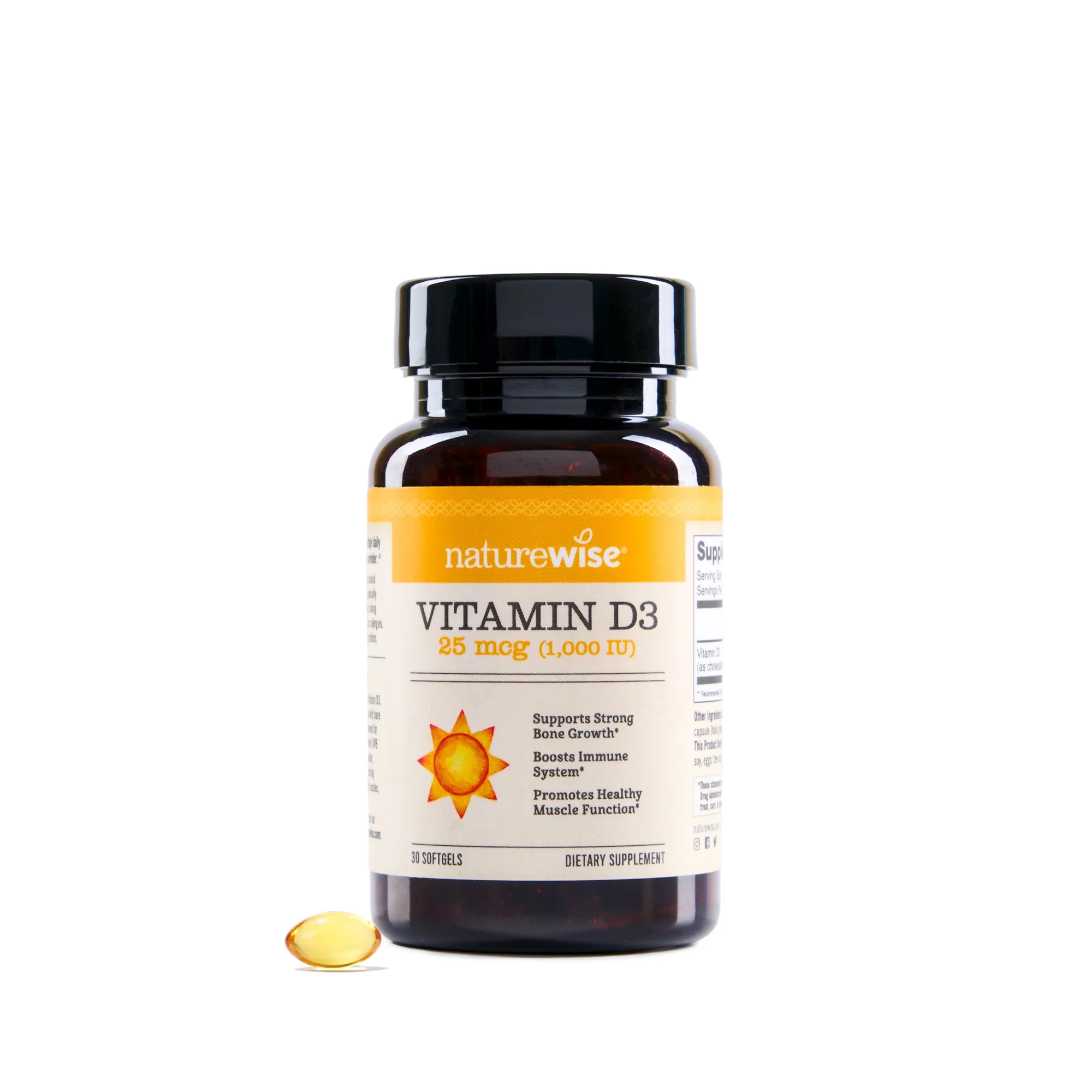
If your routine already includes something like Vitamin D3 + K2, a one-per-day softgel, or Calcium + Vitamin D3, a single mushroom capsule is an easy addition because it does not compete for the same slot. If you are already juggling five bottles, fix the routine before adding a sixth.
- Count your current daily capsules before buying a mushroom blend with a multi-capsule serving.
- Add one new product at a time so you can tell what is doing what.
What to Check Before You Buy
Work through the same short checklist for every candidate. Species named. Form stated as extract or powder. Part used stated. Serving size and how many capsules that takes. Whether the label claims are specific enough to be meaningful, such as supports focus rather than a vague wellness statement. Products that answer all five are easier to compare honestly on price.
Be equally honest about what the label cannot tell you. A capsule cannot show you how you personally will respond, and no label replaces a conversation with your healthcare provider, especially if you take medication or are pregnant or nursing.
- Photograph the supplement facts panel of your top two picks and compare them side by side.
- Set a four-week checkpoint to decide whether to repurchase.
Decision Rules for Buying a Mushroom Supplement
- Goal is evening wind-down: Choose a reishi product and take it at night rather than in the morning. If you want daytime energy, this is the wrong mushroom.
- Goal is focus during the workday: Choose lion's mane and confirm the label names Hericium erinaceus. No species name on the panel means skip it.
- Label says extract: Check that the same label also states the species and the part used, such as fruiting body. Extract plus species plus part is the combination worth paying for.
- Label only says mushroom powder: Assume the form and part are undisclosed and treat that as a real limitation. Buy it only if the price reflects the uncertainty.
- You want one bottle instead of three: A blend is reasonable for general daily support, but each species is present in smaller amounts. Blend for general support, single species for one clear goal.
- You already take several capsules daily: Check the serving size before buying, since some mushroom products need two or more capsules per serving. Cover basics like Vitamin D3 + K2 first, then add the mushroom.
Product Facts Worth Knowing
- Vitamin D3 + K2: NSF Certified Gluten Free, made with organic extra virgin coconut oil, one-per-day formula, 1 softgel serving; supports bone health, heart health, and immune health. A one-softgel daily basic is easy to stack with a single mushroom capsule, and the gluten-free certification answers a label question many shoppers have to research separately.
- Calcium + Vitamin D3: 1250 mg of all-natural calcium with 1000 IU of vitamin D3, organic MCT oil, pregnancy safe; supports bone health, bone strength, and immune health. If bone and immune support is your actual goal, this covers it directly, so you can judge whether a mushroom supplement is adding something or just adding a bottle.
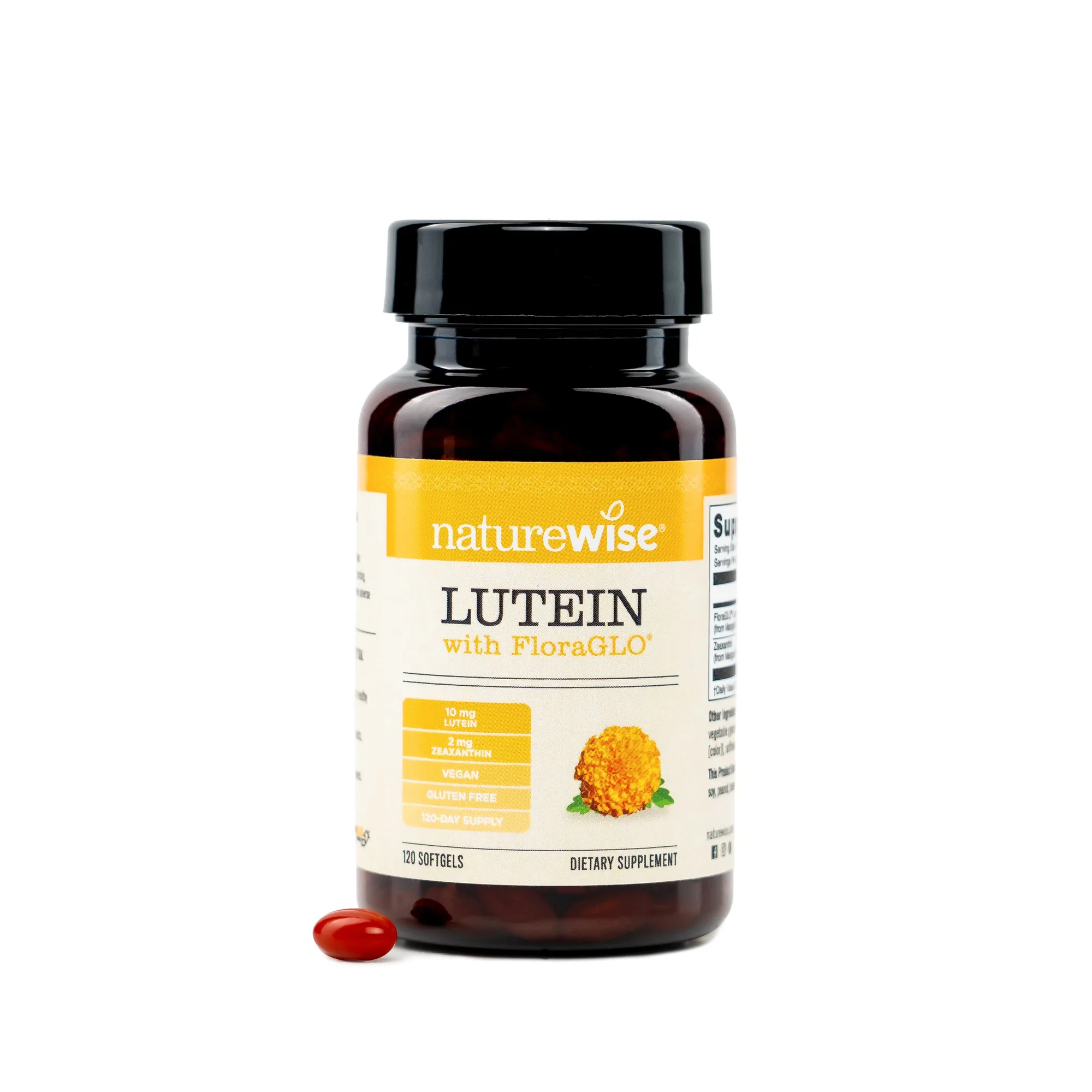
- Lutein: 10 mg FloraGLO Lutein per serving with zeaxanthin, vegan, 1 softgel serving; supports eye health, brain health, skin health, and maternal health. A useful comparison point for how specific a good label can be: named ingredient, stated amount, and stated form, which is exactly the standard to hold mushroom products to.
Who Should Buy a Mushroom Supplement
Best for
- Shoppers with one clear goal, such as evening wind-down with reishi or daytime focus with lion's mane
- People who already cover daily basics like vitamin D, calcium, or omega-3s and want to add one targeted product
- Buyers willing to read the supplement facts panel for species, form, and part used before purchasing
Not for
- Anyone looking for a single product to replace a multivitamin or a prescribed treatment
- Shoppers who want guaranteed same-day effects, since mushroom supplements are typically judged over weeks
- People taking medication, pregnant, or nursing who have not checked with their healthcare provider first
Buy the mushroom that matches your goal, then let the label decide between brands: species named, form stated, part disclosed. Do that and the category stops being confusing, and you can tell within a month whether the bottle earned its place next to your Vitamin D3 + K2.